Wall Finish Installation or Replacement: How It Shapes the Entire Look of a Room
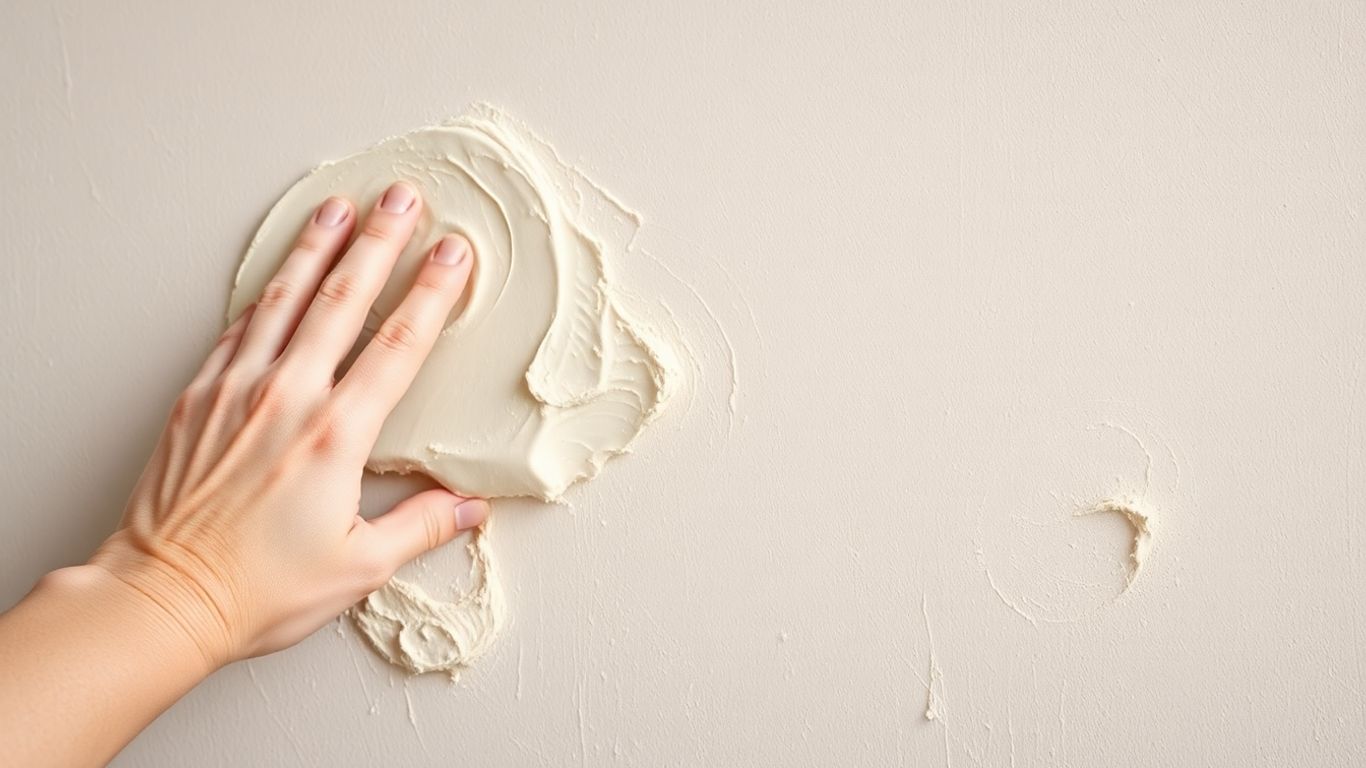
Thinking about a change for your walls? It's more than just paint or wallpaper; the way you finish your walls really changes how a room feels. This article, "Wall Finish Installation or Replacement: How It Shapes the Entire Look of a Room," will walk you through different options, from classic wood panels to modern geometric designs, and how to pick the best look for each space in your home.
Key Takeaways
- Wall finishes, like paneling and accent walls, play a huge role in a room's overall appearance and feel.
- Wood paneling offers a lot of flexibility, from rustic to modern styles, and can even create interesting geometric patterns.
- Accent walls using wallpaper, wood slats, or creative paint techniques can add personality and a focal point to any room.
- Choosing the right wall finish material, such as natural wood, MDF, shiplap, or beadboard, depends on your budget, style, and the room's function.
- Strategic placement of finishes, like wainscoting or panels in entryways, can define spaces and create a cohesive look throughout the house.
Transforming Spaces With Wall Paneling
Wall paneling used to get a bit of a bad rap, right? Think dark, wood-paneled dens from the 70s that felt more like a cave than a living space. But honestly, paneling has come a loooong way. Today's options are super versatile and can totally change the vibe of a room, making it feel fresh, cozy, or even super modern. It's not just about covering up old drywall anymore; it's a design choice that adds texture, depth, and a whole lot of character.
The Versatility of Wood Paneling
Wood paneling, in its modern forms, is a fantastic way to bring warmth and a natural feel into a space. Forget those heavy, dark planks of the past. We're talking about sleek horizontal slats that can make a room feel taller, or even individual wood tiles that you can arrange in unique patterns. You can go for a natural, unfinished look to highlight the wood grain, or paint or whitewash them to match your decor. It's a great way to add architectural interest without being overwhelming.
- Adds natural warmth and texture.
- Can create visual illusions (like making ceilings appear higher).
- Offers a timeless appeal that works with many styles.
Wood paneling, when done right, isn't just a wall covering; it's a statement piece that can ground a room and make it feel more inviting. It’s amazing how much difference the right kind of wood and the way it’s installed can make.
Modern Takes on Traditional Paneling
If you're looking to update a space that might have some older, dated paneling, you don't necessarily have to rip it all out. Sometimes, a good coat of paint can do wonders. But if you're up for a change, modern paneling offers so many cool alternatives. Think beyond just wood. You can find panels made from MDF, vinyl, or even fabric, offering different textures and looks. Some panels even have acoustic properties, which is a nice bonus if you're looking to quiet things down a bit.
Creating Geometric Interest with Panels
This is where things get really fun. Geometric 3D panels are a game-changer if you want to add some serious visual punch. These aren't your grandma's wall panels. They come in all sorts of shapes and configurations – think sharp angles, repeating patterns, or even custom cut-outs. They add a dynamic, modern edge that can make a plain wall a real focal point. You can use them to create a bold accent wall or even cover an entire room for a truly dramatic effect. The way they play with light and shadow adds another layer of interest, making the wall feel alive.
Elevating Room Aesthetics with Accent Walls
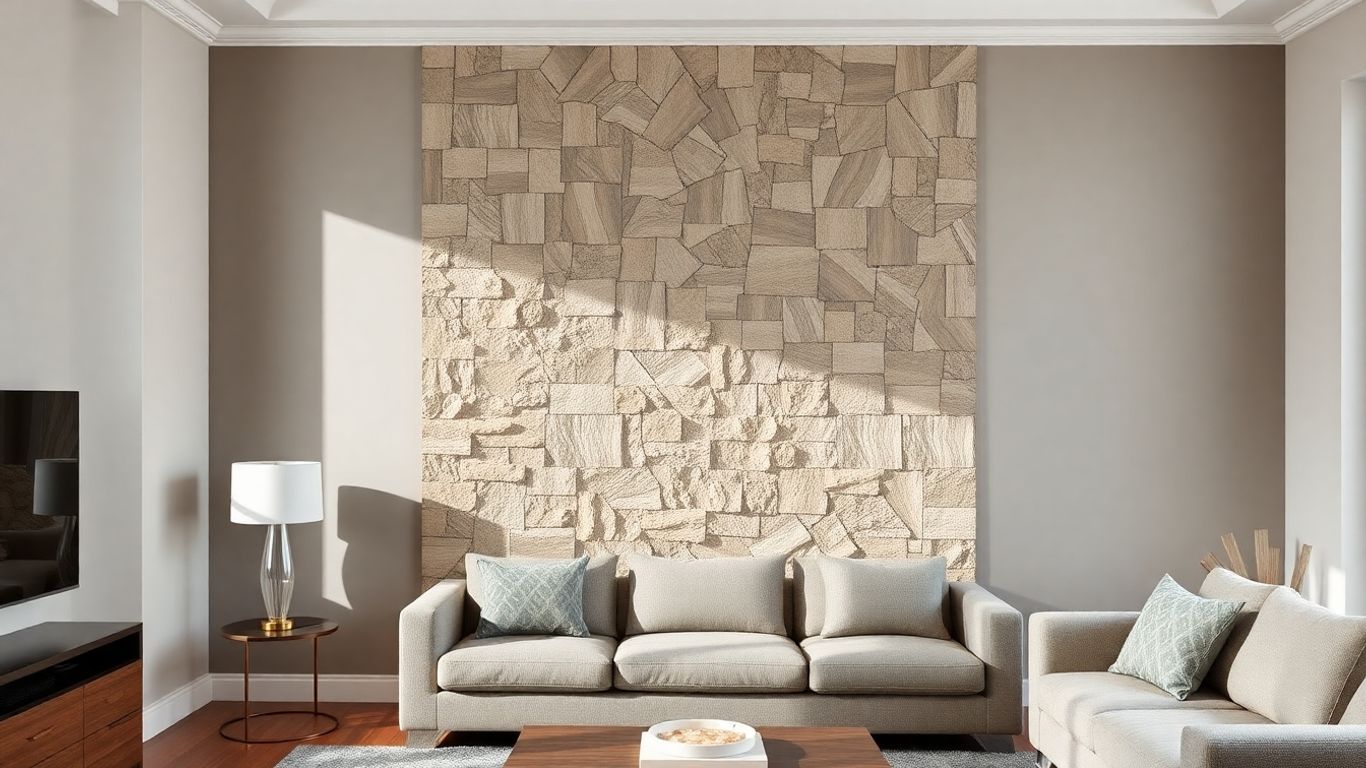
Sometimes, you just want to shake things up in a room without a total overhaul. That's where an accent wall comes in. It's like giving a room a personality boost, drawing the eye and adding a focal point that can really change the whole vibe. Think of it as the room's signature statement. It's not just about slapping on a different color; it's about creating a visual anchor that can tie a space together or introduce a new dynamic.
The Impact of Wallpaper Accent Walls
Wallpaper has come a long way, and using it for an accent wall is a fantastic way to add depth and sophistication. The sheer variety available is mind-boggling – from intricate patterns and bold geometrics to subtle textures and vintage florals. You can use it to make a room feel larger, perhaps with vertical stripes, or to introduce a cozy, enveloping feel with a darker, richer design. It's a great way to inject personality without committing to painting the entire room.
Designing with Wood Slat Walls
Wood slat walls are seriously trending, and for good reason. They offer a clean, modern look that can be surprisingly versatile. You can go for a natural, rustic feel with unfinished wood, or opt for painted slats for a more contemporary vibe. What's cool is how they can create geometric interest. By arranging the slats in different widths or patterns, you can add a subtle or dramatic linear effect. Plus, they can even act as a room divider if you're working with an open-plan layout. Peel-and-stick options have also made this a much more accessible DIY project.
Creative Painting Techniques for Feature Walls
Painting an accent wall doesn't have to be a one-note affair. You can get really creative with techniques that go beyond a single bold color. Think about color blocking, where you use distinct sections of different hues to create a graphic look. Rag-rolling can add a lovely, subtle texture, giving the wall a softer, more organic feel. For something more luxurious, Venetian plaster mimics the look of marble with its smooth, burnished finish. These techniques can transform a simple painted wall into a true work of art.
Don't underestimate the power of your walls. While we often focus on furniture and decor, the walls themselves are a huge canvas for expressing your style. An accent wall is a smart way to make a big impact without a massive renovation.
Here are a few ideas to get you started:
- Bold Color Contrast: Pick a color that stands out significantly from the rest of the room's palette. This is the most straightforward way to create a focal point.
- Geometric Patterns: Use painter's tape to create sharp lines, chevrons, or even abstract shapes. This adds a modern, dynamic feel.
- Textural Finishes: Explore techniques like sponging, stippling, or even applying textured paint to add a tactile dimension to your accent wall.
Choosing the Right Wall Finish for Every Room
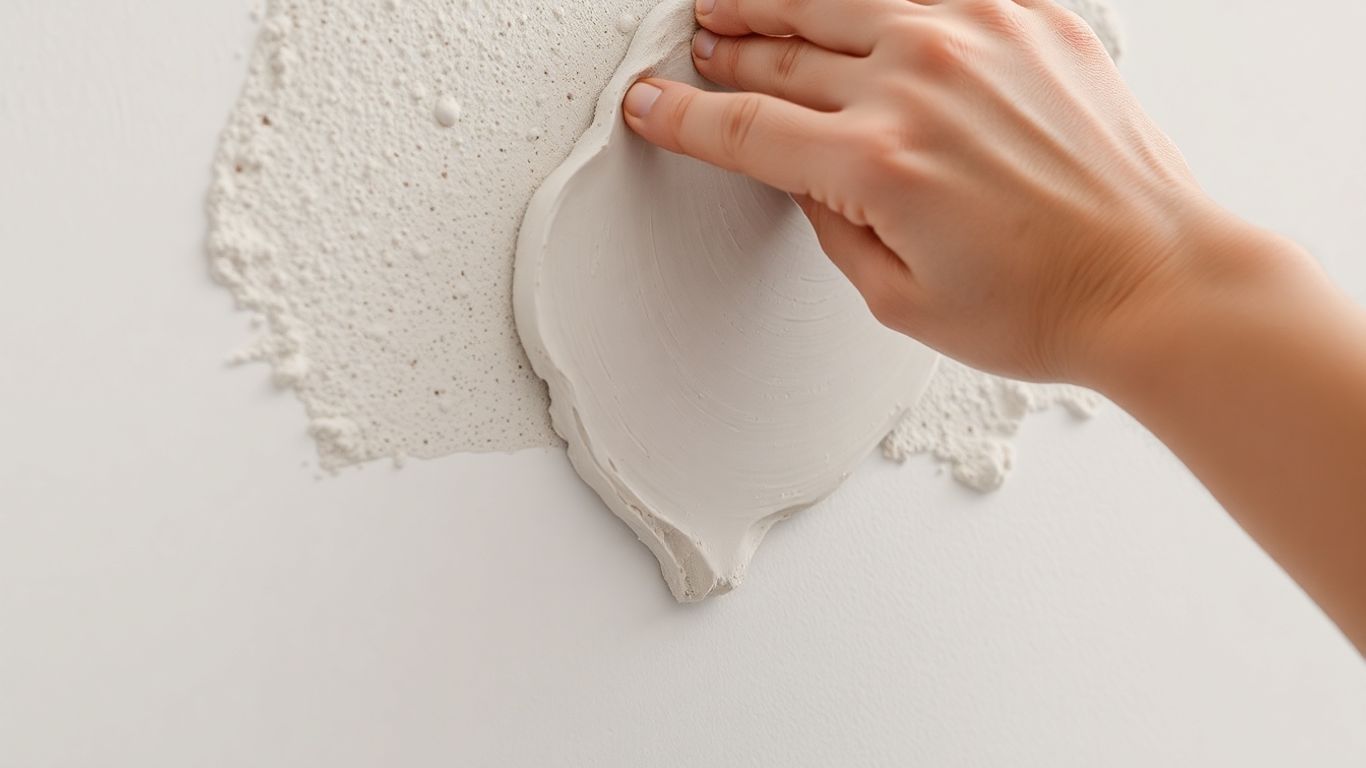
Picking the right wall finish can really change how a room feels, you know? It's not just about slapping some paint on. Think about your dining room, for instance. You probably want something that feels a bit more put-together, maybe even a little fancy. Wainscoting, for example, can add a nice touch of elegance without being over the top. It breaks up the wall nicely and gives it some architectural interest. For a more formal vibe, you could go with a classic wood paneling or even a sophisticated wallpaper. The goal is to create an atmosphere that encourages conversation and makes meals feel special.
Bedrooms are a different story. Here, comfort and personality are key. You might lean towards softer textures or colors that promote relaxation. Maybe a textured paint finish or a calming wallpaper pattern. Or, if you're feeling bold, a wood slat wall can add warmth and a modern, cozy feel. It's all about making the space feel like your personal sanctuary.
Bathrooms need a bit more thought because of the moisture. You'll want finishes that can handle humidity. Tile is always a solid choice, but don't discount specially treated paints or even certain types of waterproof paneling. The trick is to find something that's both functional and looks good. You don't want a bathroom that feels sterile, but you also don't want it to fall apart after a few steamy showers. Considering options like beadboard can offer a nice balance of style and moisture resistance.
Grace and Comfort in Dining Rooms
Dining rooms are often where we entertain, so the wall finish plays a big role in setting the mood. A common choice is wainscoting, which is paneling that covers the lower portion of the walls. It adds a layer of visual interest and can make a room feel more finished. You can pair it with a contrasting paint color above for a dynamic look. For a more traditional feel, consider classic wood paneling, perhaps in a darker stain. If you're going for a lighter, airier feel, painted beadboard or even a subtle textured wallpaper can work wonders. Remember, the dining room is about creating a welcoming space for meals and gatherings, so choose a finish that supports that.
Adding Character to Bedrooms
Bedrooms are your personal retreat, so the wall finish should reflect that. Think about what makes you feel relaxed and happy. A feature wall with a bold wallpaper can be a great way to add personality without overwhelming the space. Alternatively, wood slat walls have become really popular for their ability to add warmth and a modern, natural element. If you prefer a simpler approach, a calming paint color with a unique finish, like a matte or eggshell, can be very effective. Don't forget about texture; even a slightly textured paint can add depth and coziness. For those who love a DIY project, consider using peel-and-stick wood panels for an easy update.
Functional and Stylish Bathrooms
Bathrooms present a unique challenge due to humidity and water exposure. Durability is a big factor here. While tiles are a go-to for a reason, they aren't the only option. Moisture-resistant paints are a must for any bathroom walls, especially in shower areas. Beadboard paneling is another excellent choice; its vertical lines can make a space feel larger, and it offers a classic look that works well in many bathroom styles. For a more modern aesthetic, consider waterproof vinyl or PVC panels designed to mimic wood or stone. When selecting a finish, always check its suitability for high-moisture environments. Proper surface preparation is also key for any paint job in a bathroom; taking your time with taping and masking can make all the difference [c41d].
When choosing a wall finish for any room, consider the room's primary function and the overall atmosphere you want to create. A finish that works in a busy kitchen might not be ideal for a quiet bedroom, and vice versa. Think about durability, maintenance, and how the finish will interact with light and other design elements in the space.
Exploring Diverse Wall Finish Materials
Picking the right material for your walls is a big deal. It's not just about how it looks, but also how it feels and how it holds up over time. There are tons of options out there, each with its own vibe and price tag. Let's break down some of the most popular choices you'll find.
The Appeal of Natural Wood and Reclaimed Timber
Wood is a classic for a reason. It brings warmth and a natural feel to any room. You can go with smooth, finished planks for a polished look, or embrace the rustic charm of reclaimed timber. Reclaimed wood often has a history, with knots, nail holes, and a weathered patina that tells a story. It's a fantastic way to add character and a touch of eco-consciousness to your space. Think about using it for an accent wall or even an entire room. For exterior applications, wood wall cladding like cedar or redwood offers great insulation and a beautiful finish, and there are even wood polymer composites that mimic the look with added durability. Wood wall cladding is a solid choice for many projects.
Budget-Friendly MDF and Beadboard Options
If you're watching your wallet but still want that paneled look, Medium Density Fiberboard (MDF) and beadboard are your friends. MDF is super versatile. You can paint it, cut it into different shapes, and it gives you a smooth, clean surface. It's a great base for a more modern, sleek paneling style. Beadboard, with its distinctive vertical grooves, offers a more traditional, cottage-like feel. It's often used in kitchens, bathrooms, or entryways. Both are much easier on the budget than solid wood, making them accessible for larger projects or for those who like to change things up more often.
Shiplap and Board and Batten Styles
These two styles have really taken off in recent years, and for good reason. Shiplap, traditionally used on exteriors, features planks with a rabbet (a groove) that allows them to overlap. This creates a clean, horizontal line that feels both modern and a bit farmhouse-chic. It's pretty straightforward to install, too. Board and batten is a bit different. It uses wider boards (the
Strategic Placement and Design of Wall Finishes
Thinking about where and how you put up wall finishes can really change how a room feels. It's not just about covering up walls; it's about using them to guide the eye and make the space work better. Getting this right means the whole room just clicks, while getting it wrong can make things feel a bit off. The placement and design of your wall finishes are key to creating a cohesive and visually appealing interior.
Wainscoting for Definition and Style
Wainscoting, that decorative paneling typically found on the lower half of a wall, is a fantastic way to add character and a sense of structure. It breaks up a large wall, giving it visual interest and protecting the surface from scuffs and bumps, especially in high-traffic areas. You can go for classic raised panels for a traditional vibe, or opt for simpler, flat panels for a more modern look. The height and style of the wainscoting can also influence the perceived height of the room. For instance, a taller wainscoting can make a ceiling feel higher, while a shorter, more delicate style might suit a cozier space.
Utilizing Panels in Entryways and Halls
Entryways and hallways are the first impression guests get of your home, so making them count is important. Using wood panels here can create a warm and inviting atmosphere right from the start. Think about deeper wood tones for a more dramatic and sophisticated feel, or lighter woods to keep it bright and airy. You can even use panels to create a feature wall in a hallway, perhaps with a unique pattern or texture. This is also a great spot to use materials that are a bit more durable, as these areas tend to see a lot of foot traffic. Combining panels with a large mirror and some interesting lighting can really make these transitional spaces shine.
Creating Visual Cohesion Across Rooms
To make your whole home feel connected, think about how your wall finishes flow from one room to the next. If you're using wainscoting, extending the same style and color through adjoining rooms and hallways can tie everything together. This creates a sense of continuity, making the overall space feel larger and more unified, even if the furniture and decor in each room are different. It’s like a subtle thread that runs through your home, making it feel more intentional and put-together. Even simple choices, like using the same type of paneling or a consistent color palette, can make a big difference in how the entire house feels.
Innovative Wall Finish Applications
Wall finishes have come a long way, and today, there are some really cool ways to use them that go way beyond just covering up a wall. We're talking about finishes that add function, serious visual interest, and a whole lot of personality. It's not just about what the wall looks like anymore; it's about what it can do.
Multi-Purpose Decorative Panels
Think of wall panels not just as decoration, but as functional pieces of furniture. For instance, a decorative panel can serve as a headboard in a bedroom, adding a unique design element and potentially even some sound dampening if it's made with acoustic materials like felt. These can extend all the way up to the ceiling, making a big statement with bold colors or patterns. Materials like wood, MDF, or acoustic felt are great for this.
The Boldness of Geometric 3D Panels
If you're looking to shake things up and move away from plain walls or traditional wood paneling, geometric 3D panels are where it's at. These panels have shapes that stick out or are carved in, creating shadows and a real sense of depth. They come in all sorts of materials, colors, and geometric patterns, adding a dynamic and energetic feel to any room. Some even have acoustic properties, so they look good and help with sound.
In-Panel Cutouts for Unique Designs
This is where things get really creative. Imagine wall panels that have sections cut out. These cutouts reveal the wall behind them, creating a layered effect that adds a lot of visual interest. It's like having a piece of art built right into your wall. You can play with different colors and textures in the layers to make it pop. This technique adds a sophisticated depth that can truly make a space stand out.
Here's a quick look at what you can achieve:
- Layering: Combine different panel materials or colors for a multi-dimensional look.
- Texture Play: Use panels with varied textures to create tactile interest.
- Light Interaction: Consider how light will hit the 3D shapes and cutouts to cast interesting shadows.
Using these innovative applications means your walls can do more than just sit there. They can become focal points, add functionality, and really express your personal style in ways that standard paint or wallpaper just can't match. It's about making your walls work harder and look amazing doing it.
Looking for fresh ways to decorate your walls? Explore exciting new ideas for "Innovative Wall Finish Applications" that can totally change the look and feel of any room. These aren't your typical paint jobs! Discover unique textures and designs that add personality and style. Want to see these amazing finishes in action? Visit our website today to find inspiration and learn how we can bring these creative wall solutions to your home.
Wrapping It Up
So, as we've seen, changing up your walls can really make a difference in how a room feels. Whether you're thinking about fresh paint, cool wallpaper, or some stylish wood panels, it's a pretty big deal for the whole look. It's not just about covering up drywall; it's about adding personality and making the space feel like yours. Don't be afraid to try something new – even a small change can have a big impact. It's amazing what a difference the right wall finish can make.
Frequently Asked Questions
What is wall paneling and how can it change a room's look?
Wall paneling is like giving your walls a stylish makeover with flat or shaped pieces of material, often wood or MDF. It can totally change how a room feels, making it look more cozy, fancy, or modern, depending on the style you pick. It adds texture and interest that plain walls just can't match.
What's the difference between wood paneling and other wall finishes like paint or wallpaper?
While paint and wallpaper cover walls, paneling adds a physical layer and dimension. Wood paneling, for instance, brings a natural warmth and can create patterns or a solid, textured look. It's more about building a feature than just coloring a surface.
Are accent walls still popular, and what are some easy ways to create one?
Yes, accent walls are definitely still a thing! They're a fantastic way to add personality without changing the whole room. You can make one with bold paint colors, cool wallpaper, or even by using wood slats or decorative panels. It's a great way to highlight a specific area or add a pop of style.
What are some budget-friendly wall finish options?
You don't need to spend a fortune to update your walls! Materials like MDF (Medium Density Fiberboard) and beadboard are affordable ways to get a paneled look. Removable wallpaper is also a great, low-cost option, especially for renters, and simple painting techniques can create stunning effects without breaking the bank.
How do I choose the right wall finish for specific rooms like a bedroom or bathroom?
For bedrooms, think about comfort and personality – wood panels can make it cozy, or an accent wall can add drama. Bathrooms need moisture-resistant materials, so beadboard or specially treated panels work well. The key is to match the finish to the room's function and the mood you want to create.
Can wall finishes help make a small room look bigger?
Absolutely! Using lighter colors on walls, especially with vertical paneling or certain wallpaper patterns, can make a room feel more open and airy. Wainscoting, when kept to the lower part of the wall, can also create an illusion of height and space.


Comments
Post a Comment