Eco-Friendly Painting: Contractors Embrace Green Innovations with Modern Products

Painting projects are getting a green makeover. Contractors are finding new ways to use products that are better for the planet and for the people inside the buildings. Think less harsh chemicals and more smart materials. This shift is changing how we think about painting, making it healthier and more sustainable for everyone.
Key Takeaways
- Contractors are increasingly choosing low-VOC and water-based paints to improve indoor air quality and reduce environmental harm.
- Innovations like bamboo brushes, biodegradable materials, and antimicrobial paints are becoming more common, offering both performance and sustainability.
- Challenges such as distribution gaps in rural areas and higher upfront costs for green products are being addressed by suppliers.
- The demand for eco-friendly painting solutions is growing, driven by commercial renovations and a general consumer preference for sustainable options.
- Regional adoption is strong, with areas like Texas, Oklahoma, and Louisiana leading the way in embracing greener painting practices and technologies.
The Growing Demand For Sustainable Painting Solutions
Understanding Eco-Friendly Paint Formulations
It feels like everywhere you look these days, people are talking about going green. Painting is no different. Homeowners and businesses are starting to ask more questions about what's actually in the paint they're using and how it affects their homes and the planet. Gone are the days when just any old can of paint would do. Now, there's a real push for paints that are better for us and the environment. This means looking at things like Volatile Organic Compounds, or VOCs. Traditional paints often have a lot of these, and they can really mess with indoor air quality, not to mention contributing to outdoor pollution. So, manufacturers are coming up with new formulas that cut down on these harmful chemicals. We're seeing more water-based paints and paints with natural ingredients. It's a big change, and it's happening because people are more aware and want healthier spaces.
Healthier Indoor Air Quality Through Greener Choices
Think about it: we spend a huge amount of time inside our homes and offices. The air we breathe in those spaces really matters. That's why the move towards greener paint options is such a big deal for indoor air quality. Paints with low or zero VOCs mean fewer of those nasty chemical fumes lingering in the air after you paint. This is especially important for places like schools and hospitals, or even just a nursery at home. Less off-gassing means a healthier environment for everyone, especially kids and people with allergies or breathing issues. It's not just about the smell, either; it's about creating spaces that are genuinely better for our well-being. This focus on healthier indoor environments is a major driver behind the demand for sustainable painting solutions.
Reduced Environmental Impact Of Modern Paints
Beyond our homes, there's the bigger picture: the planet. The way paint is made and disposed of can have a significant impact. Sustainable paints are designed to minimize this. This includes everything from how the raw materials are sourced to how the paint is packaged and what happens to it when it's no longer needed. Many companies are now using recycled materials in their packaging or offering paints in more concentrated formulas that require less material overall. Plus, when paints have fewer harsh chemicals, they're less likely to pollute waterways or soil. It's a whole lifecycle approach to reducing the footprint of painting projects. It's about making choices that are good for our living spaces and good for the Earth, too.
Innovations Driving The Green Painting Revolution
It's not just about slapping on a coat of paint anymore; the whole game is changing. Contractors are finding all sorts of new ways to make painting jobs better for everyone and the planet. Think about the tools themselves – we're seeing a big move away from plastic. Bamboo brushes are popping up everywhere, and drop cloths made from recycled materials are becoming standard. It’s a small change, but it adds up.
Bamboo Brushes And Biodegradable Materials
Forget those cheap plastic brushes that end up in the trash after one job. Now, you can find brushes with handles made from bamboo, which grows super fast and is pretty tough. Even better, some companies are making bristles from plant-based materials that can break down naturally. It’s a big step from the old days. We're also seeing things like biodegradable masking paper and tape that won't stick around forever in a landfill. It’s all about reducing waste, plain and simple. This shift means less plastic pollution and a lighter footprint on the environment.
Antimicrobial Paints For Safer Spaces
This is a pretty cool one, especially for places like hospitals, schools, or even busy homes. New paints are coming out that have special properties to fight off germs and mold. They're not just about looks; they actually help keep surfaces cleaner and healthier. This is a big deal for indoor air quality, cutting down on things that can make people sick. It’s a smart move for any space where health is a top priority. These paints can really make a difference in creating healthier environments.
Low-VOC Coatings For Enhanced Performance
Volatile Organic Compounds, or VOCs, are those nasty chemicals that can make paint smell strong and aren't great for your health or the air. The new wave of paints has really low VOCs, sometimes almost zero. This means less of that headache-inducing smell and better air quality inside once the job is done. But it's not just about being 'green'; these low-VOC coatings often perform just as well, if not better, than the old stuff. They can be more durable, easier to clean, and come in a huge range of colors. It’s a win-win situation for contractors and clients alike. You can find some great options for eco-friendly paint that don't skimp on quality.
The push for greener painting isn't just a trend; it's a fundamental shift in how the industry operates. From the tools used to the very composition of the paint, innovation is focused on reducing environmental impact and improving health outcomes. This means contractors have more choices than ever to offer sustainable solutions without sacrificing quality or performance.
Navigating Challenges In The Sustainable Shift
Making the switch to greener painting practices isn't always a walk in the park. While the benefits are clear, contractors often run into a few roadblocks. It's like trying to find a specific tool in a cluttered garage – sometimes it just takes a bit more effort.
Addressing Distribution Gaps In Rural Areas
One of the bigger headaches is getting these eco-friendly products out to everyone, especially in more remote spots. Think about a contractor way out in West Texas or a smaller town in Oklahoma. Getting their hands on the latest low-VOC paints or biodegradable masking tapes can be tough if the local suppliers don't stock them. This means longer waits for materials, which can really mess with project timelines. It’s a supply chain issue that needs creative solutions to make sure no one gets left behind.
Overcoming Higher Upfront Costs Of Green Products
Then there's the price tag. Let's be honest, some of these sustainable options cost more when you first buy them. A small business owner might look at the numbers and hesitate, even if they know the product will last longer or be better for their crew's health. It’s a tough call when you're trying to keep bids competitive. However, many find that over time, the durability and reduced need for touch-ups actually save money. It’s an investment, not just an expense.
Debunking Myths About Eco-Friendly Paint Quality
Finally, there's still some old-school thinking out there. Some painters worry that "green" paints just won't cover as well or last as long as the traditional stuff. They might think it's all hype and that they'll end up needing more coats or that the finish won't be as smooth. This just isn't true anymore. Modern eco-friendly paints are designed to perform just as well, if not better, than their older counterparts. It’s about educating folks and showing them the real results. You can find great resources online to help understand the performance of sustainable paints.
The transition to eco-friendly painting is a journey, not an overnight switch. Addressing these challenges head-on with better distribution, clear cost-benefit analyses, and solid proof of quality will help more contractors embrace these greener innovations.
Capitalizing On A Booming Eco-Conscious Market
It's pretty clear that more and more people are thinking about the planet when they're making choices, and that includes how they paint their homes and businesses. This shift is creating a huge opportunity for contractors who are ready to offer greener options. Think about it: commercial renovations are really picking up steam, especially in places like Dallas and Houston. These projects often have budgets that can handle the initial investment in eco-friendly materials, and they're looking for ways to make their spaces healthier and more modern.
We're seeing a real demand for things like low-VOC paints that don't stink up the place, and even tools made from bamboo or recycled stuff. It's not just about being green; it's about using products that perform well and last. For instance, some contractors are finding that bamboo brushes give them a really smooth finish, which is exactly what clients want. And in areas that have had to rebuild, like parts of Louisiana, using durable, low-emission paints makes a lot of sense for the long haul.
Commercial Renovations Fueling Demand
Big projects are a major driver here. When businesses decide to update their spaces, they're often looking for ways to improve indoor air quality for their employees and customers. This means low-VOC paints and other sustainable materials are becoming standard requests. It's a chance for contractors to show they're up-to-date and care about more than just slapping on a coat of paint. Plus, many commercial clients are interested in green building certifications, which often require the use of these kinds of products.
Digital Procurement And Local Warehousing
Getting the right eco-friendly supplies to job sites, especially in more spread-out areas, can be a challenge. That's where smart logistics come in. Companies are getting better at using online platforms to order supplies, and having local warehouses helps cut down on shipping times and costs. This also means fewer trucks on the road, which is another win for the environment. It makes it easier for contractors, no matter where they are, to get their hands on the green products they need without a lot of hassle.
Reaching Contractors Across North America
This isn't just a regional trend anymore. With online marketplaces and better distribution networks, contractors all over North America can now access a wide range of eco-friendly painting products. Whether you're in a big city or a small town, you can find low-VOC paints, biodegradable drop cloths, and brushes made from sustainable materials. It's about making it simple for any painting professional to make the switch to greener practices and tap into this growing market.
The move towards sustainable painting isn't just a trend; it's becoming the new standard. Contractors who embrace these changes are not only helping the environment but also positioning themselves for success in a market that increasingly values health and responsibility.
Regional Momentum: Sustainability Takes Root
Across the Southern U.S., a noticeable shift is happening in how painting and decorating projects are approached. It's not just about slapping on a coat of paint anymore; there's a real push towards materials and methods that are kinder to the environment. This movement is gaining serious traction, especially in states like Texas, Oklahoma, and Louisiana.
Texas Cities Leading the Adoption
In Texas, places like Austin and Dallas-Fort Worth are really stepping up. You're seeing a lot more eco-certified paints and packaging that can be recycled, particularly in homes and hotels. People want healthier air inside their buildings, and that's driving the change. Studies show that low-VOC and water-based paints are becoming the go-to choices because they cut down on emissions without sacrificing how well they hold up.
Oklahoma's Green Technology Market Growth
Oklahoma is also getting on board. Companies that design and build are starting to use EPA Safer Choice products in their new projects. This fits right into a bigger picture of green technology, a market that's expected to get much bigger in the coming years. It's a smart move, aligning with what many clients are asking for.
Louisiana's Reconstruction Embraces Sustainability
Following hurricane damage, Louisiana's rebuilding efforts are taking a greener path. In areas like Baton Rouge and New Orleans, contractors are opting for coatings that are not only tough and long-lasting but also release fewer harmful chemicals. This is important for both the environment and the people living and working in these spaces.
The demand for sustainable materials in interior design has grown significantly as consumers and professionals alike seek to reduce their environmental footprint.
- Low-VOC Paints: These significantly reduce harmful airborne chemicals.
- Biodegradable Materials: Think masking tapes and drop cloths that break down naturally.
- Recycled Tools: Brushes and rollers made from recycled plastics are becoming more common.
The adoption of these greener practices is not just a trend; it's becoming a standard for contractors looking to meet client demands and contribute to a healthier planet. This regional momentum shows that eco-friendly painting is here to stay, influencing projects from small renovations to large-scale developments. You can find many of these professional-grade, eco-friendly supplies through online retailers like Painter's Solutions.
Innovations Redefining The Craft
Bio-Based Resins And Natural Pigments
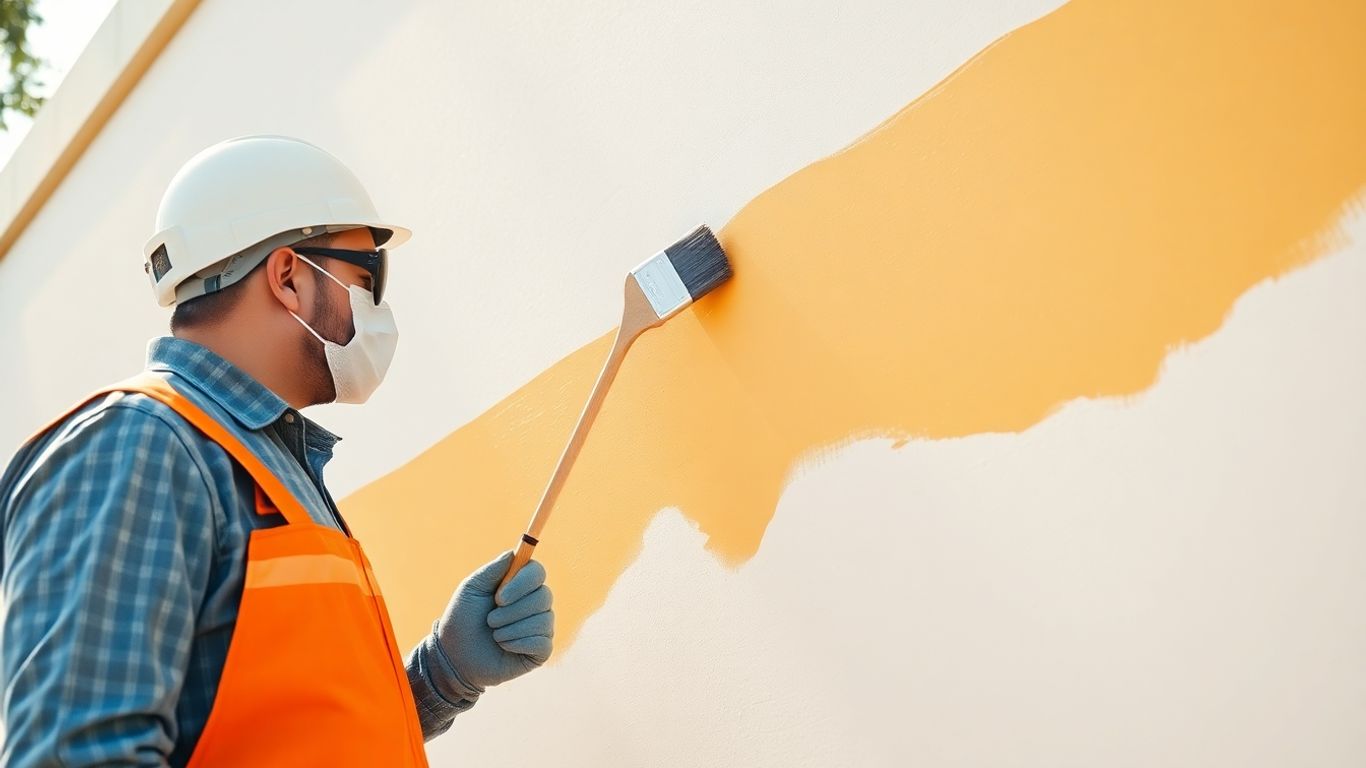
It's not just about the brushes anymore; the actual paint is getting a green makeover. We're seeing a real shift towards using bio-based resins, which come from plants instead of petroleum. Think about it – paints made with ingredients that can be regrown. This cuts down on our reliance on fossil fuels, which is a big win for the planet. And the colors? They're getting a natural boost too. Instead of synthetic dyes, many companies are now using natural pigments derived from minerals and plants. This not only gives paint a unique, earthy look but also means fewer harsh chemicals are involved in the production process. This move towards natural ingredients is making paint healthier for both the people applying it and the people living in the spaces it covers.
Reusable Drop Cloths And Recycled Tools
Beyond the paint itself, the tools of the trade are also getting an eco-friendly upgrade. Forget those flimsy plastic drop cloths that you just toss after one job. Contractors are increasingly switching to durable, reusable fabric drop cloths. They might cost a bit more upfront, but you can wash them and use them over and over, saving money and reducing landfill waste in the long run. The same goes for tools. We're seeing more paint trays made from recycled plastics and even brushes with handles made from sustainable bamboo or recycled materials. It’s a small change, but when you think about how many tools a painting business goes through, it really adds up.
Digital Color-Matching And Waste Reduction
Technology is playing a huge part in making painting more efficient and less wasteful. Digital color-matching tools are a game-changer. Instead of guessing or relying on old-school swatch books, contractors can use apps and devices to get incredibly accurate color matches. This means fewer mistakes, less paint mixed incorrectly, and therefore, less wasted product. Plus, advanced project management software helps painters plan their jobs better, ordering just the right amount of paint and supplies needed. This precision planning is key to cutting down on excess materials and reducing the overall environmental footprint of a project.
The painting industry is finding smart ways to be kinder to the environment. From the ingredients in the paint to the tools used and the planning involved, every step is being looked at for ways to reduce waste and use more sustainable options. It's about working smarter, not just harder, and making choices that benefit both the client and the planet.
The Future Of Eco-Friendly Painting
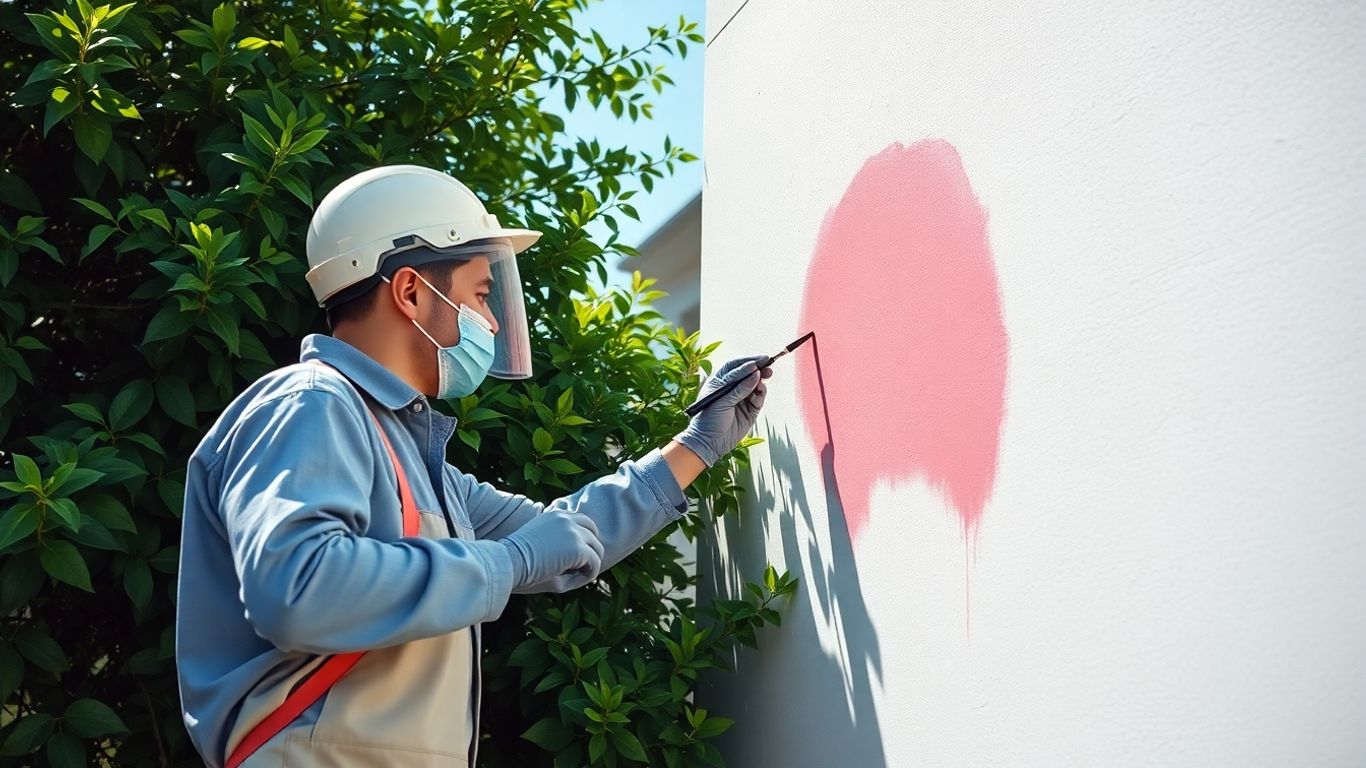
So, what's next for green painting? It's pretty exciting, honestly. We're seeing a lot of cool stuff happening that's going to make painting even better for us and the planet.
Advancements In Paint Formulations
Paint itself is getting a serious upgrade. Think about paints made from things like plant-based resins and natural minerals for color. These aren't just trendy; they're often more durable and have a much smaller environmental footprint than the old stuff. We're also seeing paints that do more than just cover walls. Some are designed to actually improve air quality inside, actively filtering out pollutants. It's like painting your house also gives it a health boost.
Growing Consumer Prioritization Of Sustainability
People are definitely paying more attention to what they buy. They want products that are good for their homes and don't harm the earth. This means more homeowners and businesses are asking for eco-friendly options. Contractors who offer these greener choices are finding themselves in high demand. It's not just a niche thing anymore; it's becoming the standard for many.
The Role Of Green Building Certifications
Certifications are becoming a big deal. Things like LEED or Green Seal aren't just for new construction anymore; they're influencing renovation projects too. When a building has these certifications, it means it was built or updated with sustainability in mind. This pushes the demand for eco-friendly paints and materials even higher. It's a way to prove that a project is truly green, and that means using products that meet strict environmental and health standards. We're likely to see more of these certifications influencing paint choices in the coming years.
Thinking about painting your home? The world of paint is changing, and eco-friendly options are becoming super popular. These paints are better for the planet and healthier for you and your family. They use fewer harmful chemicals and often have less smell. It's a smart choice for a beautiful home and a healthier environment. Want to learn more about making your next paint job green? Visit our website today to explore the latest in sustainable painting solutions!
A Greener Coat of Paint for the Future
So, it's pretty clear that painting is changing. Contractors are really starting to get on board with these new green products, and honestly, it makes sense. We're seeing better tools and paints that work just as well, if not better, than the old stuff, but without all the harsh chemicals. From bamboo brushes to paints that clean the air, the options are growing. While there are still a few bumps in the road, like getting these supplies out to everyone or the initial cost, the benefits for our health and the planet are huge. It feels like we're painting a brighter, cleaner future, one wall at a time.
Frequently Asked Questions
What makes paint "eco-friendly"?
Eco-friendly paints are made with fewer harmful chemicals. They often use natural or recycled stuff and release fewer fumes, which is better for the air inside your home and the planet.
Are green paints as good as regular paints?
Yes! New green paints work just as well as old kinds. They cover walls nicely, last a long time, and come in lots of colors. Think of them as modern, healthier versions.
Why should I care about low-VOC paint?
VOCs are tiny particles that can make you sick, like giving you headaches or breathing problems. Low-VOC paints mean cleaner air in your home, which is super important, especially for kids and pets.
Are there special tools for green painting?
Absolutely! You can find brushes made from bamboo, drop cloths that break down naturally, and even tape that's better for the environment. It's all about making the whole painting job greener.
Is eco-friendly painting more expensive?
Sometimes, the price tag upfront might seem a bit higher. But these paints often last longer, and you save money on cleaning supplies. Plus, you're helping the environment, which is priceless!
Where can I buy these green painting supplies?
You can find them online through stores like Painter's Solutions on Amazon and eBay. They ship all over North America, making it easier for everyone to get their hands on these better-for-you products.


Comments
Post a Comment