Choosing the Right Paint or Stain for Your Deck’s Wood Type: A Comprehensive Guide
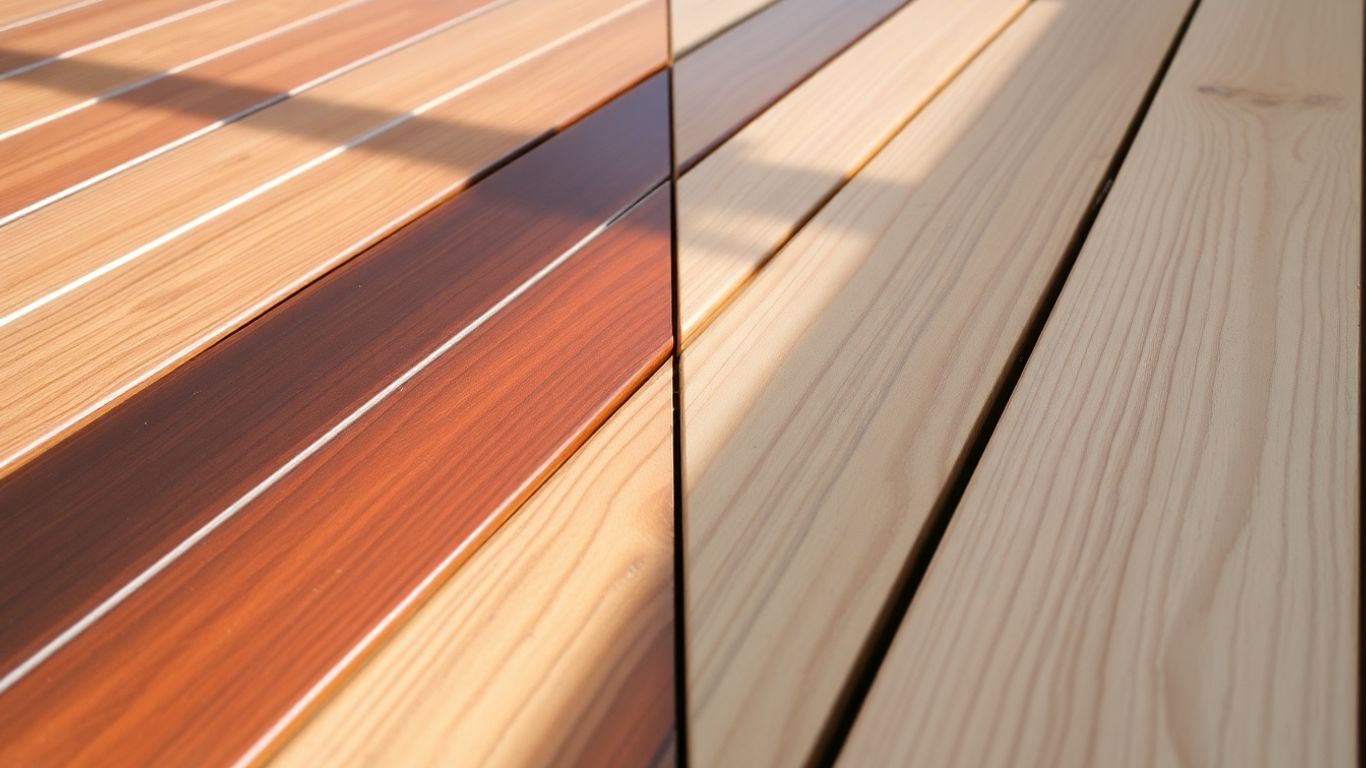
So, you've got a deck, and it's looking a little tired. Maybe it's faded, maybe it's just seen better days. The big question is, what do you put on it? Paint or stain? It sounds simple, but honestly, there are a lot of choices out there. Picking the right paint or stain for your deck’s wood type is more than just picking a color; it's about making sure it lasts, looks good, and actually protects your wood. We're going to break down what you need to know to get this done right, without all the confusing jargon.
Key Takeaways
- Figure out your deck's current condition – is it new and pretty, or old and beat up? This really changes what finish will work best.
- Think about the wood itself. Different woods take finishes differently and look better with certain types of protection.
- Decide if you want to see the wood grain (stain) or cover it up completely (paint or solid stain).
- Consider your local weather. Lots of sun or rain means you'll need something with good protection against UV rays and moisture.
- Don't forget about upkeep. Some finishes need more attention than others, so pick one that fits how much time you want to spend on maintenance.
Understanding Your Deck Finish Options
So, you've got a deck, and it's looking a little tired, or maybe you're building a new one and want to get the finish right from the start. Picking the right stuff to put on your deck wood is a pretty big deal. It's not just about making it look good, though that's part of it. It's also about protecting it from rain, sun, and all the foot traffic it's going to get. Let's break down what's out there.
Navigating the Sea of Deck Paint and Stain Choices
Walking into the paint aisle can feel like a maze, right? You've got paints, stains, sealers, and all sorts of other cans promising to make your deck look amazing. But what's the real difference? Basically, stains soak into the wood, letting you see the natural grain, while paints sit on top, creating a solid color layer. Choosing between paint and stain really comes down to the look you want and how much of the wood's natural character you want to show off.
Oil-Based Versus Water-Based Paints
When you're looking at paints, you'll see two main types: oil-based and water-based. They both do the job, but they do it differently.
- Oil-Based: These tend to be really tough and durable. They soak into the wood a bit more, giving a rich look. The downside is they take longer to dry, and cleanup means using mineral spirits, which isn't the most fun. They're great for high-traffic areas where you need something super strong.
- Water-Based: These are usually easier to work with. They dry faster, and you can clean up with just soap and water. Plus, they're generally better for the environment because they have fewer of those smelly chemicals. They're a good all-around choice for most decks.
The Transformative Power of Deck Paint
Deck paint is like giving your deck a whole new outfit. It covers up any imperfections, like old stains or minor damage, and gives you a uniform, solid color. You can go with classic wood tones, bold colors, or anything in between. It offers a thick layer of protection against the weather. If you want a completely new look or need to hide some wear and tear, paint is a solid option. It's also pretty good at resisting fading if you pick a quality product.
The Natural Appeal of Deck Stains
If you love the look of natural wood, stains are probably more your speed. They add color but let the wood grain and texture show through. It's like giving your deck a tinted coat of armor.
- Transparent Stains: These add a hint of color and UV protection without hiding the wood's natural beauty. They're great if your wood is already looking good and you just want to add a little something extra.
- Semi-Transparent Stains: These offer more color than transparent ones but still allow the wood grain to peek through. They're a popular choice because they give you a nice balance of color and natural wood look.
- Solid Stains: These are the most opaque type of stain. They look a lot like paint, covering the wood grain almost completely. They offer excellent protection and a uniform color, similar to paint, but often have a more matte finish.
Assessing Your Deck's Needs
Before you even think about picking out a color or a fancy finish, you gotta take a good, hard look at your deck. It's not just about what looks good; it's about what your deck actually needs to stay looking good and last a long time. Think of it like a doctor's visit for your outdoor space.
Evaluating the Deck's Current Condition
First things first, let's see what we're working with. Is your deck looking a little rough around the edges, or is it pretty solid? You'll want to check for:
- Cracks and Splinters: Little cracks can turn into big problems, and splinters are just annoying. If you see a lot of these, you might need to do some repairs before you can even think about painting or staining.
- Rot or Soft Spots: Give the wood a poke, especially near the ground or in damp areas. If it feels soft or crumbly, that's rot, and it needs to be dealt with. You might have to replace boards.
- Loose Boards or Railings: Anything wobbly is a safety hazard. Fix it up before you put a finish on it.
- Old Finish: Is there peeling paint or flaking stain? You'll need to get rid of that old stuff for the new finish to stick properly.
If your deck has seen better days, with lots of wear and tear, a solid stain or paint will likely do a better job of covering up imperfections and giving it a fresh, uniform look. For decks in great shape, you have more flexibility to show off the natural wood.
Considering the Wood Type and Its Characteristics
Not all wood is created equal, and knowing what you're working with makes a difference. Some woods, like cedar or redwood, have a beautiful natural color and grain that many people want to show off. For these, a clear or semi-transparent stain is often the way to go. Other types, like pressure-treated pine, might have a more uniform, less exciting look, making them great candidates for a solid stain or paint that gives them a whole new personality.
Determining Your Aesthetic Preferences
So, what's the vibe you're going for? Do you want that rustic, natural wood look where you can still see the grain and knots? Or are you dreaming of a bold, solid color that makes your deck pop and maybe even matches your house trim? Your personal style plays a big part here. Think about the overall look of your home and yard. Do you want the deck to blend in or stand out? This is where you decide if you're leaning more towards the subtle beauty of a stain or the dramatic transformation a good paint can provide.
Choosing the Right Stain Opacity
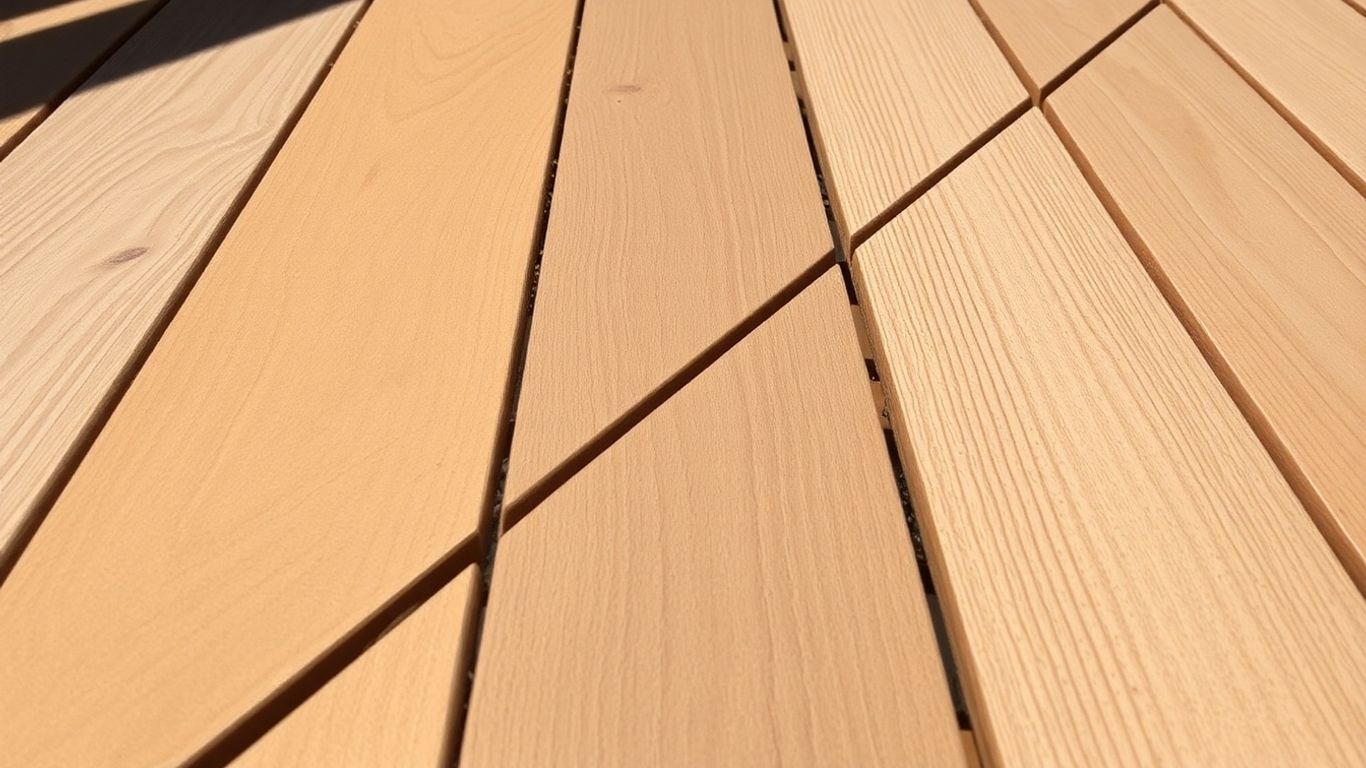
When you're picking out a deck stain, one of the biggest decisions you'll make is about its opacity. This basically means how much of the wood's natural look the stain will let through. It's not just about color; it affects how much protection you get and how the deck will look over time.
Transparent Stains: Showcasing Natural Beauty
Transparent stains are like a clear coat for your deck, but with a hint of color. They let the wood grain and texture really shine. If you have beautiful new wood or a deck that's in great shape, this is a good way to go. It adds a little something extra without covering up what makes the wood special. However, they don't offer as much protection against things like UV rays and moisture, so you'll likely need to reapply them more often. Think of it as a light sunscreen for your deck.
Semi-Transparent Stains: A Balance of Color and Grain
These stains are a popular middle ground. They give your deck a noticeable color, but you can still see the wood grain underneath. It's a nice way to add some personality to your deck while still appreciating the wood's natural character. Semi-transparent stains offer better protection than transparent ones, helping to shield the wood from the sun and rain a bit more effectively. They tend to last longer too, meaning less frequent touch-ups. This is a solid choice if you want some color but don't want to completely hide the wood.
Solid Stains: Opaque Coverage and Protection
Solid stains are the most opaque option, meaning they cover the wood grain almost completely, much like paint. If your deck has seen better days, with some imperfections or old, worn-out finishes, a solid stain can give it a completely new look. It provides the highest level of protection against the elements, including strong UV rays and moisture. Because they cover so much, they can make an older deck look brand new. Just remember, since it's so opaque, it's a bigger commitment, and prepping the deck properly is super important before you start. You can find a wide variety of colors in solid stains, giving you a lot of freedom to match your home's style.
Choosing the right opacity is a balancing act. You're weighing how much of the wood's natural beauty you want to see against the level of protection and color you desire. Consider the age and condition of your deck, as well as how much time you're willing to spend on maintenance each year. A solid stain might be best for an older deck needing a refresh, while a transparent stain could be perfect for a newer one you want to keep looking natural.
Here's a quick look at how they stack up:
- Transparent: Best for showing off natural wood, minimal color, needs frequent reapplication.
- Semi-Transparent: Good balance of color and wood grain visibility, offers moderate protection.
- Solid: Opaque color, hides imperfections, provides maximum protection, looks like paint.
When you're looking at different products, pay attention to what the manufacturer says about UV protection and moisture resistance. For example, if you live somewhere with harsh sun, UV protection is a big deal. Making the right choice now means your deck will look good and last longer.
Key Factors for Selecting Deck Finishes
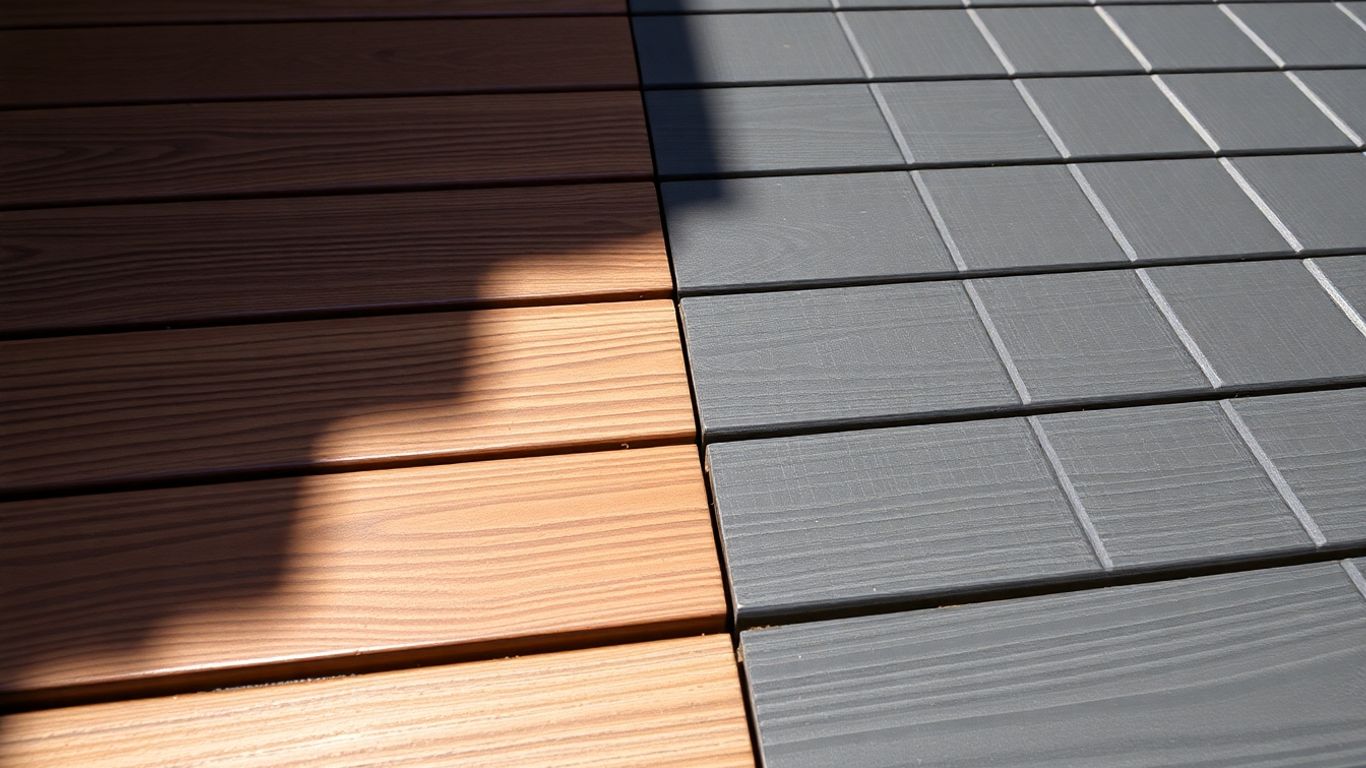
Picking the right stuff for your deck isn't just about making it look pretty. It's also about making sure it lasts and can handle whatever the weather throws at it. You've got a few big things to think about before you grab that can of paint or stain.
Environmental Durability and Climate Considerations
Your deck lives outside, so it has to deal with sun, rain, snow, and temperature swings. If you live somewhere with really harsh winters or super hot summers, you'll need a finish that can take a beating. Look for products that specifically mention UV protection and moisture resistance. These are the guys that will help stop your wood from drying out, cracking, or getting moldy. Some finishes are better than others at handling extreme temps, so check the labels. For areas that get a lot of sun, a finish with good UV blockers is a must to prevent fading and wood damage.
Maintenance Requirements and Longevity
How much time do you actually want to spend on your deck each year? Be honest! Some finishes, like transparent stains, fade gradually and can be touched up pretty easily. Others, like solid stains or paint, might look great for a while but could need more work down the line to keep them looking fresh. If you're looking for something that's mostly 'set it and forget it,' you might lean towards certain types of finishes, but remember, nothing lasts forever without some care. A good quality finish, applied correctly, will generally last longer, saving you hassle and money in the long run.
Here's a quick rundown:
- Transparent Stains: Easiest to maintain, fade naturally, simple touch-ups.
- Semi-Transparent Stains: Offer a bit more color and protection, may need recoating every few years.
- Solid Stains & Paints: Offer the most protection and hide imperfections, but can peel or chip, requiring more prep for recoating.
UV Protection and Moisture Resistance
These two go hand-in-hand with climate. The sun's rays can really break down wood over time, making it look gray and brittle. A finish with good UV inhibitors acts like sunscreen for your deck. Moisture is another big enemy. If water soaks into the wood, it can lead to rot, mold, and mildew. A good finish will repel water, keeping your deck drier and healthier. Some products are specifically designed to be water-repellent, which is a big plus, especially if your deck is prone to puddles or sits in a damp area.
When choosing a finish, think about what your deck goes through daily. Is it under a covered porch, or is it fully exposed to the elements? Does it get a lot of foot traffic from kids and pets? Answering these questions will help you pick a finish that not only looks good but also stands up to the test of time and use.
Preparing and Applying Your Chosen Finish
Alright, so you've picked out the perfect paint or stain for your deck. Awesome! But before you start slathering it on, there are a couple of important steps to get through. Think of it like prepping a canvas before you paint – you wouldn't just start without cleaning it, right? Your deck deserves the same attention.
Essential Deck Preparation Steps
This is where the real magic happens, or at least, where you set the stage for a finish that actually lasts. Skipping these steps is like building a house on sand; it's just not going to end well.
- Clean it up: First things first, get rid of all the gunk. Sweep away leaves, dirt, and anything else that's decided to call your deck home. Then, give it a good wash. You can use a deck cleaner or even just some mild soap and water. Make sure to rinse it all off really well. If you've got mold or mildew, a specific cleaner for that might be in order.
- Sand it down: If your deck feels rough, or if there's old, peeling paint or stain, you'll want to sand it. This smooths out the surface and helps the new finish stick properly. For a really good job, you might need a belt sander, but for smaller areas or touch-ups, sandpaper works too. Just aim for a consistent feel.
- Make repairs: Got any loose boards, popped nails, or splintered wood? Now's the time to fix them. Replace any rotten wood. Hammer down any nails that are sticking up. A little bit of repair work now saves a lot of headaches later.
- Let it dry: This is super important. Your deck needs to be completely dry before you apply any finish. Give it at least 24 to 48 hours after washing, depending on the weather. Moisture trapped under the finish is a recipe for peeling and rot.
Techniques for Applying Paint or Stain
Now for the fun part – actually putting the color on! How you apply it can make a big difference in how it looks and how long it lasts.
- Brushing: This is great for getting the product deep into the wood grain, especially with stains. It takes a bit more time, but you get really good coverage and can work the product into any nooks and crannies. Use a good quality brush that won't shed bristles.
- Rolling: If you're painting, a roller can speed things up considerably. Use a roller with the right nap for your surface. Be careful not to press too hard, or you might get an uneven finish.
- Spraying: This is the fastest method for large areas, but it requires a bit more skill and definitely some masking to protect surrounding areas. You'll also need to back-brush or back-roll immediately after spraying to work the product into the wood and avoid lap marks.
No matter which method you choose, always work in the direction of the wood grain. Try to maintain a wet edge as you go, meaning you overlap your strokes slightly onto the still-wet area you just finished. This helps prevent those tell-tale lines where one section dried before the next was applied.
Ensuring Proper Adhesion and Even Coverage
Getting a finish to stick and look good all over is the goal. Here are a few pointers to help you nail it:
- Read the label: Seriously, every product is a little different. The manufacturer knows best how their product should be applied and how long it needs to dry between coats.
- Don't over-apply: It's tempting to slap on a thick coat, thinking it'll offer more protection. But too much product can actually prevent proper drying and lead to peeling. Thin, even coats are usually the way to go.
- Check the weather: Avoid applying finishes when it's too hot, too cold, or if rain is in the forecast. Extreme temperatures can affect drying and adhesion. Ideally, you want a few days of mild, dry weather.
- Multiple coats: Most projects will need at least two coats for good color and protection. Let the first coat dry completely according to the product's instructions before applying the second.
Color Selection and Harmonizing Your Deck
Picking the right color for your deck isn't just about what looks good to you; it's about making your outdoor space feel like a natural extension of your home. Think about the colors already present on your house – the siding, the trim, even the plants in your garden. You want everything to flow together, right? It’s like choosing an outfit; you want the pieces to match.
Choosing Deck Colors to Complement Your Home
When you're looking at paint chips or stain samples, try to visualize them against your house. If your home has warm, earthy tones, a deep brown or a muted green stain might look really nice. For a house with cooler colors, maybe a gray stain or a crisp white paint would be a better fit. Don't forget about the landscape! If you have a lot of vibrant flowers, a more neutral deck color will let them shine. On the other hand, if your yard is mostly green, a bolder deck color could add some personality.
Understanding Color Schemes for Outdoor Spaces
There are a few ways to think about color combinations that work well. Analogous colors are those that sit next to each other on a color wheel, like blue and green. Using these can create a really calm and relaxed vibe for your deck. Then there are triad colors, which are evenly spaced around the wheel, like red, yellow, and blue. These can add a lot of energy and fun, but you have to be careful not to make it too busy.
Here’s a quick rundown:
- Analogous: Colors next to each other on the color wheel (e.g., blue, blue-green, green). Creates a harmonious, peaceful feel.
- Complementary: Colors opposite each other on the color wheel (e.g., blue and orange). These create high contrast and can be very striking, but use them thoughtfully.
- Triadic: Three colors evenly spaced on the color wheel (e.g., red, yellow, blue). Offers balance and vibrancy.
Sometimes, the simplest approach is best. If you're unsure, sticking to colors that are already present in your home's exterior or natural surroundings is a safe bet for a cohesive look.
The Impact of Color on Deck Aesthetics
Color has a big effect on how a space feels. A dark color can make a deck feel cozy and intimate, but it can also absorb more heat on sunny days. Lighter colors tend to make a space feel more open and airy, and they stay cooler. If you're going for a natural wood look, the color of the stain will highlight the wood's grain and texture. If you choose paint, especially a solid color, you're essentially creating a new surface that hides the wood underneath. The goal is to pick a color that not only looks great but also fits the mood and function you want for your deck.
Picking the right colors and making them work together for your deck can really make a difference. It's not just about how it looks, but how it feels too. Think about the mood you want to create and what colors will best bring that to life. A well-chosen color scheme can make your outdoor space feel like a whole new room.
Wrapping It Up
So, picking the right finish for your deck really comes down to what you want it to look like and how much work you're willing to put in. Stains let that natural wood show through, which is nice if your wood looks good. Paints, though, they cover everything up and give you a totally different look, plus they're pretty tough. Think about your deck's current state, the colors of your house, and how often you want to be doing touch-ups. Get it right, and your deck will be a great spot for hanging out for years to come.
Frequently Asked Questions
What's the main difference between deck paint and deck stain?
Think of stain as a tinted sealer that soaks into the wood, letting the wood's natural look show through while adding some color and protection. Paint, on the other hand, sits on top of the wood like a blanket, giving it a solid color and covering up the wood grain completely. Paint usually offers tougher protection but can peel over time.
Should I use oil-based or water-based paint for my deck?
Oil-based paints stick around longer and offer great toughness, but they take more time to dry and cleanup is a bit messy. Water-based paints dry super fast, are easier to clean up with just soap and water, and are generally better for the environment. For decks, water-based options are often preferred because they are more flexible and less likely to crack.
When is it better to use a stain instead of paint?
You should choose a stain if you love the natural look of your wood deck and want to show off its grain and unique patterns. Stains come in different levels of see-throughness. Transparent stains add a hint of color and protection, while semi-transparent stains add more color but still let the wood grain peek through. Solid stains are like paint in that they cover the wood grain, but they are still designed to soak in a bit.
How does the type of wood affect my finish choice?
Different woods have different personalities! Softwoods like pine might need more protection, so a solid stain or paint could be best. Hardwoods like ipe are naturally tough and might look great with a transparent or semi-transparent stain that highlights their natural beauty. Always check what's recommended for your specific wood type.
What does 'UV protection' mean for deck finishes?
UV protection means the paint or stain has special ingredients that act like sunscreen for your deck. They help block the sun's harsh rays, which can fade the color and damage the wood over time. If your deck gets a lot of direct sun, choosing a finish with good UV protection is really important to keep it looking good longer.
How often will I need to reapply deck finish?
It really depends on the type of finish you use and how much your deck is exposed to the weather and foot traffic. Transparent stains might need touching up every year or two. Semi-transparent stains can last a bit longer, maybe 2-3 years. Solid stains and paints usually offer the longest protection, sometimes up to 3-5 years, but they might need more prep work when it's time to reapply.


Comments
Post a Comment