The Art of Wall Texturing: Mastering Modern Styles and Timeless Craftsmanship
You know, sometimes a room just feels... flat. Like it's missing something, even if it's got all the right furniture and colors. That's often where texture comes in, and honestly, it's a game-changer. We're talking about going beyond just slapping on some paint. It’s about giving your walls a bit of personality, a sense of depth that really makes a space feel finished and interesting. Whether you're into that super modern look or prefer something with a bit more history, there are tons of ways to play with textures. This article is all about exploring those options, from fancy plasters to cool wallpapers, and how to use them to make your home feel truly special. It's about blending new ideas with old-school skills to create something that looks great and feels even better.
Key Takeaways
- Walls are more than just barriers; they're a chance to add character and depth to a room with different finishes.
- Using textured materials like special plasters or certain wallpapers can make a space feel more inviting and luxurious.
- Think about how light interacts with your walls – textured surfaces catch light in interesting ways, adding movement.
- Combining different textures, from smooth to rough, in your walls, furniture, and decor creates a more balanced and interesting feel.
- Focusing on craftsmanship, whether modern or timeless, gives your home a unique story and a sense of lasting quality.
Embracing The Art Of Wall Texturing
Beyond Paint and Plaster
Flat walls are a missed opportunity in interior design, especially when aiming for a high-end feel. Think of your walls and ceilings not just as surfaces to cover, but as canvases for architectural artistry. Texture adds a whole new dimension that simple paint can't touch. It's about bringing life and character into a space, making it feel more considered and luxurious. We're talking about finishes that catch the light, add depth, and create a sense of permanence.
The Soul of a Space
Walls do more than just divide rooms; they really set the mood. A smooth, plain wall might just fade into the background, but a textured surface speaks volumes about craftsmanship and intention. It tells a story. The walls in your home are the backdrop for everything – conversations, quiet moments, and gatherings. They contribute to the overall feeling and identity of the space.
Texture is what transforms a room from just looking good to feeling truly special. It's the difference between a space you pass through and one that makes you want to pause and take it all in.
Why Texture Matters in High-End Interiors
In luxury design, texture is what really makes a difference. It's the sensory richness that creates comfort and elegance. Think about how different materials feel to the touch – a cool, smooth plaster versus a softly textured matte finish. These tactile details are what make a space feel genuinely luxurious and memorable. It's about designing for how a space makes you feel, creating a lasting impression rather than just following a fleeting trend. Choosing artisan finishes means you're building a legacy, creating a home where people remember the warmth and the artistry in every surface.
Mastering Modern Styles With Tactile Finishes
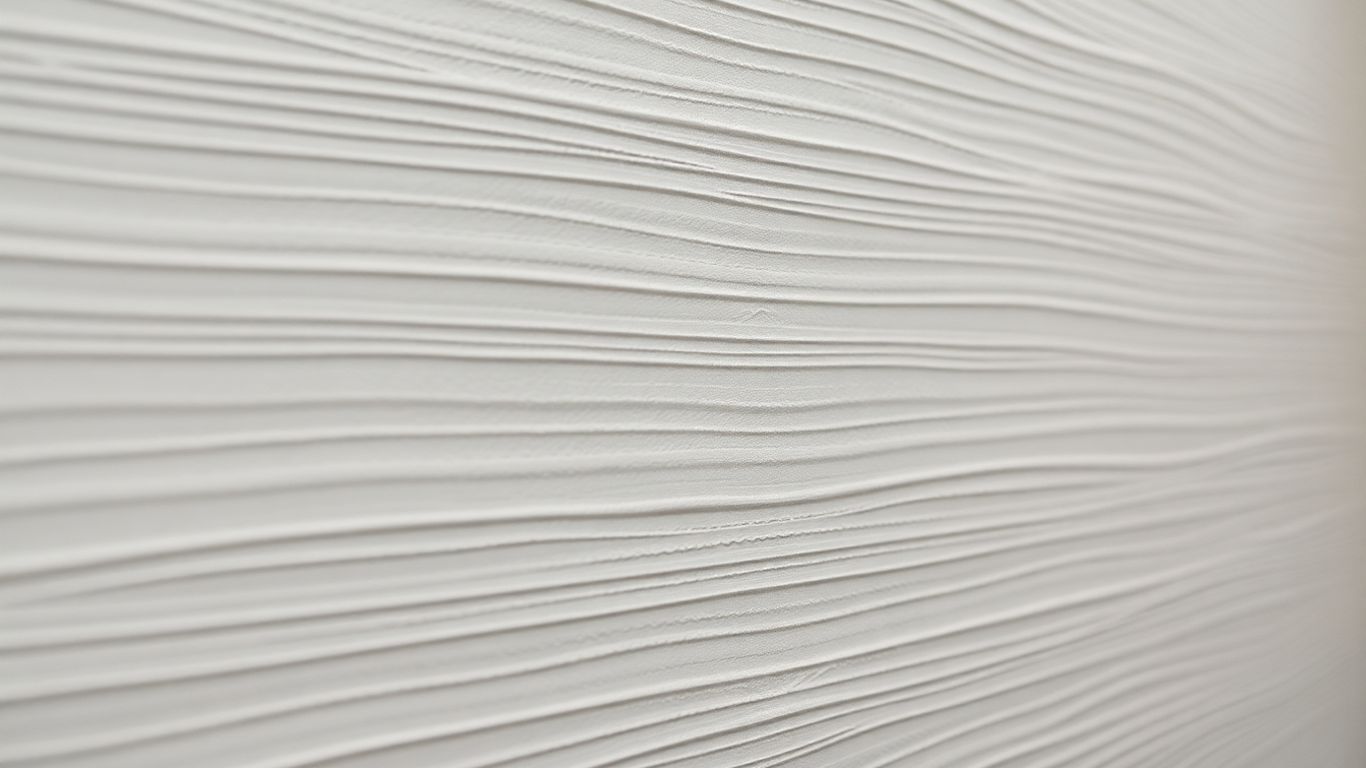
Forget boring, flat walls. In today's design world, walls are a chance to really make a statement, adding depth and interest that paint alone just can't achieve. It's all about bringing in materials that you can actually feel, making a space feel more lived-in and sophisticated.
Play With Materials
Think beyond just drywall. Using different materials can completely change the vibe of a room. It’s about creating a sensory experience, not just something to look at. Consider these options:
- Textured Wallpaper: Grasscloth offers a natural, organic feel, while silk can add a subtle sheen and luxury. Metallic wallpapers catch the light beautifully, adding a modern sparkle.
- Wood Paneling: From sleek, modern slats to rustic reclaimed wood, this adds warmth and architectural detail. It can define a space or add a cozy element.
- Stone or Brick Veneer: For a more dramatic effect, consider thin veneers of natural stone or brick. They bring an industrial or earthy feel, depending on the type.
- Plaster Finishes: Beyond smooth plaster, explore finishes with a bit more grit or subtle texture. These can add a handmade, artisanal quality.
Experiment With Colour
Texture and color work hand-in-hand. A deep, matte color can make a textured surface feel even richer, while a lighter shade can highlight the subtle details. Don't be afraid to mix and match. A bold color on a textured wall can be a real focal point, or you can use a more muted tone to create a calming, enveloping atmosphere. The interplay between the color and the texture is what makes it interesting.
The right combination of color and texture can make a room feel both grounded and dynamic. It’s about creating a visual and tactile conversation within the space.
Add A Tactile Backdrop
Your walls should feel inviting. This means choosing finishes that add a layer of comfort and interest. It’s about creating a space that feels good to be in, not just one that looks good from afar. Think about how different textures feel to the touch – smooth, rough, soft, cool. These qualities contribute to the overall mood of the room. A wall that has a subtle texture can make even a simple room feel more complete and thoughtfully designed. It’s the details that often make the biggest difference in how a space is perceived and experienced.
Showcasing Timeless Craftsmanship
In a world that often rushes towards the next big thing, there's a special kind of beauty in slowing down and appreciating things made with care and skill. This is especially true for our homes. When we talk about timeless craftsmanship in wall finishes, we're really talking about pieces that feel like they have a story to tell. It’s about embracing the imperfections that make something unique, the kind of character you just can't get from something churned out by a machine.
Celebrate The Handmade
At the heart of this approach is a deep respect for the human touch. Think about a hand-thrown ceramic bowl versus one made in a factory. The bowl made by hand has a certain soul to it, right? The same applies to walls. When a surface is finished by hand, whether it's with plaster, a unique paint technique, or even a carefully applied textured wallpaper, you can see and feel the maker's effort. This isn't about following a trend; it's about choosing pieces that have integrity and longevity. It’s about welcoming individuality into your space, creating a home that feels personal and lived-in, not just decorated.
The Legacy Of Artisanal Walls
Artisanal walls have a history that stretches back centuries. From the grand villas of Italy to the stately homes of Europe, skilled artisans have always been responsible for creating surfaces that are as beautiful as they are durable. These aren't just walls; they are canvases that have witnessed generations. Techniques like fluted plaster or the subtle variations in Venetian plaster are passed down, refined over time. They offer a sense of permanence and a connection to the past that modern, mass-produced materials often lack. Choosing these finishes means you're not just decorating; you're becoming part of that ongoing story.
Designing For Memory, Not Just Style
Ultimately, a home is remembered by how it makes you feel. When you choose finishes that showcase craftsmanship, you're creating an atmosphere that lingers. It's the subtle texture that catches the light just so, the slight variation in color that adds depth, or the smooth, cool feel of a hand-troweled plaster. These sensory details contribute to a feeling of comfort and elegance. They transform a house into a sanctuary, a place where memories are made and cherished. It’s about creating a space that feels deeply personal and will continue to be admired for years to come, long after fleeting styles have faded.
The Nuances Of Venetian Plaster
When we talk about wall finishes that really make a statement, Venetian plaster has to be near the top of the list. It’s not just paint; it’s a whole different ballgame. This technique has been around for ages, originally gracing the walls of fancy Italian palaces, and honestly, it still feels just as luxurious today. It’s that kind of timeless quality that makes it so special for high-end interiors. It’s a way to bring a piece of history into a modern home, giving it a depth and character that’s hard to replicate.
What Makes Venetian Plaster Truly Artistic
What sets Venetian plaster apart is that it’s all about the hand of the artisan. Unlike wallpaper that’s printed in a factory or paint applied in a single coat, Venetian plaster is built up in layers, troweled on by skilled hands. Each stroke, each subtle variation, is part of the art. This isn't a mass-produced finish; it's a unique creation for your wall. Because it’s applied on-site, the plaster can respond to the specific light and architecture of the room, making every application truly one-of-a-kind. It’s a process that respects tradition while creating something entirely new for your space. You can find some amazing examples of this artistry when you look at European plaster mastery.
The Layered Process That Creates Movement And Light
The magic of Venetian plaster really comes from its layered application. Artisans apply multiple thin coats, often using a special lime-based material. As each layer dries, it’s burnished and polished. This process creates a surface that isn't flat or static. Instead, it has a natural movement and depth. Light plays across the surface in fascinating ways, changing throughout the day. In the morning, it might look soft and subtle, but by sunset, it can catch the light and seem to glow. This interplay with light gives the walls a dynamic quality that flat finishes just can't match.
Here’s a simplified look at the general process:
- Preparation: The wall surface needs to be clean, dry, and smooth.
- Base Coat: The first layer of plaster is applied, often thicker, to create a foundation.
- Subsequent Layers: Multiple thin coats are added, each one burnished and polished.
- Final Burnishing: The final layer is intensely polished to achieve the characteristic sheen.
The beauty of Venetian plaster lies in its ability to mimic natural stone, offering a sophisticated, tactile finish that feels both ancient and contemporary. Its subtle variations and depth make walls appear alive, reacting to the changing light.
Fluted Plaster: A Sculptural Statement
Fluted plaster is a more recent trend that takes inspiration from classical architecture, like the columns of ancient Greece and Rome. Think of those elegant vertical grooves that add rhythm and structure. When you apply this to walls using Venetian plaster or similar materials like micro-cement, you get a finish that’s both architectural and soft. It adds a strong visual element without being overwhelming. It’s a way to bring a sense of refined detail and sculptural quality into a room. This technique is particularly popular now, blending the old-world charm of plaster with modern design sensibilities. It’s a fantastic way to add texture and visual interest, making a wall feel less like a backdrop and more like a piece of art.
Elevating Interiors With Textured Wall Coverings
Flat walls can feel a bit… well, flat, right? In high-end design, we're always looking for ways to add depth and character, and textured wall coverings are a fantastic way to do just that. They turn a simple surface into a focal point, bringing warmth and a tactile quality that paint alone just can't match. Think of it as giving your walls a personality.
Textured Wallpaper: Grasscloth, Silk, And Beyond
Wallpaper has come a long way from the busy patterns of the past. Today, it's all about the material. Grasscloth, for instance, brings a natural, organic feel with its woven texture. It adds a subtle dimension that's really pleasing to the eye. Then there's silk wallpaper, which offers a luxurious sheen and a smooth, elegant finish. Metallic wallpapers can also catch the light beautifully, adding a touch of glamour. These aren't just about color; they're about the feel and how they interact with light. Choosing the right textured wallpaper can completely change the atmosphere of a room.
Using Upholstery Fabrics As Wall Coverings
This is a more bespoke approach, but wow, does it make a statement. Imagine covering a wall in a rich velvet or a textured linen. It's like wrapping your room in a luxurious textile. Many skilled craftspeople can now apply upholstery fabrics directly to walls, creating a soft, irregular surface that feels incredibly inviting. It’s a way to bring the comfort and visual interest of furniture textiles right onto your walls, adding a unique layer of sophistication. It’s a bit like getting a custom suit, but for your house.
Creating Walls That Hold Light
This is where texture really shines. Instead of walls that just bounce light around, textured surfaces absorb and reflect it in more interesting ways. Think about how light plays on a rough plaster finish versus a smooth painted wall. Textured wallpapers, like those made from natural fibers, or even carefully applied plaster finishes, can create subtle shadows and highlights. This movement makes the walls feel alive and adds a dynamic quality to the room throughout the day. It’s about making the walls a more active part of the design, not just a passive background. You can explore various options to add depth, character, and style to your interiors.
Grounding The Space With Texture
Think about it: the floor is the first thing you really interact with when you enter a room. It sets the whole mood, doesn't it? It’s not just about what looks good, but what feels right underfoot and how it ties everything else together. We’re talking about creating a solid foundation, literally, for your design.
Natural Stone And Hardwood Foundations
When we talk about grounding a space, natural stone and hardwood floors immediately come to mind. They bring this incredible sense of permanence and warmth. Imagine walking on cool, smooth marble or the rich grain of wide-plank oak – it just feels substantial. These aren't just surfaces; they're the bedrock of a room's character. Choosing between them often comes down to the vibe you're going for. Stone, like travertine or limestone, offers a timeless sophistication that can feel both grand and grounded. Hardwood, especially something like European oak, brings an organic warmth and a story with its natural variations. It’s about picking the material that speaks to the overall modern artisan style you want to achieve.
Luxury Rugs For Softness And Definition
Now, even the most beautiful stone or wood floor can benefit from a rug. It’s like adding a soft hug to the room. Rugs do more than just add comfort, though. They’re fantastic for breaking up large spaces or defining different zones within an open-plan layout. Think about a hand-knotted rug layered over a sleek stone floor – it adds a layer of plushness and visual interest that’s hard to beat. It’s a simple way to introduce another texture and colour, making the space feel more layered and inviting.
Mixing Materials For Harmony
This is where things get really interesting. It’s not just about the floor and rugs, but how everything else plays together. We often look at mixing materials to create a sense of balance. For instance, pairing a smooth, perhaps polished metal coffee table with a soft, textured sofa like bouclé. Or maybe a rustic, hand-carved wooden dining table softened by upholstered chairs. Even lighting can play a role – think about how glass or crystal fixtures interact with matte finishes on hardware. The trick is to be intentional about it. Every material choice should feel like it belongs, contributing to the room's overall story without clashing. It’s about finding that sweet spot where different textures complement each other, creating a space that feels both dynamic and cohesive.
The goal is to create a sensory experience. It’s about how materials feel to the touch, how they interact with light, and how they contribute to the overall atmosphere of the room. When done right, the mix of textures feels natural and lived-in, not forced.
Accessories & Styling: The Final Layer Of Texture
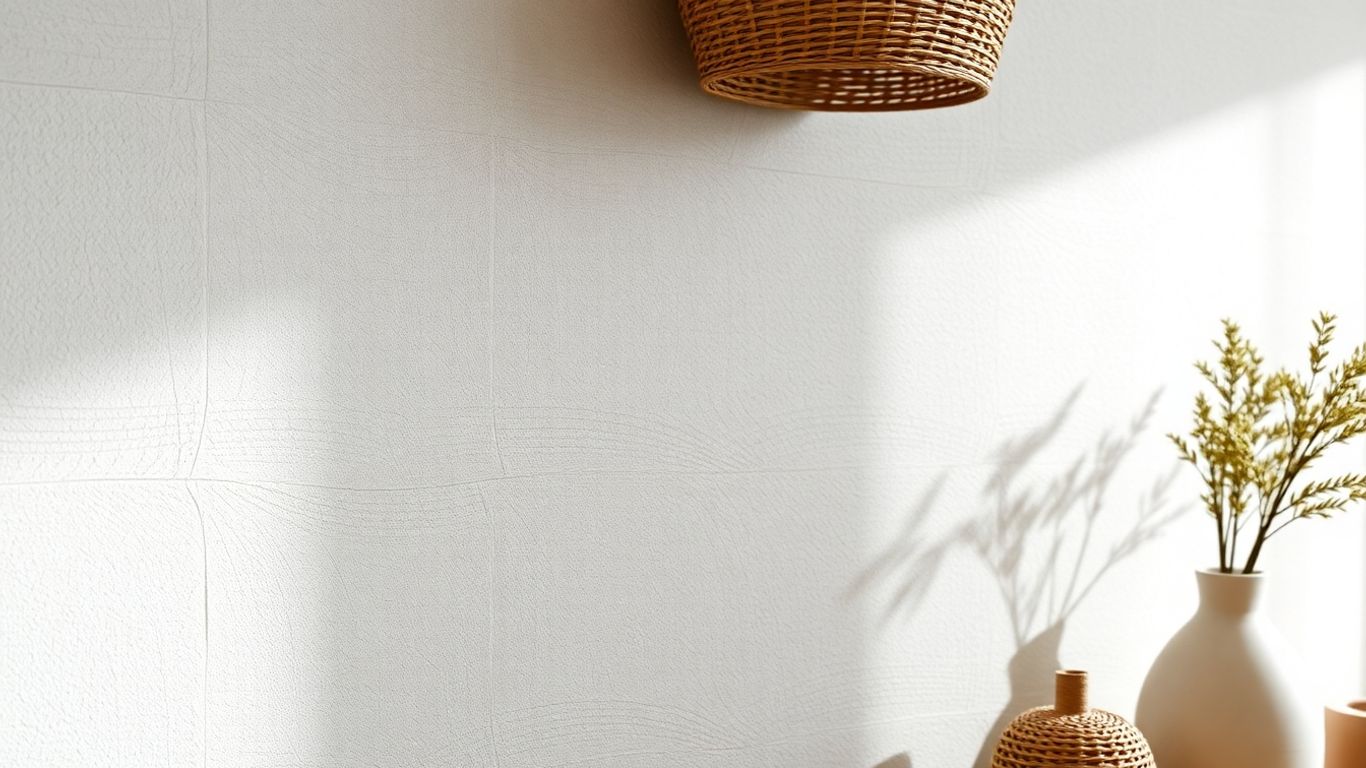
So, you’ve got your walls looking amazing, maybe with some cool plaster or a textured wallpaper. That’s a huge step, but we’re not quite done yet. Think of accessories and styling as the jewelry for your room. They’re the little things that really pull everything together and make a space feel finished and lived-in. It’s all about adding those final touches that invite you to relax and enjoy the room.
Throws And Pillows For Cozy Sophistication
This is probably the easiest way to add texture. You can swap out your throw pillows and blankets seasonally, or just whenever you feel like a change. Imagine sinking into a sofa with a chunky knit throw draped over it, or a pile of plush velvet pillows. It instantly makes the space feel warmer and more inviting. Don't be afraid to mix different textures here – maybe a smooth silk pillow next to a rougher linen one. It adds visual interest without being overwhelming.
- Cashmere or Alpaca Throws: For that ultimate soft, luxurious feel. Perfect for a chilly evening.
- Velvet Pillows: Adds a touch of drama and richness.
- Linen or Cotton Covers: Great for a more casual, breathable texture.
- Faux Fur Accents: Brings a playful, cozy vibe.
Art, Sculptures, And Natural Elements
Beyond soft textiles, think about adding items that have their own texture and form. A piece of art with a thick, impasto paint application can add a whole new dimension to a wall. Sculptures, whether they're made of metal, wood, or ceramic, bring a three-dimensional quality to your surfaces. Even simple things like a beautifully carved wooden bowl on a coffee table or a woven basket can add that handmade, tactile feel. These elements break up smooth surfaces and add character.
The goal here is to introduce items that have a physical presence, something that draws the eye and invites a closer look. It’s about creating little moments of interest throughout the room.
Candles & Lighting For Enhanced Ambiance
Lighting is huge, and the fixtures themselves can be textural. Think about lamps with ceramic bases, woven shades, or metal details. And then there are candles. The wax itself has a texture, and when you place them in holders made of rough stone, hammered metal, or frosted glass, you’re adding another layer. The way light plays off these different surfaces is magical. Soft, warm light is key to making any textured space feel cozy and welcoming. It’s the final polish that makes everything else shine.
- Textured Candle Holders: Consider materials like concrete, rough-hewn wood, or hammered metals. Wall texture designs can really complement these details.
- Dimmers: Always a good idea for controlling the mood.
- Layered Lighting: Combine overhead, task, and accent lighting to create depth.
Don't forget the little things that make a big difference! Adding the right accessories and styling touches can totally change the feel of a room. Think about textures and colors that complete your look. Ready to find those perfect finishing touches? Visit our website today to explore our collection and give your space that extra sparkle!
Bringing It All Together
So, we've talked a lot about making walls look good, right? From fancy plasters to cool wallpapers and even just mixing up fabrics. It’s not just about slapping something on the wall; it’s about giving a room a certain feel. When you get the textures right, a space just feels more… real. It’s like adding the final touches that make a house feel like a home, a place that’s got character and tells a story. It’s about making something that looks good now, but will still look good years down the line. It’s a bit of an art, for sure, but totally doable.
Frequently Asked Questions
What exactly is wall texturing?
Wall texturing is like giving your walls a special finish that’s more interesting than just flat paint. Think of it as adding a unique feel or pattern to the surface, making it look and feel more special, almost like a piece of art.
Why is texture important in fancy homes?
In nice homes, texture makes things feel richer and more inviting. It’s not just about how things look, but how they feel to the touch. Special textures can make a room feel cozy and luxurious, catching the light in cool ways and making the space feel more alive.
What is Venetian plaster?
Venetian plaster is a cool wall finish made by mixing plaster with special stuff and then applying it in thin layers. It’s polished until it looks smooth and shiny, kind of like marble. It makes walls look deep and has a beautiful, natural movement to it.
Can I use wallpaper for texture?
Definitely! Wallpaper can be a great way to add texture. Things like grasscloth (made from plant fibers) or silk wallpaper give walls a natural, textured look that paint can't match. It adds a cozy, handmade feel to your room.
What’s the deal with ‘Modern Artisan’ style?
Modern Artisan style is all about celebrating things that are made by hand. It mixes modern design with old-fashioned craftsmanship. It means using materials that show they were made by people, like pottery with slight bumps or wood with visible grain, making your home feel unique and full of character.
How do I make my walls look textured without being too busy?
You can use textures that add depth without being overwhelming. Think about finishes like Venetian plaster that have a subtle shine, or wallpapers with natural textures like linen. Keeping the colors simple and natural, like soft grays or beiges, can help the texture stand out beautifully without making the room feel cluttered.


Comments
Post a Comment