Hidden Signs Your Home Needs Interior or Exterior Painting Contractors Right Away: Don't Wait!
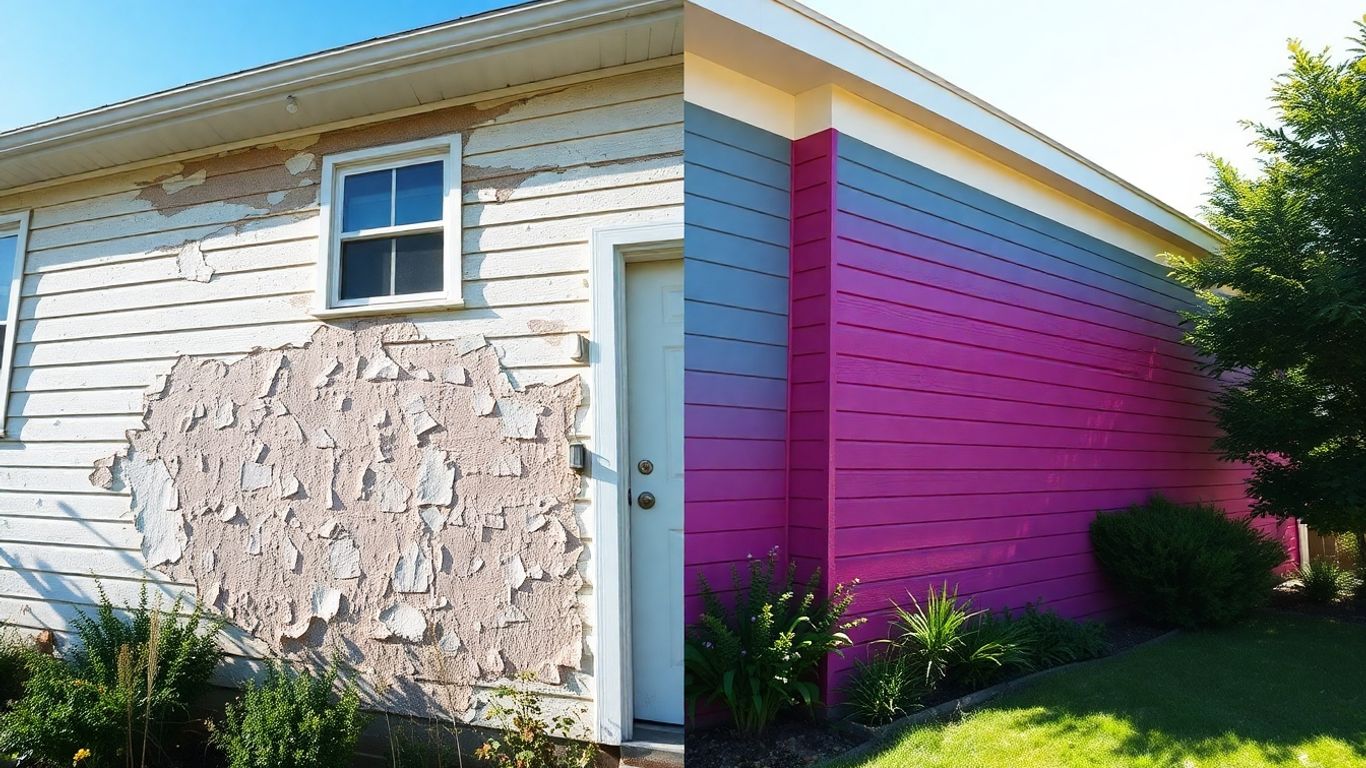
You might think your home's paint job is holding up just fine, but sometimes the signs that it's time for a refresh are pretty subtle. Ignoring these clues, whether inside or out, could lead to bigger issues down the road. We're talking about things like faded colors that are hard to notice at first, or tiny cracks that seem harmless. This article will help you spot the Hidden Signs Your Home Needs Interior or Exterior Painting Contractors Right Away: Don't Wait!, so you can get ahead of potential problems before they become expensive headaches.
Key Takeaways
- Faded or chalky paint surfaces are an early warning that your home's protective layer is weakening and needs attention.
- Cracks around windows and doors, along with peeling or bubbling paint, indicate that moisture might be getting in, causing damage.
- Visible damage to wood or stucco, and the presence of mold, mildew, or stains, means the paint is no longer doing its job of protecting the structure.
- Regularly updating your home's color scheme not only boosts its appearance but can also increase its market value.
- Knowing when to call professional painting contractors ensures proper preparation, repairs, and a durable finish, saving you time and potential future costs.
Visible Signs Your Home Needs Exterior Painting
Sometimes, you don't need to be a detective to figure out if your house needs a paint job. The signs are right there, staring you in the face. Ignoring them is like ignoring a leaky faucet; it might seem small now, but it can lead to bigger, more expensive problems down the road. Your home's exterior is its first line of defense against everything Mother Nature throws at it, so keeping that defense strong is pretty important.
Faded or Chalky Paint Surfaces
Has the vibrant color of your house started to look a little… tired? If the paint seems dull, especially after a good wash, it's a sign the protective layer is breaking down. You might even notice a powdery residue, called chalking, when you rub your hand across the surface. This happens when the paint's binder degrades from sun exposure and weather. It means the paint isn't doing its job of protecting the material underneath anymore. This fading isn't just about looks; it's a signal that your siding is more exposed to sun damage and the elements.
Cracks Around Windows and Doors
Take a close look at the caulk and paint around your windows and doors. If you see little cracks or gaps forming, that's a red flag. These aren't just cosmetic issues. They're like tiny open doors for water to sneak into your home's structure. Rainwater getting behind the paint can lead to rot, mold, and serious damage to your wood or even your walls. It's a good idea to get these fixed before they become a bigger headache. You can find more information on how to spot these issues and what to do about them at exterior painting needs.
Visible Damage to Wood or Stucco
Paint does more than just make your house look pretty; it's a shield. When that shield starts to fail, you'll see the damage on the materials themselves. Look for areas where the wood might be starting to rot, especially around trim or eaves. Stucco can develop small fissures or even larger cracks. If you notice bubbling paint, that's often a sign of moisture trapped underneath, which can cause the material to deteriorate. These aren't things you want to leave unattended.
Mold, Mildew, and Stains on Walls
Greenish or blackish splotches on your walls? Those are usually signs of mold or mildew, and they thrive in damp conditions. While sometimes they can be scrubbed off, their presence often indicates that moisture is getting trapped against your home's surface because the paint isn't sealing it properly anymore. Persistent stains, even if they aren't mold, can also mean the paint has lost its protective qualities and is allowing dirt and grime to soak in. Addressing these issues promptly helps maintain not just the appearance but also the health of your home's exterior.
Ignoring these visible signs is like leaving your front door wide open to the elements. What starts as a minor cosmetic issue can quickly turn into a costly structural repair if not addressed. A fresh coat of paint is often the most effective way to prevent this.
Subtle Indicators Pointing to Interior Painting Needs
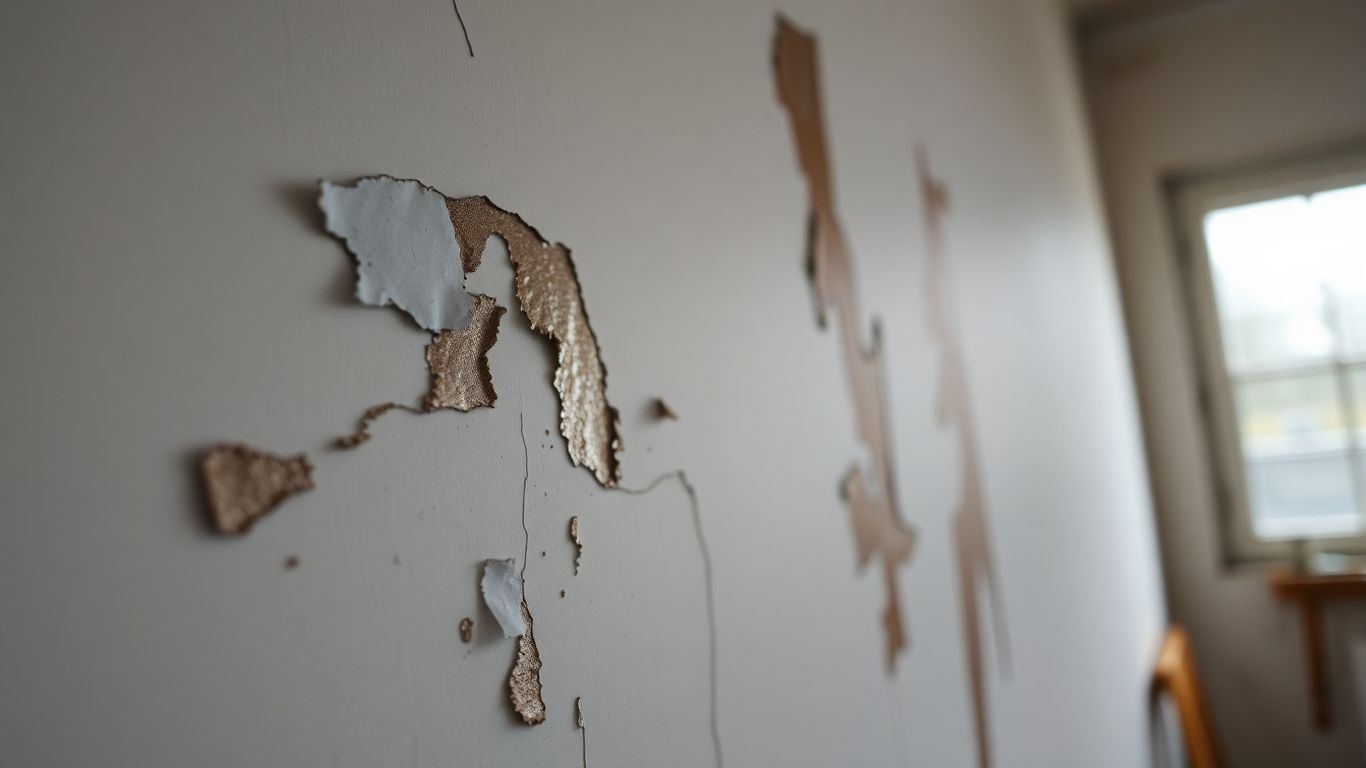
Sometimes, your home doesn't scream for a new coat of paint; it whispers. You might not see huge peeling sections or water damage, but there are smaller clues that suggest it's time to call in the pros. Ignoring these can lead to bigger issues down the road, so it's smart to pay attention.
Scuff Marks and Dings on Walls
Life happens, right? Kids play, furniture gets moved, and sometimes, things just bump into the walls. Over time, these little accidents add up. You'll start noticing faint scuff marks, especially in high-traffic areas like hallways, around light switches, and near doorways. These aren't just eyesores; they can indicate that the paint's protective layer is wearing thin. If you find yourself constantly trying to wipe away marks that won't budge, it's a sign the surface is becoming more porous and susceptible to dirt and damage. A fresh coat of paint can easily cover these imperfections and restore a clean look to your walls.
Peeling or Bubbling Paint
This is a bit more obvious than scuffs, but it can start small. You might see a tiny bubble forming in a corner or a small edge of paint lifting near a window frame. These aren't usually isolated incidents. Bubbling often happens when moisture gets trapped behind the paint, and peeling means the paint is losing its adhesion to the surface. This can be caused by humidity, leaks, or even just old paint that's reached the end of its lifespan. If you spot these issues, it's a clear signal that the paint isn't protecting the wall as it should. It's important to address this before it spreads and causes more significant damage to the drywall or plaster underneath. You can find more information on when your paint might be failing at home needs a fresh coat.
Outdated or Unattractive Color Schemes
Let's be honest, paint colors go in and out of style. That bold teal you loved in the early 2000s might feel a bit much now, or maybe the neutral beige you picked years ago just feels dull. While this is more about aesthetics, it significantly impacts how your home feels. A color scheme that no longer reflects your taste or the current vibe can make a space feel tired and uninviting. It's not just about trends; it's about creating a home environment that you enjoy being in. Sometimes, a simple color refresh can completely transform a room, making it feel brighter, more spacious, and more like you. Consider how the colors work together throughout your home; a cohesive palette can make a big difference.
Don't underestimate the psychological impact of color. The shades you choose for your interior walls can affect your mood, energy levels, and overall sense of well-being. If your current colors are making you feel blah, it's definitely time for a change.
When you're ready to update, think about what you want the room to feel like. Do you want a calm sanctuary? A vibrant space for entertaining? The right colors, applied by skilled professionals, can achieve just that. It's a chance to not only refresh your home's look but also to improve its atmosphere. If you're unsure about making these choices, a good painter can offer advice on popular and timeless color palettes that work well in different lighting conditions and room sizes.
Protecting Your Home's Structure With Fresh Paint
Think of your home's paint as its first line of defense. It's not just about making things look pretty; it's about keeping the actual structure of your house safe and sound. The outside of your home deals with a lot – sun, rain, wind, you name it. A good paint job acts like a shield, keeping all that weather from doing damage.
Preventing Water Intrusion and Damage
Water is a sneaky enemy when it comes to homes. When paint starts to crack, peel, or fade, it creates little openings for rain and moisture to seep in. This can lead to all sorts of problems, like wood rot, mold growth, and even damage to your insulation. A fresh, solid coat of paint seals up these entry points, keeping water out and your home dry.
- Seals cracks and gaps: Prevents water from getting behind siding and trim.
- Reduces mold and mildew: Keeps dampness at bay, which is where these things love to grow.
- Protects underlying materials: Stops moisture from reaching wood, drywall, or other structural components.
A well-maintained paint job is like giving your home a waterproof jacket. It might seem like a small thing, but it stops a lot of bigger, more expensive problems before they even start.
Extending The Life Of Your Siding And Trim
Your siding and trim are constantly exposed to the elements, especially harsh UV rays from the sun. Over time, these can break down the materials, making them brittle and prone to damage. Paint, especially modern exterior paints with UV protection, helps slow this process down. It keeps wood from warping or splitting and protects other materials from fading and cracking. Basically, a good paint job helps your siding and trim last much longer, saving you money on replacements down the road.
| Material | Lifespan (with good paint) | Lifespan (neglected) |
|---|---|---|
| Wood Siding | Up to 10 years | 3-4 years |
| Vinyl Siding | Extended protection | Can become brittle |
| Fiber Cement | Preserves finish | Susceptible to fade |
Addressing Insect Damage Early
Sometimes, the painting process itself can reveal hidden problems, like insect infestations. While scraping old paint or prepping surfaces, a good painter might spot signs of termites or carpenter ants. These could be tiny holes in the wood, frass (insect droppings), or wood that sounds hollow. Catching these issues early, before they cause major structural damage, is super important. A painter who knows what to look for can help you get ahead of these pests before they become a bigger headache.
The Importance of Timely Exterior Painting
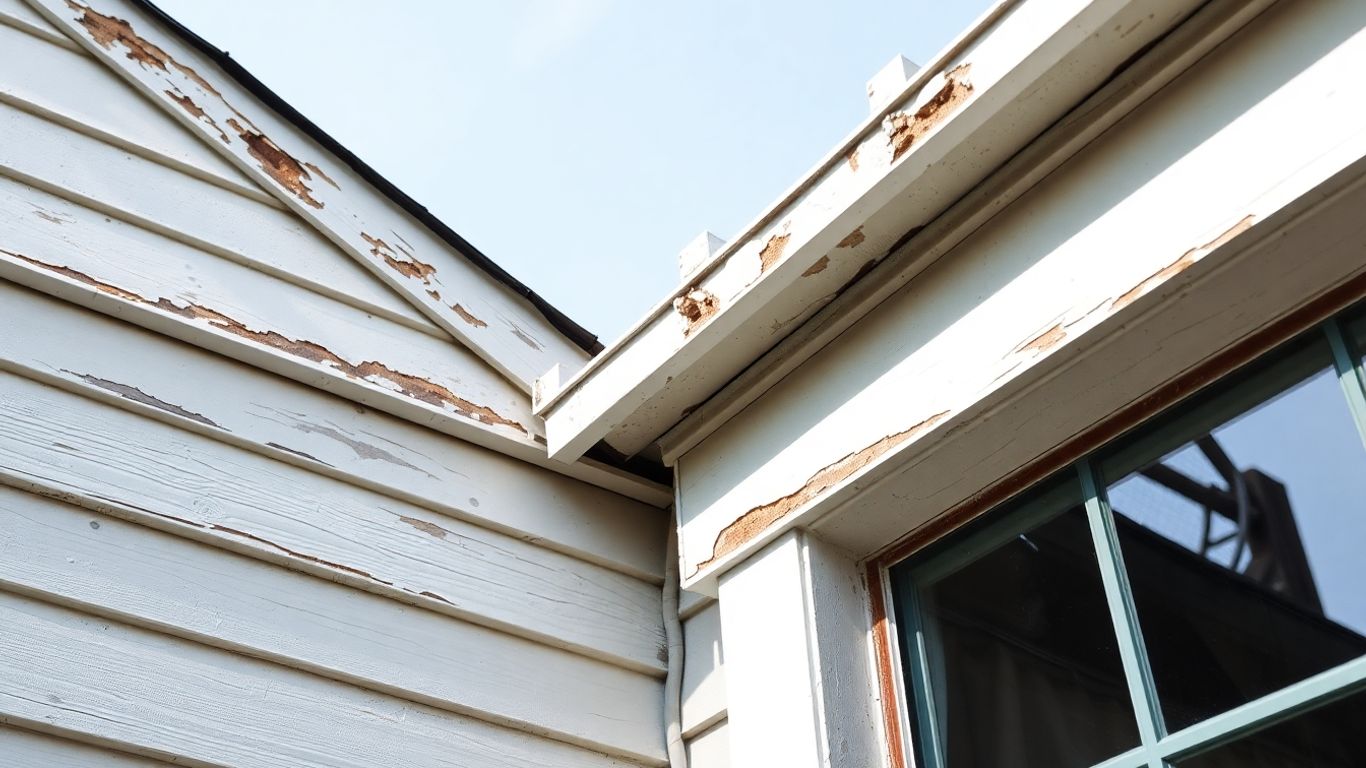
Think of your home's exterior paint as its protective skin. It's not just about looking good, though that's a big part of it. When you let that skin get worn out, you're leaving your house vulnerable to all sorts of problems. Getting it painted when it needs it is one of the smartest things you can do for your property.
Boosting Your Home's Curb Appeal
Let's be honest, the first thing anyone sees is the outside of your house. If it's looking faded, chipped, or just plain tired, it doesn't exactly make a great first impression. A fresh coat of paint can completely change how your home looks, making it stand out in the neighborhood. It's like giving your house a whole new personality, making it more inviting and attractive. A vibrant exterior can make your home feel brand new again.
Increasing Your Home's Value
This ties right into curb appeal. A home that looks well-maintained from the outside is generally worth more. Buyers notice these things, and a good paint job signals that the property has been cared for. Studies show that a good exterior paint job can add a noticeable percentage to your home's value, making it a really solid investment if you're thinking of selling, or even if you're just looking to protect your asset.
| Improvement Type | Estimated ROI |
|---|---|
| Exterior Painting | 51%-55% |
| Kitchen Remodel | 52%-81% |
| Bathroom Remodel | 45%-70% |
Improving Energy Efficiency
This might surprise some people, but paint can actually help with your home's energy use. Lighter colors reflect more sunlight, which can keep your home cooler in the summer. Some paints also have special reflective qualities that can reduce heat absorption. While it's not going to replace your insulation, it's a small step that can contribute to lower cooling bills. Plus, a well-sealed exterior from a good paint job helps prevent drafts, keeping your heated or cooled air inside where it belongs.
A properly maintained exterior paint job acts as a shield. It protects the underlying materials from sun damage, moisture, and temperature fluctuations. This barrier is key to preventing costly structural issues down the road.
Here are some ways timely painting helps:
- Protects Against the Elements: Rain, wind, snow, and harsh UV rays can all wear down your home's exterior over time. Paint creates a barrier that stops water from seeping in and protects surfaces from sun damage.
- Extends Material Lifespan: Whether you have wood siding, stucco, or vinyl, paint helps preserve it. For wood, it prevents rot and warping. For other materials, it guards against fading and cracking caused by sun exposure.
- Prevents Minor Issues from Becoming Major: Small cracks or peeling paint can let moisture in, leading to bigger problems like rot or mold. Addressing these during a painting project stops them before they get out of hand.
When To Call Professional Painting Contractors
Sometimes, you look at your house and think, "Yeah, I could probably tackle that paint job myself." And maybe for a small interior wall, that’s true. But when it comes to the whole exterior, or even a significant interior refresh, calling in the pros is often the smarter move. It’s not about admitting defeat; it’s about recognizing when a job needs a bit more know-how and the right tools.
Recognizing When DIY Isn't Enough
Let's be honest, DIY projects can be rewarding, but they can also turn into a real headache. If you're seeing more than just a few scuff marks, or if that peeling paint is spreading like wildfire, it might be time to step back. Complex repairs, like dealing with wood rot or significant stucco damage, are usually beyond the scope of a weekend warrior. Plus, working at heights on ladders or scaffolding can be genuinely dangerous if you're not trained. It’s also worth considering the time commitment. A full exterior paint job can take weeks for one person, time you might not have.
The Benefits of Hiring Skilled Painters
Professional painters bring a level of skill and efficiency that’s hard to match. They know how to properly prep surfaces, which is honestly half the battle. This means they're not just slapping paint on; they're making sure the surface is clean, smooth, and ready to accept the paint for a lasting finish. They have access to professional-grade equipment, like sprayers and high-quality brushes, that make the job go faster and look better. And let's not forget about the warranty – most reputable companies stand behind their work, giving you peace of mind.
Understanding Prep Work and Repairs
This is where professionals really shine. Before any paint hits the wall, they'll meticulously inspect for any needed repairs. This could include:
- Caulking: Sealing gaps around windows, doors, and trim to prevent water from getting in.
- Scraping and Sanding: Removing old, peeling paint and smoothing rough surfaces.
- Minor Wood Repair: Fixing small areas of rot or damage before they get worse.
- Priming: Applying a primer coat to ensure even color and better adhesion, especially over repaired areas or bare wood.
The difference between a DIY paint job and a professional one often comes down to the prep. Skipping or rushing these steps means the new paint won't last as long and might not look as good. Professionals understand that investing time in preparation is key to a beautiful, durable finish that protects your home.
Think about it this way: when you hire a painter, you're not just paying for the paint and labor. You're paying for their experience, their attention to detail, and the assurance that the job will be done right the first time, saving you potential headaches and costs down the road.
Thinking about painting your home? Sometimes, the job is too big or tricky to handle yourself. If you're facing a large project, need special tools, or just want a perfect finish, it's smart to call the pros. Our team at John Melendez Paint Company is ready to help. Visit our website today to learn more about our services and get a free quote!
Don't Wait to Protect Your Home
So, you've seen the signs – the fading paint, the little cracks, maybe even some fuzzy mold starting to creep in. It's easy to put off calling a painter, thinking it's just a cosmetic thing. But honestly, ignoring these little issues can turn into big, expensive problems down the road. Think of it like that weird noise your car makes; you can ignore it for a while, but eventually, it's going to cost you more to fix. Getting a professional painter to take a look, fix what needs fixing, and give your home a fresh coat isn't just about making it look good. It's about protecting your investment, keeping your home safe from the weather, and honestly, just giving yourself some peace of mind. Don't wait until those small cracks turn into major water damage or peeling paint leads to wood rot. Reach out to a painting contractor today – your future self will thank you.
Frequently Asked Questions
How often should I paint the outside of my house?
It's a good idea to paint your house's exterior about every 5 to 10 years. Wood siding might need it a bit more often, maybe every 5 to 6 years. Things like strong sun, salty air, and lots of rain can make the paint wear out faster, so it's smart to check it regularly.
What are the first signs my house needs exterior paint?
Look for faded or chalky paint, which means the protective layer is weakening. You might also see cracks around windows and doors, or spots of mold and mildew. If the paint is bubbling or peeling, or if you see damage to wood or stucco, it's definitely time to think about painting.
Can painting my house help with damage?
Yes! Painting is more than just making your house look pretty. It acts like a shield, protecting your home from water damage, sun damage, and even insect problems. Fixing small issues before painting can stop them from becoming big, expensive repairs later on.
Does painting the exterior actually make my house worth more?
Absolutely! A fresh coat of paint can make your home look much more attractive, which is called curb appeal. This can actually increase your home's value by a good amount, sometimes by 2-5% or even more. It's one of the most cost-effective ways to boost your home's market value.
When is it better to hire a professional painter instead of doing it myself?
While DIY painting can save money, professionals have the skills and tools to do a better job, especially with tricky prep work and repairs. If your house has a lot of damage, or if you want a really high-quality, long-lasting finish, hiring experts is usually the best choice. They can also offer advice on colors and ensure the job is done safely and efficiently.
What kind of prep work is needed before painting?
Good prep work is super important for a paint job that lasts! It usually involves cleaning the surfaces, scraping off old, peeling paint, sanding down rough spots, and fixing any cracks or holes. Sometimes, you might need to treat for mold or mildew. Professionals are skilled at making sure the surface is perfectly ready for the new paint.


Comments
Post a Comment