Inside vs. Outside: Why Each Painting Project Demands a Different Approach
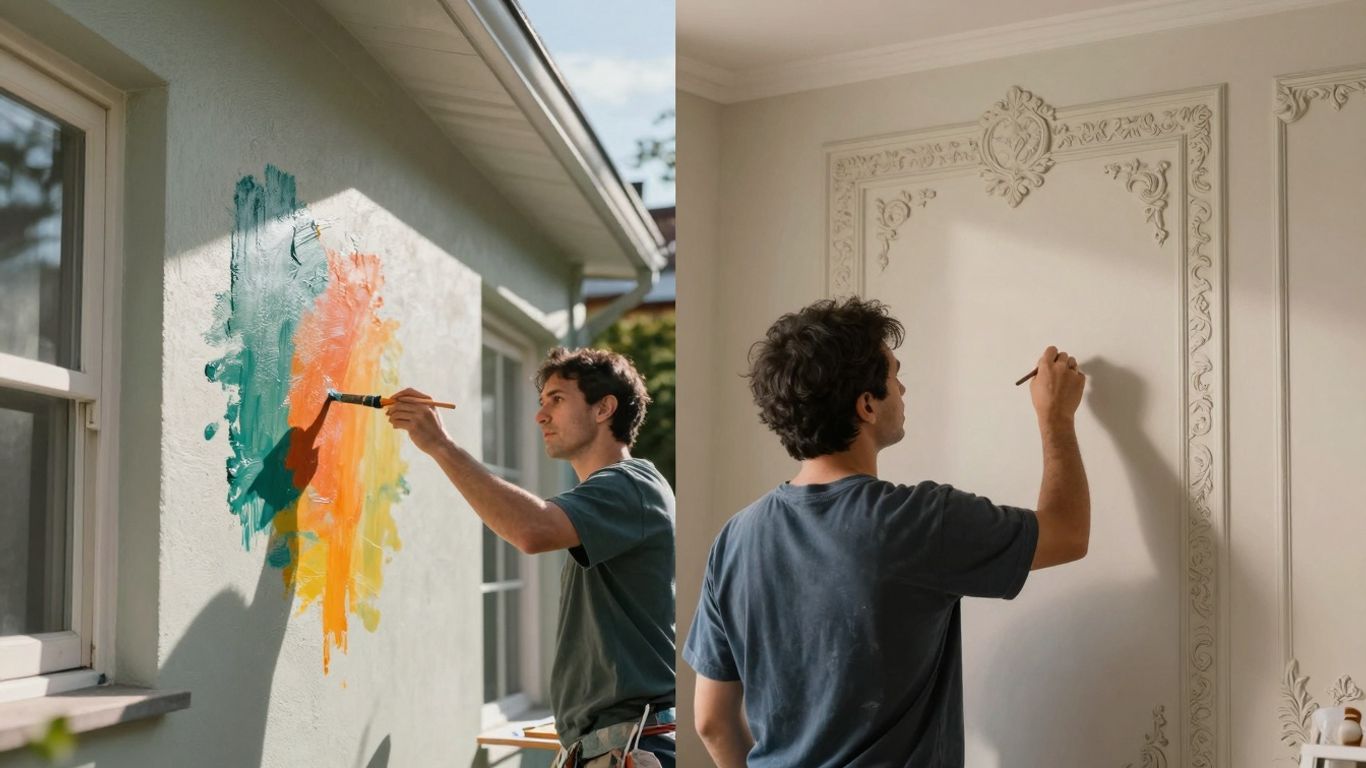
Thinking about painting your house? It's not quite as simple as just picking a color and slapping it on. Whether you're working inside or out, the job has its own set of rules and challenges. Inside vs. Outside: Why Each Painting Project Demands a Different Approach is super important to remember. What works for your living room walls probably won't cut it for the siding on your home. Let's break down what makes these projects so different.
Key Takeaways
- Surface prep is a big deal for both inside and outside jobs, but the methods change. Expect more intense cleaning and repair for exteriors.
- Exterior paints need to be tough to handle sun, rain, and snow, while interior paints focus more on looks and easy cleaning.
- Safety is a much bigger concern outside due to heights and ladders, requiring different gear and planning.
- DIY painting can save money and feel rewarding, but professionals offer speed, quality, and less hassle, especially for tricky jobs.
- Choosing the right paint type is vital: exterior paints protect against weather, and interior paints are made for living spaces.
Understanding The Core Differences: Inside vs. Outside Painting
Surface Preparation Nuances
Getting ready to paint is a big deal, and honestly, it's where a lot of projects either shine or fall apart. For inside jobs, you're usually dealing with walls that have seen a bit of life – maybe some scuffs, a few nail holes, or maybe some old wallpaper that's peeling. Cleaning is key, and you'll want to patch up any holes and sand them smooth. It’s all about making that surface super smooth so the paint looks good. Outside, it’s a whole different ballgame. You've got dirt, mildew, maybe even some flaking paint from years of sun and rain. Power washing is often the first step, followed by scraping away anything loose. You might even need to deal with wood rot or caulk gaps. The prep work outside is way more intense because you're fighting the elements from day one.
Material Durability Requirements
When you pick paint for inside, you're thinking about how it looks and how easy it is to clean. You want something that can handle a bit of wear and tear, especially in high-traffic areas like hallways or kids' rooms. But it doesn't need to stand up to a hurricane. Outside paint, though? That stuff has to be tough. It needs to resist fading from the sun, cracking from temperature changes, and peeling from moisture. It’s basically a shield for your house.
Environmental Exposure Factors
Think about where the paint is going. Inside, the biggest environmental factors are usually just the temperature and humidity inside your home. You don't have to worry about UV rays beating down on your living room walls or rain washing away your carefully applied finish. Outside, though, your paint is constantly battling the weather. Sun, rain, snow, wind, extreme heat, and freezing cold – it all takes a toll. This means the paint needs to be formulated to handle all that abuse and still look good for years.
Interior Painting: Precision And Aesthetics
Achieving Flawless Finishes
When you're painting the inside of your home, the goal is usually a smooth, clean look. It's all about making the space feel fresh and put-together. Unlike exterior painting where you might be battling the elements, interior work is more about the details. Think sharp lines where walls meet ceilings, or around trim and windows. Getting these right takes a steady hand and the right tools. A professional painter can make these clean lines look effortless, something that can be tricky for even a handy DIYer. It’s not just about slapping paint on; it’s about the careful application that makes a room feel polished.
Color Accuracy And Consistency
Choosing the right color is just the first step. Making sure that color looks exactly how you imagined it on your walls is where the real work is. Different lighting conditions inside a house can make the same paint color look quite different in various rooms, or even on different walls within the same room. Professionals know how to account for this, often recommending samples or understanding how sheen levels affect the final appearance. They also ensure the color is applied evenly, without patchy spots or visible roller marks, which can really throw off the intended mood of a space. Consistency from wall to wall, and room to room, is key to a cohesive look.
Minimizing Disruption To Living Spaces
Painting the interior of your home means living around the process. This is where careful planning and execution really matter. A good painter will work to keep the disruption to your daily life as low as possible. This involves protecting your furniture and floors properly, setting up a clean work area, and cleaning up thoroughly at the end of each day. They understand that your home is your sanctuary, and the goal is to leave it looking better, not feeling like a construction zone. This attention to detail in managing the workspace is just as important as the painting itself.
The difference between a good interior paint job and a great one often comes down to the prep work and the final touches. It's the little things, like making sure every surface is clean and smooth, and that the paint is applied with care, that truly make a room shine.
Exterior Painting: Durability And Protection
Painting the outside of your house isn't just about making it look pretty. It's a serious job that protects your biggest investment from the elements. Unlike interior paint, exterior paint has to deal with sun, rain, snow, wind, and temperature swings. This means it needs to be tough and last a long time.
Weatherproofing And Longevity
When you paint the exterior of your home, you're creating a shield. This shield keeps water out, which is super important. Water can get into wood, cause rot, and lead to bigger problems down the line. Good exterior paint also helps prevent fading from the sun's UV rays. The right paint job can add years to the life of your siding and trim. Choosing paints specifically made for outdoor use is key here. These paints are formulated to be flexible, expanding and contracting with temperature changes without cracking or peeling. This flexibility is what gives them their longevity.
Surface Adhesion Challenges
Getting paint to stick to the outside of your house can be tricky. You've got surfaces that might be chalky, dirty, or even have old paint peeling off. Proper prep work is a big deal. This often involves cleaning the surface thoroughly, sometimes with a power washer, and scraping away any loose paint. If the surface isn't prepped right, the new paint won't stick well, and you'll be looking at problems pretty quickly. Using a good primer designed for exterior surfaces also makes a huge difference in how well the paint adheres and how long it lasts. For tough surfaces, you might even need a special bonding primer. You can find a variety of exterior paint options that are designed for different materials and conditions.
Safety And Accessibility Concerns
Painting the exterior of a house often means working at heights. This brings safety to the forefront. You'll likely need ladders, scaffolding, or even lifts, depending on the size and style of your home. It's important to use these tools correctly and have someone there to help if possible. Working on steep roofs or around tricky architectural features adds another layer of complexity. This is where hiring professionals often makes a lot of sense. They have the right equipment and the training to work safely in these situations. Plus, they know how to handle things like power lines or uneven ground. It's not just about getting the paint on; it's about doing it without anyone getting hurt.
Exterior painting is a protective measure as much as it is an aesthetic one. The materials and methods used must stand up to constant environmental assault, making durability and proper application paramount for long-term results and home preservation.
DIY vs. Professional: A Strategic Decision
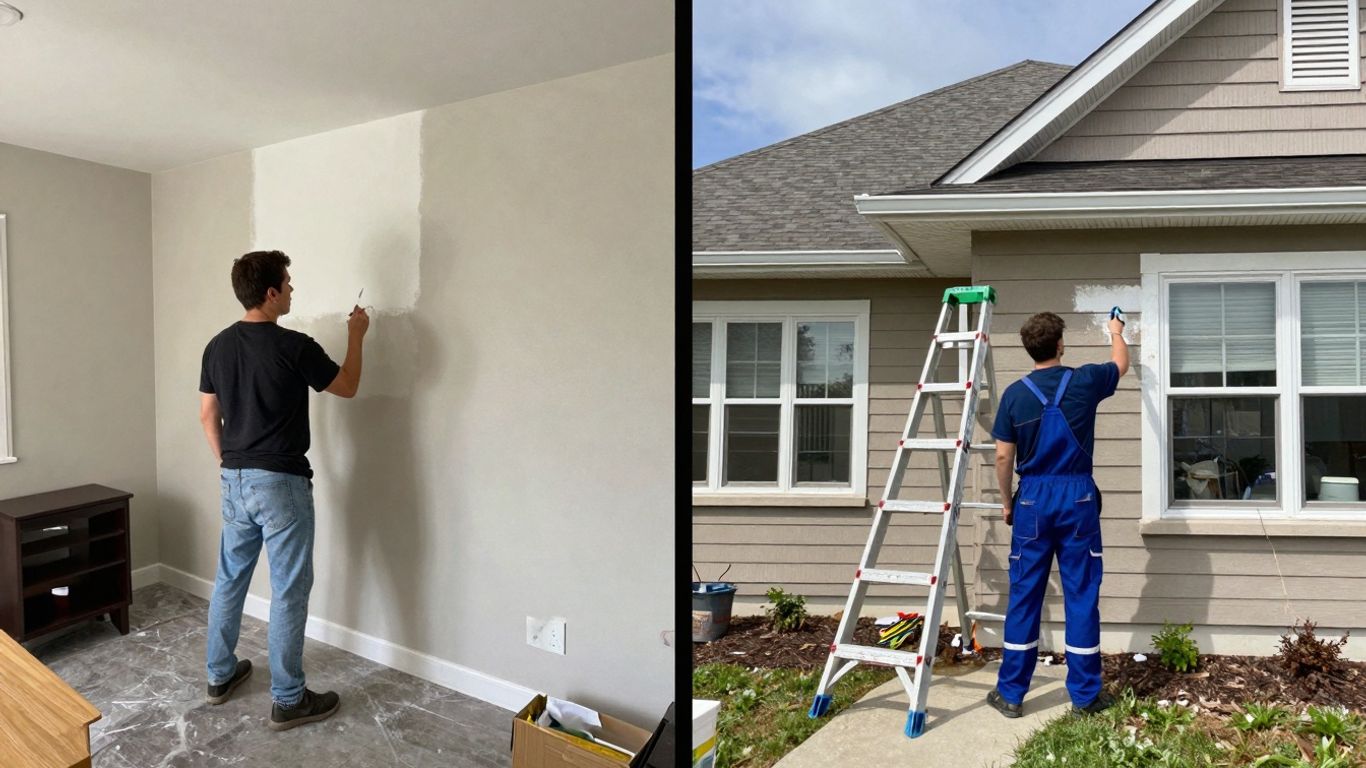
Deciding whether to grab the brush yourself or call in the pros is a big step for any painting project. It's not just about saving a few bucks; it's about time, skill, and what kind of finish you're really after.
Assessing Your Skill Set And Time
Let's be real, not everyone's a natural painter. If you've never tackled a painting job before, or if your last DIY attempt ended with more paint on the floor than the wall, it might be time to reconsider. Professionals have the experience to know how to prep a surface just right, cut in those clean lines around trim, and avoid common pitfalls like drips or uneven coats. Your available time is also a huge factor. A weekend warrior might be able to handle a small bathroom, but painting an entire house? That can take weeks if you're only working a few hours here and there. Professionals can often get the job done much faster, sometimes in just a few days, because they're focused on it full-time and have the right tools.
Here's a quick look at what to consider:
- Your Experience Level: Have you painted before? Do you know how to properly prep surfaces, tape off areas, and apply paint evenly?
- Project Size: Are you painting a single accent wall, a small room, or your entire home, inside and out?
- Time Commitment: How much free time do you realistically have to dedicate to prep, painting, and cleanup?
Sometimes, the 'savings' from DIY can disappear quickly when you factor in the cost of mistakes, extra trips to the hardware store for forgotten supplies, or the sheer frustration that can set in.
Budgetary Considerations For Each Approach
When you're looking at the numbers, DIY painting seems like the clear winner for saving money. You're only paying for materials, right? Well, not always. Think about the cost of good quality paint, brushes, rollers, trays, drop cloths, painter's tape, and maybe even a ladder or extension pole. If you mess up and have to buy more paint or fix mistakes, those costs add up. Professionals charge for their labor, which can seem high upfront, but it includes their skill, efficiency, and the guarantee of a good job. For larger or more complex projects, the professional cost might actually be more budget-friendly in the long run when you consider the total time and potential for error with DIY.
| Item | DIY Estimated Cost | Professional Estimated Cost |
|---|---|---|
| Paint | $100 - $500+ | Included |
| Brushes & Rollers | $50 - $150 | Included |
| Prep Supplies | $30 - $100 | Included |
| Labor | $0 (Your Time) | $500 - $5000+ |
| Total (Approx.) | $180 - $750+ | $500 - $5000+ |
Quality Expectations And Desired Outcomes
What do you want the finished product to look like? If you're aiming for a magazine-worthy finish with razor-sharp lines and perfectly smooth walls, hiring a professional is usually the way to go. They have the techniques and experience to achieve that level of polish. DIY projects can look great, especially for simpler jobs, but achieving that flawless look often takes practice and patience. If you're okay with a good-enough result and enjoy the process, DIY can be very rewarding. But if you want that 'wow' factor and peace of mind that it's done right the first time, bringing in the experts might be your best bet.
The Role Of Preparation In Project Success
You know, before you even think about grabbing a brush, there's this whole other world of getting ready. It's not the fun part, sure, but skipping it? That's a recipe for a paint job that looks… well, less than stellar, and might not last long either. Whether you're painting the inside of your living room or the outside of your whole house, how you prep the surfaces makes a massive difference. It's like baking a cake – you can't just throw everything in the oven; you've got to measure, mix, and get the pan ready first.
Interior Surface Cleaning and Repair
Inside, it's all about making sure the walls are smooth and clean. Think about it: if you're painting over a dusty surface, that dust is going to get mixed into your paint. Not ideal. So, you'll want to give everything a good wipe-down. A damp cloth usually does the trick for most walls, but if you've got greasy spots, especially in the kitchen, you might need a bit of a stronger cleaner. Then there are the little dings and dents. Filling nail holes with spackle and sanding them smooth is a must. If there are any cracks or peeling bits of old paint, those need to be addressed too. A smooth, clean surface is the foundation for a professional-looking finish.
Exterior Power Washing and Scraping
Outdoors, things get a bit more intense. The weather has been beating down on your siding, brick, or trim, so you've got dirt, mildew, and maybe even some loose paint to deal with. Power washing is often the go-to for blasting away grime. It really makes a huge difference in how clean the surface is. After washing and letting it dry completely, you'll likely need to do some scraping. Any paint that's flaking or bubbling needs to go. If you paint over loose paint, it'll just keep peeling, and you'll be back to square one sooner than you think. It's a bit of a chore, but it's super important for making sure the new paint sticks properly and lasts.
Importance Of Priming For Both Environments
Primer is like the unsung hero of painting. For interiors, it helps cover up stains, evens out the surface so your topcoat looks consistent, and makes sure the paint adheres well, especially if you're going from a dark color to a light one. It really cuts down on the number of coats you might need. Outdoors, primer is even more critical. It seals the surface, protects against moisture, and gives the exterior paint something solid to grip onto. This is especially true for wood, which can soak up paint like a sponge if not primed. Using the right primer for your specific surface and paint type is a step you really don't want to skip.
Skipping proper preparation is like building a house on sand. It might look okay for a little while, but eventually, the flaws will show, and the whole thing could fall apart. Taking the time upfront saves you headaches and money down the road.
Choosing The Right Materials For The Job
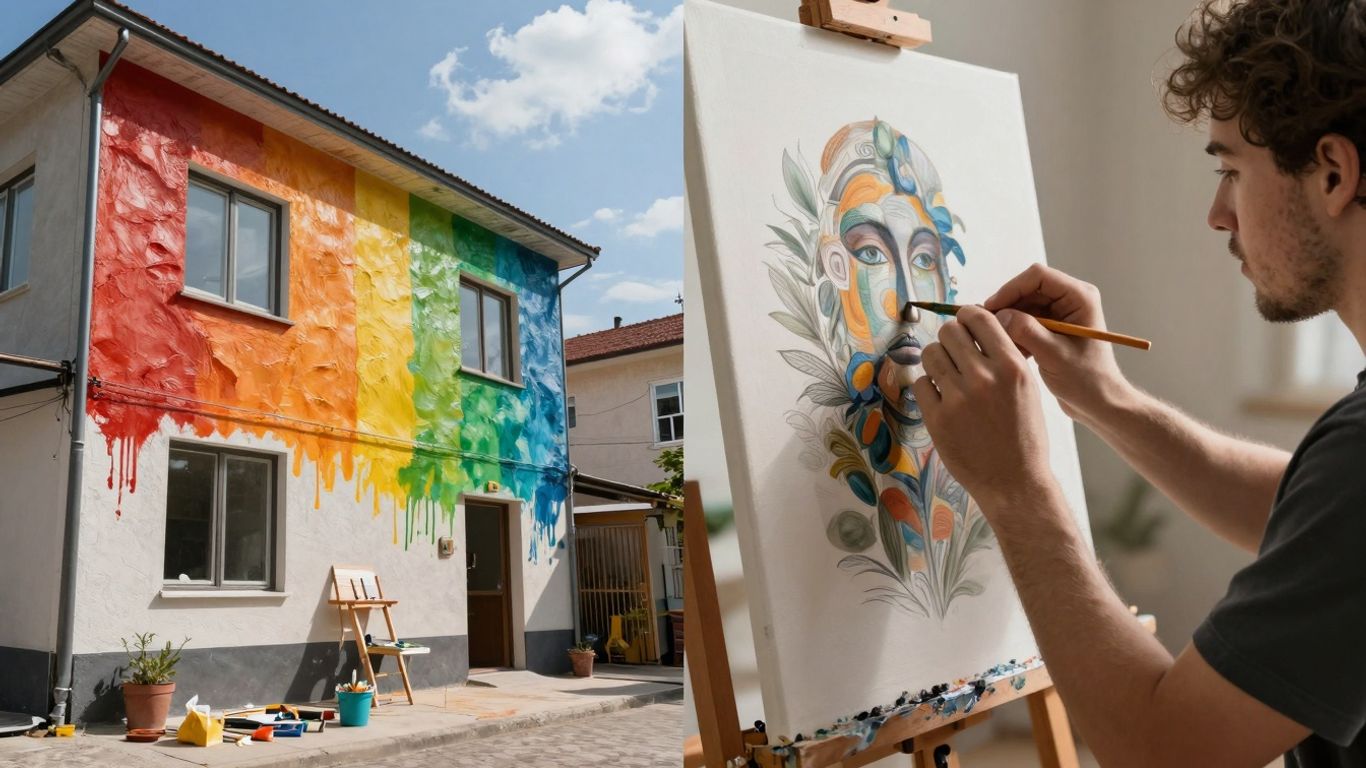
Picking the right paint and supplies is a big deal, whether you're painting the inside of your house or the outside. It's not just about picking a pretty color; the stuff you use actually makes a difference in how long the paint job lasts and how good it looks.
Interior Paint Formulations
For inside walls, you've got a few main choices, and they mostly come down to the type of finish and how easy they are to clean.
- Latex-based paints: These are super common. They dry fast, don't smell too bad, and clean up with just soap and water. They're great for most rooms, especially bedrooms and living areas where you don't need super tough scrubbing.
- Oil-based paints: These used to be the go-to for trim and doors because they make a really hard, smooth finish. But, they take longer to dry, have a strong smell, and you need special solvents to clean up. They're less popular now because of the fumes and cleanup.
- Low-VOC and Zero-VOC paints: If you're sensitive to smells or worried about air quality, these are the way to go. VOCs (volatile organic compounds) are chemicals that can be released into the air. These paints have very few or none, making them a healthier choice for your home.
When it comes to sheen, think about where it's going. A flat finish hides imperfections best but is hard to clean. Satin or eggshell is a good middle ground for most walls, offering some washability without being too shiny. High-gloss finishes are super durable and easy to wipe down, perfect for trim, doors, or even kitchens and bathrooms where moisture is a factor.
Exterior Paint Properties
Painting the outside of your house is all about protection. The paint needs to stand up to sun, rain, wind, and temperature changes.
- Durability: Exterior paints are made to be tough. They need to resist fading from the sun, peeling from moisture, and cracking from the weather.
- Flexibility: Because the outside of your house expands and contracts with temperature changes, the paint needs to be flexible enough to move with it without breaking.
- Mildew and Algae Resistance: Many exterior paints have additives to fight off mold, mildew, and algae, which can grow in damp or shady areas.
Generally, you'll be looking at latex-based exterior paints. They've gotten really good over the years and offer excellent protection and flexibility. Oil-based paints are still used sometimes for specific things like metal railings or old wood trim, but latex is the standard for siding and walls.
| Sheen Type | Durability | Washability | Best Use |
|---|---|---|---|
| Flat/Matte | Low | Low | Siding, areas with imperfections |
| Satin/Eggshell | Medium | Medium | Siding, trim, doors |
| Semi-Gloss | High | High | Doors, windows, trim, gutters |
| High-Gloss | Very High | Very High | Doors, trim, metal railings |
Specialty Coatings and Finishes
Sometimes, a regular paint job just won't cut it. You might need something special.
- Primers: These are super important, especially when painting over dark colors, stains, or bare surfaces. They help the topcoat stick better and give you a more even color. There are different primers for different jobs – some block stains, others help paint stick to tricky surfaces like metal or plastic.
- Elastomeric Coatings: These are thick, rubbery coatings used on masonry or stucco. They can bridge small cracks and are really good at waterproofing.
- Heat-Resistant Paints: For things like radiators, fireplaces, or even barbecue grills, you need paints that can handle high temperatures without burning or peeling.
Choosing the right materials isn't just about following instructions; it's about understanding what each product is designed to do and matching it to the specific needs of your project. Using the wrong paint can lead to premature failure, making you redo the job sooner than you'd like.
Don't forget about the tools, either! Good brushes and rollers make a huge difference in how smoothly the paint goes on and how professional the final look is. Cheap tools can leave streaks and an uneven finish, no matter how good the paint is.
Picking the right stuff for your project is super important. It can make a big difference in how good the final result looks and how long it lasts. Think about what you're trying to achieve and what materials will work best for that goal.
Want to learn more about making smart choices for your painting or repair jobs? Visit our website for expert tips and services!
Wrapping It Up
So, whether you're thinking about tackling that accent wall yourself or bringing in the pros for a whole-house refresh, remember that the best approach really depends on what you're aiming for. DIY can be super rewarding if you've got the time and patience, and hey, you save some cash too. But if you're looking for that flawless finish without the headache, or if the project is just too big, hiring someone with experience makes a lot of sense. Either way, a fresh coat of paint can totally change a space. Just pick the path that feels right for you and your project.
Frequently Asked Questions
What's the main difference between painting inside and outside a house?
Painting inside is mostly about making things look pretty and neat. You focus on smooth finishes and colors that match your style. Painting outside is more about protecting your house from the weather, like rain and sun. It needs tougher paint that can handle the outdoors.
Do I need different types of paint for indoor and outdoor projects?
Yes, absolutely! Indoor paints are made for looks and don't need to fight the elements. Outdoor paints are built tough to resist fading, cracking, and damage from sun, rain, and temperature changes. They are designed to last longer outside.
Is preparing the surface for painting different for inside and outside?
Yes, it can be. For the outside, you might need to wash off dirt and grime with a power washer, scrape off old, peeling paint, and fix any wood that's rotting. Inside, you'll clean walls, fill small holes, and maybe sand down rough spots. Both need a clean, smooth surface, but the cleaning methods can differ.
Why is surface preparation so important for painting?
Think of it like building a strong foundation for a house. If the surface isn't clean and smooth, the paint won't stick well. It might peel or bubble later. Good prep work, like cleaning and fixing cracks, makes the paint job look much better and last way longer.
When should I consider hiring a professional painter?
If you have a really big job, like painting the whole outside of your house, or if you want a super-perfect finish inside, hiring a pro is a good idea. They have the right tools, know the best techniques, and can do the job much faster and often with better results, especially if you're short on time or don't have much painting experience.
Can I save money by painting myself?
Doing it yourself can save you money on labor costs, which is a big part of hiring a painter. However, you'll need to buy all the supplies, and if you make mistakes, you might end up spending more to fix them or buy more paint. For smaller, simpler jobs, DIY can be cheaper, but for complex or large areas, the cost difference might not be as big as you think, especially when you consider your time.


Comments
Post a Comment