When to Repaint vs. Remove: Your Essential Guide to Home Maintenance Decisions
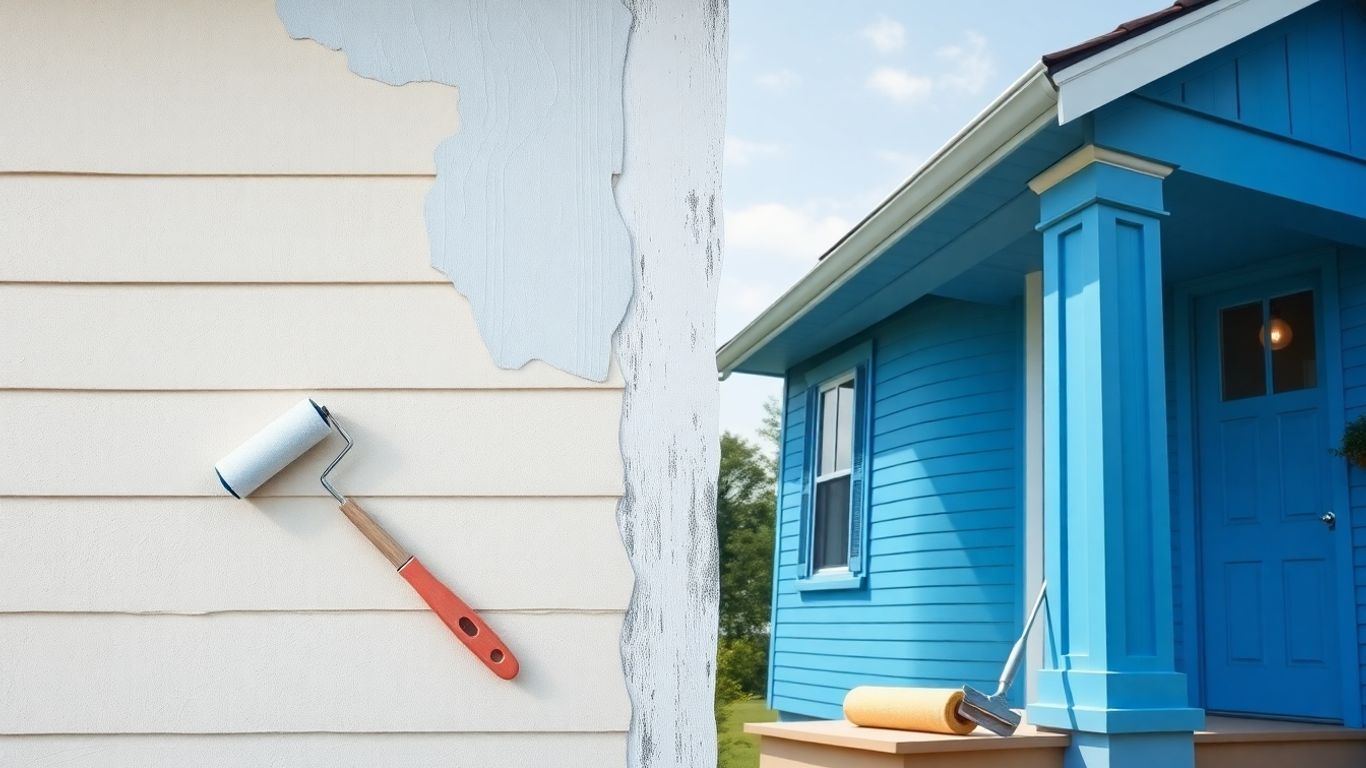
Ever stare at your house and wonder if it's time for a paint job? It's a common question. You see some peeling here, maybe a faded spot there, and suddenly you're thinking about a whole new look. But is it a simple repaint, or is there more going on? Deciding when to repaint versus when to remove and start fresh can feel like a big decision, and honestly, it's not always straightforward. This guide is here to help you figure out exactly what your home really needs.
Key Takeaways
- Look for signs like peeling, chipping, or cracking paint, as well as fading colors and any signs of mold or moisture damage. These are your first clues about the paint's condition.
- Your local climate, the type of siding your house has, and the quality of the paint job you had last time all play a big part in how often you'll need to paint.
- Sometimes, you don't need a full repaint. If the damage is small, or if there are underlying issues like leaks, fixing those first might be the smarter move before you even think about new paint.
- Think about the cost. A new paint job is an investment. Weigh the upfront cost against how long the paint will last and the protection it offers your home.
- Good prep work is super important. Before you paint, check everything thoroughly, fix any cracks or bad caulk, and use primer. This makes the new paint stick better and last way longer.
Assessing Your Home's Exterior Paint Condition
Your home's exterior paint is more than just a pretty face; it's a shield. It protects your house from rain, sun, wind, and all sorts of weather. But like anything exposed to the elements day in and day out, it eventually wears down. Figuring out if it's just looking a bit tired or if it's genuinely failing is the first big step in deciding whether to repaint or call in the repair crew. Paying attention to the signs of wear and tear can save you a lot of headaches and money down the road.
Signs of Deterioration: Peeling, Chipping, and Cracking
This is usually the most obvious stuff. You'll see paint flaking off, little chips missing, or fine lines where the paint has split. Peeling paint is a big red flag. It means the paint isn't sticking to the surface anymore, and moisture can get underneath. This can lead to bigger problems like wood rot or even mold if it's not dealt with. Cracking often happens when the paint gets old and brittle, or sometimes it's a sign of the material underneath expanding and contracting with temperature changes. You might also see bubbling, which is basically trapped moisture trying to escape. All these are clear indicators that the protective layer is compromised.
The Impact of Fading Colors on Curb Appeal
Sure, faded paint might not seem like a structural issue, but it definitely affects how your home looks. Over time, the sun's UV rays can really beat down on exterior paint, making colors look dull and washed out. This is especially noticeable on sides of the house that get a lot of direct sunlight. While a bit of fading might just make your house look a little older, significant fading can really bring down your home's curb appeal. If you're thinking of selling, this is something you'll want to address. Sometimes, though, uneven fading or discoloration could point to moisture issues, so it's worth looking into more closely.
Identifying Moisture Damage and Mold Growth
This is where things can get serious. Look for dark spots, streaks, or fuzzy patches, especially in areas that tend to stay damp, like near downspouts or in shaded corners. Water stains, particularly around windows, doors, or where different materials meet, are a big warning sign. If you see mold or mildew, it means there's moisture getting in and staying there. This isn't just an aesthetic problem; mold can damage your home's structure and even affect indoor air quality. Rust stains on siding, often near metal flashing, also point to water getting behind the paint and corroding the metal, which means there's likely a leak that needs fixing before you even think about painting.
Factors Influencing Repainting Frequency
So, how often should you really be thinking about a fresh coat of paint for your house's exterior? It's not just a random decision; a few key things really play a big role in how long that paint job holds up.
Climate's Role in Paint Longevity
Think about where you live. If you're dealing with harsh sun beating down all summer, or if you get a ton of rain and humidity, your paint is going to take a beating. Intense sunlight can fade and break down paint faster, while moisture can lead to peeling, bubbling, and even mold if it gets trapped underneath. Places with big temperature swings, going from freezing to thawing a lot, can also stress the paint, making it crack.
- Sunny Climates: Look for paints with good UV resistance. You might need to repaint a bit more often if the sun is relentless.
- Humid/Rainy Areas: Moisture-wicking paints and good ventilation are your friends. Watch out for mildew.
- Extreme Temperatures: Flexible paints that can expand and contract with the weather tend to last longer.
The weather outside your door is a major player in how long your paint job stays looking good. Ignoring its impact means you might be repainting sooner than you'd like, or worse, dealing with damage that a simple paint job can't fix.
Siding Material and Its Maintenance Needs
Not all siding is created equal when it comes to paint. The material your house is made of makes a difference in how often it needs painting and what kind of paint it can take.
| Siding Material | Typical Repainting Interval | Notes |
|---|---|---|
| Wood | 3-7 years | Needs regular checks for rot and insect damage. |
| Fiber Cement | 10-15 years | Generally holds paint well, but quality of installation matters. |
| Vinyl | Rarely painted | Usually comes pre-colored; painting can void warranties and cause issues. |
| Stucco | 5-10 years | Can be prone to cracking; needs proper prep. |
| Brick | 15-20+ years | Paint is usually for aesthetics, not protection; requires special masonry paint. |
Quality of Previous Paint Jobs and Materials Used
This one's a biggie. If the house was painted a few years ago with cheap paint and the prep work was rushed, you're probably going to need to repaint sooner. Good quality paint, applied correctly over a well-prepared surface, will always last longer. This means cleaning the surface thoroughly, scraping away old, peeling paint, fixing any cracks, and using a good primer. If you're buying a house, ask about the last paint job. If you don't know, assume it might not have been done with the best materials or methods, and plan accordingly.
When to Prioritize Repairs Over a Full Repaint
Sometimes, your house doesn't need a whole new paint job. Maybe it's just one section that's looking a bit rough, or perhaps there's a specific issue that needs fixing before you even think about paint. Deciding between spot repairs and a full repaint comes down to a few key things.
Addressing Limited Damage with Spot Repairs
If you notice peeling, chipping, or fading paint, but it's mostly confined to one area – say, a single wall or just around a window – spot repairs might be your best bet. It's like putting a bandage on a small cut instead of needing stitches. You can scrape away the loose paint, sand the area smooth, apply a bit of primer, and then touch it up with matching paint. This is a good way to keep things looking decent without the big expense of painting the whole house. It's a practical approach when the rest of your exterior is still in pretty good shape. For homeowners looking to maintain their property, understanding these spot repair techniques can save a lot of money and effort.
Resolving Underlying Issues Before Painting
Before you even grab a paintbrush, it's super important to check for problems hiding underneath the surface. Things like moisture damage, mold growth, or cracked caulk around windows and doors need to be sorted out first. If you just paint over these issues, the new paint won't stick well, and the problems will just keep coming back, maybe even worse than before. Think about it: if your gutters are clogged and water is pooling against the siding, painting over that won't stop the wood from rotting. You've got to fix the source of the problem. This often means cleaning out gutters, repairing leaks, or replacing old, hardened caulk. Addressing these issues is key to making sure any paint job, whether it's a touch-up or a full repaint, actually lasts.
Fixing the root cause of paint failure is always more cost-effective in the long run than repeatedly painting over the same problem.
When Aesthetics Dictate a Fresh Coat
Let's be honest, sometimes it's just about how the house looks. If your paint color has faded significantly over the years, or if the current shade just feels dated, a full repaint might be the way to go, even if the paint isn't technically failing. A fresh coat can completely change the look of your home, boosting its curb appeal and making it feel more welcoming. It's an investment in how your home presents itself to the world. While spot repairs can blend in okay if the existing paint is still vibrant, they often stand out if the surrounding paint has lost its luster. If you're aiming for a dramatic visual upgrade, a complete repaint is usually the most effective route.
The Cost-Benefit Analysis of Exterior Painting
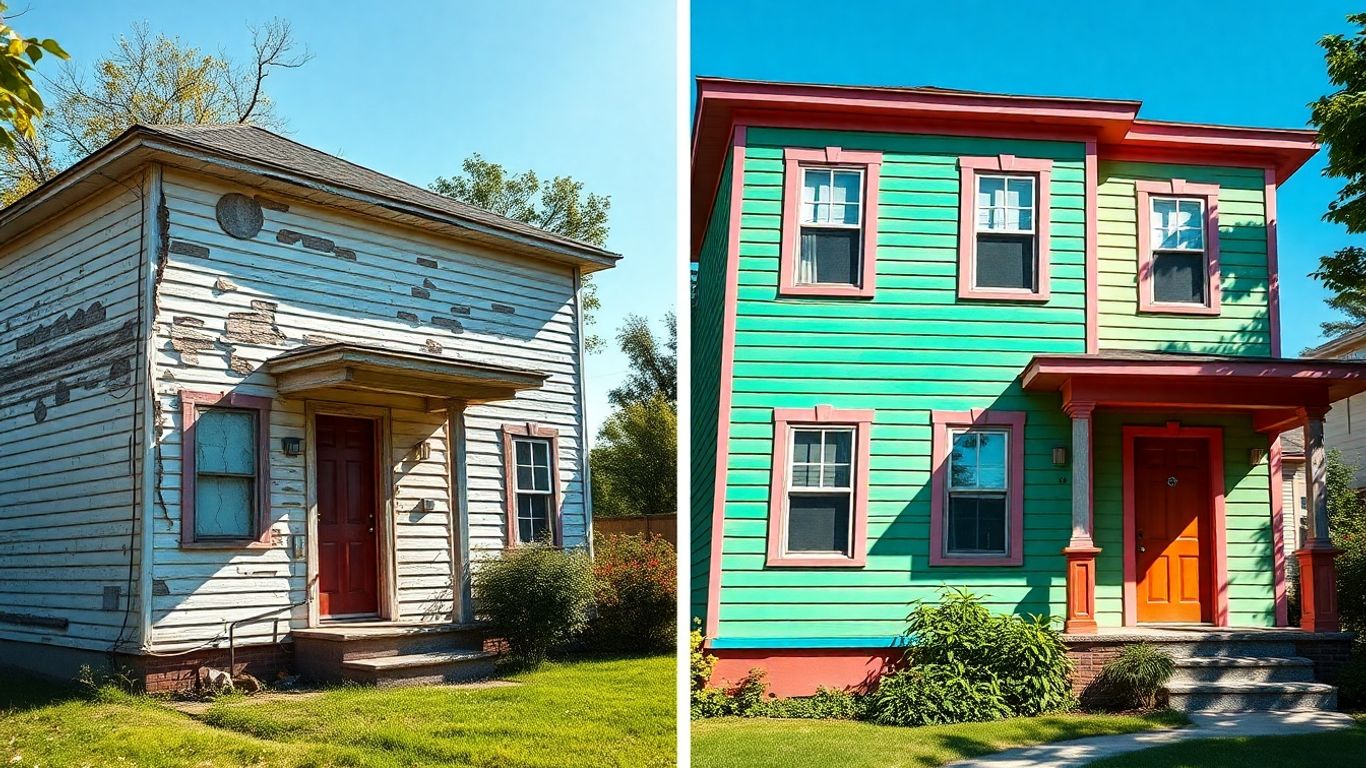
Deciding whether to repaint your home's exterior is a big decision, and it's not just about how your house looks. It's a financial choice too. You've got to weigh what you're spending against what you're getting back, both now and down the road. Painting your house is a highly effective home improvement that offers a significant return on investment. It enhances the visual appeal, positively influences market perception, and can boost appraisal values. The costs associated with painting are relatively low, making it an accessible upgrade for homeowners looking to increase their property's value. Painting your house
Evaluating the Investment in a New Paint Job
When you're looking at the cost of a new paint job, it's not just the price of the paint itself. You've got to think about the labor, whether you're doing it yourself or hiring pros. Prep work is a huge part of this – cleaning, scraping, sanding, and priming all add time and material costs. The size of your house matters a lot, too. A bigger house means more paint, more time, and likely more money. Then there's the quality of the paint you choose; premium paints cost more upfront but can last longer.
Here's a rough idea of what goes into the cost:
- Paint: Quality varies, and so does price.
- Supplies: Brushes, rollers, tape, drop cloths, ladders, safety gear.
- Labor: Professional painters charge for their time and skill.
- Prep Work: Cleaning, repairs, caulking, sanding.
- House Size: Larger homes naturally cost more to paint.
Understanding the Long-Term Value of Repainting
Think of exterior painting as an investment, not just an expense. A fresh coat of paint does more than just make your house look good. It acts as a protective barrier against the elements – sun, rain, snow, and wind. This protection helps prevent damage to the underlying materials, like wood rot or siding deterioration. Over time, this can save you a lot of money on more serious repairs. Plus, a well-maintained, good-looking home generally sells for more and sells faster if you decide to put it on the market. It's about preserving your asset and making it more attractive.
A good paint job isn't just about aesthetics; it's a critical layer of defense for your home's structure. Neglecting it can lead to more significant, costly problems down the line.
Budget Considerations for Home Maintenance
Let's be real, home maintenance costs add up. Exterior painting is often a significant chunk of that budget. It's wise to plan for it. If your paint is starting to show wear, but a full repaint isn't in the cards right now, consider what smaller repairs you can do to keep things in check. Sometimes, a few touch-ups can buy you more time. If you're planning a repaint, get multiple quotes from painters and compare them. Don't just go for the cheapest option; look at their reviews and what's included. Saving up for a quality job is often better than a cheap job that needs redoing in a few years.
Essential Preparation for Painting Projects
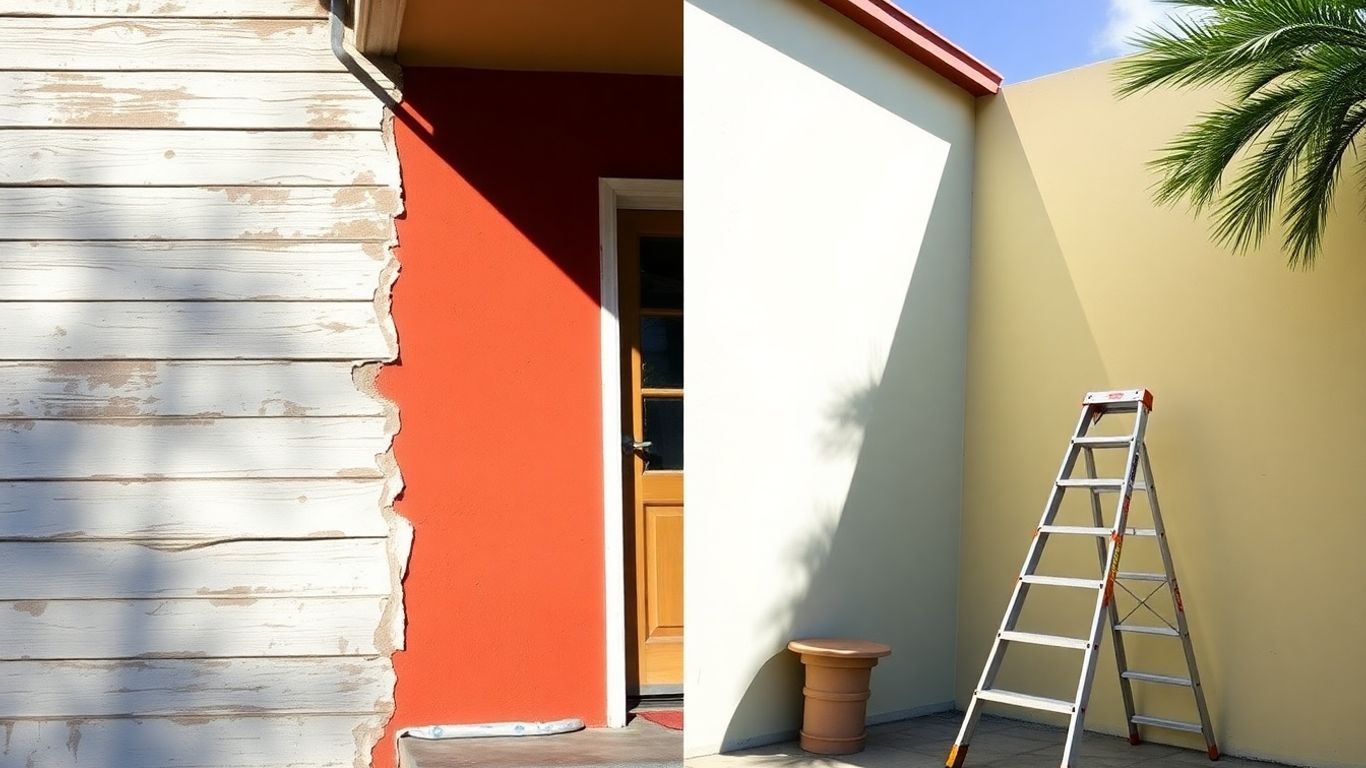
Before you even think about dipping a brush into a can of paint, there's some groundwork to lay. Getting the surface ready is probably the most important part of the whole painting process. If you skip this, your new paint job might not last as long as you'd hope. It’s like trying to build a house on shaky ground – it’s just not going to end well.
The Importance of Thorough Inspections
First things first, you need to really look at your house. Walk around it, get up close, and check for any spots that look off. This means looking for:
- Peeling or flaking paint: Little bits coming off are a clear sign something needs attention.
- Cracks and holes: These aren't just unsightly; they let moisture in.
- Mold or mildew: Green or black spots mean dampness, which is bad for paint.
- Loose siding or trim: Anything that's not firmly attached needs to be fixed.
- Rotten wood: Check around windows, doors, and any areas that tend to stay wet.
This inspection isn't just about finding problems; it's about understanding the scope of work. You might find a few small issues or a whole list of things that need fixing before painting can even begin.
Addressing Cracking and Hardened Caulk
Caulk is that flexible material used to seal gaps, especially around windows, doors, and where different materials meet. Over time, it can dry out, crack, or pull away from the surface. This creates little highways for water to get behind your siding or into your walls.
- Remove old caulk: Use a utility knife or a caulk removal tool to get rid of any cracked or hardened caulk. Make sure the area is clean.
- Repair cracks and holes: For larger cracks or holes in wood or siding, you'll need to use a wood filler or patching compound. Let it dry completely and then sand it smooth.
- Apply new caulk: Choose a good quality exterior caulk that's paintable. Apply a smooth, even bead along the gaps. Smooth it out with a wet finger or a damp cloth for a clean line.
Properly sealing these areas is a small step that makes a huge difference in protecting your home from water damage and ensuring your paint job looks neat and tidy.
The Role of Priming for Durability
Primer is like a special base coat that helps your paint stick better and last longer. It's not always necessary, but it's a really good idea in a few situations:
- Bare wood or metal: If you've sanded down to raw material, primer is a must.
- Stains: If there are water stains, rust marks, or dark spots, primer can block them from showing through the new paint.
- Repaired areas: When you've patched holes or cracks, primer helps create a uniform surface so the new paint looks the same everywhere.
- Drastic color changes: Going from a dark color to a very light one? Primer can help cover the old color more effectively.
Using a good quality exterior primer means your top coat of paint will adhere better, resist peeling and chipping, and generally look better for a longer time. It’s an extra step, sure, but it really pays off in the end.
Maintaining Your Home's Fresh Appearance
Keeping your house looking sharp doesn't have to be a constant battle. A little bit of regular attention goes a long way in keeping that paint job looking good and protecting your home. Think of it like this: you wouldn't ignore a small cut, right? You'd clean it and put a bandage on it. Your home's exterior deserves that same kind of care.
The Power of Regular Inspections and Touch-Ups
This is where you catch things before they become big, expensive headaches. Walking around your house a couple of times a year, maybe in the spring and fall, can reveal a lot. Look for any spots where the paint is starting to peel, chip, or crack. Sometimes, it's just a small area, maybe near a window or a door where water might get in. Fixing these little spots with a bit of touch-up paint is way easier and cheaper than waiting until a whole section needs to be redone. It also stops moisture from getting under the paint and causing more damage.
- Check for peeling or chipping paint. These are the most common signs that your paint is losing its grip.
- Inspect caulk around windows and doors. If it's cracked or pulling away, water can seep in.
- Look for signs of mold or mildew. These can often be cleaned off without a full repaint.
Proactive maintenance is key to a long-lasting paint job.
Proactive Maintenance to Extend Paint Life
Beyond just fixing what's broken, there are things you can do to help your paint last longer. Cleaning your home's exterior is a big one. Dirt, grime, and even pollen can build up over time, making the paint look dull and tired. A good wash, maybe once or twice a year, can make a huge difference. If you have vinyl siding, a gentle scrub works wonders. For painted surfaces, be careful not to use a pressure washer on too high a setting, as you could damage the paint. You can find some great tips on cleaning different siding materials to transform your home's exterior.
Also, pay attention to your landscaping. Overgrown bushes or trees rubbing against the house can scratch the paint. Trim them back so they have a little breathing room.
Enhancing Curb Appeal Through Consistent Care
Ultimately, all this maintenance adds up to a home that looks good and feels welcoming. When your paint is in good shape, your house just looks better. It shows you care about your property. This consistent care not only protects your investment but also makes your home more enjoyable to live in and more attractive to visitors or potential buyers. It’s about taking pride in your home, one small task at a time.
Keeping your home's exterior in good shape isn't just about looks; it's about protecting the structure itself. Small issues, when left unaddressed, can lead to bigger problems down the road, costing you more time and money. Regular check-ups and prompt fixes are the best way to keep your home looking its best and staying sound.
Here's a quick look at what to do:
- Schedule regular inspections: Aim for at least twice a year.
- Perform minor repairs: Address peeling paint, cracked caulk, and small holes promptly.
- Clean the exterior: Wash away dirt and grime to keep colors vibrant.
- Maintain landscaping: Keep plants trimmed away from the house.
By following these simple steps, you can significantly extend the life of your current paint job and keep your home looking fresh and well-maintained without breaking the bank.
Keeping your home looking great doesn't have to be a chore. Regular upkeep can make a big difference in how your house looks and feels. Simple tasks like cleaning gutters, touching up paint, or giving your deck some attention can prevent bigger problems down the road and keep your home looking its best. Want to learn more about how to keep your place looking sharp? Visit our website for tips and services.
Wrapping It Up
So, deciding whether to repaint or just fix up a few spots really comes down to looking closely at your home. It's not always a simple yes or no. Think about how bad the damage is, if there are bigger problems hiding underneath, and what you want your place to look like. Sometimes a quick fix is all you need, and other times, a full repaint is the way to go for the long haul. By taking the time to check things out and weigh your options, you can make the smart choice that saves you hassle and keeps your home looking good.
Frequently Asked Questions
What are the first signs that my house's paint needs a refresh?
Look for peeling, chipping, or cracking paint. If you see these, it's a clear signal that your paint is wearing out and might need attention. Fading colors also make your house look tired and can hurt its overall look.
How often should I really repaint the outside of my house?
It really depends on your house's siding material and the weather where you live. Wood siding might need a new coat every 3 to 7 years, while vinyl or stucco can last longer, maybe 10 years. Harsh weather means you might need to paint more often.
When is it better to just fix a small paint problem instead of repainting everything?
If the damage is only in a small spot, like a little peeling on one wall, fixing just that area might be enough. But if lots of areas are damaged, or if there are bigger problems like moisture issues, a full repaint is usually the better choice after fixing the root cause.
Does the quality of the paint I use make a big difference?
Absolutely! Using good quality paint and primer is super important. Better paint lasts longer, holds up better against the weather, and looks nicer. It's an investment that pays off by not needing a repaint as often.
Why is preparing the house so important before painting?
Getting ready is key! This means cleaning the surfaces, fixing any cracks or holes, and making sure everything is dry. A good prep job helps the new paint stick well and last much longer, preventing problems down the road.
Can I do small touch-ups myself to keep my paint looking good longer?
Yes, definitely! Regularly checking your house for small issues and doing touch-ups can make a big difference. It helps keep your house looking sharp and can delay the need for a full, expensive repaint.


Comments
Post a Comment