Weatherproofing with Style: Expert Exterior Painters Shield Homes from Harsh Elements
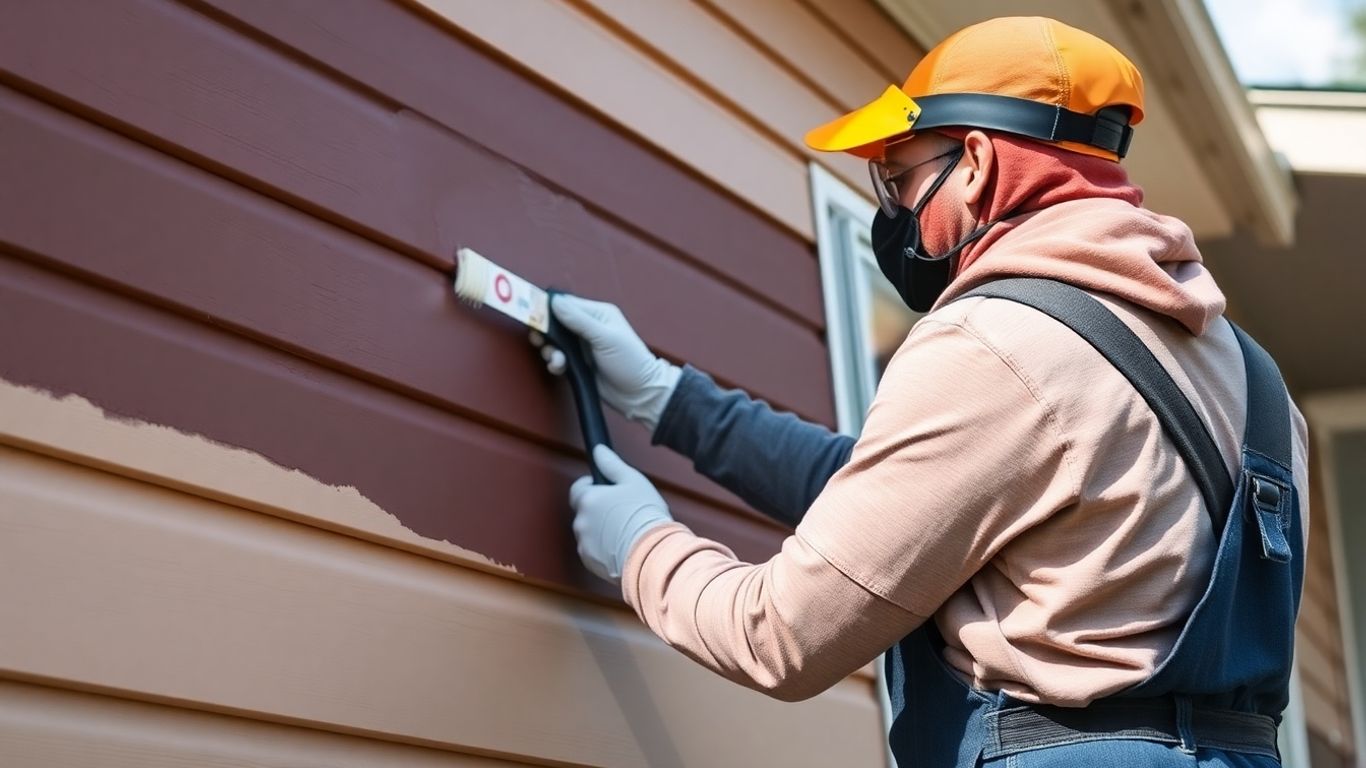
Thinking about painting your house? It's more than just picking a pretty color. When you get exterior painters involved, they're basically giving your home a shield. This isn't just about making things look nice; it's about protecting your house from all the junk the weather throws at it. We're talking rain, sun, wind – the whole deal. Weatherproofing with Style: How Exterior Painters Protect Homes from the Elements is all about making sure your home looks good and stays strong, no matter what season it is. Let's break down how they do it.
Key Takeaways
- Choosing the right paint means picking something that can handle rain, sun, and temperature changes, not just looking good.
- Getting the house ready – cleaning, fixing cracks – is super important for the paint to stick and last.
- How the paint is put on matters a lot; professionals know the tricks for a smooth, even coat that dries right.
- Sometimes, extra sealants or coatings can give your paint job even more protection.
- Painting at the right time of year and day helps the paint dry properly and last longer.
Choosing the Perfect Exterior Paint: A Shield of Defense
Understanding Weather-Resistant Formulations
Picking the right exterior paint is more than just picking a color you like. It's about choosing a shield for your house. Think of it like picking out a good raincoat – you want something that looks good, sure, but more importantly, it needs to keep the water out and keep you dry. The same goes for your home. The outside of your house faces a lot: sun beating down, rain, wind, even snow. The paint has to stand up to all of that.
The best exterior paints are made with special ingredients that help them last longer and protect your home better. These aren't your average interior wall paints. They're built tough. They have things in them that stop moisture from getting in, which is a big deal because moisture can cause all sorts of problems like peeling paint and even rot. They also have stuff that stops the sun from fading the color too quickly. It’s a whole science, really, making paint that can handle being outside all year round.
The Science Behind Battle-Ready Paints
So, what makes some paints tougher than others? It comes down to the stuff they put inside. You've got your binders, which are like the glue holding everything together, and your pigments, which give it color. But for exterior paints, there are extra bits. These can include special acrylics or other polymers that make the paint flexible, so it doesn't crack when the temperature changes. They also add things to fight off mildew and algae, which love to grow on damp surfaces. And UV blockers are in there to keep the color from looking washed out after just a summer or two.
Here's a quick look at what to look for:
- Acrylic Content: Higher acrylic content usually means better flexibility and adhesion.
- Mildew and Algae Resistance: Look for paints with added mildewcides.
- UV Protection: Pigments and additives that resist fading from sunlight.
- Breathability: The paint needs to let moisture vapor escape from the walls, not trap it.
Choosing a paint with good breathability is key. If the paint seals the wall too tightly, any moisture that gets behind it has nowhere to go. This can lead to paint blistering and peeling, and can even damage the wood or siding underneath.
A Palette That Protects and Beautifies
When you're picking out colors, don't forget to think about how they'll hold up. Darker colors tend to absorb more heat from the sun, which can put more stress on the paint over time. Lighter colors might show dirt more easily. It's a balance between what looks good and what's practical for your climate. Some paints even come in different sheens – flat, satin, semi-gloss. Satin and semi-gloss finishes are generally more durable and easier to clean than flat finishes, making them a good choice for high-traffic areas or surfaces that get a lot of weather exposure.
Think about the overall look you want, but also consider how the color and finish will perform. A good paint job should look great for years, not just a season. It's an investment in your home's appearance and its protection.
Expert Preparation: The Foundation for Lasting Protection
Before any paint ever touches your house, the real work begins. Think of it like getting ready for a big trip – you wouldn't just throw clothes in a suitcase, right? Same idea here. Proper prep is what makes the paint job actually last and do its job of protecting your home.
Thorough Inspection and Surface Readying
First things first, we need to really look at your house's exterior. We're checking for anything that looks off – cracks, peeling paint, maybe some rot, or even just dirt and grime that's built up over time. This initial check is super important because it tells us exactly what needs fixing before we even think about painting. We'll scrape away loose paint, power wash away dirt and mildew, and generally get the surfaces clean and smooth. It’s all about creating a solid base.
Precise Repair and Restoration of Damaged Areas
Once we know what we're dealing with, it's time to fix it. This means filling in any holes or cracks, sanding down rough spots, and replacing any wood that's gone bad. If there's mold or mildew, we'll treat that too. Getting these repairs done right is key. You don't want to paint over a problem, because it'll just show up again later, maybe even worse.
The Importance of a High-Quality Primer
After all the cleaning and fixing, we apply a primer. This isn't just an extra coat; it's a special layer that helps the paint stick better. It also seals the surface, which is a big help in keeping moisture out. Different surfaces need different primers, so we pick the right one for wood, metal, or whatever else we're painting. It’s like giving the paint a really good foundation to hold onto, making the whole paint job tougher against the weather.
The Art and Science of Application
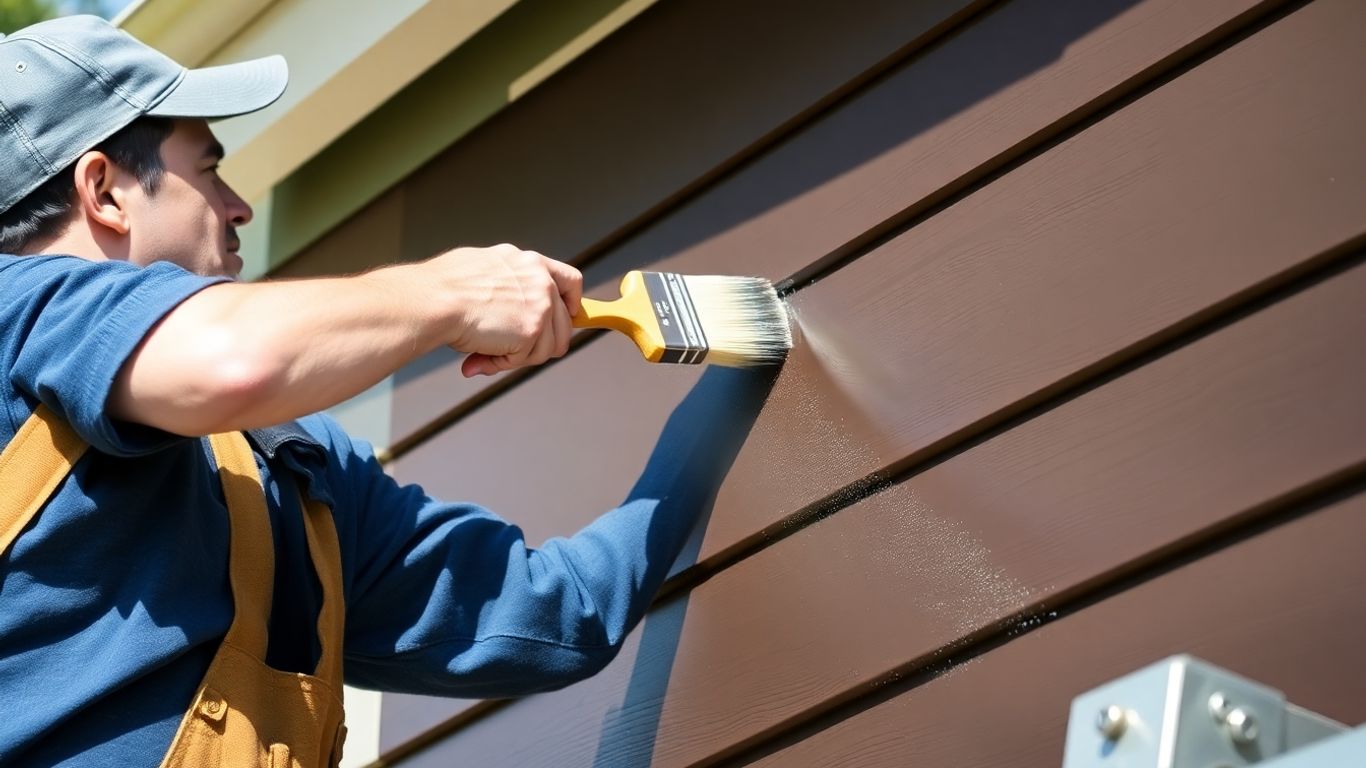
So, you've picked out the perfect color and the right kind of paint. Now comes the part where it all comes together: the actual painting. This isn't just about slapping some color on the walls; it's a process that requires skill and attention to detail to make sure that paint job lasts and looks good. Getting it right means your home is properly shielded from the weather for years to come.
Professional Techniques for Superior Adhesion
When it comes to getting paint to stick well, especially outdoors where it has to deal with sun, rain, and temperature changes, there's a bit of an art to it. Professionals know that the surface needs to be just right. This means cleaning it thoroughly, often with power washing, to get rid of dirt, chalking, and old, peeling paint. After cleaning, they look for any spots that need fixing. For bare wood or areas where the old paint is really worn down, using an oil-based primer is a smart move. It seals the surface and gives the new paint something solid to grip onto, which is key for a long-lasting finish. This preparation step is honestly half the battle.
Ensuring Even Coating and Optimal Drying Conditions
Applying paint evenly is more than just making it look pretty; it's about creating a consistent barrier. You don't want thin spots where the weather can get in, or thick globs that might crack later. Painters use specific tools and techniques, like maintaining a consistent brush or roller pressure and working in sections, to achieve this. They also pay close attention to the weather. You can't just paint anytime. It needs to be dry out, not too humid, and not too cold. If the paint dries too fast or too slow, it can cause problems.
- Temperature: Most paints do best between 50°F and 85°F (10°C and 30°C).
- Humidity: High humidity can slow drying and affect adhesion.
- Sunlight: Direct, hot sun can make the paint dry too quickly on the surface, leading to brush marks.
- Rain: Obviously, you can't paint if it's raining, and you need a few hours of dry weather after painting.
The goal is to create a uniform film of paint that can effectively repel water and withstand UV exposure. This requires careful application and a good understanding of how environmental factors influence the paint's performance.
The Role of Multiple Coats in Fortifying Your Home
One coat might look okay, but for real protection, you usually need more. A second coat, and sometimes even a third, adds significant strength. It fills in any tiny gaps you might have missed with the first coat and builds up a thicker layer of defense. This layered approach is what really makes the paint job tough against the elements. Think of it like building a strong wall – one layer of bricks is okay, but multiple layers make it much more solid and secure. This is where you really see the protective qualities of good paint come into play.
Beyond Paint: Enhancing Your Home's Weatherproofing
So, you've picked out the perfect color and the paint is on, looking sharp. But what else can you do to really make sure your home is ready for whatever Mother Nature throws at it? It turns out, paint is just one part of the puzzle. There are other ways to add extra layers of defense.
Exploring Protective Sealants and Finishes
Think of sealants and finishes as the clear coat on a car, but for your house. They go on top of your paint, adding another barrier. These aren't about changing the color; they're all about protection. They can help block out extra moisture, stop UV rays from fading your paint too quickly, and even make it harder for mold and mildew to get a foothold. Plus, they can make cleaning your house's exterior a lot easier because dirt just doesn't stick as well. It’s a smart move if you live somewhere with a lot of rain or intense sun.
Complementary Coatings for Added Durability
Beyond basic sealants, there are some pretty advanced coatings out there now. Some use special ceramic technology, for example, to create a really tough surface. These aren't your average paint store finds; they're more like a high-tech shield. They can offer protection that lasts much longer than traditional paint alone. If you're looking for something that goes the extra mile in terms of durability and defense, you might want to look into these kinds of advanced exterior coatings. They can really make a difference in how long your paint job looks good and how well your home holds up. You can find more information on these types of solutions at Rhino Shield.
Maintaining Your Home's Shield Through the Seasons
Keeping your home protected isn't a one-and-done job. Your paint and any extra coatings need a little attention now and then, especially as the seasons change. Here’s a quick rundown:
- Spring Check-up: After winter, look for any cracks or peeling. Touch up any spots that need it.
- Summer Sun: Keep an eye on fading. If you notice it, consider if your protective layers are still doing their job.
- Fall Cleanup: Clear away leaves and debris from gutters and around the foundation. This stops moisture from getting trapped.
- Winter Prep: Make sure any gaps or openings are sealed to prevent water from getting in and freezing.
Taking these small steps throughout the year helps make sure your home's exterior stays strong and looks good, no matter the weather. It's about being proactive rather than waiting for a problem to pop up.
The Strategic Advantage of Professional Exterior Painting
Elevating Curb Appeal and Property Value
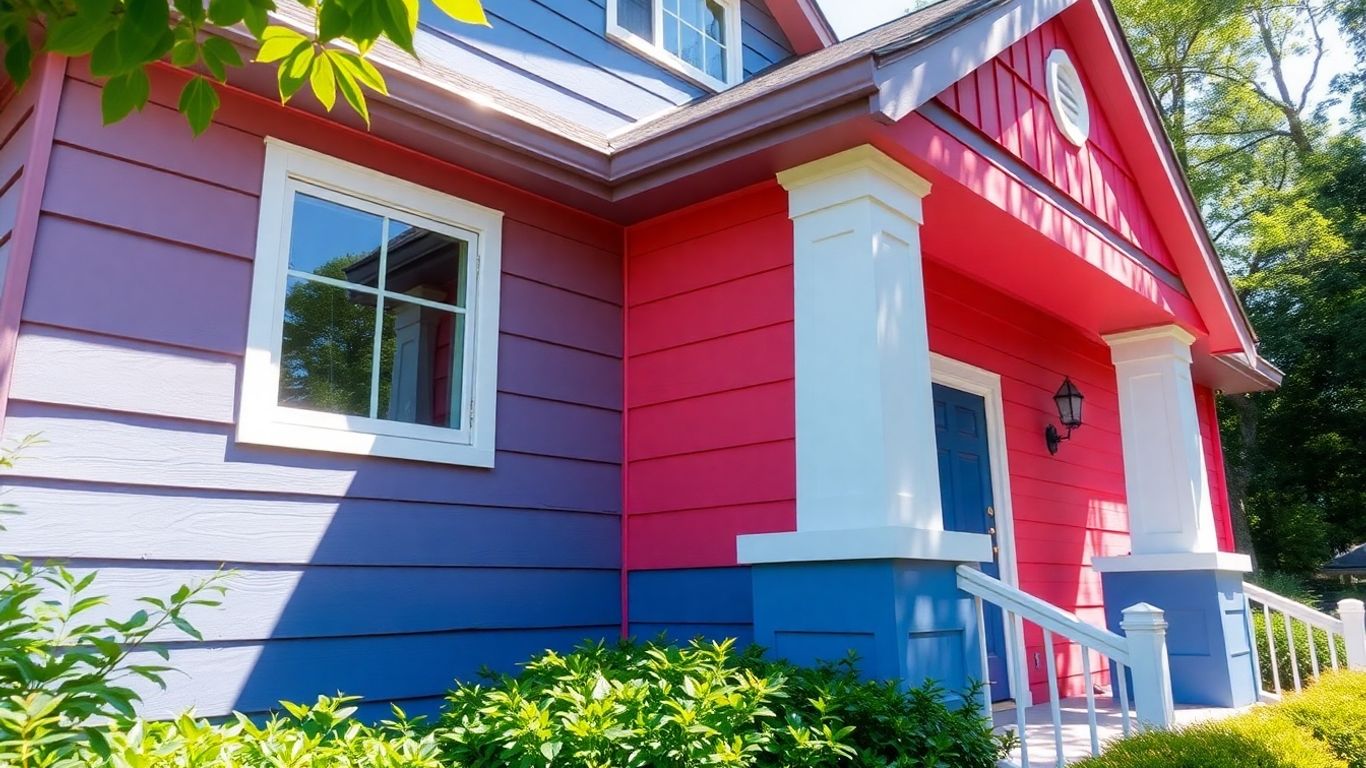
Let's be honest, a fresh coat of paint can make a house look brand new. But when you hire professionals, it's more than just a facelift. They know how to pick colors that work with your home's style and the neighborhood vibe, making it look sharp. A well-painted exterior doesn't just look good; it actually makes your home more attractive to potential buyers and can bump up its market value. It's like giving your house a confidence boost that everyone notices.
Proactive Preservation Against Costly Repairs
Think of professional painters as your home's first line of defense. They're not just slapping paint on; they're inspecting everything. They spot small issues like tiny cracks or peeling bits before they turn into big, expensive problems down the road. This careful prep work and quality application mean the paint job lasts longer, protecting the underlying materials from water damage and rot. It's way cheaper to paint now than to fix major structural issues later.
Expertise in Navigating Climate-Specific Challenges
Every region has its own weather quirks, right? Professionals understand this. They know which types of paint and finishes hold up best against intense sun, heavy rain, or freezing temperatures in your specific area. They'll choose products that resist fading, cracking, and mildew, tailored to your local climate. This smart selection means your paint job won't just look good for a season; it'll keep protecting your home year after year.
- Surface Prep: Professionals meticulously clean, scrape, sand, and caulk, creating a perfect canvas.
- Material Selection: They use high-grade, weather-resistant paints suited for your climate.
- Application Technique: Proper spraying or brushing techniques ensure even coverage and adhesion.
- Drying Conditions: They understand how temperature and humidity affect paint drying and curing.
Hiring pros means you're investing in a long-term shield for your home. They bring the tools, the know-how, and the experience to get the job done right, saving you time, hassle, and potentially a lot of money in the future.
| Factor | DIY Approach | Professional Approach |
|---|---|---|
| Time Investment | Significant; weekends and evenings | Minimal for homeowner; handled by the crew |
| Skill & Technique | Varies; potential for errors | High; consistent, quality application |
| Material Access | Limited to retail options | Access to premium, professional-grade products |
| Warranty/Guarantee | None | Often included, providing peace of mind |
Timing Your Project for Maximum Protection
Picking the right time to paint the outside of your house is a big deal. It’s not just about getting it done; it’s about making sure the paint actually does its job protecting your home. Think of it like planning a picnic – you wouldn't do it in a thunderstorm, right? Painting your house is similar; you need the weather to cooperate.
Selecting the Ideal Season for Exterior Painting
Most folks find that spring and fall are the sweet spots for exterior painting. The temperatures are usually pretty mild then, not too hot and not too cold. This is great because paint needs a certain temperature range to dry right and stick properly. If it's too hot, the paint can dry too fast, leading to streaks or a weak finish. Too cold, and it might not cure well at all, leaving it vulnerable. You want that paint to form a solid shield, and moderate weather helps it do just that.
Here’s a quick look at what makes different seasons good or not so good:
- Spring: Generally mild temps, good moisture levels, and longer daylight hours start to appear. It’s a popular choice for a reason.
- Summer: Lots of daylight means more painting time. However, extreme heat can be a problem, making paint dry too quickly. You also need to watch out for humidity and sudden rain showers.
- Fall: Often brings cooler, drier air, which is excellent for paint drying and curing. Just be mindful of earlier sunsets and potential frost later in the season.
- Winter: Usually too cold and damp for most exterior paints to perform well. Freezing temperatures are a definite no-go.
Optimal Times of Day for Application
Even within a good season, the time of day matters. You don't want to paint when the sun is beating down directly on the surface. That intense heat can make the paint dry way too fast, causing problems with how it goes on and how it sticks. It’s better to paint when the surface is shaded or when the sun is less intense.
- Early Morning: Often a good time before the day heats up too much. The dew needs to have evaporated, though.
- Late Afternoon/Early Evening: Can also work, as the direct sun starts to move away. Just make sure there’s enough time for the paint to dry before nightfall and any potential dew.
- Avoid Midday Sun: Especially during warmer months, the hottest part of the day is usually the worst time to paint.
Understanding Weather's Impact on Paint Longevity
Basically, if you paint when the weather isn't right, you're setting yourself up for trouble down the road. Paint that dries too fast, too slow, or gets rained on before it's cured won't last as long. It might peel, blister, or fade much sooner than it should. This means you'll be painting again sooner than you'd like, which costs more time and money.
The goal is to create a durable, protective layer that can stand up to whatever the weather throws at it for years to come. Rushing the job or painting in less-than-ideal conditions compromises that shield from the start. It’s worth waiting for those perfect days to get it done right.
So, keep an eye on the forecast, pick your season wisely, and choose your painting times carefully. It’s a small effort that makes a huge difference in how long your paint job lasts and how well it protects your home.
Picking the right time to paint your home can make a big difference in how long the paint lasts and how good it looks. Doing it when the weather is just right, not too hot, not too cold, and not too wet, helps the paint stick better and dry properly. This means your beautiful new paint job will stay looking great for longer. Want to know the best times of year for painting? Visit our website to learn more and get a free quote for your project!
Wrapping Up: Your Home's Best Defense
So, when it comes down to it, painting your home's exterior is way more than just picking a pretty color. It's like giving your house a solid shield against all the junk the weather throws at it – rain, sun, wind, you name it. Whether you decide to tackle it yourself or call in the pros, making sure it's done right means your home will look good and stay strong for a long, long time. Think of it as an investment in keeping your place looking sharp and holding up, no matter what season it is.
Frequently Asked Questions
What makes exterior paint weather-resistant?
Exterior paints have special ingredients called polymers and additives. These work together to create a strong shield that keeps water out, stops the sun from fading the color, and handles changes in temperature without cracking. It’s like giving your house a tough, protective coat.
Why is proper preparation so important before painting?
Think of it like building a strong foundation for a house. If the walls aren't clean, smooth, and repaired, the paint won't stick well. This means it could peel or bubble later. Good prep ensures the paint lasts much longer and protects your home better.
How many coats of paint are usually needed?
Most of the time, two coats are best. The first coat seals the surface and provides a base. The second coat gives you the full, rich color and adds another layer of protection. This makes the paint job tougher and more durable.
Can I paint my house in any season?
It’s best to paint when the weather is mild, like in the spring or fall. Extreme heat or cold can make the paint dry too fast or too slow, which can affect how well it sticks and protects your home. Avoid painting on very windy or rainy days too.
What’s the difference between paint and a sealant?
Paint gives your house color and a basic layer of protection. Sealants or finishes are often applied over the paint. They add an extra shield, like making the paint even more waterproof or resistant to sun damage, helping it last even longer.
How does professional painting help my home's value?
A professional paint job makes your house look great from the outside, which is called curb appeal. This makes it more attractive to visitors and potential buyers. It also shows that you take good care of your home, which can increase its overall market value.


Comments
Post a Comment