Urgent Warning: 7 Critical Signs Your Deck or Walls Demand Immediate Waterproofing
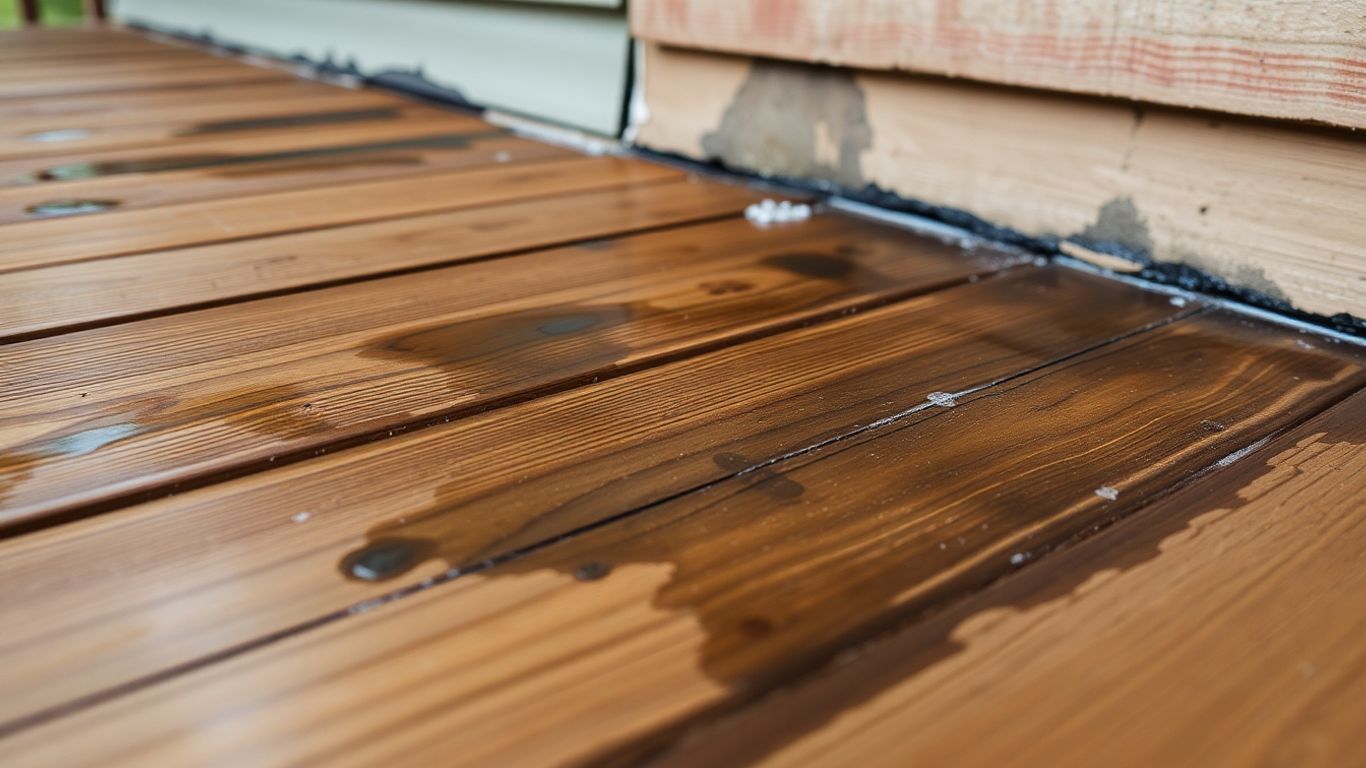
Your deck and walls are the first line of defense against the elements, but sometimes they need a little extra help. Ignoring the warning signs can lead to bigger problems down the road, like costly repairs and even structural damage. It's important to know what to look for so you can catch issues early. This article will walk you through some of the most common and critical signs your deck or walls need waterproofing immediately.
Key Takeaways
- Water stains on ceilings or walls are a clear sign of leaks that need immediate attention.
- Musty odors or visible mold in attics or basements suggest hidden moisture problems.
- Sagging deck surfaces or cracks in roof membranes indicate structural weakness and water penetration.
- Pooling water on interior surfaces is a serious red flag for roof failure.
- Rust marks on concrete or metal components point to corrosion and potential structural compromise.
Water Stains On Ceilings
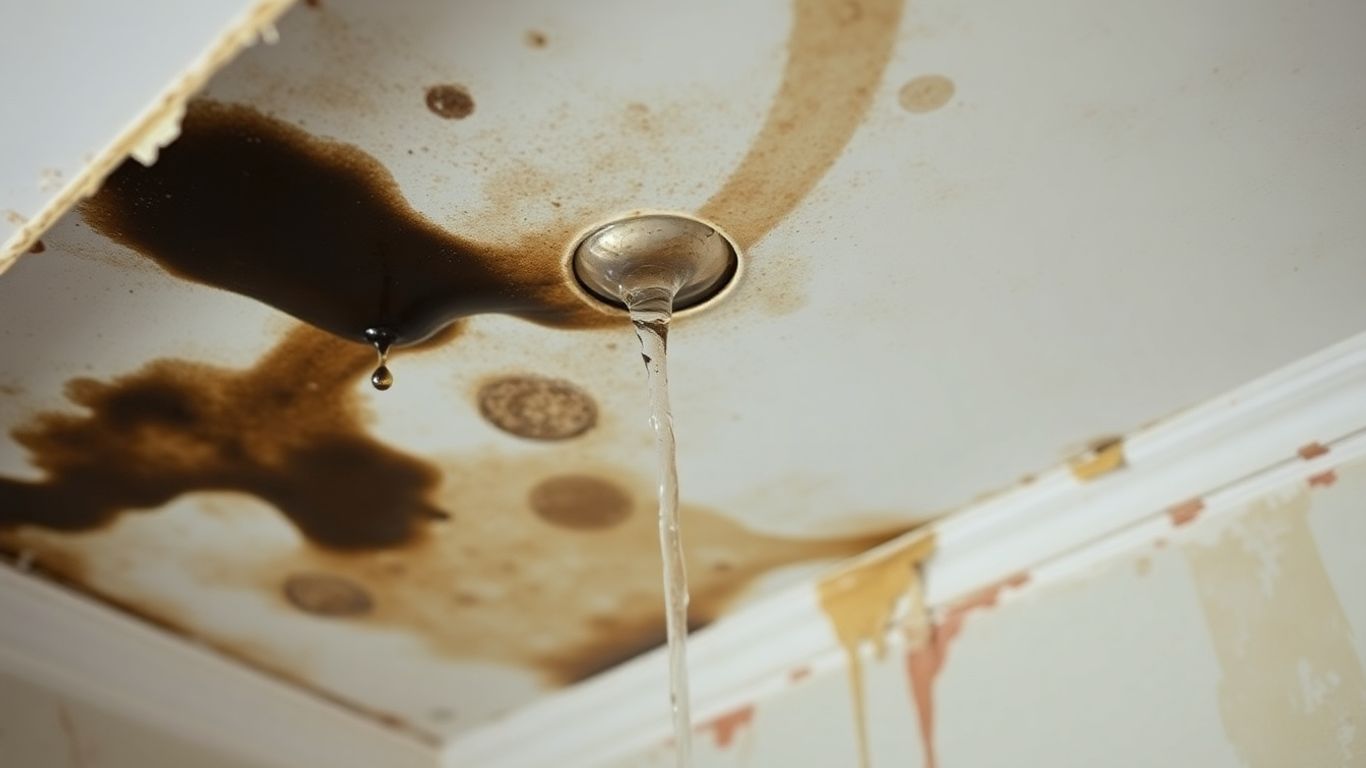
You know those ugly brown rings that sometimes show up on your ceiling? Yeah, those aren't just a cosmetic issue. Water stains on ceilings are a pretty clear sign that something is leaking above, and it's usually your roof. It might start small, like a few faint spots in the corner, but don't ignore them. This is your house telling you it's got a problem that needs attention, and fast.
Think about it: water has to get through your roof, then likely through your attic insulation, and finally down to your ceiling drywall. That's a whole journey for water, and every step of the way, it's causing damage. The longer it sits there, the weaker your ceiling material gets, and the more likely you are to see paint bubbling or even the drywall starting to sag.
Here's what you should be looking for:
- Faint yellow or brown spots: These are often the first signs. They might look dry, but they mean water has been there.
- Darker, larger patches: These indicate a more significant or ongoing leak.
- Bubbling paint or wallpaper: The moisture is starting to break down the adhesive or paint.
- Sagging drywall: This is a serious warning sign that the material is saturated and could potentially collapse.
It's not just about the ceiling itself, either. That water could be dripping onto your attic's wooden beams, insulation, or even electrical wiring. Over time, this can lead to rot, mold growth, and electrical hazards. So, when you see those stains, it's time to get a professional to check out your roofing system and figure out exactly where the water is coming from. Ignoring it is just asking for bigger, more expensive repairs down the road.
Mold Growth In Attics
You know that slightly damp, earthy smell that sometimes hangs around? If you're noticing that in your attic, it's a pretty big red flag. Mold and mildew love damp, dark places, and your attic can become just that if water is getting in. This isn't just about a bad smell; mold can actually start to eat away at the wooden beams and insulation in your attic, weakening the structure over time. Plus, mold spores can travel through your home, which isn't great for your air quality or your health.
The presence of mold in your attic is a clear sign that moisture is accumulating, and that moisture is likely coming from a roof leak or poor ventilation.
Here's what to look out for:
- Discoloration: Check the wood framing and insulation for dark spots, fuzzy patches, or any unusual coloring. This is often the first visual cue of mold.
- Dampness: Feel the insulation and wood. If it feels wet or is visibly damp, that's a problem.
- Water Stains: Look for water marks on pipes, vents, or the underside of the roof sheathing.
It's easy to think, 'Oh, it's just the attic, who cares?' But that mold is a symptom of a bigger issue. It means water is getting where it shouldn't be, and it's not going to fix itself. Ignoring it can lead to more expensive repairs down the line, not to mention potential health issues for your family.
If you spot mold, don't just try to wipe it away. That usually doesn't solve the underlying water problem. You need to figure out where the water is coming from and fix that first. Then, you can deal with the mold itself.
Sagging Deck Surfaces
Okay, so you've got a deck, right? And maybe you've noticed it's not quite as flat as it used to be. We're talking about those spots where it looks like it's dipping or bowing, especially in the middle. This is a big deal, folks, and it's not just about looks. It's a clear sign that the structure underneath isn't holding up like it should.
Think about it: your deck is designed to be a nice, level surface. When it starts to sag, it means the beams, joists, or even the ledger board (that's the part connecting the deck to your house) might be struggling. This can happen for a bunch of reasons, like rot, insect damage, or just plain old wear and tear over time. Wood can get waterlogged and lose its strength, or fasteners can loosen up. If you have a concrete deck, cracks or settling can cause similar issues.
Here's what you should be looking out for:
- Visible dips: Walk across your deck and pay attention to any areas that feel softer or look lower than the rest.
- Unevenness: Check if the surface is no longer flat. You might see it more clearly when looking from the side.
- Cracks or separation: Look for cracks in the wood planks or separation where the deck meets the house.
- Water pooling: If water sits on your deck after it rains, that's a sign it's not draining properly, which can lead to structural problems.
Don't just ignore a little dip. What seems minor now can quickly become a serious safety hazard. A sagging deck is a warning that the support system is compromised, and it could eventually fail, leading to injuries or expensive repairs. It's like a car making a weird noise – you wouldn't just turn up the radio, right?
If you're seeing any of these signs, it's time to get a professional to take a look. They can figure out exactly what's causing the sag and what needs to be done to fix it before it becomes a bigger, more dangerous problem.
Cracks In Roof Membranes
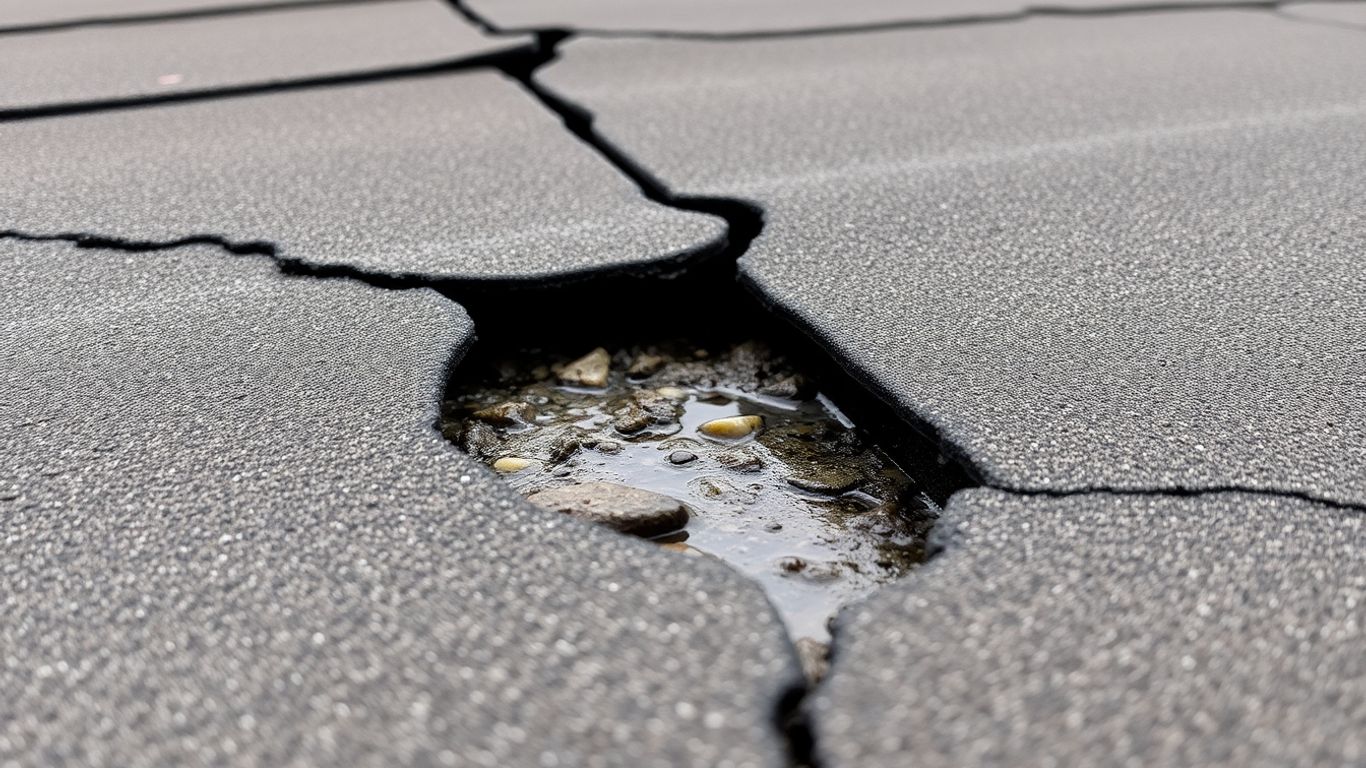
You know, sometimes you look up at your roof, especially if it's a flat one, and you just don't see anything obviously wrong. But then you start noticing little things, like tiny cracks appearing in the membrane. These aren't just cosmetic issues; they're like little open doors for water to sneak in. These cracks can start small but quickly grow, especially with temperature changes and weather.
Think about it – a roof membrane is supposed to be a solid, watertight shield. When it starts to crack, that shield is broken. This can happen for a bunch of reasons. Maybe the roof is just getting old and the material is becoming brittle. Or perhaps there was some stress on the roof, like something heavy being placed on it, or even just the natural expansion and contraction from hot days and cold nights. Sometimes, poor installation can lead to weak spots that turn into cracks down the line.
Here’s what you should be looking out for:
- Linear cracks: These are long, thin splits that often appear along seams or where different parts of the roof meet.
- Spiderweb cracks: These look like a network of small cracks spreading out from a central point, often a sign of material fatigue.
- Cracks near edges or penetrations: Areas around vents, pipes, or where the roof meets a wall are common spots for cracks to form because they're more complex and can experience more stress.
If you see these, it's a pretty clear sign that water is going to find its way in. And once water gets under the membrane, it can cause all sorts of hidden damage, like rotting the wood underneath or causing mold to grow. It's really important to get these fixed before they turn into a much bigger, more expensive problem. A professional inspection can help identify these issues early, and there are various repair methods available, including patching and sealing, to restore the integrity of your flat roof membranes.
Don't ignore small cracks. They are early warnings that your roof's protective layer is failing and needs attention. Addressing them promptly can save you a lot of headaches and money down the road.
Pooling Water On Interior Surfaces
You know that feeling when you see a small puddle forming where it absolutely shouldn't be? Yeah, that's a big red flag. Seeing water pooling on interior surfaces, like your floors or even in unexpected spots on walls, is a clear sign that something's wrong with your waterproofing. It's not just about a little mess; this indicates that water is getting in and can't get out properly.
This often happens because drainage systems are blocked or damaged. Think about your gutters and downspouts – if they're clogged with leaves and debris, water has nowhere to go. It backs up and can seep into your walls or foundation. The same goes for flat roofs or decks where the slope isn't quite right, or the membrane has failed. Water just sits there, looking for the easiest way in.
Here are a few common culprits:
- Blocked Gutters and Downspouts: Leaves, twigs, and other gunk can create dams, forcing water to overflow.
- Improper Deck or Roof Slope: If water doesn't have a clear path to drain, it will pool.
- Compromised Waterproofing Membranes: Tears, cracks, or old, worn-out membranes on flat surfaces will let water through.
- Foundation Drainage Issues: Sometimes, water pooling near your home's base can find its way inside.
Don't ignore these puddles. What starts as a small amount of standing water can quickly lead to bigger problems like rot, mold, and serious structural damage. It's like a slow leak in a boat – you might not notice it at first, but eventually, it'll sink you.
If you're noticing water collecting in places it shouldn't, it's time to get a professional to check out your drainage and waterproofing systems. They can figure out exactly where the water is coming from and how to fix it before it causes more trouble.
Musty Odors
That persistent, unpleasant smell that seems to linger in the air? It's often more than just an annoyance; it's a strong indicator that moisture has found a way into your home's structure. Think of it like a warning siren for your walls and decks. This dampness creates the perfect breeding ground for mold and mildew, and those are the culprits behind that classic musty scent.
Don't ignore this smell, as it often signals hidden water problems that can worsen over time.
Here's why that odor is a big deal:
- Trapped Moisture: The smell usually means water is getting trapped somewhere it shouldn't be, like inside wall cavities, under floorboards, or within the layers of your deck. This moisture doesn't just disappear on its own; it needs to be addressed.
- Mold and Mildew Growth: These microscopic organisms thrive in damp, dark environments. Once they start growing, they release spores into the air, which causes that distinct musty smell. Beyond the odor, mold can also damage building materials and potentially affect indoor air quality.
- Material Degradation: Constant dampness weakens materials like wood and drywall. Over time, this can lead to structural issues, making your deck or walls less stable and more prone to other problems.
If you're noticing this smell, especially after rain or in humid conditions, it's time to investigate. It could be a sign that your waterproofing is failing and needs attention. Addressing it early can save you from more extensive and costly repairs down the line. Sometimes, the source is as simple as a minor leak, but other times it points to a more widespread issue with your waterproofing system.
Efflorescence On Concrete
You might not think much of it at first, but those chalky white splotches you see on concrete or masonry? That's efflorescence, and it's a pretty clear sign that water is moving through your structure. Basically, minerals and salts within the concrete are getting dissolved by water, and then as that water evaporates, it leaves these powdery deposits behind. It's like a little white flag waving from your walls, saying 'Hey, there's moisture in here!'
This isn't just about looks; it means water is actively penetrating your concrete. Over time, this constant moisture can weaken the concrete itself and, more worryingly, can lead to corrosion of any steel reinforcement (rebar) hidden inside. When steel rusts, it expands, which puts immense pressure on the surrounding concrete, leading to cracks and spalling (where chunks of concrete break off).
Here's what to keep an eye out for:
- Powdery white residue: This is the classic sign. It can appear on walls, foundations, patios, or any concrete surface.
- Damp spots that linger: If an area stays wet long after it rains or after you've washed something, it's a clue.
- Discoloration around joints or cracks: Water often finds its way through these weak points, and the evaporation process can leave traces.
- Deterioration of the concrete surface: In more advanced cases, you might see the concrete surface starting to break down or crumble.
Ignoring efflorescence is like ignoring a leaky faucet; it might seem minor now, but it's a symptom of a bigger problem that will only get worse and more expensive to fix if left unattended. It's a direct indicator that your waterproofing might be failing and water is getting where it shouldn't be.
Think of it this way: if you see this white powder, it means water is getting into the concrete and then coming out as it dries. That's not what concrete is supposed to do, and it's a definite red flag for your waterproofing system.
Rust Marks
You know, sometimes the smallest things can be the biggest clues. Like rust. If you're spotting rust marks on your deck or walls, especially near metal fixtures or fasteners, that's a pretty solid sign that water is getting where it shouldn't be. This isn't just about looks; it's a warning about underlying moisture issues.
Think about it. Metal rusts when it's exposed to water and air. If you see rust bleeding down your walls or staining your deck boards, it means that the metal components – maybe screws, nails, brackets, or even rebar within concrete – are getting wet. This constant moisture can weaken these metal parts over time, and when steel rusts, it expands. This expansion can put pressure on surrounding materials like concrete or wood, leading to cracks or even structural damage down the line.
Here's what to keep an eye out for:
- Reddish-brown streaks: These are the most obvious signs, often appearing below metal fasteners or joints.
- Corrosion on visible metal: Check any exposed metal hardware. If it looks pitted, flaky, or has a fuzzy texture, it's corroding.
- Stains around anchor points: If you have railings or other fixtures attached with metal, look for discoloration around where they meet the deck or wall.
It's like a little alarm bell going off. That rust is telling you that water is finding a way in, and it's starting to cause trouble. Addressing it early can save you a lot of headaches and money later on. It might be time to look into waterproofing solutions for your deck or walls.
The expansion of rust can exert significant force on surrounding materials, potentially causing them to crack or break apart. This is particularly concerning in concrete structures where expanding rust can lead to spalling, where chunks of concrete break away, exposing the reinforcing steel to even more moisture and accelerating the decay process.
Loose Railings
Okay, so you've got a deck or a balcony, and the railings are starting to feel a little... wobbly. This isn't just annoying; it's a serious safety issue. When railings aren't firmly attached, they can't do their job of keeping people safe. Think about it – a railing is supposed to withstand a good amount of force. If it moves when you lean on it, that's a big red flag that the connection points are failing.
This often happens because the fasteners holding the railing posts to the deck structure are corroding or loosening up. Water gets in around the bolts or screws, and over time, it eats away at the metal or the wood it's attached to. You might see rust stains around the base of the posts, or the wood itself might look soft or crumbly.
Here’s what you should be looking out for:
- Wiggle Test: Grab the railing firmly and try to move it side-to-side and front-to-back. Any noticeable play or looseness is a problem.
- Visual Inspection: Look closely at where the railing posts meet the deck. Are there any signs of rust, corrosion, or wood rot? Is the wood splintered or soft around the attachment points?
- Listen for Noises: Sometimes, as you walk on the deck or lean on the railing, you might hear creaking or groaning sounds. This can indicate that the connections are stressed and not as secure as they should be.
Railings are designed to handle a specific amount of lateral force. If they shift or feel unstable under normal pressure, the underlying structure or the attachment hardware is likely compromised. This isn't something to put off; it's a direct safety hazard waiting to happen.
If you notice any of these signs, it's time to get it checked out. A professional can assess the attachment points, identify the cause of the looseness, and make the necessary repairs to ensure your railings are secure and safe for everyone.
Missing Shingles
You know, sometimes you just glance up at your roof and think, 'Looks okay.' But then you notice a few shingles are just… gone. It's like a missing tooth in a smile, right? A missing shingle might seem small, but it's a big deal for your home's protection.
Think about it. Each shingle is like a tiny shield. When one goes missing, especially during a storm, it leaves a gap. Water can then get right in there, under the shingles that are still there, and start doing damage. It doesn't just sit on top; it seeps down.
Here's why you should really pay attention:
- Direct Entry Point: That missing spot is an open invitation for rain, snow, and even wind-blown debris to get under your roof's protective layer.
- Compromised Underlayment: The stuff under the shingles, the underlayment, isn't meant to be exposed to the elements for long. A missing shingle means it's exposed, and it can start to break down pretty quickly.
- Deck Damage: If water gets past the underlayment, it hits the roof deck – that's the wood structure underneath. This can lead to rot, which is a much bigger and more expensive problem to fix.
- Attic Issues: Leaks from missing shingles often show up first in your attic, leading to mold and mildew problems that can affect your home's air quality.
It's not just about the missing ones, either. Sometimes shingles can get cracked or curled. Those are like weak spots, where water can start to get in even if the shingle is still technically in place. You might see this more often around edges or near things that stick out of the roof, like vents or chimneys.
If you see a shingle missing, especially after a windy day or a big storm, don't just ignore it. It's your roof telling you it needs attention, and the sooner you get it fixed, the less likely you are to have bigger, more costly problems down the road. It’s way easier to replace one or two shingles than to deal with water damage in your attic or walls.
So, next time you're outside, take a good look. Are all the shingles accounted for? If not, it's time to call someone who knows roofs.
Are your roof shingles looking a bit sad and worn out? Missing shingles can lead to bigger problems down the road, like leaks and damage to your home's structure. Don't let a few missing pieces cause a cascade of issues! We can help you get your roof back in top shape. Visit our website today to learn more about our roofing services and how we can protect your home.
Don't Wait for Disaster: Act Now
So, you've seen some of those warning signs we talked about – maybe a musty smell, some weird stains, or even a bit of sagging. It's easy to put off, right? I get it. Life's busy. But honestly, ignoring these things is like ignoring a little drip under your sink until your whole kitchen floods. Water damage creeps in, doing its worst work behind the scenes, and before you know it, you're looking at a much bigger, much more expensive problem. Checking your decks and walls for these issues isn't just about keeping things looking nice; it's about protecting your home's structure and your wallet. Give it a look, and if you're seeing anything concerning, it's probably time to call in a pro. Seriously, a little attention now can save you a lot of headaches later.
Frequently Asked Questions
What are the first signs that my deck or walls need waterproofing?
Keep an eye out for water stains appearing on your ceilings or walls. Also, if you notice any musty smells, especially in enclosed areas like attics or basements, it's a strong hint that moisture is getting in where it shouldn't be.
Why is mold growth in the attic a problem for waterproofing?
Mold loves damp places. If you see mold or mildew in your attic, it means there's been moisture trapped there for a while, likely coming through a leak in your roof or walls. This moisture can damage the wood and other materials over time.
How can I tell if my deck surface is starting to fail?
A sagging deck is a big warning sign. If parts of your deck feel soft, look sunken, or have visible cracks, it means the wood underneath might be rotting or the structure isn't as strong as it should be. This often happens because of water getting into the wood.
What does pooling water on my floors or other surfaces mean?
Seeing water collect on your floors, especially after rain, or noticing drips from the ceiling is a clear sign of a serious leak. This indicates that your waterproofing has failed, and water is getting inside your home.
Are rust marks on my deck or walls something to worry about?
Yes, rust marks are a sign of water damage, especially on metal components. Rust means metal is reacting with water and air, which weakens the metal over time. This can be a problem for fasteners, railings, or any metal supports.
What if my railings feel loose or wobbly?
Loose railings are a safety hazard and often point to underlying water damage. Moisture can weaken the connections where the railings attach to the deck or wall, making them unstable. This needs to be checked and fixed right away.


Comments
Post a Comment