Beyond the Weekend Warrior: Why Exterior Painting Demands Professional Expertise
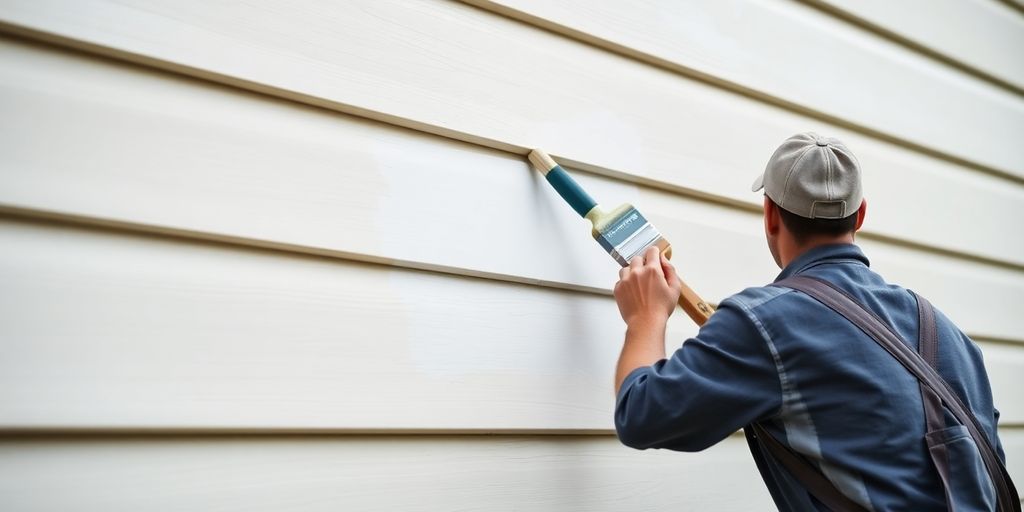
Thinking about painting your house yourself this weekend? It's a common thought, right? How hard can it be to grab a brush and get going? Well, if you've ever actually tried it, you know it's way more involved than it looks. That fun part of rolling on paint is just a small piece of a much bigger puzzle. Exterior painting, in particular, brings a whole new level of challenges that most homeowners don't realize until they're knee-deep in it. So, why is exterior painting not a weekend job, and why should you leave it to the pros?
Key Takeaways
- Exterior painting involves much more than just applying paint; proper prep work, like cleaning and sealing, takes up a significant portion of the time.
- DIY exterior painting can be more expensive than expected due to the need for specialized tools, materials, and potential mistakes.
- Safety is a major concern with exterior painting, especially when working at heights or with equipment, making professional handling a safer choice.
- Professional painters have the skills and experience to select the right materials and apply them correctly for a durable, high-quality finish.
- Hiring professionals saves time and reduces stress, leading to better results and a more appealing, valuable home.
Why Exterior Painting Isn’t a Weekend Job: Leave It to the Pros
So, you're thinking about tackling that exterior paint job yourself this weekend? I get it. It seems like a straightforward way to save some cash and maybe get a little DIY satisfaction. But let me tell you, from personal experience, it's rarely as simple as it looks. Painting the outside of your house is a whole different ballgame compared to slapping some color on an interior wall. It's a big project, and honestly, most of us weekend warriors aren't really prepared for the reality of it.
The True Scope of Exterior Painting Projects
When you look at your house, you see walls that need paint. But a professional sees a complex system. They're thinking about the weather, the type of siding, the existing condition of the surface, and how everything needs to work together to protect your home. It’s not just about making it look pretty; it’s about adding a layer of defense against the elements. That’s a pretty big difference from just wanting a new look for your living room.
Beyond the Brushstrokes: What Professionals Handle
Professionals do a lot more than just apply paint. They're the ones who really know how to prep the surface, which is probably 70% of the job. This includes things like:
- Power washing to get rid of dirt, grime, and mildew.
- Scraping away old, peeling paint.
- Sanding surfaces smooth for better adhesion.
- Applying primer where needed.
- Caulking gaps and cracks to seal out moisture.
They also have the right tools and know how to use them safely, which is a huge deal when you're working several feet off the ground. Plus, they understand the different types of paint and finishes and which ones will hold up best in our local climate. It’s a lot to consider, and frankly, most of us don't have the time or the know-how to do it all properly.
The Hidden Complexity of Home Exteriors
Think about it: your home's exterior isn't just flat surfaces. You've got trim, windows, doors, gutters, and all sorts of nooks and crannies. Each of these requires a different approach and a steady hand. If your house was built before 1978, there's also the potential for lead paint, which needs special handling and disposal. Professionals are trained to deal with these complexities, and they have the equipment to reach those high, tricky spots without risking a fall. It’s a job that requires skill, patience, and a good bit of know-how, which is why leaving it to the pros is often the smartest move. Hiring a professional painter costs between $2 and $6 per square foot, but the quality and longevity can make it a worthwhile investment for your home's exterior.
The Unseen Value of Professional Preparation
When you’re looking at getting your house painted, it’s easy to think it’s just about picking a color and slapping some paint on. But honestly, the real magic, the stuff that makes a paint job last and look really good, happens before the brush even touches the wall. This is where professional painters really shine, and it’s a part of the job most DIYers underestimate.
Surface Cleaning and Mold Remediation
First off, that old paint and grime? It’s got to go. Pros know how to properly clean surfaces, getting rid of dirt, chalking, and any mildew or mold that might be lurking. Mold isn't just ugly; it can actually eat away at your siding and cause bigger problems down the line. Professionals have the right cleaners and pressure-washing techniques to get surfaces spotless and safe for new paint. They’re not just rinsing it off; they’re killing the spores so it doesn’t come right back.
The Critical Role of Caulking and Sealing
Think of caulk and sealant as the house's raincoats. If there are any cracks or gaps around windows, doors, or where different materials meet, water can seep in. This can lead to rot, mold, and all sorts of structural damage. Painters will carefully go around and seal up all these little openings. It’s tedious work, but it’s super important for protecting your home from the elements and making sure the paint job itself doesn't fail because of moisture issues. It’s a key step in making your paint job last.
Addressing Lead Paint Concerns
This is a big one, especially for older homes. If your house was built before 1978, there’s a good chance the old paint contains lead. Disturbing lead paint can release toxic dust, which is really dangerous to inhale. Professionals are trained to identify lead paint and know the safe procedures for dealing with it, whether that’s encapsulating it or removing it properly. They have the right gear, like respirators and containment systems, to keep themselves and your family safe. Trying to DIY this without the proper knowledge and equipment is just asking for trouble.
Proper preparation isn't just about making the paint look good; it's about protecting your home's structure and ensuring the paint adheres correctly for years to come. It’s the foundation of a quality paint job.
Safety First: Navigating Exterior Painting Hazards
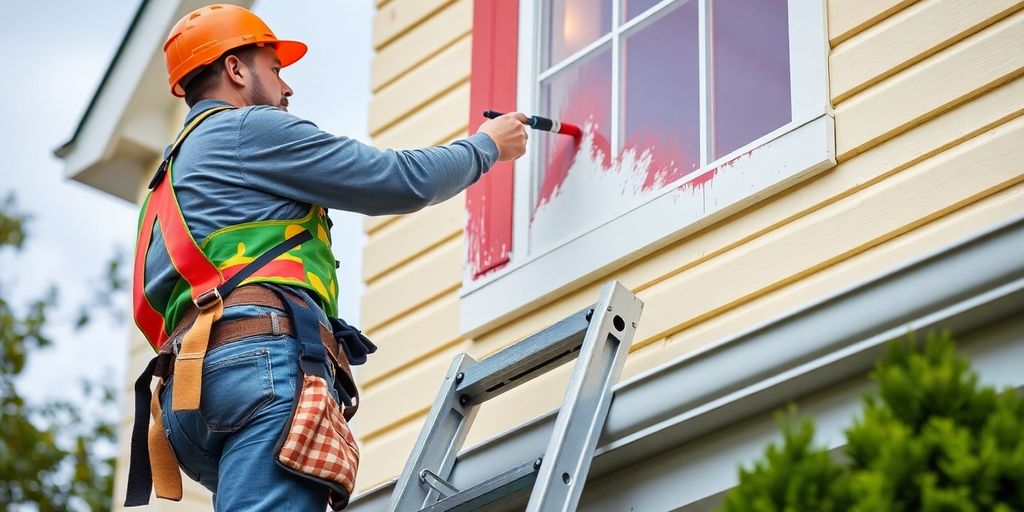
Ladder Safety and Working at Heights
When you think about painting the outside of your house, the first thing that might pop into your head is the color or how much paint you'll need. But honestly, you really should be thinking about safety. Exterior painting often means you're going to be up on a ladder, sometimes pretty high up. It's not like painting a small section of fence; we're talking about multiple stories for some homes. And it's not just about climbing the ladder; you've also got to manage paint cans and tools while you're up there. Pros know how to balance all that, and they understand how to level ladders on uneven ground, which is a big deal for staying safe. Professionals are trained to handle these heights and equipment safely.
Handling Equipment with Expertise
Beyond just ladders, there's other gear involved in exterior painting that can be tricky. Think sprayers, scaffolding, or even power washers for cleaning. Using these tools correctly is important not just for getting a good finish, but for avoiding injuries. A pro painter knows the ins and outs of each piece of equipment, how to maintain it, and how to use it efficiently without causing damage or getting hurt. They've likely seen and used a lot of different tools over the years, so they're comfortable with them.
The Importance of Professional Insurance
This is a big one that many DIYers overlook. If you're painting your own house and something goes wrong – say, you fall off a ladder or damage a neighbor's property – you're on your own. Professional painting companies carry insurance. This means if an accident happens on your property, their insurance covers the medical bills or the cost of repairs. It’s a safety net for everyone involved. It’s good to know that if something unexpected happens, there’s a plan in place. You can find out more about safe painting practices at ainting safety practices.
Trying to do it all yourself can seem like a good way to save money, but when you factor in the risks, the specialized tools you might need to buy, and the time it takes, it often doesn't add up. Plus, if you're not experienced, you might end up making mistakes that cost more to fix than hiring someone would have in the first place.
Time Efficiency and Cost-Effectiveness
The True Cost of DIY Painting
Thinking about tackling exterior painting yourself to save a buck? It’s a common thought, but let’s break down what that really means for your wallet and your time. When you’re not a seasoned pro, the cost of supplies can add up fast. You might buy the wrong type of primer, or maybe you grab a paint that just doesn’t hold up well in the weather. Plus, you’ll need all sorts of tools – brushes, rollers, trays, drop cloths, painter’s tape, ladders, maybe even a power washer. If you don’t already have these, that’s a significant upfront investment. And what if you miscalculate how much paint you need? Buying extra cans or, worse, running out mid-job and having to make a special trip can be a real headache and a drain on resources. It’s easy to underestimate the total cost when you’re just looking at the price of a gallon of paint.
Professional Speed and Skill
Professional painters are efficient for a reason. They’ve got the experience to know exactly how much paint to use, how to apply it smoothly without drips, and how to get the job done in a fraction of the time it would take someone less experienced. They’re used to working on ladders and scaffolding, and they know the best techniques for different surfaces. This speed means less disruption to your life and your home. They can often complete a project in days that might take a DIYer weeks, especially if you’re trying to fit it in around work or other commitments. It’s about getting a quality finish without the prolonged hassle.
Avoiding Costly Mistakes and Material Waste
One of the biggest hidden costs of DIY painting is the potential for mistakes. A poorly prepped surface can lead to peeling paint down the line, meaning you’ll have to do the job all over again sooner than you’d like. Using the wrong application method, like spraying without proper masking, can result in paint getting everywhere it shouldn’t, creating more cleanup work or even damaging other parts of your property. Professionals understand the importance of proper surface preparation and the right paint for the job, which prevents these costly errors. They also know how to manage materials efficiently, reducing waste. For instance, they can often buy paint in bulk, getting better prices, and they know how to use every drop effectively. This careful approach saves money and ensures the paint job lasts, protecting your home and saving you from future expenses. Painting the exterior of your house is a cost-effective method to enhance property value and safeguard it against Canada's severe weather conditions, so getting it right the first time is key. Painting your home is an investment, and professionals help ensure that investment pays off.
When you factor in the cost of tools, potential mistakes, wasted materials, and the sheer amount of time you’ll spend, the price difference between DIY and professional exterior painting often shrinks considerably. It’s not just about the paint; it’s about the entire process and the final outcome.
Achieving Professional Results and Durability
Expertise in Paint Selection and Application
Getting the paint job right isn't just about slapping color on walls. Professionals know that the type of paint matters a lot, depending on the surface and the weather it'll face. They understand which paints hold up best against sun, rain, and temperature changes. For example, they know when to use a high-quality acrylic latex for siding that needs to flex with the heat, or a specific oil-based enamel for metal trim that needs extra protection. It’s about picking the right product for the job, and that knowledge comes from experience. They also know the best way to apply it – whether it's spraying for a smooth, even coat on large areas or using brushes and rollers for detailed work. This careful selection and application process is what makes the paint job look good and last for years. It’s a big reason why hiring someone who does this for a living makes sense, especially when you look at the long-term results. You can check out different painting services to see their approach here.
Attention to Detail for a Flawless Finish
When you look at a professionally painted house, you notice how clean the lines are, how the paint doesn't get on the windows or trim, and how every surface looks perfectly covered. That's all down to attention to detail. Pros spend a lot of time on prep work, like masking off areas that shouldn't be painted and making sure surfaces are perfectly smooth before the first drop of paint goes on. They'll fill tiny cracks, sand down rough spots, and make sure everything is clean. This careful approach means no drips, no missed spots, and a really smooth, even finish that you just don't get with a quick DIY job. It’s the difference between a house that looks okay and one that looks truly polished and well-cared for.
The Impact of High-Quality Materials
Using good materials makes a huge difference in how long your paint job lasts and how it looks. Professionals know which brands and types of paint offer the best durability and color retention. They understand that cheaper paint might save money upfront, but it often fades faster, peels, or doesn't cover as well, meaning you'll have to repaint sooner. They also use high-quality primers, sealants, and caulk, which are just as important as the paint itself for protecting your home from the elements and ensuring a smooth finish. Investing in better materials means the paint job can withstand weather and wear for many more years, saving you money and hassle in the long run. It’s about building a protective layer that keeps your home looking good and prevents damage.
Seasonal Considerations for Exterior Painting
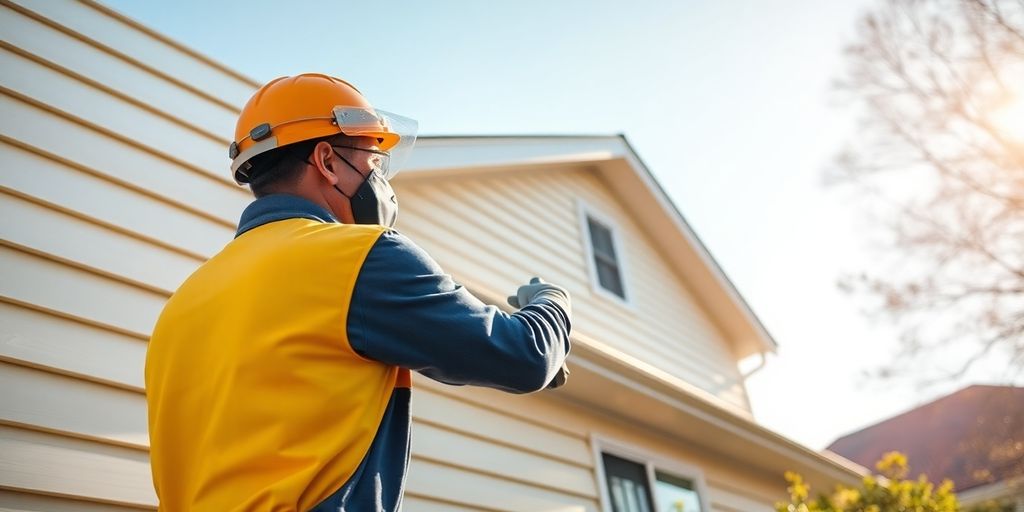
When you're planning to paint the outside of your house, the season you choose can really make a difference. It's not just about picking a nice day; the weather actually affects how the paint goes on and how long it lasts. Trying to paint when it's too hot, too cold, or too wet can lead to problems down the road.
Summer's Heat and Humidity Challenges
Summer can seem like a good time because it's usually dry. Warm temperatures help paint dry, but there's a tricky side. If it gets too hot, the paint can dry too fast. This might cause it to crack or bubble, which looks bad and doesn't protect your house well. High humidity can also slow down drying and affect the finish. You need the right balance of warmth and dryness for the best results. For example, painting when the temperature is between 10°C and 25°C is often recommended to avoid these issues.
Fall's Ideal Conditions and Shorter Days
Fall is often considered a sweet spot for exterior painting. The temperatures are usually milder, not too hot and not too cold, which is great for paint application. The air is often less humid too. However, the biggest challenge in fall is the shorter daylight hours. Professional painters have to plan their work carefully to make sure they can finish painting sections before the sun goes down early. This means efficient work and good time management are key.
Winter's Cold and Spring's Unpredictability
Winter generally isn't a good time for exterior painting. Most paints need certain temperatures to set properly, and cold weather can prevent this, leading to poor adhesion and durability. While some newer paint formulas can handle lower temperatures, it's still a riskier time to paint. Spring can be good, with mild temperatures returning, but it comes with its own set of problems. Spring often brings more rain, and unexpected showers can easily ruin a freshly painted surface. You have to be ready to adjust your schedule if the weather doesn't cooperate.
Enhancing Your Home's Value and Appeal
The Curb Appeal Factor
Let's be honest, the first impression your house makes is a big deal. It’s what people see when they drive by, what potential buyers notice first, and frankly, it’s what makes you feel good coming home. A professional exterior paint job does wonders for this. It’s not just about slapping some color on the walls; it’s about creating a look that’s inviting and shows you care about your property. Think about it: a house with peeling paint and faded colors just doesn't have that same welcoming vibe as one with a fresh, even coat. This visual upgrade can significantly impact how people perceive your home's overall condition.
Long-Term Durability and Maintenance
When you hire pros, they’re not just painting; they’re protecting your investment. They use quality paints and know how to apply them so they last. This means your paint job can withstand the weather – sun, rain, snow – for years without cracking or fading. It’s a lot less hassle than constantly touching up or repainting yourself. Plus, a good paint job makes cleaning easier. Dirt and grime tend to wash off a well-maintained surface more readily than a neglected one. It’s about making your home look good and keeping it that way with less effort over time.
The Investment in Professional Work
Sure, hiring painters costs money upfront, but it’s really an investment. You’re paying for their skill, their tools, and the time they save you. A poorly done DIY job can end up costing more in the long run because you might have to fix mistakes or repaint sooner. Professionals also know how to pick the right paint for your home’s specific needs, which can prevent damage from things like moisture or UV rays. This careful selection and application process means your paint job will look great and hold up better, ultimately adding more value to your home than a rushed weekend project ever could. It’s about getting a result that lasts and makes your home more attractive, whether you plan to sell soon or just want to enjoy it for years to come. For more on how painting affects property value, check out home resale value.
When you think about the total cost, including materials, your time, and the potential for mistakes, hiring a professional painter often makes more financial sense for exterior work. They have the equipment and knowledge to do the job right the first time, saving you money and headaches in the long run.
So, Should You Grab That Brush?
Look, we get it. The idea of saving a few bucks by painting your house yourself is tempting. But after looking at all the prep work, the safety risks, and the sheer amount of time it really takes, maybe it’s time to rethink that DIY approach. Professionals have the know-how and the tools to get the job done right, and honestly, it often ends up saving you headaches, and maybe even money, in the long run. Your house deserves a good paint job, and sometimes, the best way to get that is to let someone who does this for a living handle it.
Frequently Asked Questions
Why is exterior painting more complicated than it looks?
Painting your house's outside is way more than just slapping on some color. It involves cleaning the walls really well, fixing any cracks with caulk to keep the weather out, and sometimes dealing with old paint that might have lead in it. Pros know how to do all these tricky steps to make sure the paint looks good and lasts a long time.
What are the safety risks of painting a house yourself?
When you paint the outside of your house, you often have to climb ladders, sometimes really high ones. This can be dangerous if you're not used to it. Professional painters know how to use ladders and other equipment safely, and they also have insurance in case something goes wrong.
Is it really cheaper to do exterior painting yourself?
It might seem cheaper to paint it yourself, but think about this: you'll need to buy or rent tools like ladders, power washers, and drop cloths. Plus, pros often get discounts on paint. Doing it yourself also takes a lot longer, so you might end up spending more money and a lot more time than you planned.
How do professional painters get better results?
Pros know exactly which type of paint and primer works best for your house's material and the weather. They also have special tools that help them apply paint smoothly and evenly, avoiding drips and streaks. This means your paint job will look better and last much longer.
Does the season affect exterior painting?
The best times to paint outside are usually spring and fall when the weather is mild. Summer can be too hot, making paint dry too fast, and winter is too cold. Pros know how to work with the weather to get the best results, even if it means adjusting their schedule.
How does professional exterior painting help my home's value?
Yes, a good paint job makes your house look much nicer from the street, which is called curb appeal. It also protects your house from the weather, so you won't have to do repairs as often. Hiring professionals means you get a quality job that lasts, which can actually increase your home's value.


Comments
Post a Comment