The Costly Consequences: What Happens When You Skip Deck Waterproofing After Refinishing
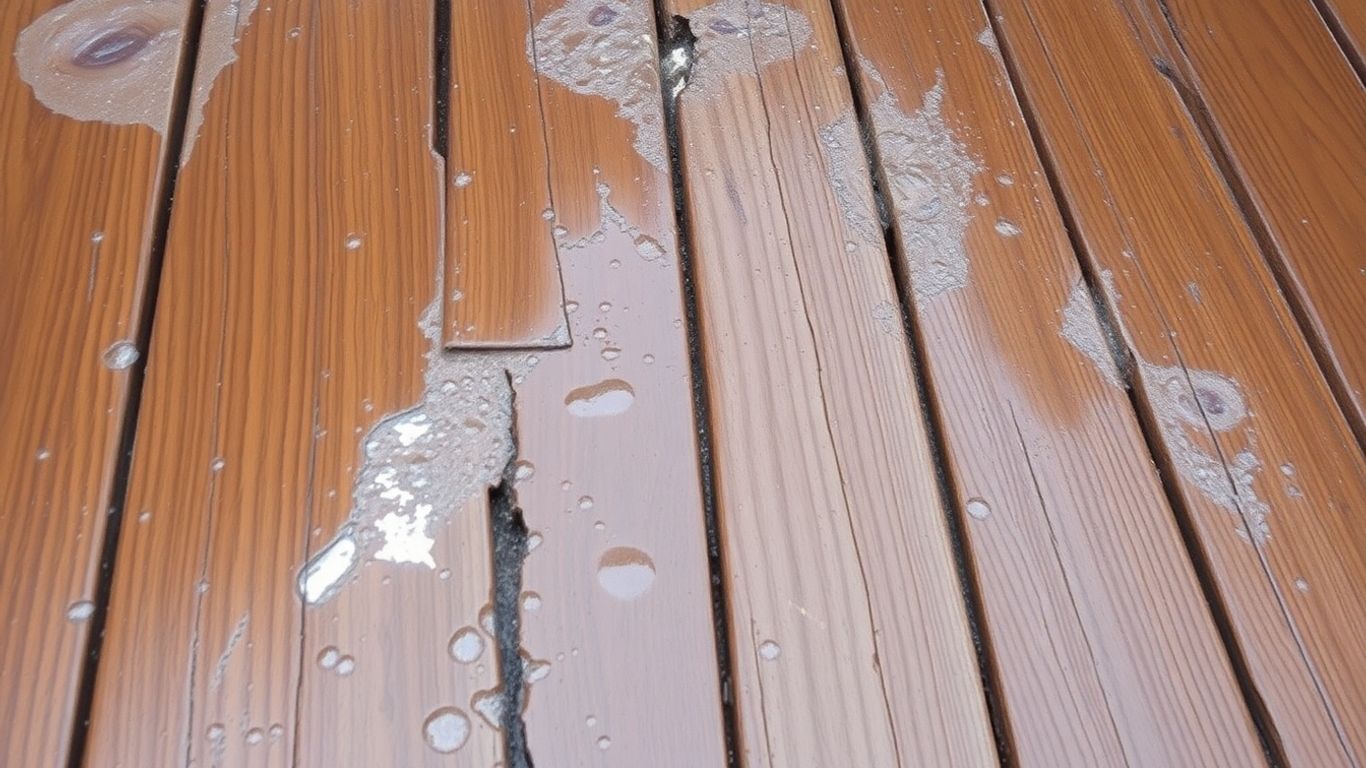
So, you just finished giving your deck a nice facelift. Looks great, right? But hold on a sec. Did you remember to seal it up properly afterward? Skipping that waterproofing step after refinishing might seem like a small oversight, but let me tell you, it can lead to some pretty big headaches down the road. We're talking about more than just a little cosmetic damage; this can get expensive and even affect how safe your deck is. Let's talk about what happens when you skip deck waterproofing after refinishing.
Key Takeaways
- Skipping deck waterproofing after refinishing lets moisture sneak in, leading to wood rot and mold growth that can weaken the structure over time.
- Untreated moisture accelerates the rusting of metal parts like screws and railings, making them weak and potentially causing them to fail.
- Water can seep under membranes and around seals, causing tears and leaks that are hard to find and fix, especially around railings and pipes.
- Small problems like cracked seals or standing water can quickly turn into major repair jobs that cost a lot more than waterproofing would have.
- A deck that isn't waterproofed properly can look bad with discoloration and warping, and worse, it can become unsafe to use.
The Insidious Spread Of Wood Rot And Mold
You know, after you spend all that time and money getting your deck looking sharp again, the last thing you want is for it to start falling apart from the inside out. But that's exactly what can happen if you skip the waterproofing step. It's like putting a fancy new coat of paint on a leaky old house – it looks good for a bit, but the real problems are still there, just waiting.
Hidden Moisture Trapped Beneath The Surface
Think about it. When you refinish a deck, you're often sealing the surface. If there's no proper waterproofing underneath, any water that gets past that new finish – maybe from rain, spilled drinks, or even just dew – has nowhere to go. It gets trapped. This trapped moisture is a perfect breeding ground for all sorts of nasty stuff. It's the hidden water that does the most damage because you can't see it happening.
The Unseen Damage From Condensation Build-Up
It's not just rain or spills. Even temperature changes can cause problems. On a hot day, the air under your deck can be cooler. When warm, moist air from inside your house or the outside environment hits that cooler surface, it can condense, just like water droplets forming on a cold glass. If your deck isn't properly waterproofed, this condensation can soak into the wood over time. It’s a slow, silent killer for your deck’s structure.
When Rotting Wood Becomes A Structural Hazard
This is where things get serious. That trapped moisture and condensation lead to wood rot. At first, it might just be a soft spot you notice when you walk on it, or maybe a slight discoloration. But rot spreads. It eats away at the wood fibers, weakening the joists, beams, and even the decking boards themselves. What started as a minor oversight can turn your once-sturdy deck into a dangerous structure that could collapse under weight. It’s not just about looks anymore; it’s about safety for everyone who uses it.
Accelerated Corrosion Of Metal Components
When you skip waterproofing after refinishing your deck, you're not just leaving the wood vulnerable. All those metal bits holding your deck together – the screws, the nails, the brackets, the railings – they're also at risk. Moisture that seeps into the wood doesn't just cause rot; it also starts a nasty process called corrosion, or rusting, on any metal it touches.
Weakened Fasteners And Structural Connectors
Think about all the screws and nails holding your deck boards down, or the bolts connecting the frame to your house. When water gets in and sits on these metal parts, rust starts to form. This rust eats away at the metal, making it weaker over time. It's like a slow-motion demolition.
- Rust weakens the metal, reducing its ability to hold things together.
- Fasteners that look okay on the surface might be significantly compromised underneath.
- This can lead to wobbly deck boards or, in worse cases, structural failure.
The Risk Of Railing And Bracket Failure
Railings and the brackets that hold them up are usually made of metal, and they're often exposed to the elements. If the waterproofing is shot, water can get behind the railings, around the mounting points, and into the brackets. This leads to rust, which can make railings unstable or even cause them to detach completely. Imagine leaning on a railing that suddenly gives way – not a good situation.
The constant cycle of getting wet and drying out, especially with untreated wood nearby, is a perfect storm for metal corrosion. It's not just about how it looks; it's a serious safety concern.
Stainless Steel As A Protective Alternative
One way to fight back against this kind of corrosion is to use better materials. While standard galvanized steel might offer some protection, it's not invincible. For areas where moisture is a big concern, or if you're replacing components, opting for stainless steel is a smart move. It costs more upfront, sure, but it holds up way better against rust and corrosion, meaning it'll last a lot longer and keep your deck safer.
| Component Type | Standard Material Risk | Stainless Steel Benefit |
|---|---|---|
| Fasteners | High risk of rust | Excellent corrosion resistance |
| Railings | Prone to bracket failure | Superior durability and longevity |
| Brackets | Weakens over time | Maintains structural integrity |
Compromised Waterproofing Membranes And Sealants
Tears And Deterioration Leading To Leaks
Think of your deck's waterproofing membrane and sealants as the skin protecting it from the elements. When that skin gets damaged, water finds a way in, and that's never good. Over time, things like harsh sun, freezing temperatures, and just plain old wear and tear can cause these protective layers to crack, peel, or become brittle. You might start seeing little gaps along the edges or where different parts of the deck meet. These small openings are like tiny invitations for water to seep underneath, where it can do a lot of unseen damage. It’s not just about puddles on the surface; it’s about what’s happening below, where rot and corrosion can start their sneaky work.
The Critical Role Of Flashing In Water Redirection
Flashing is that often-overlooked strip of material, usually metal, that's installed at joints and edges to guide water away from vulnerable spots. It's especially important where your deck meets the house, around railings, or where pipes come through. If the flashing isn't installed right, or if it gets damaged or corroded, water can get behind it and start working its way into the deck's structure. This is a major reason why decks fail inspections. It’s not just about having flashing; it’s about having it installed correctly, with the right slope, and made from materials that won't rust out quickly.
Addressing Penetrations Around Railings And Utilities
Every post, every pipe, every light fixture that goes through your deck is a potential weak spot. These are called penetrations, and they need to be sealed up tight. If the sealant around a railing post, for example, cracks or pulls away, water can drip down the post and into the wood or joists below. This is a common area where inspectors look closely because it's so easy for water to get in if not properly protected. Using specialized sealants and flashing designed for these specific points is key to preventing leaks that can lead to bigger problems down the road.
The Escalation Of Minor Issues Into Major Repairs
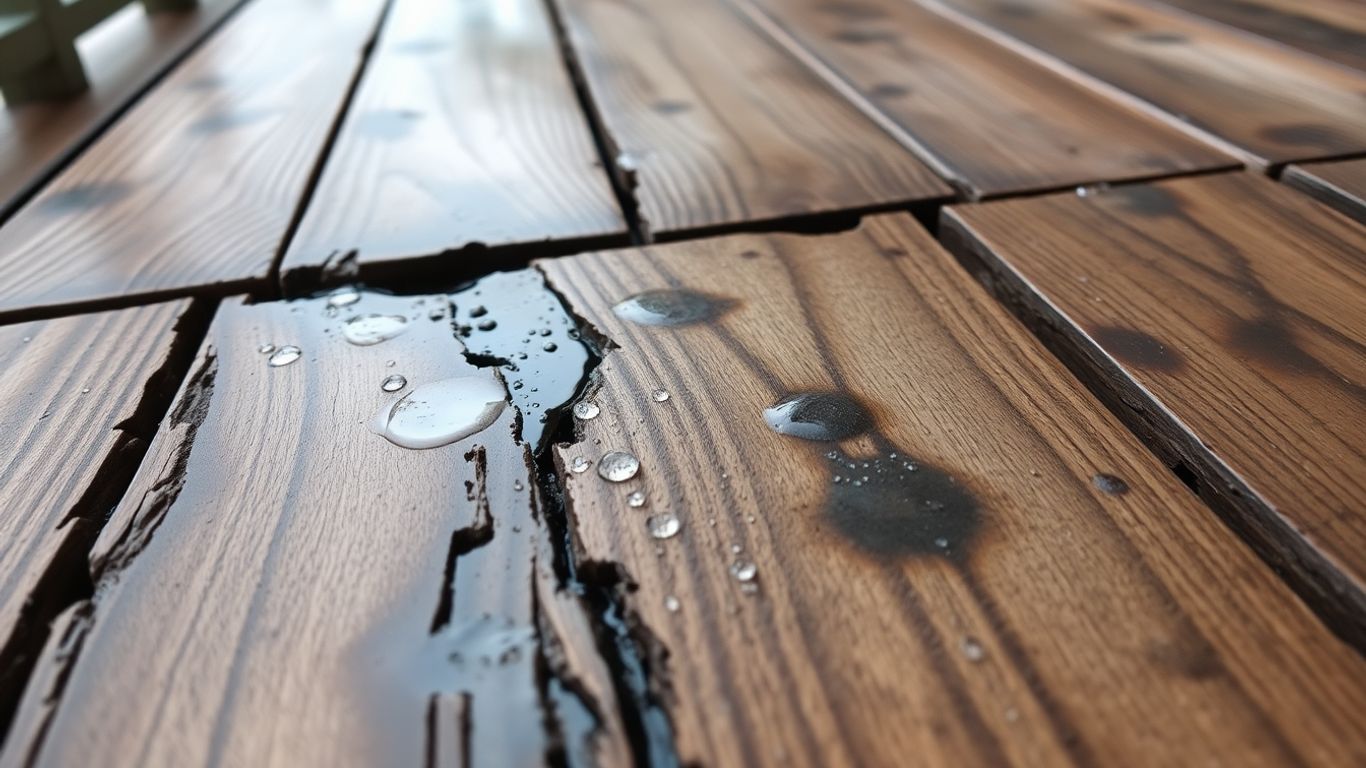
It’s easy to look at your deck and think, “Oh, that little crack in the sealant? No big deal.” Or maybe a board feels a little soft underfoot, but it’s not like the whole thing is collapsing, right? Well, that’s exactly how small problems start to grow into really expensive headaches. Ignoring those little warning signs is like ignoring a tiny leak in your roof – eventually, it’s going to cause a lot more damage than just a drip.
From Cracked Sealants To Costly Replacements
Think about the sealant around the edges of your deck or where railings meet the wood. If it starts to crack or pull away, water can get underneath. At first, it might just make a small area of wood look a bit darker. But give it time, especially through freeze-thaw cycles in colder climates, and that water can start to rot the wood from the inside out. What started as a simple resealing job can turn into needing to replace entire sections of decking or even joists if the rot spreads deep enough. It’s a classic case of a few dollars saved on caulk turning into hundreds or even thousands of dollars in repairs.
The Impact Of Neglected Maintenance On Longevity
Regular upkeep isn't just about making your deck look good; it's about making it last. When you skip cleaning, resealing, or just generally not paying attention, you’re basically giving moisture and pests an open invitation. This constant exposure wears down the wood and any protective coatings much faster than they should. A deck that’s properly maintained might last 20-30 years, but one that’s neglected? You might be looking at half that lifespan, or even less, before major structural issues force a costly rebuild.
Understanding The True Cost Of Water Damage
Water damage isn't just about the wood getting soggy. It's a chain reaction. Moisture gets in, it causes rot, rot weakens the structure, and weakened structures can become unsafe. Plus, that moisture can corrode metal fasteners, like screws and nails, making them less effective at holding your deck together. You might notice boards becoming loose or railings feeling wobbly. These aren't just cosmetic issues; they're signs that the deck's integrity is compromised. The cost isn't just the repair bill; it's also the potential for accidents and the loss of value in your home.
Here’s a rough idea of how costs can stack up:
| Issue | Initial Fix (DIY Estimate) | Escalated Repair (Professional) |
|---|---|---|
| Cracked Sealant | $20 - $50 | $500 - $2,000+ |
| Minor Rotting Board | $50 - $100 | $1,500 - $5,000+ |
| Loose Fasteners | $10 - $30 | $1,000 - $4,000+ |
| Widespread Water Damage | N/A | $5,000 - $15,000+ |
It’s tempting to put off deck maintenance, especially when everything seems okay on the surface. But water is sneaky. It finds its way into the smallest gaps and can cause significant damage over time. What seems like a minor oversight today can quickly turn into a major structural problem that demands immediate and expensive attention. Thinking ahead and addressing small issues promptly is always the smarter, more cost-effective approach.
Diminished Deck Aesthetics And Structural Integrity
Skipping waterproofing after refinishing your deck isn't just about potential leaks; it's a fast track to making your deck look tired and feel unsafe. Water seeps into the wood, and over time, this constant moisture does a number on both how your deck looks and how sturdy it is.
Uneven Aging And Visible Discoloration
When water isn't properly shed, it sits on the surface or soaks into the wood unevenly. This leads to splotchy appearances, dark spots where mold or mildew starts to grow, and a general faded look that makes your deck seem older than it is. You might notice some boards looking much darker than others, or patches where the stain seems to have just washed away. It’s like your deck is getting a bad case of the blotches.
Warping And Splitting Of Untreated Lumber
Wood naturally expands and contracts with changes in moisture. Without a good waterproof barrier, this process becomes erratic. Boards can start to cup, twist, or warp, creating an uneven surface. Eventually, this constant stress can lead to splitting and cracking, especially along the grain. These splits aren't just ugly; they create little traps for more water and debris, making the problem worse.
The Safety Risks Of Unstable Decking
All this moisture and wood damage eventually impacts the deck's structure. Rotting wood loses its strength. Fasteners like nails and screws can rust and weaken, no longer holding boards securely. What starts as a cosmetic issue can turn into a real safety hazard. You might notice boards feeling soft underfoot, or railings that feel a bit wobbly. These are signs that the deck's integrity is compromised, and it might not be safe to use, especially for gatherings.
Ignoring the need for proper waterproofing after refinishing is a gamble. You might save a little time and money upfront, but the deck's appearance will suffer, and its structural soundness will be questioned. It's a recipe for a deck that looks bad and could eventually become dangerous.
Here's a quick look at what happens:
- Appearance: Stains fade unevenly, wood darkens, mold spots appear.
- Wood Condition: Boards warp, twist, and eventually split.
- Structural Issues: Fasteners rust, wood weakens, leading to instability.
It's a downhill slide from a beautiful refinished deck to one that's an eyesore and a potential safety risk. Regular maintenance, including proper waterproofing, is key to avoiding this.
Increased Risk Of Costly Professional Interventions
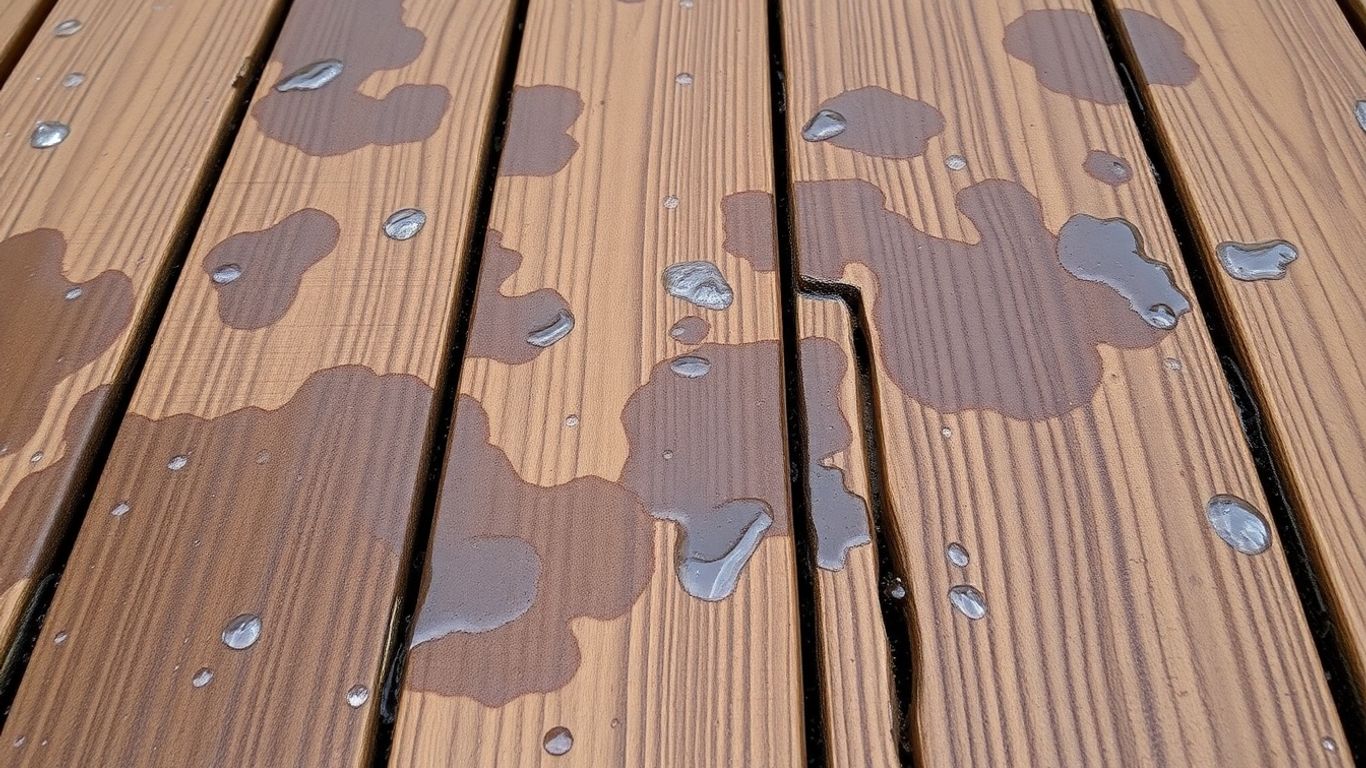
So, you skipped the waterproofing after refinishing your deck. Maybe you thought it was an unnecessary extra step, or perhaps you were just eager to start using your newly spruced-up outdoor space. Whatever the reason, that decision can come back to bite you, and often, it means calling in the pros to fix things. What starts as a minor oversight can quickly turn into a situation where DIY fixes just won't cut it anymore.
When DIY Fixes Lead To Expert Intervention
It’s easy to think you can handle small deck issues yourself. A loose board? Just screw it back down. A bit of peeling sealant? Slap some more on. But here’s the thing: these quick fixes often don't address the underlying problem. That loose board might be a symptom of rotting joists underneath, and that peeling sealant could mean water has already found its way into the wood structure. When these surface-level attempts fail, or worse, make the problem harder to diagnose, you’re left with a bigger mess than you started with. This is where professional deck repair services become necessary. They have the tools and the know-how to really get to the bottom of what's going on, something that’s hard to do without experience.
The Necessity Of Professional Deck Restoration
Ignoring water damage, even if it seems minor at first, is a recipe for disaster. Over time, moisture seeps into the wood, causing it to rot from the inside out. This isn't just about cosmetic issues; it affects the structural integrity of your entire deck. You might start noticing bouncy spots, or worse, your railings could become wobbly. These are serious safety concerns. Professionals can assess the extent of the damage, which often goes far beyond what the average homeowner can see. They can identify weakened joists, corroded fasteners, and compromised support beams. The average cost for deck repairs can range quite a bit, from a few hundred dollars for minor fixes to several thousand for more involved work, and skipping waterproofing definitely pushes you towards the higher end of that spectrum [ed28].
Protecting Your Investment With Expert Care
Think of your deck as a significant part of your home’s value. When waterproofing is neglected, you’re essentially leaving that investment vulnerable. Professional restoration services don't just patch things up; they aim to restore the deck's safety and longevity. This often involves:
- A thorough inspection to find hidden rot or structural weaknesses.
- Replacing damaged or compromised lumber and fasteners.
- Re-establishing proper drainage and sealing.
- Applying new, high-quality waterproofing membranes and finishes.
Skipping proper waterproofing after refinishing is like building a beautiful house on a shaky foundation. Eventually, the problems will surface, and the cost to fix them will be far greater than the initial investment in protection.
While it might seem like an added expense upfront, investing in professional deck restoration when issues arise is often more cost-effective than waiting for a complete deck failure, which could necessitate a full replacement. It’s about making smart choices to protect your property and ensure it remains a safe and enjoyable space for years to come.
Putting off small fixes can lead to bigger, more expensive problems down the road. Don't wait for minor issues to become major headaches. Visit our website today to learn how we can help you avoid costly repairs and keep your property in top shape!
Don't Let Water Win: Protect Your Deck
So, we've talked about how skipping waterproofing after refinishing your deck can really come back to bite you. It’s not just about how your deck looks, but how long it lasts and how safe it is. Water damage can sneak in, causing rot and weakening the whole structure, and that’s a headache nobody wants. It might seem like a small thing to skip that extra step, but trust me, the cost of fixing major water damage down the line is way more than doing it right the first time. Keep an eye on your deck, do the basic upkeep, and if you’re unsure, calling in the pros is always the best bet. A little bit of care now means a deck you can actually enjoy for years to come, without worrying about it falling apart.
Frequently Asked Questions
What happens if I don't waterproof my deck after refinishing?
Skipping waterproofing after refinishing is like leaving your house without a roof in a storm! Water can seep into the wood, causing it to rot and grow mold. This hidden damage can weaken the structure, making your deck unsafe and leading to expensive repairs down the line. It's a shortcut that costs a lot more in the long run.
How does water damage affect the wood on my deck?
When water gets into the wood and can't escape, it creates a perfect environment for rot and mold. This makes the wood soft, weak, and crumbly. Over time, this decay can spread, turning sturdy boards into a structural hazard that could even lead to collapse.
Can moisture cause metal parts of my deck to break?
Absolutely! Metal components like screws, nails, and railing supports can rust when they're constantly exposed to moisture. This rust weakens them, making them more likely to break or fail. Imagine your railing suddenly becoming loose – that's often due to corroded metal holding it together.
What are the signs that my deck's waterproofing is failing?
Look out for things like cracked or peeling paint or sealant, water stains appearing on the wood, areas where water seems to pool after rain, or even mold and mildew growth. You might also notice soft spots when you walk on the deck or see rust on metal fixtures.
How can I tell if my deck has structural problems from water damage?
If your deck feels spongy or soft in certain spots, if boards are warping or splitting, or if railings seem wobbly, these could be signs of underlying structural issues caused by water. It's best to have a professional check it out if you notice any of these problems.
When should I call a professional for deck repair?
If you spot widespread mold, significant wood rot, structural instability like sagging or wobbly parts, or if you've tried to fix a leak and it keeps coming back, it's definitely time to call in the experts. They have the tools and knowledge to fix the problem correctly and prevent future issues.


Comments
Post a Comment