Sun, Rain, and Time: The Devastating Consequences of Neglecting Your Deck Maintenance
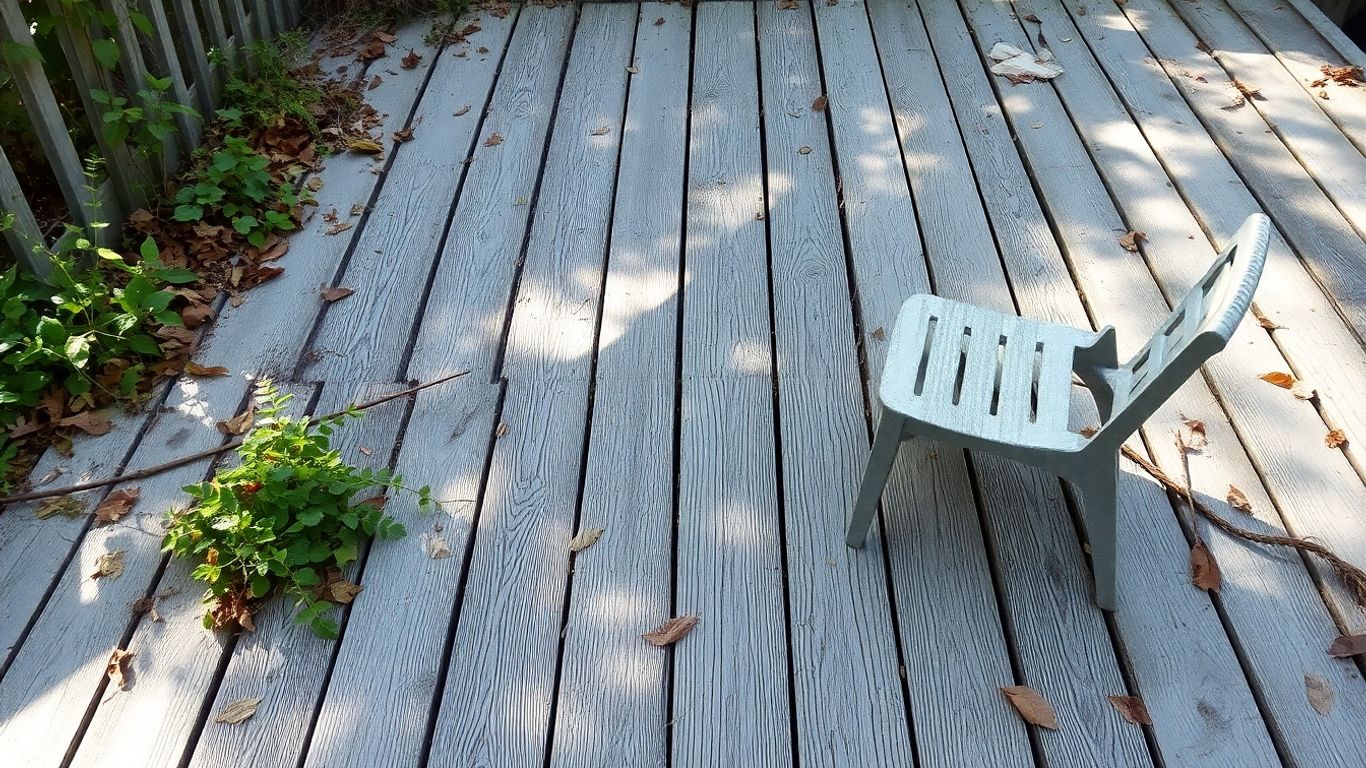
Your deck is a big part of your home's outdoor living space. But just like anything exposed to the elements, it needs some attention. If you've been putting off deck maintenance, you might not realize the damage that's quietly adding up. Sun, rain, and time are constantly working on your deck, and ignoring them can lead to some pretty serious issues down the road. Let's talk about what really happens when you skip deck maintenance.
Key Takeaways
- Wood naturally breaks down when constantly exposed to weather, especially moisture. This leads to rot and weakening over time.
- Sunlight fades and dries out wood, making it brittle and prone to cracking, which compromises its strength.
- Rainwater seeps into wood, encouraging mold, mildew, and rot, which can spread and weaken the deck's structure.
- Small problems like minor cracks or loose boards can quickly turn into major structural failures if not fixed.
- A neglected deck not only looks bad and lowers your home's value but can also become a safety hazard.
The Unseen Toll of Neglect: How Time Erodes Your Deck
So, you've got a deck. Nice! It's probably where you grill, chill, and generally enjoy the outdoors. But here's the thing: that beautiful wooden structure isn't going to stay beautiful on its own. Time, combined with the elements, is constantly working against it, and if you just ignore it, things can go south pretty fast. It’s not like a leaky faucet you can just ignore for a bit; a deck is a whole system, and when one part starts to go, it can drag the rest down with it.
The Slow Decay of Wood Under Constant Exposure
Wood is a natural material, and that's part of its charm, but it also means it's alive, in a way. It breathes, it expands, it contracts. When it's constantly out in the sun and rain, day after day, year after year, it just starts to break down. Think of it like a piece of paper left out in the weather. It gets soggy, then it dries out, gets brittle, and eventually just falls apart. Your deck boards are doing something similar, just much, much slower. The surface gets roughed up, the color fades, and tiny cracks start to appear. It’s not dramatic at first, but it’s happening.
How Moisture Becomes a Deck's Worst Enemy
Water is probably the biggest culprit when it comes to deck decay. It gets into the wood, swells it up, and then when it dries, it shrinks. This constant cycle of swelling and shrinking is really hard on the wood fibers. It makes them weak and prone to cracking. Plus, where there's moisture, there's often mold and mildew. You might see it as a green or blackish film on the surface, but it's actually eating away at the wood. And if water gets trapped underneath boards or in joints, it can cause rot that you can't even see until it's pretty bad. It’s like a slow-motion internal rot.
The Brittle Future of Neglected Decking
When wood dries out too much, especially after being repeatedly soaked and dried, it loses its flexibility. It becomes brittle. This means those little cracks you might have ignored can start to spread. A board that was just a bit weathered can become so weak that it snaps underfoot. This isn't just about looks anymore; it's about safety. The whole structure relies on each piece being strong enough to do its job. When pieces start to fail, the load gets shifted to other parts, and they start to fail too. It’s a domino effect, and it usually ends with a deck that’s not just ugly, but dangerous.
Sun's Harsh Reality: UV Rays and Their Destructive Power
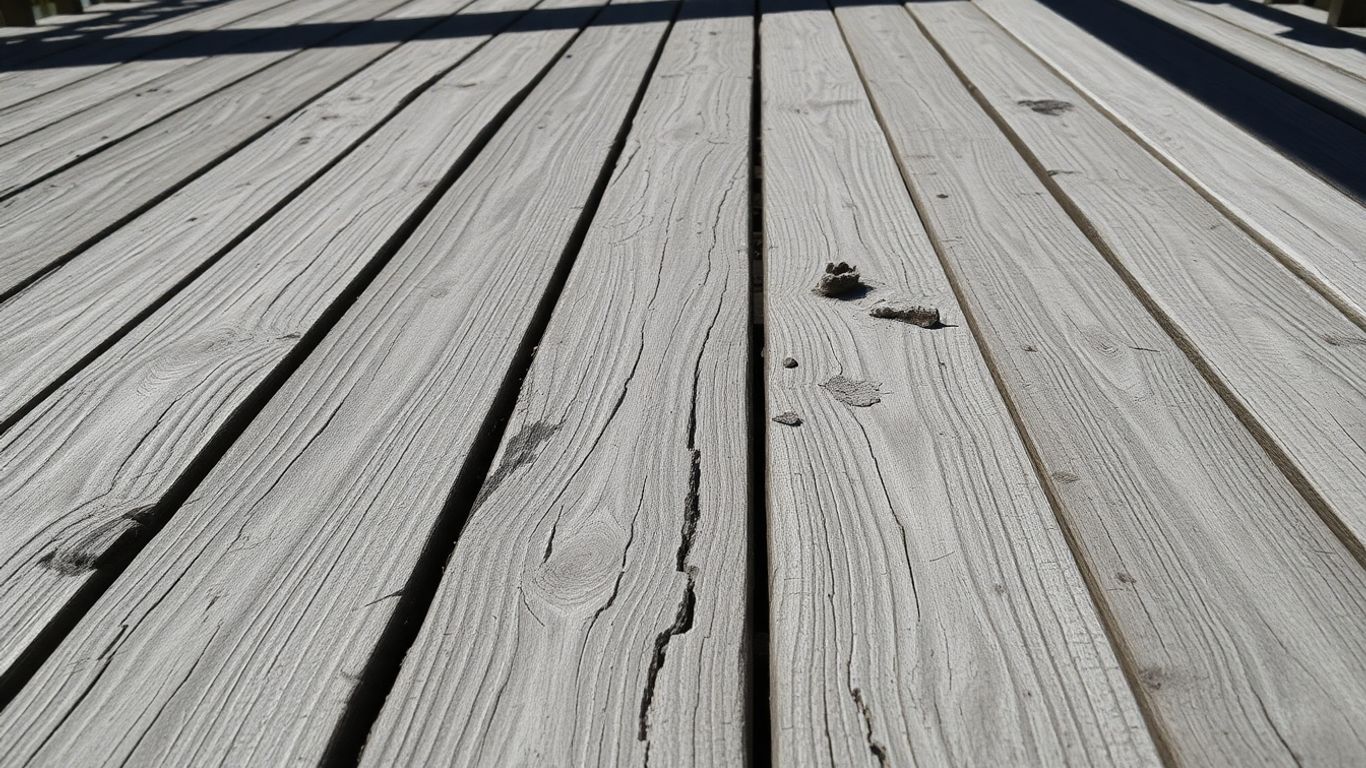
We all love a sunny day, right? But for your deck, that same sunshine can be a real problem over time. Those UV rays, the ones that give us a tan (or a sunburn!), are also busy breaking down the wood and the finish on your deck. It’s like a slow, constant attack that you might not even notice day-to-day.
Accelerated Fading and Discoloration
Think about how your favorite t-shirt fades after being left out in the sun for too long. Your deck boards can do the same thing. The sun’s ultraviolet radiation breaks down the natural pigments in the wood, causing it to lose its color. What was once a warm, rich brown can turn into a dull, grayish hue. This isn't just about looks, though. This fading is a sign that the wood itself is starting to degrade.
The Drying and Cracking Effect of Intense Sunlight
Sunlight doesn't just fade the color; it also dries out the wood. When wood dries out too quickly or unevenly, it starts to shrink. This shrinking and swelling cycle, repeated over and over with changes in temperature and humidity, leads to cracks. You might start seeing small hairline cracks first, but if left unchecked, these can widen and deepen, making the boards weaker and more prone to splintering.
Weakened Structural Integrity from Sun Damage
While it might seem like just a cosmetic issue, the constant drying and cracking caused by the sun can actually weaken the overall structure of your deck. The wood fibers lose their strength, and boards can become brittle. This makes them less able to support weight and more susceptible to breaking. Over years of relentless sun exposure, even a well-built deck can become a safety hazard.
The sun's UV rays are relentless. They penetrate the wood, breaking down the lignin, which is the natural glue that holds wood fibers together. This process not only causes discoloration but also makes the wood more porous and susceptible to moisture absorption when it does rain, creating a damaging cycle.
Rain's Relentless Assault: Water Intrusion and Rot
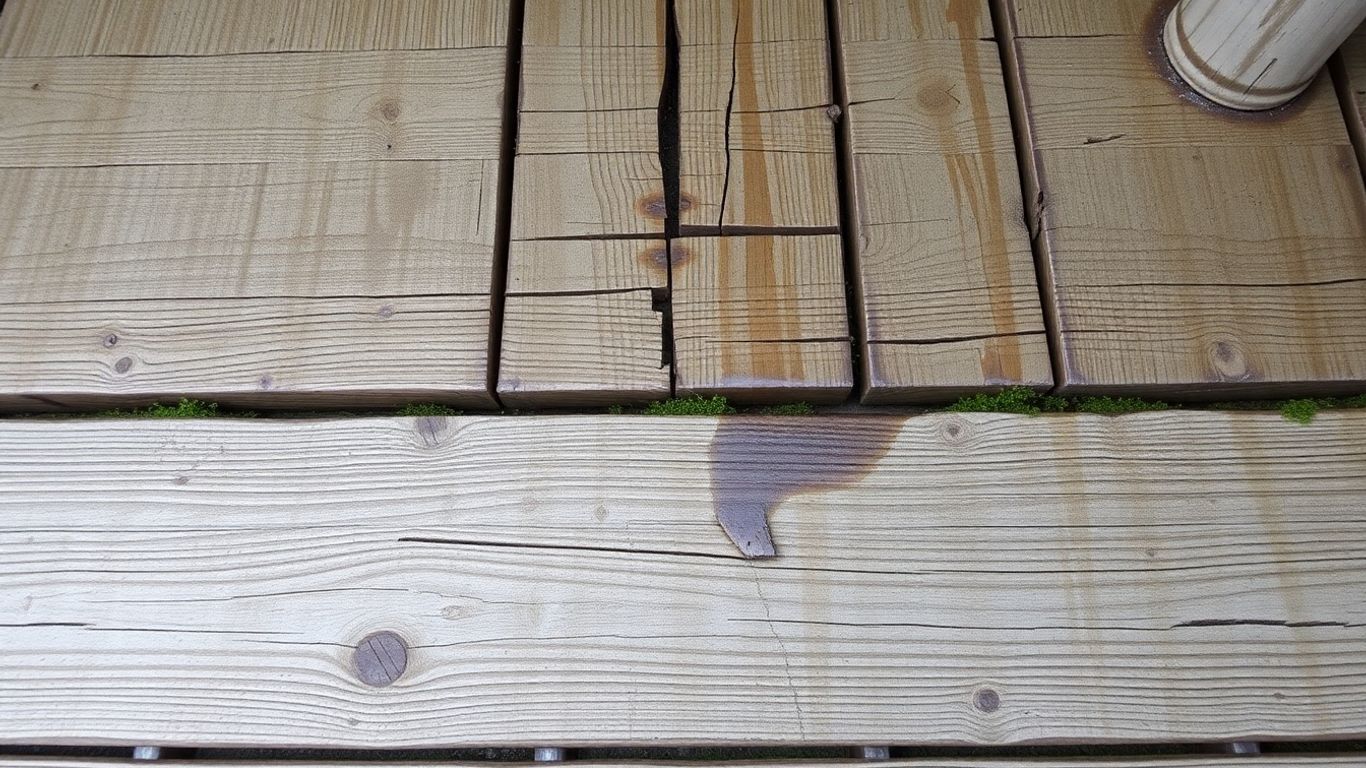
You know, rain seems pretty harmless, right? Just water falling from the sky. But when it comes to your deck, it's actually one of the biggest troublemakers out there. If you let water just sit there, or worse, soak into the wood, it starts a whole cascade of problems that can really mess up your deck.
The Insidious Spread of Mold and Mildew
Think about it: wood and constant moisture are not friends. When water gets trapped in the nooks and crannies of your deck, especially in shaded or damp areas, it creates the perfect breeding ground for mold and mildew. You might first notice it as dark spots or a fuzzy green/black growth on the surface. But it's not just an eyesore. This stuff eats away at the wood fibers, weakening them over time. It can also make your deck slippery, which is a safety hazard waiting to happen. And if you have kids or pets, breathing in mold spores isn't exactly great for their health either.
How Water Warps and Weakens Deck Boards
Water doesn't just sit on the surface; it gets absorbed by the wood. When wood absorbs water, it swells. Then, when it dries out, it shrinks. This constant cycle of swelling and shrinking puts a lot of stress on the wood. Over time, this leads to deck boards warping, cupping, or even cracking. You'll start to see gaps appearing between boards, or they might start to lift. This not only looks bad but also compromises the structural integrity of your deck. A warped board is a weaker board, and a deck made of weaker boards is a deck that's on its way out.
The Hidden Danger of Sub-Deck Rot
This is the one that really sneaks up on you. While you might see some surface mold or warped boards, the real damage can be happening underneath, out of sight. Water that drips through gaps in the deck boards, or collects around the support posts and joists, can lead to rot in the hidden structural elements. You might not notice this until it's pretty advanced. Signs can include a spongy feel when you walk on certain areas, or you might even see visible rot on the support beams. Once the underlying structure starts to rot, your deck's safety is seriously compromised. Repairing this kind of damage is often much more involved and expensive than dealing with surface issues.
Water intrusion is a silent killer of decks. It starts small, with a bit of dampness, but if left unchecked, it can lead to widespread mold, warped boards, and even rot in the hidden structural components. Addressing water issues promptly is key to preventing a domino effect of decay.
The Cumulative Cost: Why Small Issues Become Big Problems
You know, it’s funny how a little thing can turn into a big headache. That’s exactly what happens with decks when you just let them go. What starts as a tiny crack or a bit of peeling sealant can snowball into a real mess. It’s like that time I ignored a small drip under my sink – before I knew it, the whole cabinet was warped and there was mold growing. Deck maintenance is kind of the same deal.
From Minor Cracks to Major Structural Failures
Think about a small splinter on a deck board. Annoying, right? But if you leave it, water gets in. That water freezes and thaws, making the splinter bigger. Then, more water gets in, and the wood starts to rot. Pretty soon, that board isn't just an eyesore; it's a safety hazard. You might trip on it, or worse, it could actually break under someone's weight. And it doesn't stop there. That rot can spread to the joists and support beams underneath. Suddenly, you're not just looking at replacing a board; you're talking about serious structural repairs. It’s a slippery slope, for sure.
The Escalating Expense of Deferred Maintenance
This is where your wallet really starts to feel it. Fixing a small issue early on is usually pretty cheap. Maybe a can of stain, some new screws, or a bit of wood filler. But if you wait? Oh boy. That small repair can turn into needing to replace multiple boards, then the railings, and eventually, you might even need to rebuild large sections of the deck. The cost just keeps climbing. It’s way cheaper to do regular upkeep than to wait for a disaster. You can use a deck cost calculator to get a rough idea of material needs for a project, but that's just for the materials – labor and unexpected issues add up fast when things get bad. Ignoring small problems is a surefire way to make your deck repair bill skyrocket.
Compromised Safety and Potential Collapse
This is the scariest part. When a deck isn't maintained, its structural integrity weakens. Those small cracks and rot aren't just cosmetic; they're signs that the deck is losing its strength. Over time, the weight of people, furniture, and even just the elements can become too much for weakened supports. In the worst-case scenario, a deck can actually collapse. Imagine the injuries that could cause! It’s not just about looks or money; it’s about keeping your family and friends safe when they’re enjoying your outdoor space.
The cycle of neglect often starts small – a loose board, a bit of mold, a faded finish. But each ignored issue weakens the deck bit by bit, making it more vulnerable to the next problem. This creates a domino effect where minor inconveniences snowball into significant structural weaknesses and costly repairs, all because the initial signs were overlooked.
Beyond Aesthetics: The Impact on Your Home's Value
Diminished Curb Appeal and Buyer Hesitation
When your deck starts looking rough from neglect, it's not just about a little peeling paint—it actually affects how your whole home is seen. First impressions matter to buyers, and a worn-down deck can sour their view before they even step inside. The deck is often the first thing people notice in the backyard, and if it's weather-beaten or falling apart, that “wow” factor is gone. Your property starts feeling less inviting, and potential buyers might just keep walking or slash their offer. Even if you’re not selling soon, that loss of curb appeal can sting every time you come home.
- Faded, cracked, or sagging decks lower your home’s visual appeal
- Buyers may assume the rest of the house is poorly maintained
- Appraisers might reduce your home’s market value
Letting your deck go can chip away at your confidence as a homeowner—sometimes you only realize it once you see those buyer reactions.
Insurance Complications and Increased Premiums
Poor deck upkeep can also make troubles with your insurance. Insurers look at obvious neglect as a red flag. When boards are loose, there’s visible rot, or railings are shaky, it’s harder—and costlier—to get covered. Insurance companies can charge you more because your home is riskier, or even refuse certain claims if deck damage leads to an accident. What started as weathered wood turns into more paperwork and stress.
- Higher risk means higher premiums
- Claims related to deck failures may be excluded
- Inspections can flag neglected decks, prompting required repairs
The Long-Term Financial Repercussions
Ignoring your deck doesn’t just cost you now; it chips away at your investment over time. Problems that pile up can slash the return on your initial deck construction, and make the property less attractive on the market. According to the numbers, adding a deck can boost home value dramatically, but only if it stays safe and inviting:
| Deck Condition | Impact on Home Value | Potential ROI |
|---|---|---|
| Well-Maintained | Increase | 60-80% |
| Poorly Maintained | Decrease | 10% or worse |
Maximizing value means routine maintenance isn’t an option—it’s a must. If you want to keep that investment paying off, you’ve got to treat your deck as more than just an outdoor floor. Besides, well-kept decks are known to increase property value, especially when it's time for the home to hit the market.
- Deferred maintenance compounds future repair bills
- Damaged decks can drive buyers away
- Lingering issues can lower appraisal values, hurting refinancing and selling opportunities
Preventing the Downfall: Proactive Steps for Deck Longevity
So, you've got this great deck, right? It's where you grill, hang out with friends, maybe even just sip your morning coffee. But if you're not giving it a little TLC now and then, it's going to start looking rough, and fast. Think of it like your car – skip the oil changes, and you'll be in for some serious trouble down the road. Your deck is no different. A little bit of regular attention can save you a whole lot of headaches and cash later on.
The Importance of Regular Inspections
Honestly, you don't need to be a professional to give your deck a once-over. Just set aside some time, maybe twice a year, before the heavy summer use and again in the fall. Walk around, look for anything that seems off. Are any boards loose or wobbly? See any splintering or cracking, especially near the edges? Check the railings – are they solid, or do they wiggle when you lean on them? Don't forget to look underneath, too. Check the support posts and joists for any signs of rot or insect damage. It's also a good idea to see if the deck is still level or if it's starting to sag anywhere.
- Visual Check: Look for obvious damage like cracks, rot, or loose fasteners.
- Structural Integrity: Test railings and stairs for stability. Give them a good shake.
- Moisture Assessment: Check for standing water or areas that stay damp long after rain.
- Fastener Check: Ensure screws and nails are tight and not popping out.
Catching small issues early is the name of the game. A loose screw is a five-minute fix; a rotted joist can mean a major, expensive repair.
Effective Sealing and Staining Strategies
Once you've done your inspection and maybe fixed a few minor things, it's time to think about protection. Sealing and staining aren't just about making your deck look pretty, though they definitely help with that. They create a barrier against the elements. Water is the big enemy here, and a good sealant will stop it from soaking into the wood, which leads to rot and warping. Stains add color, sure, but many also contain UV inhibitors that help protect the wood from the sun's damaging rays, preventing that gray, weathered look.
When you're choosing a product, think about what you want. Sealants are clear and let the natural wood grain show through. Stains can be transparent, semi-transparent, or solid, offering different levels of color and protection. For most decks, a semi-transparent stain is a good balance – it adds some color and protection while still allowing some of the wood's natural beauty to peek through. Always make sure the deck is clean and completely dry before you start applying anything. And remember, you'll likely need to reapply every couple of years, depending on the product and your climate.
Timely Repairs to Prevent Further Damage
This is where you act on what you found during your inspection. If you saw a board that was starting to split, don't just ignore it. Replace it. If a railing post is a bit loose, tighten the bolts or add some extra bracing. Small problems, when left alone, have a nasty habit of turning into big, expensive ones. A single cracked board might seem minor, but it lets water in, which can then start to rot the wood underneath. That rot can spread, weakening the whole structure. It’s like a domino effect, but with your deck.
- Replace Damaged Boards: Swap out any wood that shows significant cracking, splintering, or rot.
- Secure Loose Components: Tighten all screws and nails. Reinforce wobbly posts or railings.
- Address Water Pooling: If you notice areas where water consistently collects, find a way to improve drainage.
- Repair or Replace Fasteners: Swap out rusty or bent nails and screws.
Taking these steps might seem like a chore, but trust me, it's way better than having to rebuild the whole thing in a few years. Your deck will thank you for it, and so will your wallet.
Keeping your deck looking great for years to come is easier than you think! Simple, regular care can prevent big problems down the road. Want to learn the best ways to protect your deck and keep it looking its best? Visit our website for expert tips and advice.
Don't Let Your Deck Fall Apart
So, we've talked about how the sun, rain, and just plain old time can really do a number on your deck if you don't keep up with it. Ignoring those little cracks or that peeling paint might seem like no big deal now, but trust me, it adds up. Before you know it, you're looking at rotten wood, wobbly railings, and a deck that's not just an eyesore, but a safety hazard. Fixing it all later is way more expensive and a lot more work than just doing some basic upkeep along the way. A little bit of sanding, staining, or tightening a screw now and then can save you a huge headache and a pile of cash down the road. Plus, who doesn't want a deck that looks good and is safe to hang out on?
Frequently Asked Questions
How often should I check my deck for problems?
It's a good idea to give your deck a good look at least twice a year. Think of spring and fall as prime times for a deck check-up. This helps you catch small issues before they turn into big, expensive headaches.
What are the main things that damage a deck?
The biggest culprits are the weather: the sun's rays can dry out and crack the wood, while rain and moisture can lead to rot, mold, and mildew. Time itself also plays a role, as constant exposure wears down the materials.
Can a neglected deck really hurt my house's value?
Absolutely. A worn-out deck makes your whole house look less appealing, which can make buyers hesitate. It might also lead to higher insurance costs because it's seen as a riskier feature.
What happens if I ignore small cracks in my deck boards?
Small cracks can let in water, which can then freeze and expand, making the cracks bigger. Over time, these can weaken the boards and even lead to bigger structural problems, making the deck unsafe.
Is sealing or staining my deck important?
Yes, it's very important! Sealing and staining act like a protective coat for your deck. They help shield the wood from sun damage and keep moisture out, which prevents rot and keeps your deck looking good for longer.
What's the biggest danger of not fixing deck problems?
The most serious risk is that a badly neglected deck could become unsafe and potentially collapse, which could cause serious injuries. It's better to fix small issues early to avoid these dangerous outcomes.


Comments
Post a Comment