Room by Room Transformation: Perfecting Interior Painting with the Right Approach
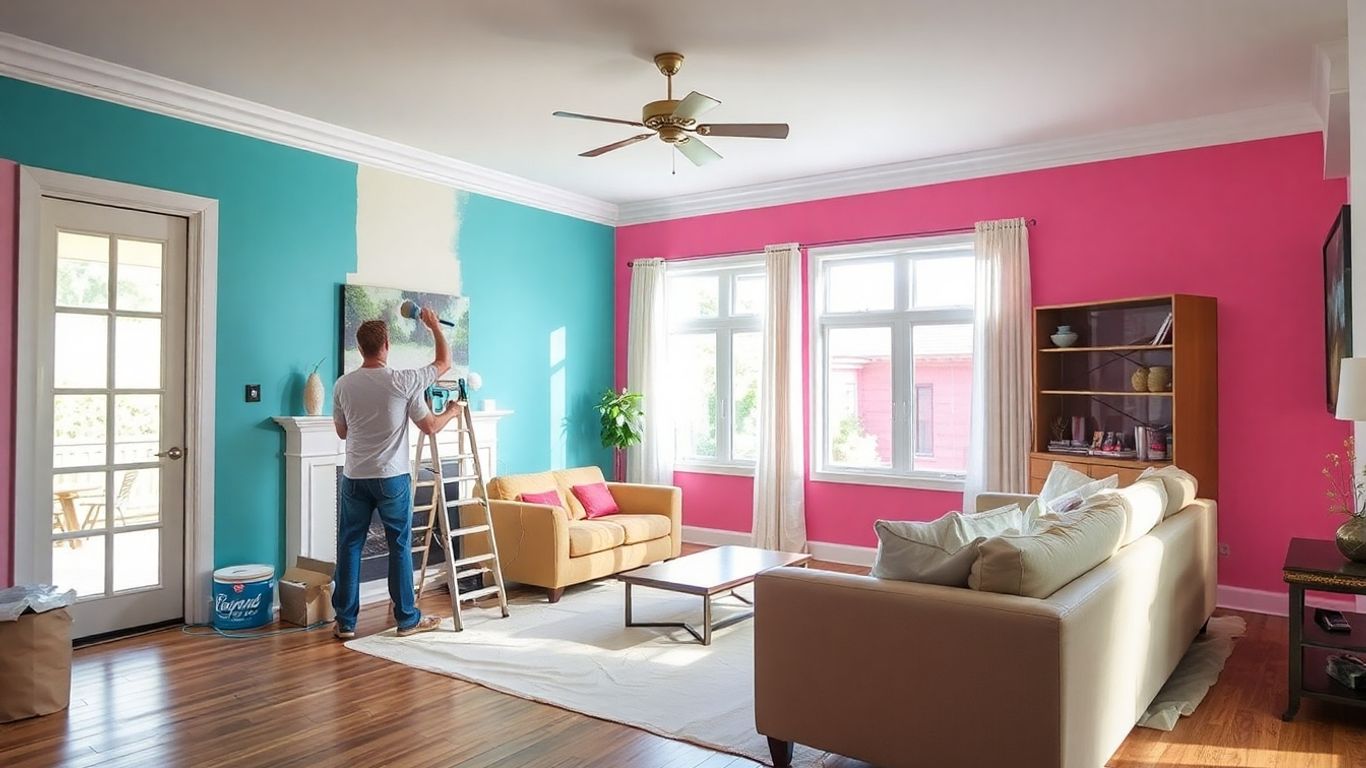
Thinking about giving your home a facelift with a fresh coat of paint? It’s a big job, especially when you’re looking at more than one room. But honestly, it doesn't have to be a total headache. With a good plan and the right approach, you can totally transform your living space. We're talking about making each room feel just right, from the color choices to the final brush stroke. This guide will walk you through the whole process, making sure your home looks amazing when we're done. It’s all about Transforming Homes Room by Room: The Art of Interior Painting Done Right.
Key Takeaways
- Start by really thinking about what you want each room to feel like and picking colors that work well together throughout your house.
- Don't skip the prep work! Cleaning, fixing any holes or cracks, and sanding walls makes a huge difference for how the paint looks and sticks.
- Paint from the top down – ceilings first, then walls, and finally the trim. This way, drips won't mess up your finished walls.
- Using good quality paint and the right tools, like decent brushes and rollers, makes the job easier and the final look much better.
- Clean your brushes and rollers right away after using them, and save some of your leftover paint for any touch-ups later on.
Planning Your Home's Color Transformation
Getting started with painting your home can feel like a big project, but it doesn't have to be overwhelming if you plan it out. A fresh coat of paint can really change how a room feels, making it more relaxing or more lively. Thinking about the colors and how they'll work together before you even pick up a brush is the first step to making your home look just right.
Defining Your Vision and Desired Atmosphere
Before you even think about colors, take a moment to picture what you want each room to feel like. Are you going for a calm, spa-like bedroom? Maybe a bright, energetic living room? Or perhaps a cozy den? Your vision will guide all your color choices. Think about how you use each space and what mood you want to create. This initial vision is the foundation for your entire painting project.
Selecting a Cohesive Color Palette
Choosing colors that work well together throughout your house is key. You don't want colors clashing from one room to the next. A good way to start is by picking a main color that you like and that can flow from room to room. Then, you can add a few other colors that complement it. This helps tie everything together, making the whole house feel connected.
Here’s a simple way to think about building your palette:
- Base Color: A neutral shade like a soft gray, warm beige, or off-white that can work in most areas.
- Secondary Colors: Shades that pair well with your base color, perhaps a bit lighter or darker, or with a similar undertone.
- Accent Colors: Bolder or contrasting colors used sparingly for pops of interest, like on an accent wall or for trim.
Picking colors isn't just about what looks good on a tiny swatch. It's about how light hits the walls at different times of day and how those colors make you feel when you're in the room. Sometimes, a color looks totally different on the wall than it does in the store.
Considering Room-Specific Moods and Functions
While a cohesive palette is important, each room can still have its own personality. A kitchen might benefit from brighter, cleaner colors, while a home office could use something more focused. Consider the function of the room and the natural light it gets. For example, blues and greens often create a calming effect, good for bedrooms or bathrooms. Warmer colors like yellows or soft oranges can make a living room feel more inviting. You can explore different paint color ideas to get inspiration for how colors can work in various settings.
Mastering Interior Wall Preparation
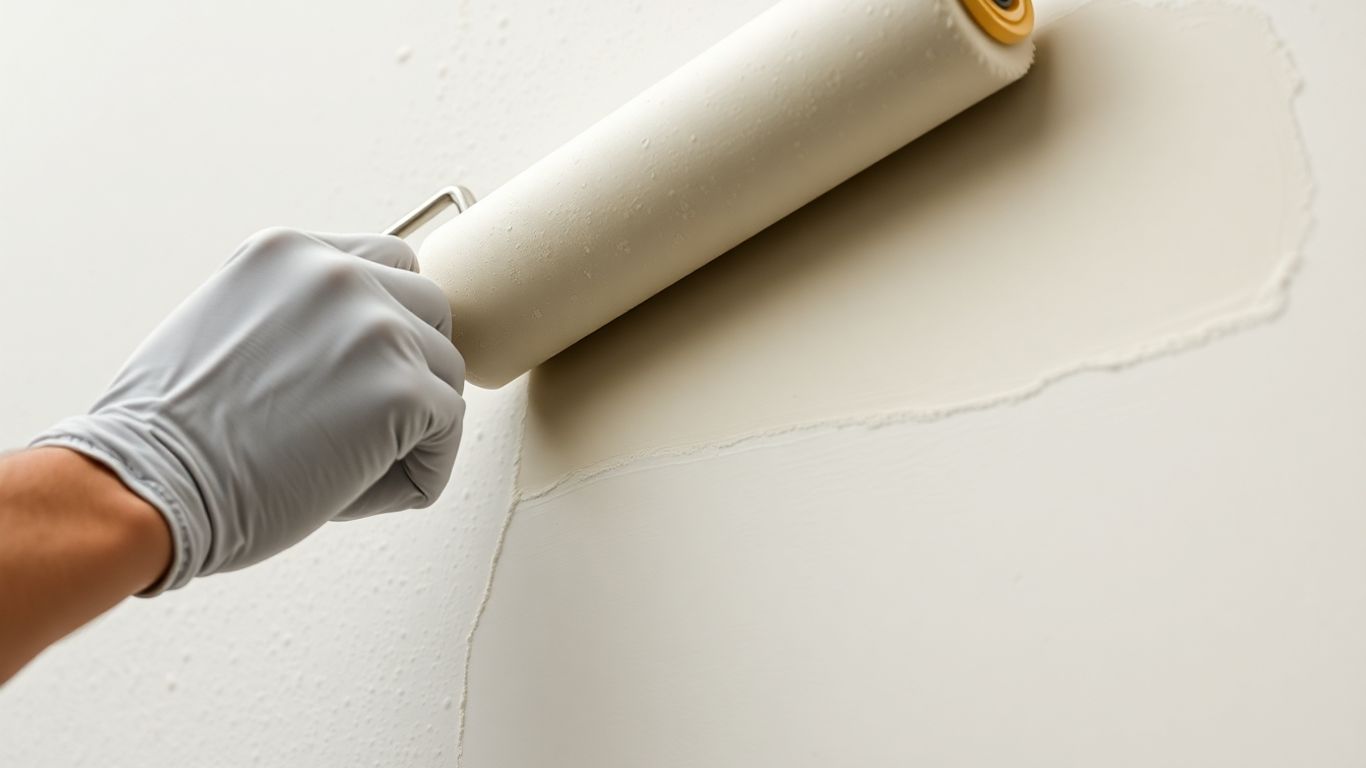
Before you even think about dipping a brush into paint, let's talk about getting those walls ready. This part might not be the most exciting, but honestly, it's where the magic happens for a paint job that actually looks good and lasts. Skipping this step is like trying to build a house on sand – it's just not going to end well.
The Crucial Role of Surface Cleaning and Repair
First things first, you need a clean slate. Dust, grime, cobwebs, even old grease splatters from the kitchen – they all need to go. If you paint over them, the new paint won't stick right, and you'll end up with peeling or a bumpy finish. A good wipe-down with a damp cloth and maybe some mild soap should do the trick for general dirt. For tougher spots, a bit of TSP (trisodium phosphate) substitute can work wonders, but make sure to rinse really well afterward. Don't forget to check for any holes, cracks, or dents. Small nail holes can be filled with spackle, while larger cracks might need a bit of drywall compound. Let any repairs dry completely before moving on.
- Wipe down walls with a damp cloth to remove dust and dirt.
- Scrub stubborn spots with a mild soap solution or TSP substitute.
- Fill holes and cracks with spackle or drywall compound.
- Allow all repairs to dry thoroughly before proceeding.
Think of wall preparation like prepping a canvas for an artist. The smoother and cleaner the surface, the better the final artwork will look.
Achieving Smoothness Through Sanding and Priming
Once your walls are clean and any repairs are dry, it's time to smooth things out. This is where sanding comes in. You don't need to go crazy, just a light sanding with a fine-grit sandpaper (around 120-150 grit) will knock down any rough spots from repairs or old paint. After sanding, wipe down the walls again with a tack cloth or a slightly damp cloth to get rid of all that dust. Seriously, dust is the enemy of a good paint job. Now, for priming. Primer is like a sticky base coat that helps the paint adhere better and gives you a more even color, especially if you're going from a dark color to a light one, or painting over stains. Use a good quality primer that's right for your wall type. Apply it evenly and let it dry completely according to the manufacturer's instructions.
| Surface Type | Recommended Primer Type |
|---|---|
| New Drywall | Latex Primer |
| Stained Surfaces | Stain-Blocking Primer |
| Previously Oil-Based | Bonding Primer (Water-Based) |
Protecting Surrounding Areas and Floors
Before you start any sanding or painting, you've got to protect everything you don't want painted. Move furniture away from the walls, or gather it in the center of the room and cover it with drop cloths. Cover your floors completely with canvas drop cloths – the plastic ones can be slippery. Use painter's tape to carefully mask off any trim, window frames, door frames, or electrical outlets that you aren't painting. Press the tape down firmly along the edges to prevent paint from seeping underneath. It takes a little extra time, but trust me, it saves a ton of cleanup later and makes your final paint lines look super sharp.
Strategic Order for Painting Multiple Rooms
Painting more than one room can feel like a marathon, not a sprint. To keep things from getting messy and to make sure you don't have to redo work, there's a smart way to go about it. It’s all about working from the top down and from the biggest areas to the smallest details.
Prioritizing Ceilings Before Walls
Always, and I mean always, start with the ceiling. Think about it: if you paint the walls first and then do the ceiling, any drips from the roller or brush are going to land right on your freshly painted walls. That means more touch-ups, more frustration, and a less-than-perfect finish. So, get the ceiling done and let it dry completely before you even think about touching the walls.
Tackling Main Wall Surfaces Next
Once the ceilings are dry and looking good, it's time to move onto the main event: the walls. This is where you'll use your main colors. Work your way around the room, applying your paint evenly. It's a good idea to paint the largest wall areas first before you get into the nitty-gritty details. This way, you're covering the most ground efficiently.
Finishing with Trim and Detailed Elements
This is the final stage, where you add the polish. Baseboards, window frames, door frames, and any other decorative trim should be painted last. These elements often have a different finish (like semi-gloss) than the walls, and painting them last prevents you from getting wall paint on them. It also gives your room that crisp, finished look that really makes the whole paint job pop. Taking the time to tape off carefully here is super important for clean lines.
When tackling multiple rooms, consider starting with areas that are less used, like a guest bedroom or a home office. This allows you to get into the rhythm of the painting process and refine your technique before you move on to high-traffic areas like the living room or kitchen, where mistakes might be more noticeable.
Choosing the Right Paint and Tools
Picking the right stuff for painting is a big deal. It's not just about grabbing any can off the shelf or the cheapest brush you can find. What you choose can seriously make or break your project, turning a weekend chore into a smooth success or a frustrating mess.
Investing in High-Quality Paints and Finishes
When it comes to paint, you get what you pay for. Cheaper paints often have less pigment, meaning you'll need more coats to get decent coverage. They also tend to be thinner and can leave visible brush strokes or roller marks, no matter how careful you are. High-quality paints, on the other hand, have a richer consistency that levels out better, making your walls look smoother and more professional. Think about the finish too – matte hides imperfections but can be harder to clean, while satin or eggshell offers a bit of sheen and is more durable for busy areas. For kitchens and bathrooms, a semi-gloss or gloss finish is usually best because it's super easy to wipe down.
Selecting Appropriate Rollers and Brushes
Your tools are just as important as the paint. For walls, a good quality roller cover with a medium nap (around 1/2 inch) is usually a safe bet for most textures. If you have really smooth walls, you might go with a shorter nap. For textured surfaces, a thicker nap roller can help fill in the bumps. When it comes to brushes, a 2-inch angled brush is your best friend for cutting in around trim, corners, and edges. Synthetic bristles are great for water-based paints (like latex or acrylic), while natural bristles work better with oil-based paints. Using the right tools makes the job go faster and look way better. You can find a good selection of painting tools to get you started.
Understanding Primer's Importance for Adhesion
Don't skip the primer! Seriously. Primer is like the foundation for your paint job. It helps the paint stick better, especially on surfaces that are bare, stained, or have been painted with a different type of paint before. If you're painting over dark colors with a lighter one, or if you have patches or stains, primer is a must. It seals the surface, prevents the new paint from soaking in unevenly, and gives you a more uniform color. It can save you time and paint in the long run by reducing the number of topcoats needed. For tricky spots, like water stains or glossy surfaces, a specific type of primer might be needed to block stains or help the new paint grip properly.
Choosing the right paint and tools isn't just about buying supplies; it's about setting yourself up for success. The right materials make the application process smoother, reduce the need for extra work, and ultimately lead to a finish you'll be happy with for years to come. It's worth the investment to get good quality products.
Here's a quick rundown of what to consider:
- Paint Quality: Look for brands known for good coverage and durability. Check reviews if you're unsure.
- Finish Type: Matte, eggshell, satin, semi-gloss, gloss – each has its place.
- Roller Nap: Match the nap length to your wall's texture.
- Brush Type: Synthetic for water-based, natural for oil-based paints.
- Primer: Always consider it, especially for problem areas or drastic color changes.
Achieving a Flawless Paint Application
Techniques for Smooth and Even Coats
Getting that smooth, professional look isn't just about the paint you pick or the prep you do, though those are super important. It's also about how you actually put the paint on the wall. Think of it like spreading butter on toast – you want it even, not clumpy or patchy. Applying paint in thin, consistent layers is key to avoiding drips and achieving a uniform color. Thick coats might seem like they'll cover better, but they often lead to runs and an uneven texture that you'll just have to fix later. It’s better to do two or three thin coats, letting each one dry properly, than one thick, messy one.
Maintaining a Wet Edge to Prevent Lap Marks
This is one of those things that sounds technical but is actually pretty straightforward once you get the hang of it. A "wet edge" just means you're always painting next to an area that's still wet. Why bother? Because if you let a section dry completely and then paint up to it, you'll get these ugly lines, called lap marks. They're super noticeable and really take away from that smooth finish you're going for. The trick is to work in manageable sections. Don't try to paint a whole wall at once if it's a big one. Instead, do a few strokes, then immediately paint the next section, overlapping the wet paint slightly. This helps everything blend together nicely.
The Art of Feathering Edges for Seamless Blending
Feathering is basically a fancy word for softening the edges where you stop painting. When you're done with a section or need to take a break, you don't just stop abruptly. Instead, you lightly brush or roll over the edge you just painted, blending it into the surrounding dry area. This helps to make the transition less obvious. It's like gently fading out a pencil line instead of leaving a hard stop. This technique is especially helpful when you're painting around corners or when you have to stop and start again.
Here's a quick rundown of how to approach application:
- Mix your paint well: Before you even start, give that paint can a good stir. If you're using multiple cans, mix them all together in a larger bucket. This makes sure the color is consistent throughout.
- Use the right tools: A good quality roller with the right nap length for your wall surface makes a big difference. For brushes, make sure they're clean and the right type for the paint you're using.
- Work in sections: Break down larger walls into smaller, easier-to-manage areas. This helps you keep that wet edge and avoid lap marks.
- Apply thin coats: Resist the urge to slap on thick paint. Thin, even coats are the way to go for a smooth finish.
When you're applying paint, especially with a roller, try using a "W" or "M" pattern. This helps spread the paint out evenly across the surface before you fill it in. It's a simple technique that really helps prevent those annoying roller marks and ensures better coverage.
Cleanup and Ongoing Maintenance
Proper Care for Brushes and Rollers
So, you've finished painting. Great job! Now, don't just toss those brushes and rollers. Taking a little time to clean them properly means they'll be ready for your next project, saving you money and hassle. For water-based paints, a good rinse with warm, soapy water usually does the trick. If you used oil-based paint, you'll need mineral spirits or paint thinner. After cleaning, give them a good shake or spin to get rid of excess water. Hang brushes to dry so they keep their shape, and clean roller covers thoroughly before storing them. It might seem like a chore, but it's worth it.
Sealing Paint Cans for Future Touch-Ups
Leftover paint is gold for future touch-ups, whether it's a scuff mark or a small ding. To keep it usable, wipe the rim of the paint can clean. Seriously, get all that dried paint off. Then, use a plastic pour spout or even a piece of plastic wrap before putting the lid back on tightly. This helps create a better seal and stops the paint from drying out. Store the cans upside down for a bit, then right side up. This helps create a seal between the lid and the can.
Regular Dusting of Painted Surfaces
Your freshly painted walls can look great for a long time with just a little attention. Dust can settle on walls over time, making them look dull. A simple dusting with a soft cloth or a microfiber duster is usually all that's needed. For tougher spots, like fingerprints or minor smudges, you can try a damp cloth with a tiny bit of mild soap. Always test this on an inconspicuous spot first, though, just to be safe. You don't want to accidentally remove paint or leave a water mark. Keeping things clean helps maintain that just-painted look.
Taking care of your tools and leftover paint isn't just about being tidy; it's about being smart with your resources. Good tools last longer, and well-sealed paint means easy fixes down the road. It's the little things that make a big difference in keeping your home looking its best.
Here's a quick rundown on cleaning different paint types:
- Latex/Water-Based Paints:
- Rinse immediately with warm water.
- Use mild soap if needed.
- Rinse thoroughly until water runs clear.
- Oil-Based Paints:
- Use mineral spirits or paint thinner.
- Work in a well-ventilated area.
- Rinse with soap and water afterward to remove solvent residue.
Keeping your home looking its best doesn't stop after the paint is dry. Regular check-ups and touch-ups are key to making sure your paint job lasts for years. We can help you keep everything looking fresh and new. Visit our website today to learn more about our maintenance plans!
Wrapping It Up
So, painting a few rooms might seem like a lot at first, but breaking it down makes it totally doable. You've learned how to pick colors that work together, get your walls ready so the paint sticks, and even how to order your painting steps so you don't make a mess. Remember, a little planning goes a long way in making your home look exactly how you want it. And hey, if it all feels like too much, there are always pros who can help out. But for those DIYers, enjoy the process and the awesome results!
Frequently Asked Questions
How do I pick colors that look good together in different rooms?
To make rooms flow nicely, pick colors that share a common undertone, like a bit of blue or yellow. You can also use colors from the same color family, like a light blue and a dark blue, or colors that are opposite each other on the color wheel, like blue and orange. This creates a connection between the rooms while still letting each one feel a little different.
What's the best way to choose paint colors for my whole house?
Start with a neutral color, like a soft gray, beige, or off-white, that can be used in most rooms to make everything feel connected. Then, pick a few other colors that go well with the neutral one to use as accent colors in different rooms. Think about what you want the room to feel like – calm colors for bedrooms, and brighter colors for living areas.
Can I paint all my rooms the same color?
Absolutely! Painting multiple rooms the same color is a great way to make your home feel unified and spacious. It simplifies the process and creates a consistent look throughout your home. Just make sure it's a color you really love since it will be in many areas.
What's the most important step before I start painting?
The most important step is preparing your walls. This means cleaning them really well to get rid of dirt and grime, fixing any holes or cracks with putty, and then sanding everything smooth. If you skip this, your paint won't stick as well and the finish won't look smooth and professional.
Does it matter which order I paint things in?
Yes, the order really helps! Always paint the ceiling first. Then, paint the main walls. Finally, paint the trim, like baseboards and door frames. Doing it this way prevents drips from ruining paint you've already applied to the walls or trim.
What kind of paint and tools should I buy?
It's best to invest in good quality paint. It covers better and lasts longer. For tools, get good brushes and rollers that are right for the type of paint you're using. A good quality roller with a shorter nap can help make your walls look smoother. Don't forget primer, especially if you're painting over a dark color.


Comments
Post a Comment