How to Tell If Your Home Needs Waterproofing Before It’s Too Late: Key Warning Signs
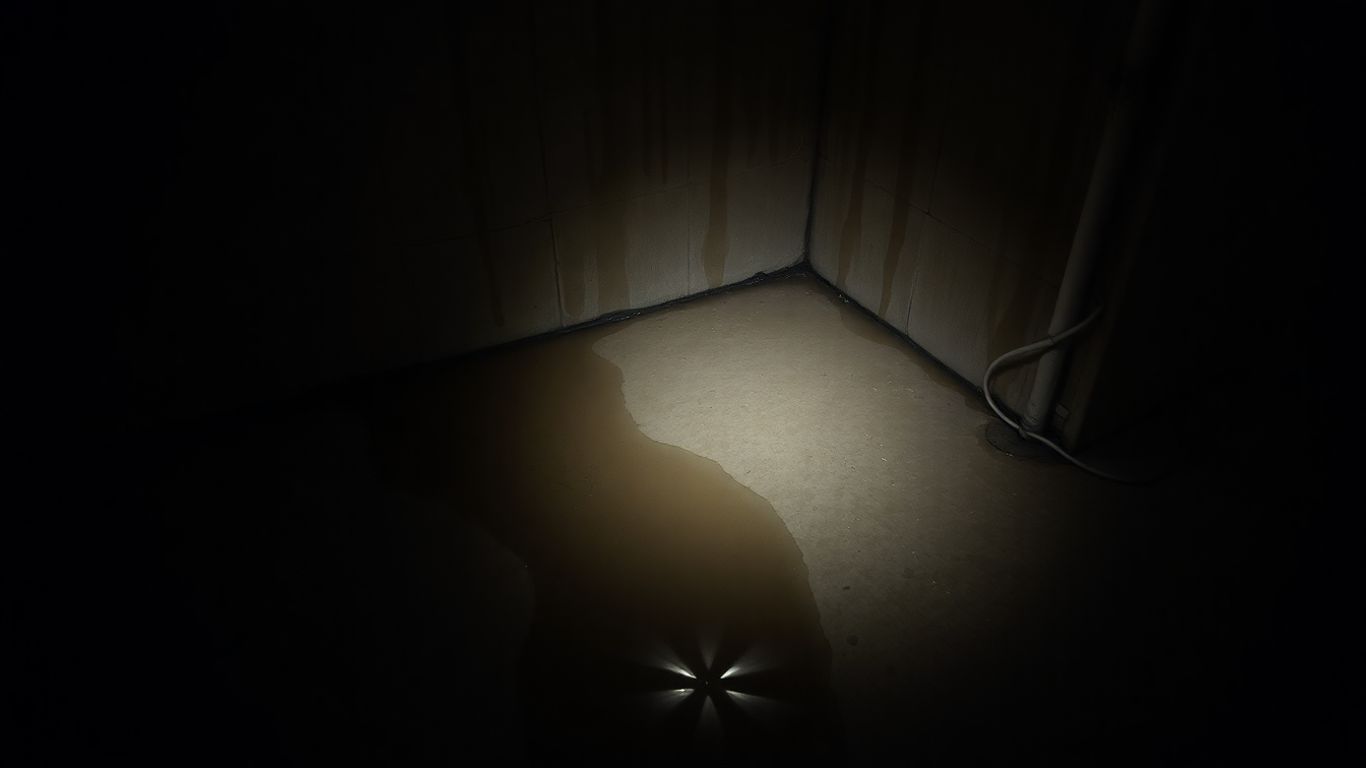
Water damage can sneak up on you, turning a comfortable home into a costly repair project. It's easy to ignore small issues, but they can grow into big problems if not handled. Knowing how to tell if your home needs waterproofing before it’s too late is key to protecting your property and your wallet. We'll look at some common signs that water might be trying to get into your home, so you can catch it early.
Key Takeaways
- Look for water stains, peeling paint, or chalky white residue on walls, which are clear signs of moisture intrusion.
- A persistent musty smell in basements or crawl spaces often means mold or mildew is growing due to dampness.
- Check for cracks in foundation walls or floors, as these can be entry points for water and indicate structural stress.
- Noticeable increases in indoor humidity, condensation on windows, or damp spots on floors suggest that moisture is a problem.
- Address any signs of water intrusion promptly, as small issues can lead to significant structural damage and health concerns over time.
Visible Signs of Water Intrusion
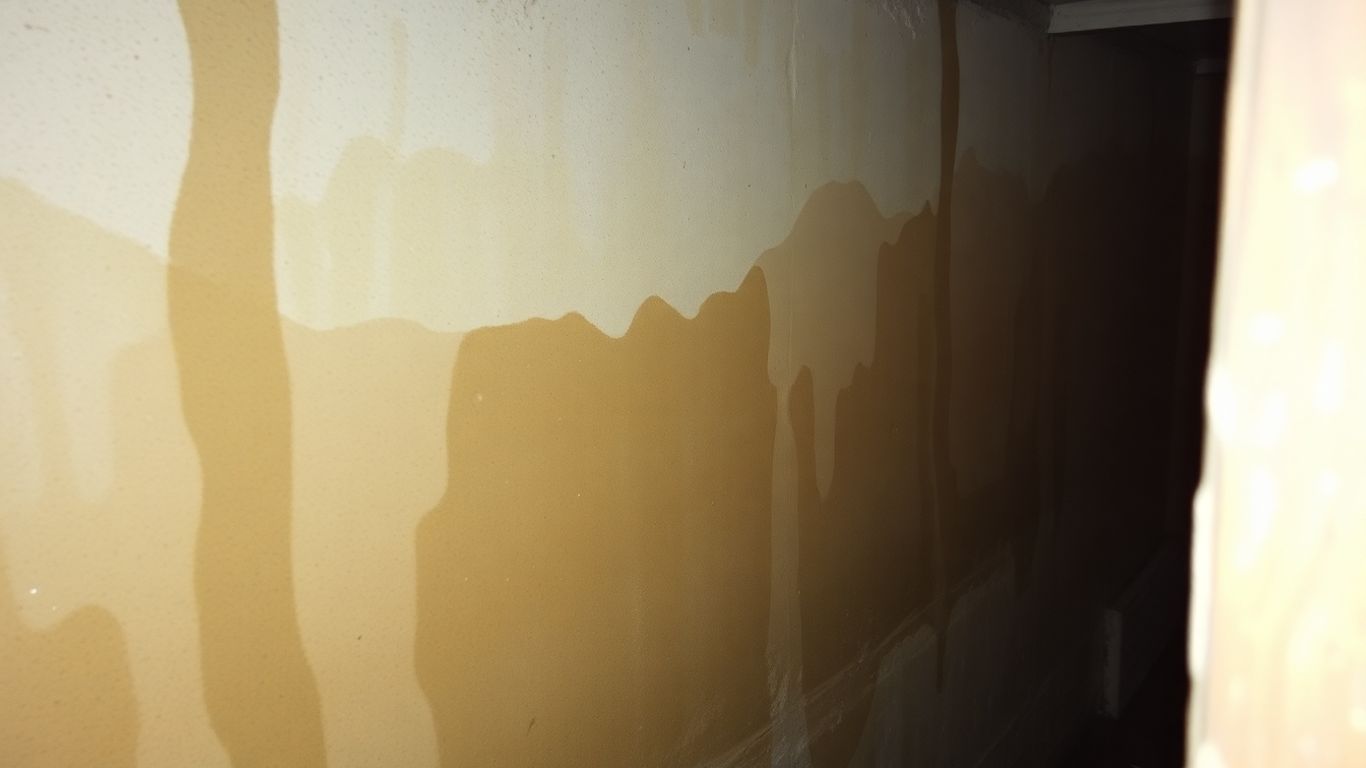
Sometimes, the signs that your home is battling moisture are pretty obvious. You don't need to be a detective to spot them, but you do need to pay attention. Ignoring these visible clues is like ignoring a flashing red light on your car's dashboard – it's just asking for trouble down the road.
Water Stains and Discoloration on Walls
This is probably the most common indicator that water is finding its way where it shouldn't be. You might see yellowish or brownish streaks running down your basement walls, or maybe just splotches of discoloration on any interior wall. These aren't just ugly; they're a clear signal that moisture has penetrated the surface. Don't just paint over them! That's like putting a band-aid on a broken bone. You need to figure out why the stain is there in the first place. It could be anything from a leaky pipe to a more serious issue with your foundation's ability to keep water out. If you're seeing these marks, it's a good idea to get a professional opinion on home waterproofing services.
Peeling Paint or Wallpaper
Similar to water stains, peeling or bubbling paint and wallpaper are often a direct result of moisture getting behind the surface. The water seeps into the wall material, weakening the bond of the paint or adhesive. You might notice it starting at the edges or in spots where the wall feels damp to the touch. It’s more than just an aesthetic problem; it can lead to mold growth and even damage the wall material itself over time. If you see your wallpaper starting to lift or your paint flaking off, especially near the floor or in corners, it's a strong hint that water is the culprit.
Efflorescence on Masonry Walls
Ever seen a white, powdery, chalky substance on your basement walls, particularly if they're made of brick or concrete? That's called efflorescence. It happens when water seeps into the masonry, dissolves salts within the material, and then those salts are left behind on the surface as the water evaporates. While it might look like simple dust, it's actually a pretty clear sign that water is actively moving through your foundation walls. It indicates a moisture problem that needs addressing before it can cause more significant damage to the structure.
Detecting Hidden Moisture Problems
Sometimes, the most serious water issues aren't obvious at first glance. You might not see a leaky pipe or a crack in the foundation, but your home can still be telling you something's wrong. It's all about paying attention to the subtle clues that suggest moisture is lurking where it shouldn't be.
Musty Odors in Basements or Crawl Spaces
That faint, unpleasant smell in your basement or crawl space? It's probably not just old house funk. This musty odor is often the first sign that mold and mildew are starting to grow, and they only grow when there's excess moisture. Think of it as your house's way of coughing – something's not right in there. Even if you can't see any visible mold, that smell means dampness is present, and it can spread throughout your home as air circulates. It's not just about the smell, either; mold spores can affect air quality and cause health problems for people with allergies or asthma.
Increased Humidity Levels Indoors
Ever feel like your house is just perpetually sticky, even when the AC is running? That's a sign of high indoor humidity. You might notice it more in certain areas, like the basement, but it can affect your whole home. A simple tool called a hygrometer can give you a more precise reading. If your humidity levels are consistently above 60%, it's a pretty good indicator that moisture is getting into your home from somewhere.
Here's a quick look at what humidity levels mean:
- 30-50%: Ideal range, comfortable and healthy.
- 50-60%: Borderline, may start to feel damp, potential for mold growth.
- Above 60%: High humidity, significant risk of mold, mildew, and material damage.
Condensation on Windows and Walls
See little water droplets forming on your windows, especially during colder months? That's condensation, and it's another sign of excess moisture in the air. When warm, moist indoor air hits a cold surface like a windowpane, the water vapor turns back into liquid. While a little bit of condensation on windows might be normal in some climates, if you're seeing it regularly, or if it's also appearing on your walls or pipes, it points to a humidity problem that could be linked to water intrusion.
Ignoring these subtle signs is like ignoring a small leak in your roof. It might seem minor now, but over time, that persistent dampness can weaken your home's structure, damage finishes, and create an unhealthy living environment. It's always better to investigate these hidden moisture issues before they become big, expensive problems.
Foundation Integrity Concerns
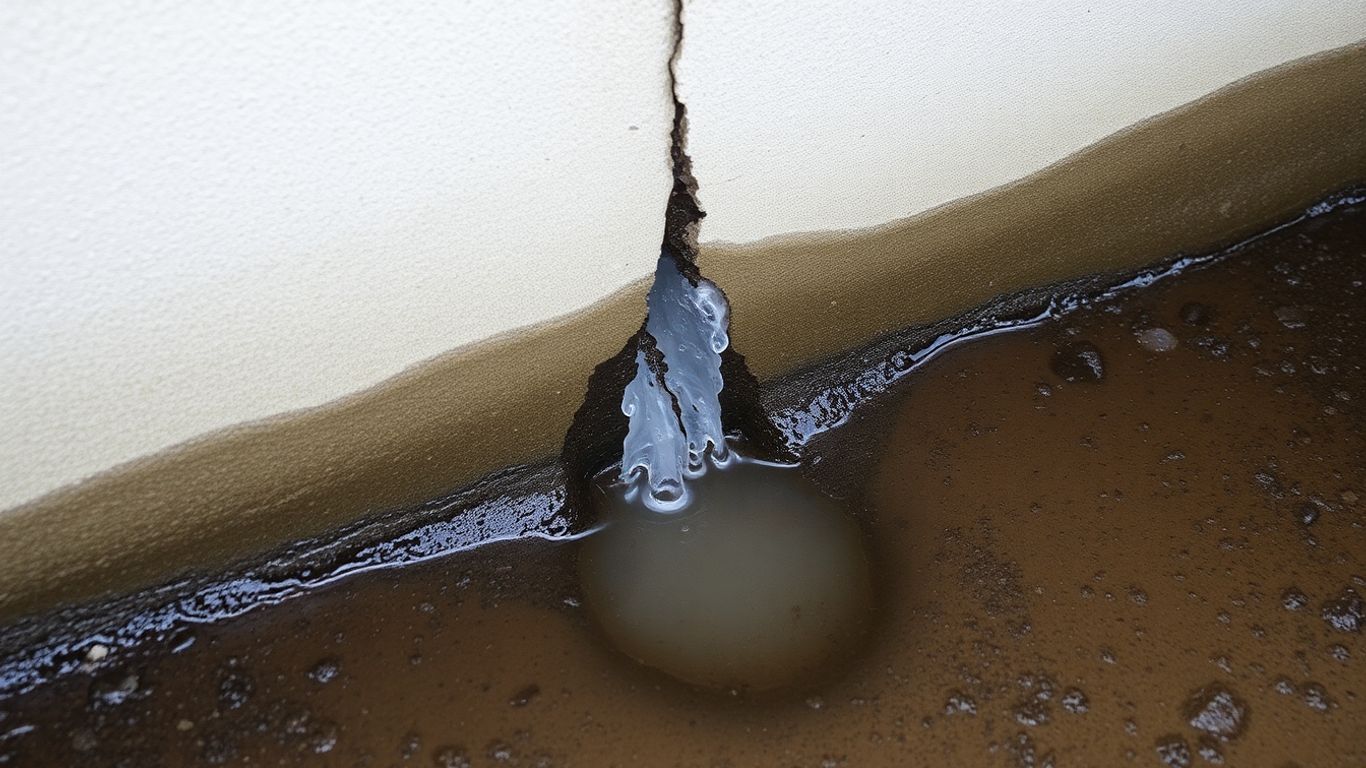
Your home's foundation is its backbone, and when it starts showing signs of trouble, it's a big deal. Water pressure, especially after heavy rains or snowmelt, can really put a strain on things. If you're noticing any of these issues, it's time to pay attention.
Cracks in Basement Walls or Floors
Look closely at your basement walls and floor. While tiny hairline cracks can sometimes just be from the house settling, bigger ones, especially if they're growing or horizontal, are a serious warning. Horizontal cracks, in particular, often mean there's a lot of pressure pushing on the foundation walls from the outside, and water is usually the culprit. These cracks are like an open invitation for moisture to get in.
Bowing or Leaning Foundation Walls
This is a more advanced sign that water pressure has been at work for a while. If your basement walls are starting to bulge inward or lean, it means the soil outside is saturated and pushing hard against your foundation. This isn't just an aesthetic problem; it's a structural one that needs professional assessment right away. Ignoring this could lead to much bigger, more expensive repairs down the line.
Wet or Damp Spots on Floors
Even if you don't see standing water, persistent wet or damp spots on your basement floor are a clear indicator that water is seeping in. This could be coming through the floor-wall joint or directly through cracks in the concrete. This constant moisture creates a breeding ground for mold and can weaken the concrete over time. Addressing damp basement walls promptly is key to preventing further damage.
It's important to remember that these signs often go hand-in-hand. A crack might lead to a damp spot, which then contributes to bowing walls if left unaddressed. Taking action early can save you a lot of hassle and money. If you spot any of these issues, it's a good idea to get a professional opinion to figure out the best way to protect your home's foundation.
Environmental Clues to Water Issues
Sometimes, the signs of water problems aren't right in front of your face. You might not see a giant puddle, but your home can still be telling you it's got a moisture issue. It's all about paying attention to what's happening around your house, especially after it rains or in those damp, hidden spots.
Mold or Mildew Growth
Mold and mildew are like the unwelcome guests that show up when there's too much moisture hanging around. You'll often find them in places that don't get much light or air, like behind furniture, in closets, or in the corners of rooms. They can look like fuzzy splotches of green, black, or white. The presence of mold or mildew is a pretty clear signal that water is getting in somewhere and creating a damp environment. Beyond just looking gross, mold can cause health problems, especially for people with allergies or breathing issues. It can also start to break down building materials over time.
Dampness After Rainfall
Does your yard seem to hold onto water long after the rain stops? If you notice that water is pooling near your foundation instead of draining away, that's a big clue. Soil erosion around the base of your house, where the ground looks washed away, also points to drainage problems. This means your home might not be managing water effectively, and that water could be working its way into your foundation. It's important to make sure the ground slopes away from your house so water doesn't just sit there.
Pooling Water in Lower Levels
This one's pretty straightforward. If you're finding puddles or just generally damp spots in your basement or crawl space, especially after a heavy rain, it's a sign that water is finding its way in. This isn't just about a little bit of water; it's about persistent dampness that can lead to bigger problems. Think about what might be causing it – maybe your gutters are clogged, or the ground outside isn't sloped correctly. Addressing these drainage issues is key to preventing more serious damage. If you're noticing these kinds of issues, it might be time to look into foundation waterproofing services.
It's easy to dismiss a little dampness or a faint musty smell, but these subtle environmental changes can be early warnings. Ignoring them is like ignoring a smoke alarm because you don't see flames. The moisture is there, and it's doing damage, even if it's not immediately obvious.
Structural Weaknesses from Moisture
Sometimes, the signs of water damage aren't as obvious as a stain on the wall. Moisture that gets into your home's lower levels, like basements and crawl spaces, can slowly eat away at the very structure that holds everything up. If you're noticing some odd things happening with your floors or the wooden parts of your home, it might be time to think about waterproofing.
Sagging or Uneven Floors Above Crawl Spaces
Ever walk across a room and feel like the floor is dipping or feels soft underfoot? That's often a sign that the wooden joists and beams in the crawl space below are getting damp. When wood stays wet for too long, it starts to rot and lose its strength. This can make your floors feel bouncy, uneven, or even start to sag over time. It's not just an annoying feeling; it means the support system for your floors is weakening.
Deterioration of Wooden Support Beams
Wooden beams are key players in holding up your house. If they're constantly exposed to dampness, especially in crawl spaces or unfinished basements, they can start to decay. You might see signs like crumbling wood, a spongy texture, or even visible rot. This is serious because these beams are critical for your home's stability. Water intrusion can turn strong supports into weak points, putting the whole structure at risk.
Compromised Insulation Due to Dampness
Insulation is supposed to keep your home warm in the winter and cool in the summer. But when it gets wet, it stops working effectively. Damp insulation can become heavy, clump together, and lose its ability to trap air. This means your heating and cooling systems have to work much harder, driving up your energy bills. Worse, wet insulation can become a breeding ground for mold and mildew, which can then spread throughout your home. It's a double whammy: less comfort and more damage.
Persistent dampness in structural components doesn't just weaken them; it creates an environment where mold and pests can thrive, further accelerating decay and posing health risks. Addressing the moisture source through proper waterproofing is key to preserving the long-term health and safety of your home's framework.
Water can cause serious problems for your home's structure. When moisture gets into walls or wood, it can lead to rot and decay, weakening the whole building over time. It's important to address any signs of water damage quickly to prevent bigger issues down the road. If you suspect moisture is affecting your home, check out our website for more information on how we can help.
Don't Wait, Act Now
So, you've gone through the signs, and maybe a few of them sound a little too familiar. That damp smell in the basement, those weird stains on the wall, or even just a general feeling that something's not quite right – these aren't things to just ignore. Water damage doesn't fix itself, and honestly, it usually just gets worse and more expensive over time. Taking action now, by getting a professional to check things out, is way better than dealing with a major problem later. Think of it as looking after your home's health, and yours too. Getting your waterproofing sorted is a smart move that can save you a lot of hassle and money down the road.
Frequently Asked Questions
What are the most obvious signs that my home needs waterproofing?
Look for things like water stains or weird discoloration on your walls and ceilings. Peeling paint or wallpaper is another big clue, as is any sign of mold or mildew. If you notice a constant musty smell, especially in the basement or crawl spaces, that's also a strong indicator that moisture is getting in where it shouldn't be.
Can cracks in my foundation mean I need waterproofing?
Yes, absolutely. Even small cracks in basement walls or floors can be an entry point for water. If you see cracks that look like they're getting bigger or are wider than a hairline, it's a serious sign that water pressure might be pushing on your foundation, and you should get it checked out.
What is 'efflorescence' and why should I care about it?
Efflorescence is that white, chalky stuff you sometimes see on brick or concrete walls. It happens when water seeps through the material, then evaporates and leaves behind mineral salts. While it might just look like a stain, it's actually proof that water is getting into your foundation walls, which can weaken them over time.
How can I tell if humidity levels are too high in my home?
You might notice condensation, which looks like water droplets, forming on your windows or walls. If your home generally feels damp or clammy, even when it's not raining, your humidity might be too high. A hygrometer, a device that measures humidity, can give you a precise reading – levels consistently above 60% are usually a concern.
What happens if I ignore signs that my home needs waterproofing?
Ignoring these signs can lead to bigger, more expensive problems down the road. Moisture can cause wood to rot, damage your foundation, encourage mold growth (which is bad for your health), and even make your floors sag. It's much cheaper and easier to fix these issues early on.
Is it okay to just use a dehumidifier if I notice dampness?
A dehumidifier can help manage the air quality and reduce dampness in the short term, but it doesn't fix the root cause of the problem. If water is actively seeping into your basement or crawl space, you need to address that entry point. Waterproofing is the real solution to stop the moisture from getting in in the first place.


Comments
Post a Comment