How to Choose the Right Painting Contractor: Matching Style and Budget for Your Home
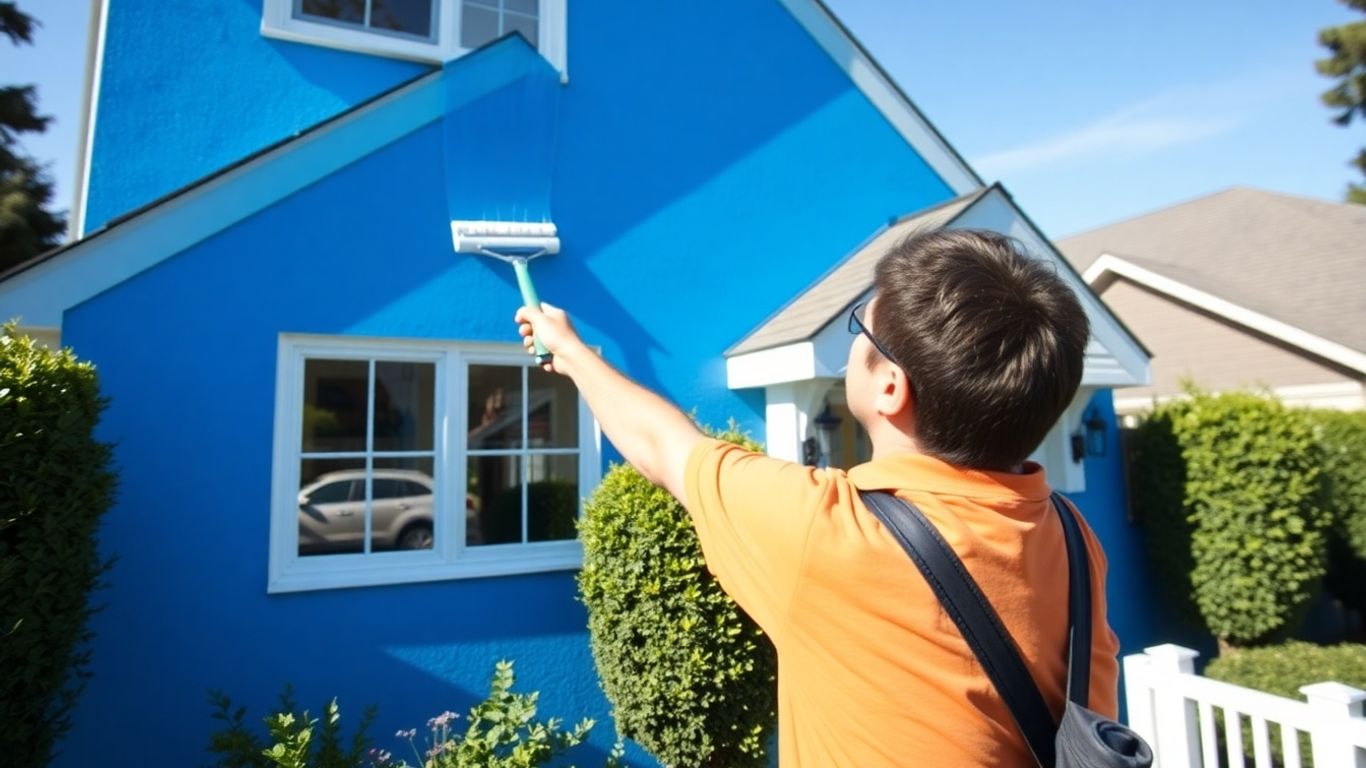
So, you're ready to give your home a facelift with some fresh paint. Awesome! But now comes the part that can feel a bit like staring at a wall of paint chips – picking the right person for the job. How do you choose the right painting contractor for your home’s style and budget? It's not just about finding someone who can wield a brush. You want someone who gets your vision, respects your wallet, and won't leave you with a mess. Let's break down how to find that perfect painting pro.
Key Takeaways
- Figure out what look you're going for before you even talk to painters. Think about colors, finishes, and how you want each room to feel.
- Set a clear budget. Know how much you can spend on paint, supplies, and the actual labor. Don't forget to set aside a little extra for surprises.
- Check out potential painters. Make sure they're licensed, insured, and have a good history of happy customers. Look at their past work.
- Get detailed quotes from a few different contractors. Compare what's included, like prep work, paint quality, and cleanup, not just the final price.
- When you're ready to hire, read the proposal carefully. Make sure you understand the warranty, cleanup plan, and that the contractor really gets what you want for your home.
Understanding Your Home's Style and Vision

Before you even think about picking up a paintbrush or calling a contractor, it's a good idea to get a handle on what you actually want your home to look and feel like. This isn't just about picking a color; it's about creating an atmosphere. Think about the overall vibe you're going for. Are you aiming for something modern and sleek, or do you prefer a more traditional, cozy feel? Considering your home's architectural style can also be a big help. For instance, a Craftsman home might look best with earthy tones, while a Victorian might call for something more dramatic.
Defining Your Aesthetic Preferences
What kind of look are you drawn to? Spend some time browsing magazines, Pinterest, or even just looking at houses in your neighborhood. Jot down what you like and, just as importantly, what you don't. Think about textures, patterns, and the general mood you want to create in each space.
- Modern/Minimalist: Clean lines, neutral colors, uncluttered spaces.
- Traditional: Classic designs, warm colors, comfortable furnishings.
- Rustic/Farmhouse: Natural materials, cozy textures, a relaxed feel.
- Bohemian: Eclectic mix of colors, patterns, and global influences.
Exploring Color Psychology and Finish Options
Colors do more than just look pretty; they can actually affect how you feel. Blues and greens tend to be calming, while reds and oranges can be more energizing. Also, consider the finish of the paint. A matte finish hides imperfections well but can be harder to clean, while a glossy finish is durable and easy to wipe down but shows every bump and swirl.
| Finish | Appearance |
|---|---|
| Matte | Non-reflective, hides imperfections well |
| Eggshell | Low sheen, slightly more washable than matte |
| Satin | Smooth, velvety sheen, durable and washable |
| Semi-Gloss | Noticeable shine, very durable, good for trim |
| High-Gloss | Very shiny, reflects light, shows imperfections |
Choosing the right paint finish is as important as selecting the color itself. It impacts both the look and the practicality of the painted surface, especially in high-traffic areas or rooms prone to moisture.
Tailoring Styles to Specific Rooms and Functions
Not every room needs to feel the same. A bedroom might benefit from a soothing palette, while a kitchen or bathroom might need a more durable, easy-to-clean finish. Think about how you use each space. For a living room, you might want something inviting and comfortable. For a home office, perhaps something that promotes focus. Understanding the function of each area will help you make better choices about color and finish. It's also worth looking into popular architectural home styles to see what might complement your property's existing design. popular architectural home styles
Setting a Realistic Painting Budget
Okay, so you've got a vision for your home's new look, but before you start picking out paint chips like they're going out of style, let's talk brass tacks: money. Setting a realistic budget is super important. It's not just about knowing how much you can spend; it's about making sure you get the quality you want without any nasty surprises down the road. Think of it as the foundation for your whole painting project.
Calculating the Scope of Your Painting Project
First things first, what exactly are we painting? Are we talking about a quick refresh of the living room, or is the entire exterior getting a makeover? The size of the job directly impacts how much paint, supplies, and time are needed. You also need to consider any prep work. Does the siding need a good power wash? Are there any small repairs, like fixing a loose board or replacing some cracked caulk, that need to happen before the paint even comes out? These things add up, so get a clear picture of the whole job.
- Interior vs. Exterior: Exterior jobs are usually more complex and costly due to weatherproofing needs and larger surface areas.
- Surface Condition: Peeling paint, mold, or water damage means more prep time and potentially higher costs.
- Number of Colors/Finishes: Using multiple colors or different finishes (like matte on walls and satin on trim) can increase labor time.
- Accessibility: High ceilings, steep roofs, or difficult-to-reach areas will require more time and specialized equipment.
Factoring in Labor and Material Costs
Labor is usually the biggest chunk of the painting budget. You'll want to get quotes from a few different contractors to see what the going rate is in your area. But here's a tip: don't just go for the cheapest option. Sometimes, a really low price can mean corners are being cut, and you might end up paying more later to fix shoddy work. Look for a contractor who is licensed, insured, and has good reviews. On the material side, good quality paint and supplies really do make a difference. While premium paint might cost a bit more upfront, it often lasts longer and covers better, saving you money in the long run. You can find some great tips for home improvements that touch on budgeting for materials.
Planning for Extras and Unforeseen Expenses
It's always a good idea to have a little buffer in your budget. Things pop up! Maybe the painters find some hidden rot behind a window frame, or a section of wall needs an extra coat of primer because of stubborn stains. It's smart to set aside about 10-20% of your total estimated cost for these unexpected issues. This way, you won't be scrambling when something unexpected comes up.
Unexpected costs can derail even the best-laid plans. Having a contingency fund means you can handle minor issues without compromising the overall quality of the paint job or your peace of mind.
Understanding Contractor Pricing Structures
When you get estimates, make sure you understand exactly what you're paying for. A good contractor will provide a detailed breakdown. This should include:
- Labor Costs: How much are they charging for their time and the crew's time?
- Material Costs: What specific types and brands of paint, primer, and supplies are they using, and what's the cost?
- Prep Work: Is cleaning, sanding, or minor repair work included, and how is it priced?
- Cleanup: What does their cleanup process involve?
- Additional Fees: Are there any charges for permits, waste disposal, or equipment rental?
Asking for free, detailed estimates from multiple painters is the best way to compare apples to apples and make sure you're getting a fair deal for the work you need done.
Evaluating Contractor Credentials and Experience
Verifying Licensing and Insurance
Before you even think about paint colors, it's smart to check if a painting contractor is properly licensed and insured. Licensing shows they've met certain industry standards and are legally allowed to operate in your area. You can usually confirm this with your local licensing board. Insurance is just as important. Accidents can happen on any job, and you don't want to be on the hook if a worker gets hurt on your property or if something gets damaged. Ask for proof of both general liability insurance and workers' compensation. A contractor who hesitates or can't provide this information might not be the most reliable choice.
Assessing Years in Business and Track Record
How long has the company been around? While new businesses can be great, a contractor with several years under their belt has likely weathered different economic conditions and client demands. This longevity often points to a stable business that clients trust. It's a good sign they know what they're doing and can handle a variety of projects. Think about it: if they've been painting homes for, say, five years or more, they've probably seen and fixed just about every painting problem imaginable.
Reviewing Portfolios of Past Work
Seeing is believing, right? A contractor's portfolio is like their visual resume. It shows you the kind of work they've done before, giving you a feel for their style and quality. Look for projects similar to yours, whether it's interior walls, exterior trim, or a whole house. Pay attention to the details in the photos – clean lines, smooth finishes, and how well they've protected surrounding areas. If a contractor doesn't have a portfolio or their examples look a bit generic, it might be a red flag.
Asking for and Checking References
This step is super important. A contractor should be happy to give you names and contact information for past clients. When you call these references, don't just ask if they were happy. Ask specific questions:
- How was the communication throughout the project?
- Did the contractor stick to the agreed-upon timeline and budget?
- How was the cleanup process after the job was done?
- Would you hire them again for another project?
Talking to previous clients gives you the inside scoop on what it's really like to work with a contractor. It's a chance to hear about their professionalism, reliability, and the overall quality of their work from people who have already been through the process.
| Credential Type | What to Look For |
|---|---|
| Licensing | Current and valid license for your area |
| Insurance | General liability and workers' compensation coverage |
| Years in Business | Ideally 5+ years for proven stability |
| Portfolio | High-quality photos of relevant past projects |
| References | Willingness to provide and positive feedback |
Ensuring Quality and Professionalism
When you're looking to get your home painted, it's not just about finding someone who can hold a brush. You want a team that knows what they're doing, respects your property, and delivers a finish that looks great and lasts. This means looking beyond just the price tag and really digging into what makes a painting service truly professional.
The Importance of Professional Painting Services
Sure, you could grab a few cans of paint and a roller yourself, but hiring professionals brings a level of skill and efficiency that's hard to match. They understand the nuances of different surfaces, the best ways to prep them, and how to apply paint for a smooth, even look. Professional painters have the tools, the experience, and the know-how to handle everything from tricky trim work to large, open walls, saving you time and likely preventing costly mistakes. It’s about getting a result that looks polished and holds up over time, which is often a challenge for DIYers.
What Constitutes Expert House Painting
So, what exactly makes a painting job
Getting Detailed Estimates and Proposals
So, you've got a pretty good idea of what you want your place to look like and how much you're willing to spend. That's awesome! But before you shake hands with the first painter who walks through your door, you absolutely need to get detailed estimates. This is where the rubber meets the road, folks. It's not just about the price tag; it's about understanding exactly what you're paying for and making sure there are no nasty surprises down the line. Think of it like reading the ingredients list on a food package – you want to know what's really in there.
The Value of Free, Detailed Estimates
Most reputable painting contractors will happily give you a free estimate. Don't just take a quick verbal quote, though. You want something in writing, something that breaks everything down. A thorough, itemized estimate is your best tool for comparing different painters and making an informed decision. It shows you who's paying attention to the details and who's just giving you a ballpark figure. Plus, it sets clear expectations for both you and the contractor from the get-go.
What Should Be Included in an Estimate
When you get an estimate, it should be more than just a number. Here’s what you should look for:
- Scope of Work: This is the big one. It needs to clearly state which areas are being painted (e.g., walls, ceilings, trim, doors, windows), how many coats of paint will be applied, and what type of paint is being used (brand, finish, quality).
- Preparation Details: Don't underestimate prep work! The estimate should mention things like cleaning surfaces, sanding, filling holes or cracks, caulking, and protecting your furniture and floors. This is often where the real skill comes in.
- Labor Costs: This should be broken down, or at least clearly stated as a significant part of the total cost. It reflects the time and skill the painters will bring to your project.
- Material Costs: While sometimes bundled with labor, it's good if they can specify the cost of paint, primer, tape, drop cloths, and any other supplies.
- Timeline: A realistic estimate of how long the project is expected to take. This helps with your own planning.
- Cleanup: What's included in the cleanup process? Will they remove all their equipment and debris? Will they do a final sweep?
- Warranty Information: Does the contractor offer any kind of warranty on their work?
A contractor who provides a vague or incomplete estimate might be cutting corners elsewhere. It's better to have too much detail than not enough when it comes to something as important as painting your home.
Comparing Multiple Contractor Bids Effectively
Once you have a few detailed estimates in hand, it's time to compare. Don't just look at the bottom line. Here’s how to do it right:
- Line-by-Line Review: Go through each estimate and compare the specifics. Are they quoting the same number of coats? Are they using similar quality materials? Is the prep work described similarly?
- Identify Differences: Note where the estimates vary significantly. If one is much lower, try to figure out why. Are they using cheaper paint? Skipping certain prep steps? Using fewer painters?
- Ask Questions: If something isn't clear or seems off, ask the contractor for clarification. A good contractor will be happy to explain their estimate.
- Consider Value, Not Just Price: The cheapest bid isn't always the best. Think about the quality of materials, the thoroughness of the prep work, the contractor's experience, and their communication style. Sometimes, paying a little more upfront saves you a lot of headaches (and money) later.
Getting detailed estimates might seem like a chore, but it's a really important step. It helps you avoid misunderstandings, ensures you're getting a fair price for quality work, and sets the stage for a successful painting project.
Making the Final Hiring Decision

Reviewing the Proposal Before Hiring
So, you've got a few solid estimates in hand. That's great! Now comes the part where you really dig into what each contractor is offering. Don't just glance at the bottom line. Take a good, long look at the details in each proposal. What exactly are they planning to do? Does it match what you discussed? Look for things like the specific type of paint they'll use (brand and quality matter!), how many coats are included, and what kind of prep work they'll do. A good proposal will break down labor and materials separately, so you know where your money is going. If something seems unclear or missing, don't hesitate to ask for clarification. It's better to get it all sorted out now than to have a surprise later.
Understanding Warranty and Cleanup Plans
Once the painting is done, what happens next? A reputable contractor will stand behind their work. Ask about their warranty. What does it cover, and for how long? Most warranties cover things like peeling or blistering paint due to faulty application. Also, think about the cleanup. Will they leave your home tidy, or will you be left with dust and debris? A professional job means they'll clean up the work area thoroughly, remove all their equipment, and dispose of waste properly. It’s part of the service, really.
Choosing a Contractor Who Understands Your Goals
Ultimately, you want to hire someone who gets what you're trying to achieve. Did they listen to your ideas about style and color? Do they seem genuinely interested in making your vision a reality, not just slapping paint on walls? Sometimes, it's about more than just the lowest price or the quickest timeline. It's about finding a partner who will help you create the look and feel you want for your home. Trust your gut feeling, too. If a contractor seems professional, communicates well, and makes you feel confident, that's a really good sign.
Here’s a quick checklist to help you compare proposals:
- Scope of Work: Does it clearly outline all areas to be painted and the tasks involved?
- Materials: Are the paint brand, type, and finish specified?
- Labor: Is the estimated time and number of crew members mentioned?
- Prep Work: What specific steps will be taken to prepare surfaces?
- Cleanup: What is the plan for site cleanup after the job is complete?
- Warranty: What is covered, and for how long?
Remember, the cheapest option isn't always the best. Investing a little more in a contractor who provides a detailed proposal, a solid warranty, and clear communication can save you a lot of headaches and potential costs down the road. It's about getting the best value for your investment and a result you'll be happy with for years to come.
You've reached the final step in choosing the right person for the job. Making the final hiring decision can feel tough, but remember to trust your gut and the evidence you've gathered. We're here to help you make that choice with confidence. Visit our website today to learn more about our hiring process and how we can assist you in finding the perfect candidate.
Bringing It All Together
So, picking the right painter isn't just about finding someone who can wield a brush. It's about finding a partner who gets your style, respects your wallet, and makes your home look its absolute best. We've talked about checking their background, getting clear quotes, and making sure they're insured – all the important stuff that keeps things running smoothly. Remember, a good paint job protects your house and makes it feel more like home. Take your time, ask those questions, and you'll end up with a space you love, painted just right.
Frequently Asked Questions
How do I figure out what style of paint job I want for my house?
Think about how you want each room to feel. Do you like bright and bold colors, or do you prefer calm and neutral tones? Look at magazines or online for ideas. Also, consider the room's purpose. A bedroom might feel cozier with warmer colors, while a kitchen could be more energetic with brighter ones. Don't forget about the finish, like matte or shiny, as it changes how the color looks.
What's the best way to set a budget for painting?
First, decide how much you want to paint – just one room, or the whole house, inside and out? Then, think about the cost of paint and supplies. Labor is usually the biggest part, so get a few quotes from different painters. It's also smart to set aside a little extra money, maybe 10% to 20%, for any surprises that might pop up, like needing extra repairs.
How can I tell if a painting contractor is good and trustworthy?
Look for painters who are licensed and insured, which means they follow rules and are protected if something goes wrong. Ask how long they've been in business and check out pictures of their past work to see if you like their style. Always ask for references from people they've worked for before and actually call them to ask about their experience.
What makes a painting job look really professional?
A professional job means the painters took their time. They likely prepped the area well by covering furniture and fixing any wall problems. The paint looks smooth, the lines are straight and clean, and they cleaned up everything afterward. It's about attention to detail and using good quality paint and tools.
Why should I get a detailed estimate instead of just a price?
A detailed estimate breaks down exactly what you're paying for, like the cost of paint, how many hours of labor, and any prep work. This way, there are no surprises later. It also makes it easier to compare offers from different painters to make sure you're getting a fair deal for the work they promise to do.
What's the most important thing to do before hiring a painter?
Before you say 'yes,' read the contractor's proposal very carefully. Make sure you understand everything: the total cost, when they'll finish, what kind of paint they'll use, and what happens if there's a problem. Also, ask about any guarantees they offer on their work and how they'll clean up when they're done.


Comments
Post a Comment