How Often Should You Repaint Your Home? A Contractor's Expert Guide
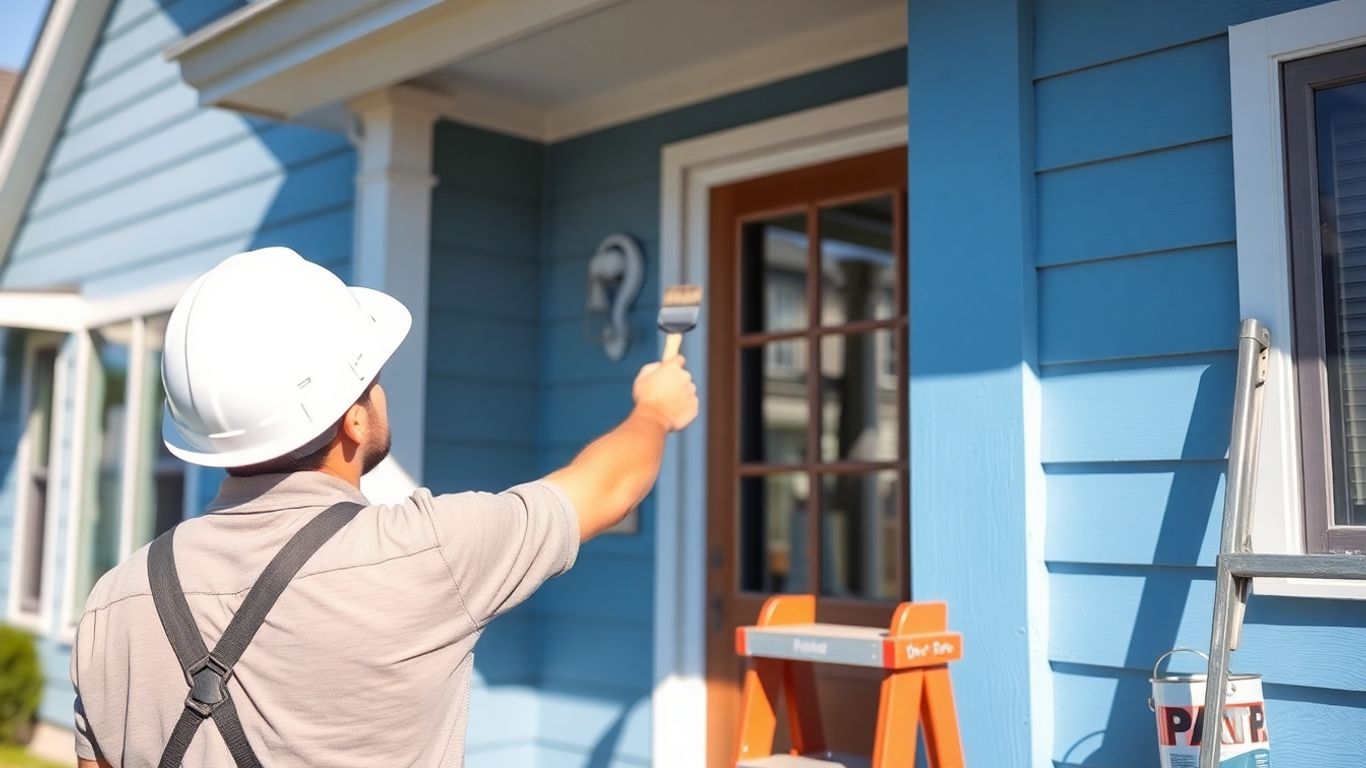
Thinking about painting your house? It's a big job, and honestly, figuring out when to do it can be tricky. You see houses painted all the time, and you wonder, 'How often should you repaint your home? A contractor’s honest answer is what we’re digging into today. It’s not just about looks; it’s about protecting your place too. We'll break down the signs that say 'time to paint!' and what pros consider when they look at your house. Plus, we'll cover how to find someone good to do the work, so you don't end up with a mess.
Key Takeaways
- Generally, plan to repaint your home's exterior every 5 to 10 years, depending on the paint quality and weather. Interior paint might last longer, but watch for signs of wear.
- Look for clear indicators that paint needs refreshing, like fading, peeling, chalking, or cracks in the caulk. These mean your home's protection is weakening.
- When hiring a painter, check their experience and reputation. Ask to see examples of their past work and get references from previous clients.
- Always get a detailed, written estimate that clearly lists all costs, including prep work, materials, and cleanup. Don't rely on verbal agreements.
- Verify that your painting contractor is licensed and insured, specifically asking about liability insurance and workers' compensation to protect yourself from unexpected issues.
Understanding When Your Home Needs A Fresh Coat
Sometimes, you just know it's time. Your home's paint, inside and out, tells a story of its life. Over time, the elements and daily living take their toll, and that once-vibrant finish starts to show its age. Recognizing these signs early can save you from bigger problems down the road and keep your home looking its best.
Recognizing The Telltale Signs Of Exterior Wear
Your home's exterior paint is the first line of defense against weather. When it starts to fail, it's not just about looks; it's about protection. Keep an eye out for these common indicators that a repaint is on the horizon:
- Fading and Chalking: If your paint looks dull, washed out, or leaves a powdery residue (chalk) when you rub it, it's lost its protective qualities.
- Cracking, Peeling, or Blistering: These are clear signs that moisture is getting under the paint. Left unaddressed, this can lead to wood rot or damage to the underlying surface.
- Mold or Mildew Growth: While sometimes a cleaning issue, persistent mold or mildew can indicate that the paint is no longer repelling moisture effectively.
- Hardened or Cracked Caulk: The caulk around windows, doors, and trim seals out water. If it's brittle and pulling away, water can seep in behind the paint.
Assessing Interior Paint Condition
Inside your home, the signs are often more subtle but just as important. Think about how the paint looks and feels:
- Scuffs and Stains: Everyday life leaves its mark. Heavy traffic areas, especially in hallways or kids' rooms, can accumulate scuffs that don't wipe clean.
- Fading in Sunlight: Areas exposed to direct sunlight might show uneven fading compared to protected spots.
- Dullness or Grime: Even with regular cleaning, paint can lose its luster over time, making rooms feel less bright.
- Minor Chips or Dents: Small impacts can chip paint, especially around high-use areas like doorways or furniture placement zones.
The Impact Of Environmental Factors On Paint Longevity
Where you live plays a huge role in how long your paint lasts. Harsh conditions mean your paint works harder.
- Sun Exposure: Intense UV rays break down paint binders, leading to fading and chalking faster.
- Humidity and Rain: Constant moisture can encourage mold and mildew growth and contribute to peeling, especially in coastal or damp climates.
- Temperature Fluctuations: Extreme heat and cold can cause paint to expand and contract, leading to cracks and peeling over time.
- Salt Air: Coastal areas can accelerate corrosion and paint breakdown.
Paying attention to these visual cues and understanding your local climate's impact will help you anticipate when your home is due for a refresh, ensuring it stays protected and looking great.
The Contractor's Perspective On Repainting Schedules
So, you're wondering when it's actually time to get the paint rollers out again, right? As a contractor, I see a lot of homes, and there's definitely a rhythm to when a fresh coat is needed. It's not just about what looks good; it's about protecting your biggest investment.
Typical Lifespan Of Quality Exterior Paint
When we talk about exterior paint, we're not just slapping on some color. We're talking about a shield for your home against sun, rain, snow, and everything in between. A good quality paint job, applied correctly on properly prepped surfaces, should realistically last between 7 to 10 years. Of course, this can change based on a few things, but that's a solid ballpark figure.
Here's a general idea of what you might expect:
| Type of Surface | Expected Lifespan (Years) |
|---|---|
| Wood Siding | 7-10 |
| Stucco | 5-7 |
| Fiber Cement Siding | 10-15 |
| Vinyl Siding (if painted) | 5-10 |
Factors Influencing Interior Paint Durability
Inside your home, paint tends to hang around a bit longer than outside, but it's not immune to wear and tear. Think about the high-traffic areas. Hallways, kids' rooms, kitchens – these spots take a beating. The type of paint matters too. A flat finish in a busy kitchen might look nice initially, but it's harder to clean than a satin or semi-gloss. We often see paint start to fade or get scuffed up in places after about 5 to 7 years, especially if it's a lighter color or in a spot that gets a lot of direct sunlight.
Several things play a role:
- Traffic: How many people (and pets!) use the space.
- Sunlight: Direct sun can fade colors over time.
- Moisture: Bathrooms and kitchens can be tough on paint if ventilation isn't great.
- Paint Quality: Higher quality paints generally hold up better.
- Surface Prep: Was the wall properly cleaned and primed before painting?
Remember, paint isn't just for looks. It's a protective layer. When it starts to fail, it means your home's surfaces are exposed to potential damage, which can lead to bigger, more expensive problems down the road. It's always better to address it before it gets bad.
Seasonal Considerations For Exterior Repainting
When it comes to painting the outside of your house, timing is everything. You can't just paint when the mood strikes, especially if you want the paint to stick and last. We generally prefer to paint when the weather is mild and dry.
- Spring: Often a great time. Temperatures are usually moderate, and there's less humidity. It's perfect for letting the paint cure properly.
- Fall: Another good season, as long as you get ahead of the colder weather. Early fall is ideal before frost sets in.
- Summer: Can be tricky. Extreme heat can make paint dry too fast, leading to application issues. High humidity can also slow down drying and curing.
- Winter: Generally a no-go for exterior painting in most climates. Freezing temperatures and moisture are paint's worst enemies.
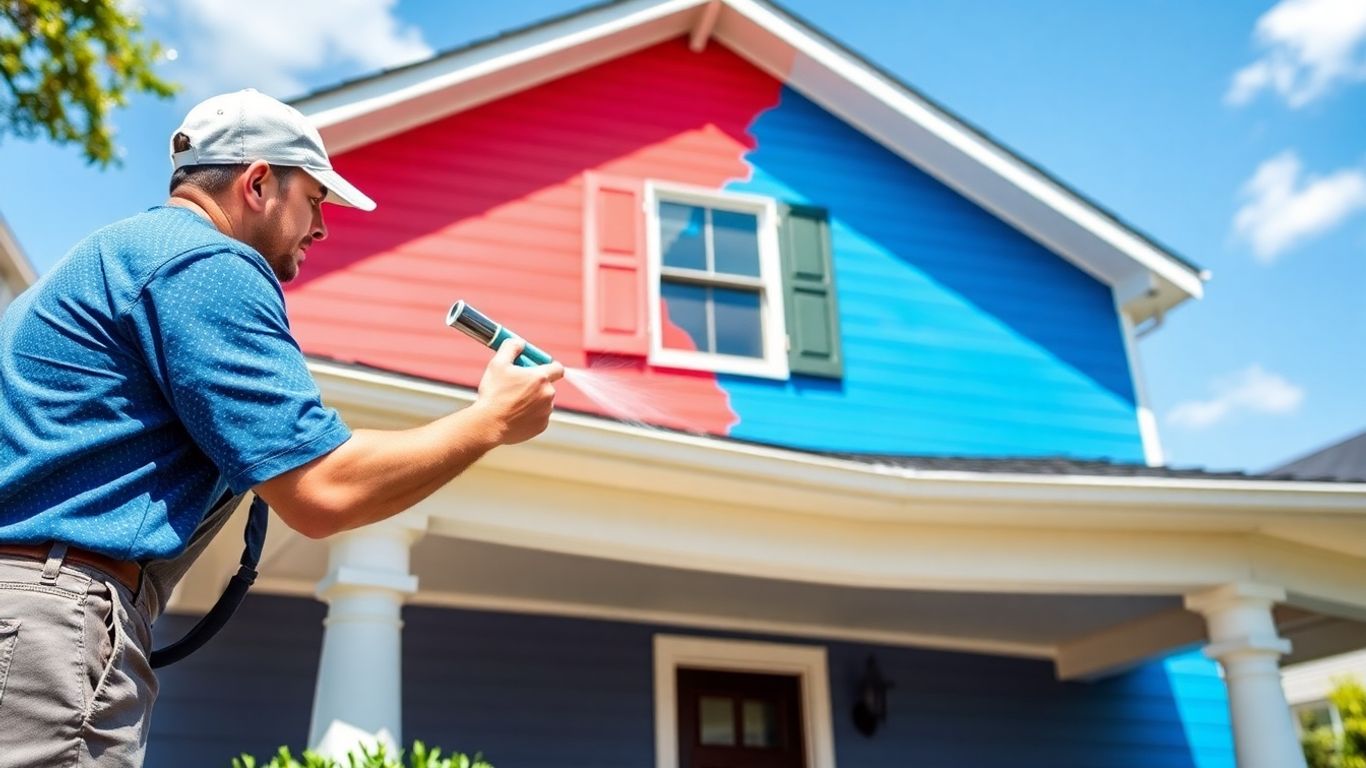
Key Qualities Of A Professional Painting Contractor
The Importance Of Experience And Reputation
When you're looking to get your home painted, finding someone who really knows their stuff is pretty important. You don't want just anyone slapping paint on your walls, right? A contractor who's been around the block for a while usually means they've figured out the best ways to handle different surfaces, deal with tricky weather, and generally just do a solid job. They've probably seen it all, from old houses with weird textures to modern homes with tricky trim.
- Look for contractors with at least 5-10 years in the business. This often means they have a good handle on their craft.
- They've likely built a reputation, which you can often check through online reviews or by asking around.
- A good reputation means they probably care about doing good work because their name is on the line.
Assessing A Contractor's Portfolio And References
So, how do you actually check if someone's good? Well, a contractor worth their salt will have examples of their past work. This could be photos on a website or even a physical portfolio they can show you. It's like looking at a chef's menu before you order – you want to see what they can do.
Don't just rely on what they say they can do. Ask to see pictures of their previous projects, especially ones that look similar to your own home. This gives you a real idea of their skill level and the kind of finish you can expect.
And references? They're gold. Talking to people who've actually hired the contractor before can tell you a lot. You can ask about things like:
- Were they on time?
- Did they clean up after themselves?
- Was the communication good throughout the project?
- Were there any surprises with the bill?
Understanding Their Approach To Color And Finish Selection
Choosing colors and finishes can be overwhelming. A good painting contractor won't just paint whatever you point to; they'll offer some guidance. They should be able to talk to you about how different finishes hold up in various areas of your home – like how a matte finish might hide imperfections better on an older wall, or how a semi-gloss is great for high-moisture areas like bathrooms.
- They should be able to explain the pros and cons of different paint types and finishes.
- They might have suggestions for colors that work well together or complement your home's style.
- A professional will also discuss the importance of proper prep work, like priming, which is key to a lasting paint job.
Ensuring A Smooth And Professional Painting Process
Getting a fresh coat of paint on your home is exciting, but the actual process can feel a bit overwhelming if you're not prepared. Working with a painting contractor means you're trusting them with your biggest asset, so making sure things go smoothly is pretty important. It's not just about slapping paint on walls; it's about the whole experience from start to finish.
The Role Of Detailed Written Estimates
When you get an estimate from a painting contractor, it should be more than just a number. A good estimate is like a roadmap for the project. It should clearly lay out exactly what work will be done, what areas will be painted, and what materials will be used. Don't just glance at the total cost; look for the details.
- Scope of Work: This section should detail which rooms or exterior areas are included, what surfaces will be painted (walls, ceilings, trim, doors), and any specific techniques.
- Materials and Colors: It should list the brand, type, and finish of the paint, as well as any primers or sealants. Confirming the exact colors is also key here.
- Prep Work: A professional estimate will break down the preparation steps, like patching holes, sanding, caulking, and cleaning. This is often the most overlooked but vital part of a lasting paint job.
- Timeline: While exact dates can be tricky, a good estimate will provide a projected start and completion timeframe.
Never agree to a job without a written estimate. Verbal agreements or simple text messages can lead to big misunderstandings later on, like surprise charges or arguments about what was actually agreed upon. A detailed estimate protects both you and the painter.
Clarifying Prep Work And Material Quality
This is where a lot of DIYers and even some less experienced painters fall short. Proper preparation is honestly about 70% of a good paint job. If a contractor skims on this, you're likely to see problems down the road – think peeling, bubbling, or uneven finishes.
Ask your contractor specifically about their prep process. Does it include:
- Surface Repair: Filling cracks and holes in drywall, repairing damaged wood.
- Surface Preparation: Sanding down rough spots, cleaning walls thoroughly to remove dirt, grease, or mildew.
- Protection: Covering floors, furniture, and fixtures to prevent paint splatters.
- Priming: Applying primer where necessary, especially over dark colors, stains, or new drywall.
Also, don't be afraid to ask about the quality of the materials. Using cheaper paint might save a little money upfront, but it often means fewer coats are needed, less durability, and a finish that doesn't hold up well over time. High-quality paint and supplies make a noticeable difference in the final look and how long it lasts.
Understanding Payment Schedules And Contracts
Before any paint hits the walls, you should have a signed contract. This document is your best friend in making sure the project goes as planned. It should clearly outline everything from the initial deposit to the final payment.
- Deposit: Most contractors require an upfront deposit to cover initial material costs and secure your spot on their schedule. This is usually a percentage of the total cost.
- Progress Payments: For larger jobs, there might be intermediate payments scheduled at certain milestones, like after the exterior is prepped and primed, or after interior walls are painted.
- Final Payment: This is typically due only after the job is completed to your satisfaction and all punch list items are addressed.
Always hold back a portion of the final payment until you're completely happy with the work. This gives you leverage to ensure any minor issues are corrected. A clear payment schedule in the contract prevents confusion and potential disputes.
Protecting Your Investment: Insurance And Licensing
Hiring a painting contractor is a big step, and it's not just about picking a pretty color. You're letting people into your home, and they'll be working on its exterior, too. That's why making sure they're properly insured and licensed is super important. It’s like a safety net for both you and the painter.
Why Liability Insurance Is Crucial
Think about it: what if a painter accidentally knocks over a can of paint, ruining your new carpet? Or maybe they break a window while working on the second story. That's where liability insurance comes in. It's there to cover any accidental damage they might cause to your property while on the job. Without it, you could end up footing the bill for repairs, which nobody wants.
Understanding Workers' Compensation Coverage
Now, let's talk about the crew. If one of the painters gets hurt while working at your place – maybe they slip off a ladder or trip over something – workers' compensation insurance is what protects you. This coverage handles their medical bills and lost wages. If the contractor doesn't have this, and someone gets injured, you might be held responsible for those costs. It’s a big risk to take.
Verifying Business Licenses and Legitimacy
Getting a business license means the contractor is operating legally in your area. It shows they've met certain requirements and are following the rules. It's a basic sign that they're a real business, not just someone doing a quick job on the side. You can usually check with your local city or county clerk's office to confirm if a license is required and if they have one.
Here’s a quick checklist when you're talking to potential painters:
- Ask for proof of insurance: Don't just take their word for it. Ask to see copies of their liability insurance and workers' compensation certificates. Make sure they're current.
- Inquire about their business license: Confirm they have the necessary local licenses to operate.
- Check their reputation: While not strictly licensing, looking at reviews and asking for references can tell you a lot about their professionalism and reliability.
Hiring someone without proper insurance or licensing might seem like a way to save a few bucks upfront, but the potential costs if something goes wrong can be way higher than any initial savings. It's always better to be safe than sorry when it comes to your home.
When you're getting estimates, make sure this information is clear. A professional painting company will be happy to provide these details. If they seem hesitant or can't produce the paperwork, it's usually a good sign to look elsewhere. Your home and your finances are worth protecting.
Beyond The Paint Job: Warranties And Cleanup
What To Expect From Workmanship Warranties
So, the painting is done, and your home looks fantastic. But what happens if, a few months down the line, you notice a small bubble or some peeling? This is where a workmanship warranty comes into play. A good painting contractor will stand behind their work. Most reputable painters offer a warranty that covers issues stemming from the application itself, like peeling, blistering, or flaking, typically for one to three years. It's important to remember that these warranties usually don't cover normal wear and tear, damage from external forces (like hail or impact), or issues caused by the paint itself failing (which is rare with quality products). Always get the warranty details in writing, clearly stating what's covered and for how long.
Clarifying Project Timelines and Potential Delays
When you hire a painting crew, you want to know when the job will start and, more importantly, when it will finish. A professional contractor will give you a realistic timeline. However, painting, especially exterior work, can be at the mercy of the weather. Rain, high winds, or extreme temperatures can put the project on hold. It’s wise to ask your contractor about their policy on weather delays and how they communicate schedule changes. Sometimes, unexpected issues can pop up during prep work, like discovering rotten wood that needs repair, which can also extend the timeline. A clear discussion about potential delays upfront can prevent a lot of frustration later.
Confirming Cleanup Responsibilities Post-Project
Nobody wants to be left with a mess after the painters leave. A professional job includes thorough cleanup. This means they should remove all their equipment, leftover materials, drop cloths, and any paint splatters or drips. They should also properly dispose of waste. It’s a good idea to walk around the property with the contractor after the job is done to make sure everything is to your satisfaction regarding cleanliness. A detailed estimate or contract should specify what cleanup is included. Don't be shy about asking what happens to leftover paint – sometimes homeowners can keep it for touch-ups, or the contractor might have a disposal plan.
A professional painting job isn't just about the final coat of paint. It's about the entire process, from the initial estimate to the final cleanup. Understanding what's included in warranties and how cleanup is handled helps ensure you're getting a complete, professional service that protects your investment long after the brushes are put away.
Once the painting is done, we don't just pack up and leave. We make sure everything is clean and tidy, just like we found it. We also offer guarantees on our work, so you can feel confident in your new look. Want to know more about our cleanup process and what we cover? Visit our website today!
Wrapping It Up
So, when should you actually get the paint rollers out? Generally, plan for a refresh every five to ten years, but keep an eye on your walls. Fading colors, peeling bits, or caulk that's gone hard are pretty good signs it's time. Thinking of selling? A fresh coat always helps. Doing it yourself can save cash, sure, but if you're short on time or want that pro look, hiring someone is the way to go. Just remember to do your homework: check their experience, ask for references, get everything in writing, and make sure they're insured. A good paint job isn't just about looks; it's about protecting your home and keeping it feeling fresh.
Frequently Asked Questions
How often should I really repaint my house?
Think about repainting your home every 5 to 10 years. However, keep an eye out for signs like faded paint, cracked caulk, or peeling sections. These telltale signs mean it's time for a fresh coat, even if it hasn't been that long.
What's the difference between a DIY paint job and hiring a pro?
While you can paint it yourself, pros bring experience and specialized tools. They often achieve a smoother finish, use better quality paint because of their supplier connections, and can finish the job much faster. Plus, they handle all the prep work and cleanup, which can be a huge time saver.
How do I pick the right painting contractor?
Look for painters with a solid track record and plenty of experience. Ask to see examples of their past work, especially projects similar to yours. Checking online reviews and asking friends for recommendations are also smart moves.
What should be included in a painting estimate?
A good estimate should be written and detailed. It needs to clearly list the cost of materials and labor. It should also specify exactly what kind of prep work, like patching holes or sanding, is included. Don't forget to ask about cleanup too!
Why is it important for painters to be insured and licensed?
Insurance protects you! If a painter gets hurt on your property or accidentally damages something, liability insurance and workers' compensation cover the costs. Licensing means they're legitimate and follow local rules. Always ask for proof before hiring.
What if I'm not happy with the paint job?
A professional contractor should offer a warranty on their work. This means if something goes wrong due to their application, they'll come back and fix it. Always discuss this and get it in writing before they start painting.


Comments
Post a Comment