How Often Should You Refinish Your Deck? Expert Tips for Longevity
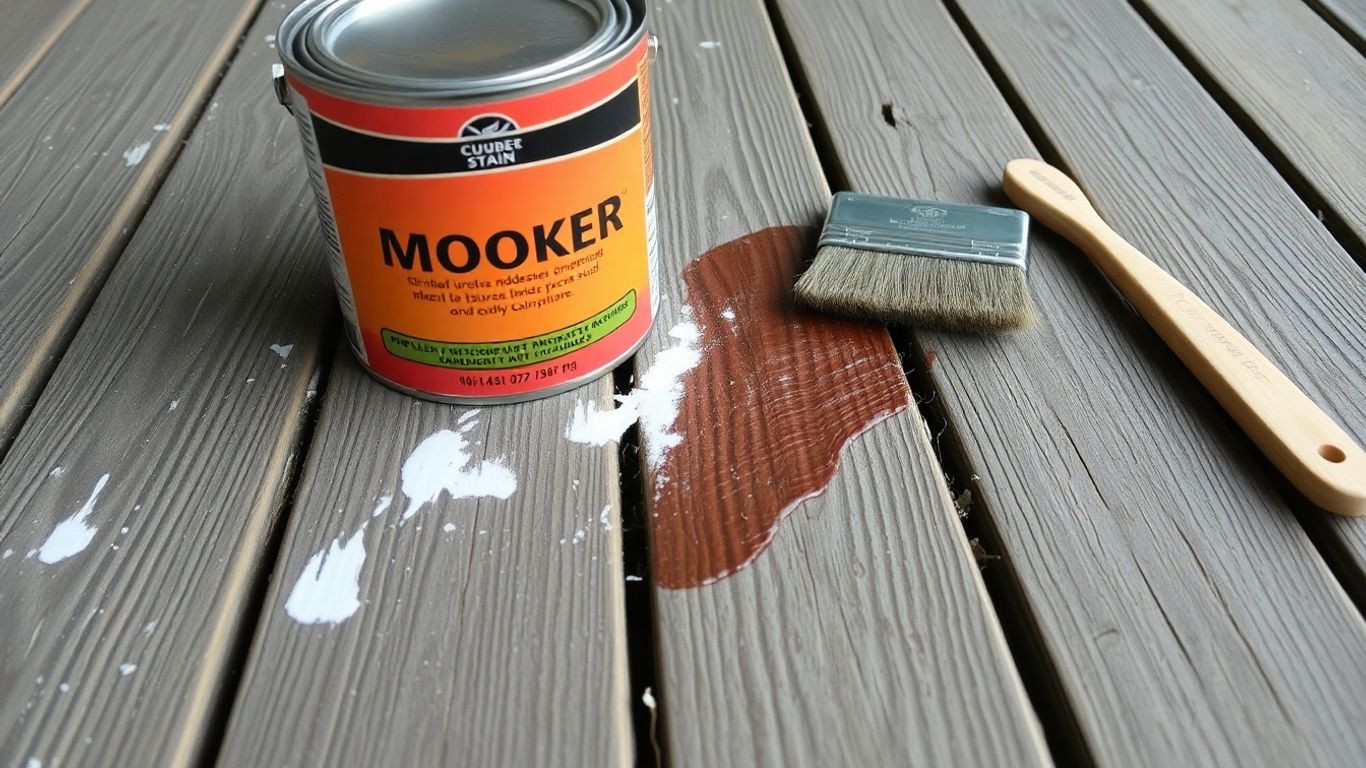
So, you've got a deck, and you're wondering how often it needs some love. It's a fair question, especially when you consider how much time and money goes into keeping it looking good. Unlike painting the inside of your house, a deck is out there taking a beating from the sun, rain, and whatever else Mother Nature throws at it. Figuring out the right schedule for refinishing can feel like a guessing game, but it doesn't have to be. Let's break down what really matters when it comes to keeping your deck in shape, so you can enjoy it for years to come.
Key Takeaways
- The frequency of deck refinishing depends on several things, like the weather, how much you use the deck, and what kind of stain was used before.
- Harsh weather, like intense sun in the summer and freezing temperatures in the winter, can really wear down your deck's protection faster.
- A deck that sees a lot of action, whether it's from kids playing or lots of parties, will need more attention than one that's mostly just for show.
- High-quality stains usually last longer, meaning you might be able to wait a bit longer between refinishing jobs compared to lower-quality ones.
- Generally, plan to refinish your deck every 2-3 years, but always keep an eye out for signs like peeling, fading, or water soaking in, which mean it's time for a refresh sooner.
Understanding Your Deck's Needs
Your deck is more than just a wooden platform; it's an extension of your home, a place for summer barbecues, quiet morning coffees, and making memories. But like any part of your house that's constantly exposed to the elements, it needs attention to stay in good shape. Thinking about how often you need to refinish it really comes down to a few key things about your specific deck and how you use it.
Factors Influencing Refinishing Frequency
Several things play a big role in how often your deck needs a refresh. It's not a one-size-fits-all situation. The type of wood your deck is made from matters a lot. Hardwoods like teak or ipe tend to hold up better and might need refinishing less often than softer woods like pine or cedar. Also, how much sun and rain it gets is a major factor. A deck that bakes in the sun all day will likely fade and dry out faster than one that's partially shaded.
- Wood Type: Hardwoods generally last longer between refinishing.
- Sun Exposure: Direct, intense sun can accelerate wear.
- Moisture Exposure: Frequent rain or humidity can lead to rot and mold.
- Foot Traffic: High-traffic areas will show wear more quickly.
The Impact of Weather Conditions
Weather is probably the biggest culprit when it comes to deck wear and tear. Think about it: your deck is battling everything from scorching summer sun to freezing winter ice and snow. Those constant temperature swings cause the wood to expand and contract, which can lead to cracks and splinters over time. Heavy rain can soak into the wood, promoting mold and mildew growth, while intense UV rays from the sun bleach the color and break down the wood fibers.
The cycle of wet and dry, hot and cold, puts a lot of stress on the wood. It's like a constant workout for your deck, and eventually, it needs some recovery and protection.
Assessing Deck Usage and Wear
How you use your deck also impacts its lifespan and refinishing needs. Is it the main hub for family gatherings, or is it more of a quiet spot for a couple of people? A deck that sees a lot of action, with furniture being dragged around, kids playing, and pets running, will naturally show wear faster than one that's used less frequently.
- High Usage: Furniture movement, spills, and general activity cause more wear.
- Low Usage: Less activity means the finish might degrade more from the elements than from use.
- Specific Areas: High-traffic paths or areas where furniture sits can wear down faster.
Paying attention to these details will give you a much clearer picture of what your deck needs and when it's time to roll up your sleeves and get to work.
The Role of Previous Stain Quality
So, you've got a deck that needs some love. Before you even think about grabbing a brush, let's talk about what's already on there. The kind of stain you used (or that was used before you) makes a pretty big difference in how often you'll need to do this whole refinishing song and dance.
Factors Influencing Refinishing Frequency
It's not just about the weather, though that's a huge part of it. How much you actually use your deck matters too. If your deck is the go-to spot for backyard BBQs, kids' soccer practice aftermath, or just lounging with a book, it's going to take a beating. More foot traffic means more wear and tear on that protective coating. Think of it like the soles of your shoes – the more you walk in them, the faster they wear down. A deck that's constantly being walked on, sat on, and generally lived on will need more frequent touch-ups than one that's mostly just for show.
The Impact of Weather Conditions
We all know the sun can be brutal, right? Those strong UV rays don't just fade your favorite t-shirt; they can break down the protective stuff on your deck, making it look dull and worn out way faster than you'd like. And then there's winter. Ice, snow, freezing and thawing – it's like a constant cycle of expansion and contraction for the wood. This can lead to cracks and all sorts of damage if the wood isn't properly sealed. Plus, all that moisture from melting snow can soak into the wood, creating a nice little home for mold and mildew. Nobody wants that.
Assessing Deck Usage and Wear
Look, if your deck is the main stage for your outdoor life, it's going to show it. Kids running around, furniture being dragged, maybe even a rogue grill incident – it all adds up. A deck that sees a lot of action will naturally show more signs of wear. You'll see faded spots, maybe some splintering, or areas where the stain just looks completely gone. This is your cue that it's time to get serious about maintenance. It's not just about looks; it's about protecting the wood underneath from further damage.
High-Quality Stains for Durability
When you invest in a good quality stain, you're basically giving your deck a superhero cape. These products are made with better ingredients that really soak into the wood and create a tough barrier. They're designed to stand up to the sun, rain, and all that foot traffic for a good long while. A premium stain can often last longer, meaning you can go more years between full refinishing jobs. This saves you time, money, and a whole lot of hassle down the road. It’s like buying a durable pair of boots instead of cheap flip-flops – they cost more upfront, but they last way longer and protect your feet better.
When Lower-Quality Stains Require More Attention
On the flip side, those cheaper, bargain-bin stains? They might seem like a good deal at first, but they often don't have the same staying power. They might look okay for a year, maybe two, but then they start to fade, peel, or just wear away way too quickly. This means you'll be back on your hands and knees more often, trying to patch things up or do a full refinish sooner than you'd hoped. It's a bit like putting a flimsy plastic tarp over something important – it offers some protection, but not for long. You end up spending more time and money in the long run trying to keep things looking decent.
The type of stain you used previously is a big factor in how often you'll need to refinish. High-quality stains offer better protection and last longer, reducing the frequency of maintenance. Cheaper stains might require more frequent attention to keep your deck looking good and protected from the elements.
Recommended Refinishing Schedule
So, how often should you actually get around to refinishing your deck? It’s not a one-size-fits-all answer, really. A lot depends on what your deck goes through and what you put on it last time. Think of it like giving your car an oil change – you wouldn't wait until the engine seizes up, right? Same idea here.
General Guidelines for Restaining
Most experts and folks who know their way around a deck will tell you that a good restaining every two to three years is a solid bet. This timeframe gives you a good balance between keeping your deck looking sharp and not overdoing the maintenance. It’s a good general rule of thumb to keep in mind.
Signs Your Deck Needs Immediate Attention
Sometimes, your deck will tell you it’s time, no calendar needed. You just have to know what to look for. If you see any of these things, don't wait for that two- or three-year mark:
- Water Pooling: If water doesn't bead up and roll off the surface but instead soaks in or forms puddles, the sealant is likely gone.
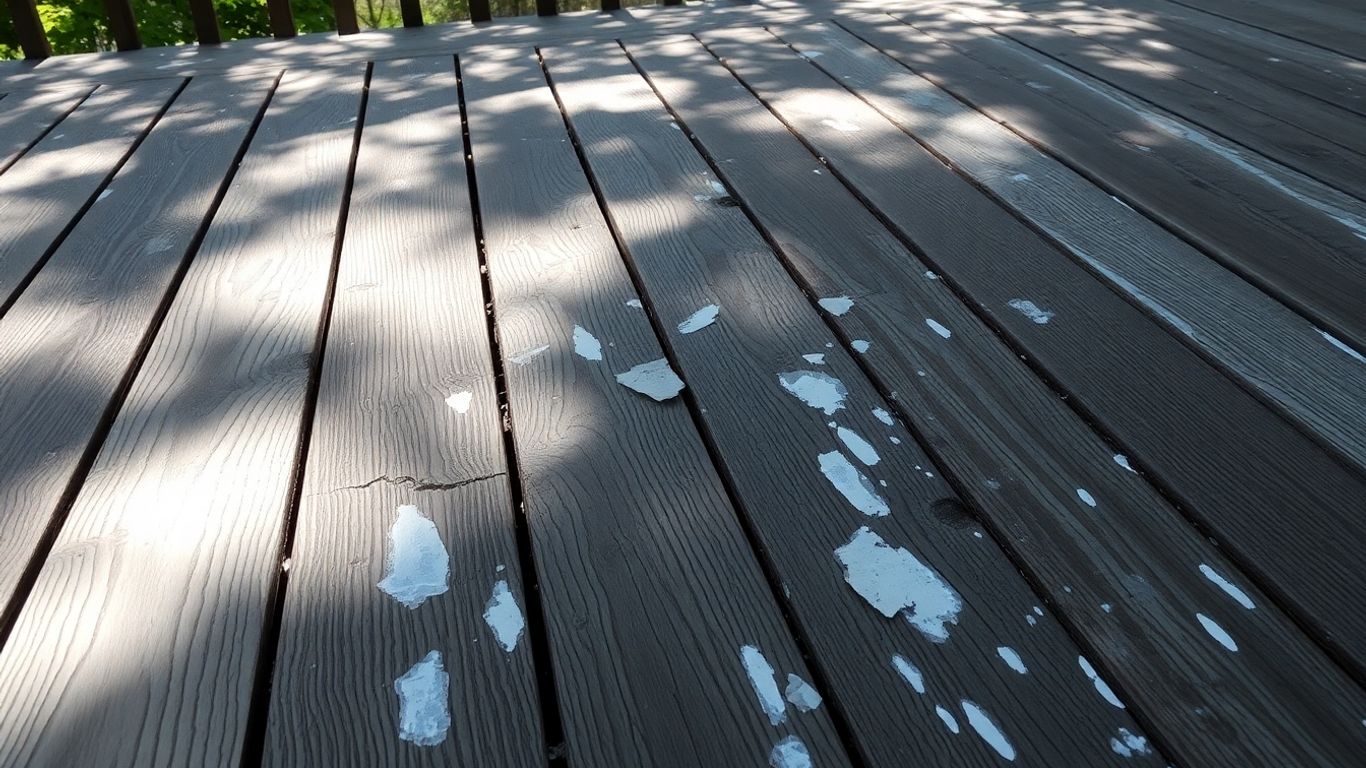
- Fading or Peeling: Big patches of color missing, or the stain is flaking off in sheets? That's a clear sign it's time for a refresh.
- Graying Wood: If the wood itself is starting to look dull and gray, it's lost its protection and is exposed to the elements.
- Splintering or Rough Patches: Areas that feel rough or are starting to splinter mean the wood is drying out and breaking down.
The 2-3 Year Restaining Recommendation
As mentioned, aiming for a restaining every two to three years is a smart move for most decks. This schedule helps maintain the wood's integrity and appearance. It's about proactive care rather than reactive fixes. If you've used a high-quality stain and sealant, you might even push it a bit longer, but checking your deck regularly is key. If you live in an area with really harsh weather – think intense sun, heavy snow, or lots of rain – you might need to lean closer to the two-year mark.
Keeping up with regular restaining isn't just about looks; it's about protecting your investment. A well-maintained deck can last for decades, while a neglected one can start to rot and warp much sooner, leading to costly repairs or even replacement.
Essential Deck Maintenance Practices
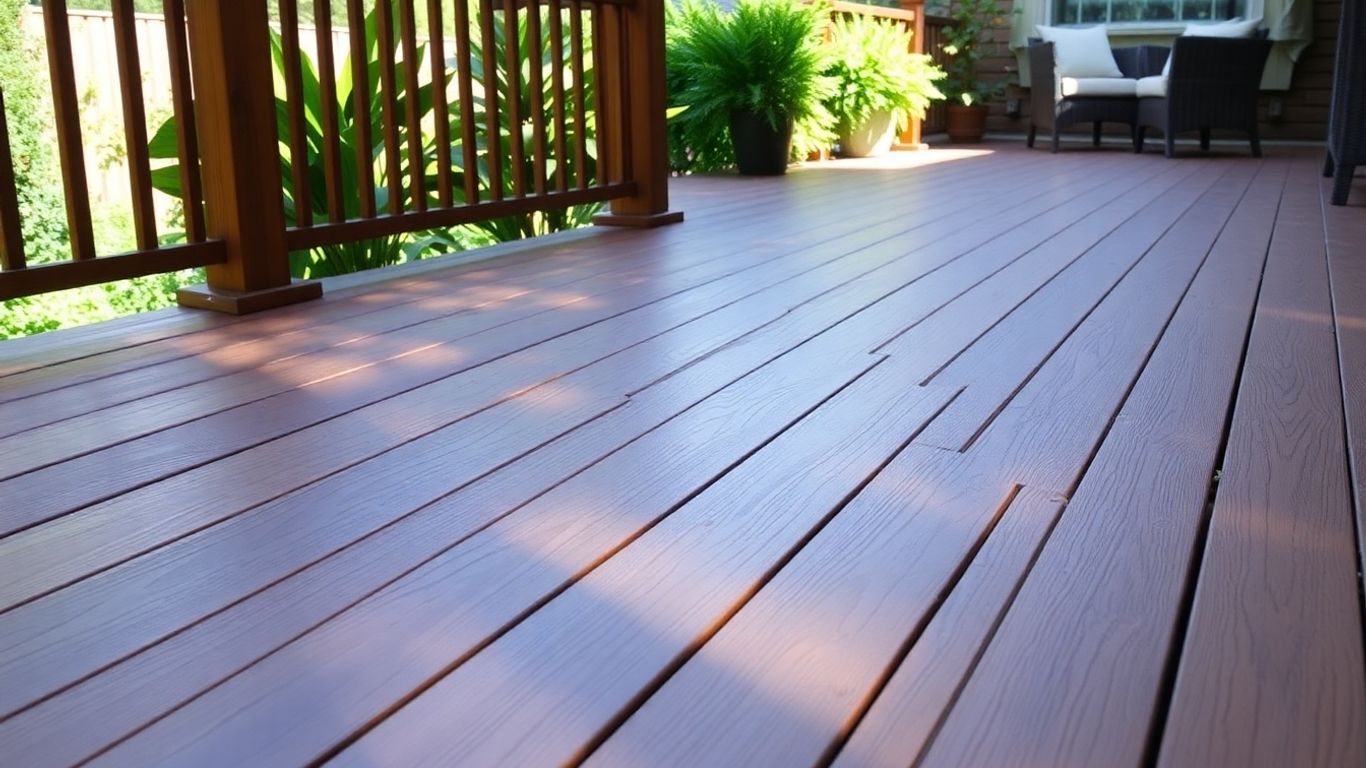
Keeping your deck looking good and lasting a long time isn't just about slapping on a new coat of stain every few years. It's really about consistent care. Think of it like owning a car – you wouldn't just wait for it to break down to do anything, right? Your deck needs that same kind of attention. Regular upkeep stops small problems from turning into big, expensive headaches.
The Importance of Regular Cleaning
This is where it all starts. You've got to get rid of the gunk that builds up. Leaves, dirt, pollen, and whatever else the wind blows your way can trap moisture. And where there's trapped moisture, you get mold, mildew, and rot. Nobody wants that.
- Sweep it often: Just a quick sweep a couple of times a week can make a huge difference. Get into the corners and between the boards.
- Wash it down: A good wash a couple of times a year is a must. Use a cleaner made for decks – nothing too harsh. A stiff brush helps get the grime out.
- Rinse thoroughly: Make sure you get all the soap residue off. Leftover cleaner can attract dirt or even damage the wood over time.
Don't clean your deck in the middle of a hot, sunny day. The cleaner can dry too fast, leaving streaks and making your job harder. Try to do it in the morning or late afternoon when it's cooler.
Conducting Thorough Deck Inspections
Cleaning is also the perfect time to really look at your deck. You're not just washing; you're checking for trouble.
- Look for loose boards: Step on them. Do they wiggle? Are any boards cracked or splintered?
- Check the hardware: Screws and nails can loosen up or even rust. Make sure everything is tight and not showing signs of corrosion.
- Spot rot and decay: Pay attention to areas near the ground or where water might sit. Soft, spongy wood is a bad sign.
- Examine railings and stairs: These get a lot of use. Make sure they're sturdy and safe.
Addressing Minor Repairs Promptly
This is the part where you save yourself a lot of future grief. See a loose screw? Tighten it. Notice a small crack? You might be able to fix it before it gets worse. Ignoring little issues is how you end up needing a whole new deck.
- Replace damaged boards: If a board is really bad, swap it out. It's better than letting it rot and spread.
- Tighten or replace fasteners: Use stainless steel or galvanized screws and nails. They hold up better outside.
- Fix wobbly railings: Make sure everything is secure. Safety first!
The key takeaway here is that consistent, simple maintenance is way better than waiting for a big problem to show up. A little effort regularly goes a long way in keeping your deck looking great and safe to use for years.
Choosing the Right Protective Products
So, you've decided to give your deck some love and attention. That's great! But before you grab the first can of goop you see at the hardware store, let's talk about what you're actually putting on your deck. It's not just about making it look pretty; it's about protecting your investment from all sorts of weather and wear.
Selecting High-Quality Sealants and Stains
When it comes to keeping your deck looking good and holding up over time, the products you use really matter. Think of it like choosing the right paint for your house – you don't want the cheap stuff that peels off after one season, right? The same goes for your deck. High-quality sealants and stains are made to last. They create a solid barrier against rain, sun, and whatever else Mother Nature throws at it. This means less warping, cracking, and fading.
- Look for products specifically made for outdoor wood. These have the right stuff to handle UV rays and moisture.
- Check the reviews. See what other people are saying about how long a product lasts.
- Don't be afraid to spend a little more. A slightly pricier product that lasts twice as long is actually cheaper in the long run.
Understanding Different Stain Types
Stains are pretty popular because they let the natural wood grain show through. It gives your deck that classic, warm look. But not all stains are created equal, and they come in a few different flavors:
- Transparent Stains: These are like a clear coat with a hint of color. They offer minimal UV protection but really let the wood's natural beauty shine. You'll need to reapply these more often.
- Semi-Transparent Stains: These have more pigment, offering better UV protection and color. They still allow some wood grain to be visible. This is a good middle-ground for many people.
- Solid Stains: These look a lot like paint but are formulated to penetrate the wood more like a stain. They offer the most UV protection and hide the wood grain completely. They can be a good option if your wood is a bit older or has some imperfections you want to cover up.
The biggest difference between stains and paints is how they interact with the wood. Stains soak into the wood, while paint sits on top of it. This means stains are generally easier to reapply later on because you don't have to worry as much about peeling and chipping.
The Benefits of Exterior Deck Paint
Now, paint isn't always the first thing people think of for a deck, but it has its place. If you're going for a specific look or need maximum protection, paint can be a solid choice. It covers up any imperfections in the wood and gives you a uniform color. Plus, a good exterior deck paint can create a really tough barrier against the elements.
However, paint can be more work down the road. If it starts to chip or peel, you'll likely have to scrape and sand the whole thing before you can repaint. It's a bit more of a commitment than stain, which often just fades.
So, when you're picking out what to use, think about what you want your deck to look like, how much sun and rain it gets, and how much time you want to spend on maintenance each year. Getting the product right from the start makes a huge difference.
Seasonal Deck Care Strategies
Your deck sees a lot of action throughout the year, and the weather can really take its toll. Thinking about your deck's needs with the changing seasons can make a big difference in how long it lasts and how good it looks. It’s not just about slapping on some stain once every few years; it’s about consistent care.
Preparing Your Deck for Winter
As the leaves start to fall and the temperatures drop, it's time to get your deck ready for the cold months ahead. This means giving it a good clean to remove any lingering dirt, leaves, or mildew that could cause problems over winter. Clearing off all furniture and decor is a must before you start. You'll want to make sure the wood is dry before applying any protective sealants. Think of it like putting a warm coat on your deck before a blizzard hits. If you have snow, try to clear it off promptly using a plastic shovel to avoid scratching the surface. Letting snow and ice sit can lead to moisture getting into the wood, which isn't good.
Spring Cleaning and Inspection
Once winter loosens its grip, your deck is probably looking a bit sad. Spring is the perfect time for a thorough cleaning. Mild temperatures and low humidity are your best friends here. You want the cleaning solutions to work, not evaporate instantly. Look for any damage that might have happened over the winter – loose boards, popped nails, or splintering. It’s much easier to fix these small issues now before they become bigger headaches.
- Wash away winter grime: Use a deck cleaner suitable for your wood type. Avoid harsh chemicals that can strip the wood's natural color or damage its fibers.
- Inspect for damage: Check every board, railing, and step. Look for rot, cracks, or loose fasteners.
- Address repairs: Fix any loose boards or railings. Replace any rotten wood sections.
- Consider a fresh coat: If the stain is faded or worn, spring is a great time to reapply it after the deck is clean and dry.
Summer Maintenance Tips
Summer is prime deck season, so you'll want to keep it looking its best. Regular light cleaning is key, especially if you're hosting barbecues or just enjoying the sunshine. Spills from drinks or food can stain if left too long. You might also need to reapply a sealant, particularly if you notice water isn't beading up on the surface anymore. The intense sun can dry out the wood, so a good sealant acts like sunscreen for your deck.
Keeping up with your deck's needs throughout the year, rather than just doing one big project, really helps maintain its appearance and structural integrity. Small, regular tasks prevent bigger, more expensive problems down the road.
Here’s a quick rundown of what to focus on:
- Sweep regularly: Get rid of leaves, dirt, and debris that can trap moisture.
- Spot clean spills: Address any messes immediately to prevent stains.
- Check for wear: Keep an eye on the finish. If water soaks in instead of beading, it's time for more sealant.
- Protect from furniture: Use pads under furniture legs to prevent scratches and dents.
Environmental Considerations for Deck Restoration
When you're thinking about fixing up your deck, it's a good idea to consider the planet too. We can make choices that are better for the environment without sacrificing the quality of our deck's finish. It’s not as complicated as it sounds, and a little thought goes a long way.
Choosing Eco-Friendly Products
This is where you can really make a difference. Look for cleaning solutions and stains that have low VOCs, which stands for volatile organic compounds. These compounds can be harmful to the air quality around your home and the environment in general. Many brands now offer water-based or natural alternatives that work just as well. Using products with fewer harsh chemicals means a healthier deck and a healthier planet. When you're shopping, check the labels for terms like "low VOC" or "eco-friendly." For example, TimberPro Coatings USA makes professional-grade, eco-friendly wood finishes right here in the USA using sustainable ingredients TimberPro Coatings USA.
Sustainable Material Options
If your deck needs more than just a refinish and you have to replace some boards, think about where those boards come from. Sustainable wood options are great, but so are composite materials made from recycled plastics and wood fibers. These can be really durable and help keep waste out of landfills. Even reusing some of your existing, still-good deck boards for smaller projects like built-in planters can cut down on waste and save you money.
Water Conservation During Cleaning
Cleaning is a big part of deck restoration, and it uses water. Try to be mindful of how much water you're using. If you're using a pressure washer, opt for one with an adjustable flow rate so you can use only what you need. Sometimes, a good scrub with a stiff brush and a bucket of water is enough, especially if you're using an effective cleaner. Planning your cleaning sessions to be efficient can also help conserve water. Remember to properly dispose of any old cleaning materials or leftover stain according to your local regulations; don't just pour them down the drain.
When fixing up your deck, think about the planet! Choosing eco-friendly materials and methods helps keep our environment healthy. We can help you make smart choices for your deck project that are good for your home and the Earth. Visit our website to learn more about sustainable deck restoration options!
Wrapping Up Your Deck's Care
So, keeping your deck looking good and lasting a long time really comes down to a few key things. It's not just about slapping on some stain every few years. You've got to pay attention to how you use the deck, what the weather's doing, and the quality of the stuff you put on it. Regular cleaning and checking for problems are super important, maybe even more than the staining itself. If you do it right, your deck will be a great spot to hang out for ages. If you're feeling overwhelmed or just want it done right, calling in the pros can make a big difference. They know what works best for your specific deck and climate.
Frequently Asked Questions
How often do decks usually need to be refinished?
Most decks need to be refinished every 2 to 3 years. But this can change depending on the weather, how much you use your deck, and the quality of the stain that was put on before.
What are the signs that my deck needs to be refinished soon?
Look for signs like the stain looking faded, peeling off, or if water soaks into the wood instead of beading up on top. These mean the protective coat is wearing out and the wood is in danger.
Does harsh weather make me need to refinish my deck more often?
Yes, it does. Strong sun in the summer can fade and break down the stain faster. In the winter, ice and snow can cause damage, and the constant wetness from rain can lead to mold and rot if the wood isn't protected.
How does using my deck affect how often I need to refinish it?
If your deck sees a lot of action, like from kids playing, parties, or grilling, it will wear out faster. More foot traffic and use means more wear and tear, so you might need to refinish it more frequently than a deck that's not used as much.
Is it better to use a high-quality stain or a cheaper one?
Spending a bit more on a high-quality stain is usually worth it. These stains are made to last longer and protect your deck better, meaning you won't have to refinish as often, saving you time and money in the long run.
What's the first step in taking care of my deck?
The most important first step is regular cleaning. You should sweep off leaves and dirt often and wash it down with a mild cleaner to stop mold and mildew from growing. Also, keep an eye out for any loose boards or other damage.


Comments
Post a Comment