Deck Painting vs. Staining: Unpacking The Real Difference and Longevity
So, you've got a deck and you're wondering how to make it look good and last. Two big options come up: painting or staining. It seems simple enough, but there's actually a lot to consider. We're going to break down the real difference between deck painting and staining, and which one might actually last longer for your situation. Let's figure out what's best for your outdoor space.
Key Takeaways
- Painting offers a solid color finish that can hide imperfections and provide a fresh look, but it tends to peel and chip over time, requiring more frequent upkeep.
- Staining penetrates the wood, highlighting its natural grain and texture. It offers a more natural look and is generally easier to reapply than paint.
- Paint provides a thicker protective layer against moisture and UV rays, but its flexibility is limited, leading to cracking or peeling when the wood expands and contracts.
- Stain offers good protection against the elements, especially water, and is more forgiving with wood's natural movement, reducing the risk of peeling.
- The longevity of both paint and stain depends heavily on preparation, application quality, the type of product used, and the climate your deck is exposed to.
Understanding The Real Difference Between Deck Painting and Staining
So, you've got a deck that's seen better days, and you're wondering whether to slap some paint on it or go with a stain. It seems like a simple choice, right? Well, not exactly. Painting and staining do more than just change the color; they actually interact with the wood differently, affecting how your deck looks, how long it lasts, and what kind of upkeep it'll need down the road. The biggest difference boils down to how they form a protective layer on the wood.
The Aesthetic Appeal of Painted Decks
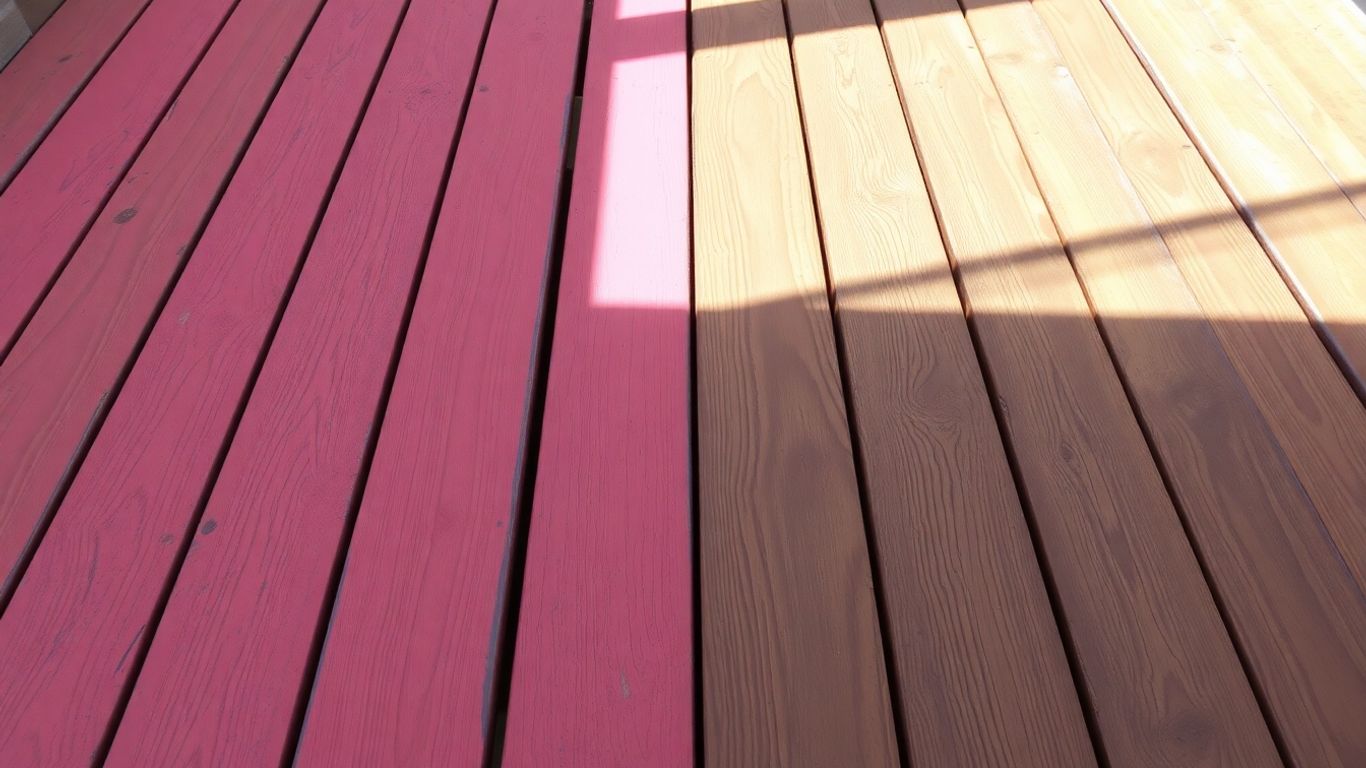
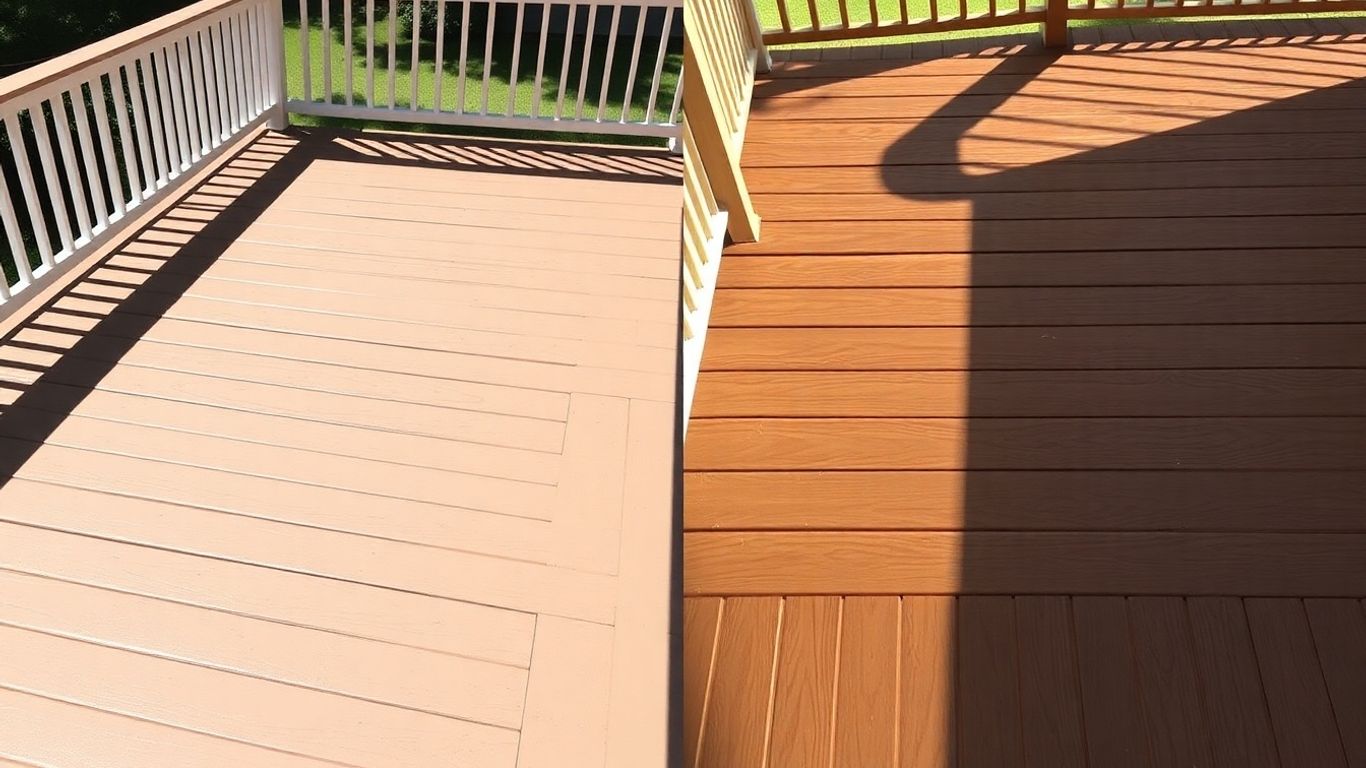
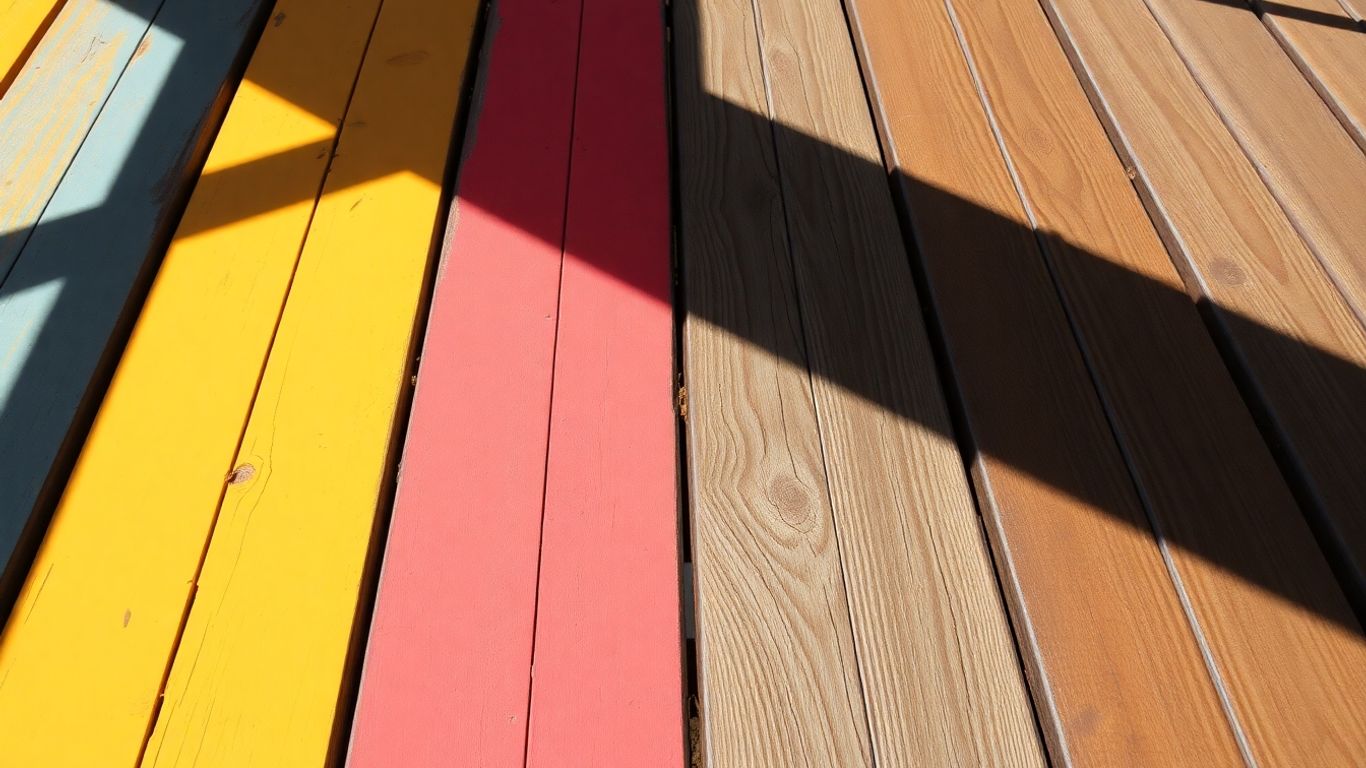
When you paint a deck, you're essentially covering the wood with a solid, opaque layer. This gives you a completely uniform color and hides any imperfections in the wood grain. Think of it like giving your deck a fresh coat of makeup – it can cover up blemishes and give you a smooth, consistent finish. This is great if you want a specific, bold color that stands out, or if your deck has some older wood that you'd rather not show off. You can achieve almost any color imaginable, from bright reds to deep blues, really making your outdoor space pop. It's a way to completely transform the look of your deck, making it a real statement piece.
The Natural Look of Stained Decks
Stain, on the other hand, is more about enhancing what's already there. It soaks into the wood rather than sitting on top, allowing the natural grain and texture to show through. This gives your deck a more organic, natural appearance. Even with darker stains, you can usually still see the wood's character. It's like applying a toner to your skin – it evens things out and adds a bit of color without completely masking your natural features. If you love the look of real wood and want to highlight its beauty, stain is usually the way to go. It feels more connected to nature, which is often why people choose wood decks in the first place.
Color Options and Customization
When it comes to color, paint definitely offers the widest range. You can get virtually any shade you can think of, and it's easy to get custom matches. This means you can coordinate your deck color perfectly with your house trim, your garden furniture, or whatever your heart desires. Stains also come in a variety of colors, but they tend to be more earth-toned – think browns, grays, and reds. While you can get some lighter or even tinted stains, they generally won't give you the same level of opaque color coverage as paint. However, semi-transparent stains offer a nice middle ground, adding color while still letting the wood grain peek through. For a truly unique look, you might consider custom deck colors that can be achieved with paint.
The choice between paint and stain isn't just about looks; it's about how the finish interacts with the wood and what kind of protection it offers. Paint creates a barrier, while stain penetrates. This fundamental difference impacts everything from maintenance to how long the finish lasts.
Durability and Protection Factors
When we talk about how well your deck holds up over time, we're really looking at how it handles the weather and everyday wear and tear. Both paint and stain offer protection, but they go about it in different ways, and that makes a big difference in how long they last and what kind of defense they offer.
How Paint Protects Wooden Surfaces
Paint acts like a shield for your wood. It forms a solid layer on top of the deck's surface. This barrier is pretty good at keeping moisture out, which is a big deal because moisture can lead to rot and other wood problems. It also helps block UV rays from the sun, which can fade and damage the wood over time. Think of it like putting a raincoat on your deck – it keeps the elements from soaking in.
- Forms a thick, opaque barrier.
- Blocks UV rays effectively.
- Prevents water penetration.
The Protective Qualities of Deck Stain
Deck stain is a bit different. Instead of sitting on top, it soaks into the wood. This means it protects the wood from the inside out. Stains also have pigments that help block UV rays, though usually not as much as paint. Some stains are designed to repel water, while others are more about enhancing the wood's natural look while offering some protection.
- Penetrates the wood fibers.
- Offers UV protection through pigments.
- Can enhance natural wood grain.
Resistance to Moisture and Abrasion
This is where things get interesting. Paint, because it's a film on the surface, can be prone to chipping or peeling if the wood expands and contracts a lot, or if it gets scraped. If that film breaks, water can get underneath, causing bigger issues. However, a well-applied paint job can be very resistant to moisture. Stains, on the other hand, tend to be more flexible. They move with the wood better, so they're less likely to crack or peel. This makes them generally better at resisting abrasion from foot traffic and furniture. But, if the stain wears away, the wood is more exposed to moisture and UV damage.
Here's a quick look at how they stack up:
| Feature | Paint | Stain |
|---|---|---|
| Moisture Barrier | Excellent (if intact) | Good to Moderate (varies by product) |
| UV Protection | Excellent | Good to Moderate (varies by pigment) |
| Abrasion Resist. | Moderate (can chip/peel) | Good (flexible, less prone to peeling) |
| Wood Grain View | Obscured | Visible (enhances natural look) |
The key difference lies in how they interact with the wood. Paint creates a surface layer, offering a robust shield but risking film damage. Stain soaks in, protecting from within and flexing with the wood, but its protective layer can wear down more visibly over time, requiring more frequent attention to maintain its full benefit.
Longevity and Maintenance Requirements
So, how long can you expect your deck to look good and stay protected, and what kind of work is involved? It really depends on whether you went with paint or stain, and honestly, how much you're willing to put into it.
The Lifespan of Painted Decks
Painted decks can look fantastic, but they often have a shorter lifespan before needing a refresh compared to stained decks, especially if you're not diligent with upkeep. Typically, you might see a good finish lasting anywhere from 3 to 7 years before it starts showing signs of wear. This isn't a hard and fast rule, though. Factors like the quality of the paint used, how well the deck was prepped before painting, and the kind of weather it endures all play a big role. Intense sun, heavy rain, and lots of foot traffic will wear down paint faster. You'll start noticing peeling, chipping, or fading, particularly on high-traffic areas or surfaces that collect water.
The Lifespan of Stained Decks
Stained decks, particularly those with a good quality semi-transparent or solid stain, can often outlast painted surfaces. A well-maintained stained deck might look good for 5 to 10 years, sometimes even longer, before it needs reapplication. The key here is 'well-maintained.' Stains penetrate the wood, offering protection from within, and they tend to fade rather than peel or chip like paint. This makes the transition to re-staining a bit smoother. However, if you opt for a clear water repellent, you'll be looking at much shorter intervals, maybe every 1-2 years.
Ongoing Care for Painted Surfaces
Keeping a painted deck looking its best requires a bit of effort. Regular cleaning is a must. You'll want to sweep away debris often and give it a good wash at least once a year to remove dirt, mildew, and algae. If you spot any peeling or chipping early, it's best to sand down those spots and touch them up right away. Waiting too long means the problem can spread, and you might end up needing to repaint the whole thing sooner than you'd like.
- Annual Cleaning: Use a mild detergent and water, or a specialized deck cleaner, to wash away grime. Avoid harsh pressure washing, which can damage the paint and wood.
- Spot Repairs: Address any small areas of damage immediately to prevent them from worsening.
- Mildew Prevention: Ensure good air circulation around the deck and trim back overhanging branches to reduce moisture.
When it comes to painted decks, proactive maintenance is your best friend. Catching small issues before they become big ones can save you a lot of time and money down the road, and keep that fresh paint job looking sharp for longer.
Ongoing Care for Stained Surfaces
Stained decks are generally a bit more forgiving when it comes to maintenance. The biggest task is usually reapplication every few years. Cleaning is still important, though. You'll want to keep it free of dirt and debris, and give it a wash annually. If you notice the color starting to fade or the water no longer beading up on the surface, it's probably time for another coat of stain. The good news is that with stains, you often don't need to do extensive sanding like you might with paint. Usually, a good cleaning and maybe a light scuff-sanding is all that's needed before applying a new coat.
- Regular Cleaning: Sweep frequently and wash the deck annually to remove dirt and prevent mildew.
- Reapplication Schedule: Plan to re-stain every 2-5 years, depending on the type of stain and wear.
- Inspect for Wear: Look for signs of fading or loss of water repellency, which indicate it's time for maintenance.
Application Processes and Considerations
Preparing Your Deck for Painting
Getting your deck ready for paint is a pretty big deal, honestly. You can't just slap paint on a dirty, old surface and expect it to look good or last. First things first, you've got to give it a thorough cleaning. This means getting rid of all the dirt, grime, mildew, and any old, peeling paint. A good power wash usually does the trick, but sometimes you might need a deck cleaner specifically designed for the job. After cleaning, you'll want to let it dry completely – and I mean completely. Any moisture trapped underneath the paint will cause problems down the road, like blistering or peeling. If there are any loose boards or nails sticking up, now's the time to fix those too. Sanding is also key to create a smooth surface for the paint to adhere to. A well-prepped surface is the foundation for a long-lasting paint job.
Preparing Your Deck for Staining
Staining is a bit different, and honestly, sometimes it feels a little less intense than painting prep. The goal here is to get the wood ready to absorb the stain evenly. Just like with painting, a good cleaning is step one. You want to remove dirt, mildew, and any old stain or sealant that might prevent the new stain from soaking in. If you're applying a new stain over an old one, you might need a stripper or a deck brightener to help remove the old finish. After cleaning and rinsing, you'll want to let the wood dry. For stain, it's often recommended to let the wood dry for at least 24-48 hours, depending on the weather. Unlike painting, you don't necessarily need to sand down to bare wood unless there are rough spots or old, flaking finishes. The idea with stain is to let the wood's natural grain show through, so you're not aiming for a perfectly smooth, uniform surface like you would with paint.
Ease of Application for Paint
Painting a deck can be a straightforward process, but it does require a bit of patience. You'll typically use brushes, rollers, or sprayers. Rollers are great for covering large areas quickly, while brushes are good for getting into the nooks and crannies. If you're using a sprayer, you'll get a very uniform finish, but you'll need to be careful about overspray and masking off surrounding areas. Most deck paints are water-based these days, which makes cleanup a breeze – just soap and water. However, paint tends to hide the natural beauty of the wood. It creates a solid color barrier, which is great if you want a specific look, but it means you lose the wood grain. Applying paint often involves multiple coats, and you need to wait for each coat to dry before applying the next. This can make the process take longer than you might think.
Ease of Application for Stain
Staining a deck is often seen as a more forgiving process than painting. You can usually apply stain with a brush, a roller, or even a rag, depending on the type of stain. Many homeowners find they can do it themselves without too much trouble. The application is generally quicker because you're not usually worried about achieving a perfectly smooth, even coat like you would with paint. With stain, you're often wiping off excess after a short period, which helps prevent lap marks and ensures a more natural look. It really lets the wood's natural character shine through. Applying stain or sealant to your wood deck creates a crucial protective barrier against damaging UV rays and moisture absorption, preserving its integrity and appearance. Cleanup is usually pretty simple, especially with water-based stains. However, if you're using an oil-based stain, you'll need mineral spirits for cleanup, which is a bit more involved.
When deciding between painting and staining, think about the look you're going for and how much time you're willing to put into the project. Both have their pros and cons when it comes to getting them onto the deck itself. It's not just about the final look, but also about the journey to get there.
Cost-Effectiveness Over Time
Initial Investment in Deck Painting
When you're looking at painting your deck, the upfront cost is usually pretty reasonable. You've got the paint itself, primer if you need it, brushes, rollers, and maybe some sandpaper for prep. Compared to other deck finishes, paint is often one of the cheaper options to buy off the shelf. It's a good choice if you're on a tighter budget right now and want to give your deck a fresh look without breaking the bank. Plus, if you're doing the work yourself, you save a bundle on labor costs.
Initial Investment in Deck Staining
Deck stain can vary a bit in price, depending on whether you go for a solid, semi-transparent, or clear finish. Solid stains tend to be a bit more expensive, kind of like paint, because they cover the wood completely. Semi-transparent and clear stains are usually a bit cheaper. You'll also need brushes and applicators, but often, stain soaks into the wood more easily than paint, so you might not need as many coats or as much product overall. The initial cost is generally in the same ballpark as painting, maybe a little more or less depending on the specific product you choose.
Long-Term Value of Each Option
This is where things get interesting. While painting might seem cheaper at first glance, it often requires more frequent upkeep. You might find yourself needing to repaint every few years to keep it looking good and protected, especially if you live somewhere with harsh weather. Each time you repaint, you're buying more paint and spending more time on the project. Staining, particularly semi-transparent or clear stains, can sometimes last longer between applications, maybe three to five years, depending on the quality of the stain and how much wear and tear the deck gets. Solid stains, being more like paint, might need similar reapplication schedules. The real long-term cost comes down to how often you have to buy materials and how much of your weekend you have to dedicate to maintenance.
Here's a quick look at what to expect:
- Painted Decks:
- Lower initial material cost.
- May require repainting every 2-4 years.
- Labor costs add up with frequent reapplication.
- Stained Decks:
- Initial cost can be similar to paint, or slightly higher for premium stains.
- May require reapplication every 3-5 years (varies by stain type).
- Often less labor-intensive for reapplication than full repainting.
The true cost-effectiveness isn't just about the price tag at the store. It's about the total amount you spend and the time you invest over the entire life of your deck. A slightly more expensive stain that lasts longer might actually save you money and hassle in the long run compared to a cheaper paint that needs constant touch-ups.
When To Choose Paint Over Stain
Sometimes, painting your deck is the way to go. It's a fantastic option if you're looking to completely change the look of an older deck or if you want a really vibrant, specific color that stains just can't achieve. Think of it as giving your deck a whole new personality.
Revitalizing Older Decks
If your deck has seen better days, maybe it's got some minor imperfections or an outdated color, paint can be a real game-changer. It's like a fresh start for your outdoor space. A good coat of paint can cover up a lot of wear and tear, making that old deck look almost new again. It's often more budget-friendly than replacing the whole thing, especially if the underlying structure is still solid. You just need to make sure the surface is prepped right.
Achieving Bold Color Statements
Stains are great for letting the natural wood show through, but if you're dreaming of a bright blue, a deep charcoal, or even a cheerful yellow, paint is your best bet. You get a solid, opaque finish that allows for virtually any color you can imagine. This is perfect for making a statement or matching your deck to the overall color scheme of your house. Paint offers a level of color customization that stains simply can't match.
Protecting Against Extreme Weather
While both paint and stain offer protection, a good quality exterior paint can provide a thicker barrier against the elements. This is especially true in areas with harsh weather conditions – think intense sun, heavy rain, or even snow. The film created by paint can offer superior protection against moisture and UV damage, potentially extending the life of the wood underneath. It's a robust shield for your deck.
Here's a quick look at what paint offers:
- Complete Coverage: Hides imperfections and wood grain.
- Vast Color Selection: Almost any color is possible.
- Thicker Barrier: Can offer more robust protection against harsh weather.
When you're deciding between paint and stain, think about the current condition of your deck and the final look you're aiming for. If you want a dramatic transformation or a specific bold color, painting is likely the better choice. Just remember that proper preparation and application are key to a long-lasting finish, and you can find great advice on choosing the best finish for your deck.
When To Choose Stain Over Paint
Sometimes, you just want to let the natural beauty of the wood shine through. That's where stain really comes into its own. If you've got a deck made of a nice hardwood, or even just a good quality softwood, and you like the look of the grain, stain is probably your best bet. It's not about covering up the wood; it's about enhancing what's already there.
Preserving Natural Wood Grain
Stain soaks into the wood rather than forming a thick layer on top like paint does. This means you can still see and feel the texture and patterns of the wood underneath. It's like giving the wood a nice drink of color, not a full makeover. This is especially true for semi-transparent or clear stains. They let the wood's natural character be the star of the show. It’s the go-to choice when you want your deck to look like, well, a wood deck.
Simpler Refinishing Processes
When it's time to refresh your deck down the road, staining is often a bit less work than repainting. With paint, you usually have to scrape off all the old, peeling paint, sand it down, and then start fresh. It can be a real chore. Stains, on the other hand, often just need a good cleaning and maybe a light sanding before you apply a new coat. Some stains can even be applied right over an existing stain, provided it's in decent shape. This makes future maintenance feel a lot less daunting.
Achieving a Subtle, Natural Look
If you're aiming for a more understated, organic vibe for your outdoor space, stain is the way to go. It offers a range of earthy tones and natural wood colors that blend in beautifully with landscaping. You can get anything from a light, sun-bleached look to a deep, rich mahogany. It feels less like a 'painted' surface and more like a natural extension of your home's surroundings. It’s perfect for that relaxed, rustic feel that many people love for their backyards.
Here's a quick look at how stain compares to paint for refinishing:
| Feature | Deck Paint Refinishing | Deck Stain Refinishing |
|---|---|---|
| Surface Prep | Scraping, sanding, priming often required | Cleaning, light sanding, sometimes re-staining over old |
| Effort | High; can be labor-intensive | Moderate; generally less demanding |
| Potential Issues | Peeling, chipping, requires full removal for new coat | Fading, wear; often easier to reapply a new coat over top |
Choosing stain means you're embracing the inherent character of your deck's material. It's a choice that prioritizes the wood's natural beauty and often leads to a more straightforward maintenance routine over the years, allowing you to enjoy your outdoor space with less hassle.
Deciding between stain and paint can be tricky. If you want to show off the natural beauty of wood, like on a deck or fence, stain is often the way to go. It soaks into the wood, letting the grain show through while still offering protection. Paint, on the other hand, covers the surface completely, offering a solid color and a different kind of finish. For more tips on making the right choice for your project, check out our website!
So, What's The Verdict?
Alright, so we've talked a lot about painting and staining your deck. Painting gives you a solid color, kind of like a fresh start, and it can really make an old deck look brand new, especially if the wood itself is still in good shape. Staining, on the other hand, lets the wood's natural beauty shine through while still offering protection. Both have their pros and cons when it comes to how long they last and how much work they take. Ultimately, the best choice for you really depends on what you're going for – a completely new look or preserving that natural wood vibe – and how much time you want to spend on upkeep. Think about your deck's current condition and what you want it to look like for years to come. Whichever you pick, using the right products for your specific deck material is key to making it last.
Frequently Asked Questions
What's the main difference between painting and staining a deck?
Painting a deck covers the wood with a solid layer of color, like giving it a new skin. Staining, on the other hand, soaks into the wood, letting the natural wood grain show through while adding color and protection. Think of paint as a blanket and stain as a tinted lotion for your deck.
Which one lasts longer, paint or stain?
Generally, a well-maintained painted deck can last longer than a stained one, sometimes up to 10 years. However, paint can also chip and peel, needing more work to fix. Stains might need reapplication sooner, maybe every 2-3 years, but they often fade more gently and are easier to touch up.
Is it harder to paint or stain a deck?
Both require good preparation, like cleaning and sanding. Painting usually involves more coats and can be trickier to get a smooth, even finish without drips. Staining is often seen as simpler to apply, especially semi-transparent stains, as they are more forgiving if you miss a spot.
Can I paint over a stained deck?
Yes, you can paint over a stained deck, but it's crucial to prepare the surface properly first. You'll need to clean it thoroughly and often sand it down so the paint has something to stick to. If the stain is in good shape, a good primer is a must before painting.
What if I want my deck to look like natural wood?
If you want to keep the natural look of the wood, staining is the way to go. Semi-transparent or clear stains will enhance the wood's natural beauty and grain while offering protection. Paint will completely hide the wood's original appearance.
Which option is better for an old, damaged deck?
For an older deck with some surface issues but a solid structure, paint can be a great choice. It can hide imperfections like minor cracks or uneven coloring, giving the deck a completely fresh, uniform look. However, if the wood is severely damaged, it might need repairs before either painting or staining.


Comments
Post a Comment