Why “Quick Fixes” Often Cost More in the Long Run: Understanding the True Price of Short-Term Solutions

Ever tried patching up a problem, only to have it come back worse than before? I’ve been there. It’s easy to go with the quickest, cheapest fix when something breaks. But over time, those shortcuts can sneak up on you—costing way more money, time, and even your reputation than you expected. In this article, we’ll look at why “Quick Fixes” Often Cost More in the Long Run and what really happens when you choose speed over quality. Spoiler: it’s not just about the price tag.
Key Takeaways
- Quick fixes seem cheap at first but often lead to more frequent repairs and hidden costs.
- Relying on short-term solutions can damage your reputation and make customers lose trust.
- Small repairs add up fast, sometimes costing more than a full replacement or upgrade would have.
- Quality investments save time and money in the long run by reducing breakdowns and stress.
- Thinking ahead and fixing the real problem protects your wallet, your business, and the planet.
Hidden Costs Lurking Behind Quick Fixes
When you spot a problem, it's tempting to go for the simplest, fastest repair. We all want things back to normal as soon as possible. But what you save in the moment can come back to bite you later in ways that aren't always obvious upfront.
Lost Productivity and Workflow Disruption
Trying to keep work moving with quick repairs often ends up costing more than you expect. Every time a patch or workaround is put in place, your team gets interrupted. Those little stops for troubleshooting, band-aid solutions, and re-doing work all add up. Here’s what can happen:
- More time spent on workarounds and temporary fixes rather than regular work
- Frequent interruptions that slow projects or frustrate teams
- Increased training or instructions each time a new quick fix is added
| Issue | Average Hours Lost per Month | Cost Estimate ($/month) |
|---|---|---|
| Workarounds | 8 | $400 |
| Repeated troubleshooting | 5 | $250 |
| Data re-entry/duplication | 3 | $150 |
| Total | 16 | $800 |
Over a year, these small productivity leaks can waste weeks of work—and thousands of dollars.
Frequent Repairs and Recurring Downtime
One small fix leads to another, and soon, you're fixing the same thing over and over. Each quick repair is meant to solve just one issue, but it usually doesn't last. The real costs? More downtime, repeated service calls, and eventually, even replacing something that could've been handled with one solid fix from the start.
Common signs your quick fix has backfired:
- The same issue resurfaces every few weeks or months
- Repair costs start climbing well beyond the original quote
- Emergency calls become the norm, not the exception
Risk of Overlooking Root Causes
When you rush to fix a symptom, the original issue is often ignored. For example, patching a leak instead of replacing faulty old pipes doesn't solve the real problem. You end up treating the symptoms—never the disease.
- Short-term repairs mask deep-seated issues
- Missed root causes lead to bigger, hidden problems down the road
- Long-term damage (structural, financial, operational) gets worse each time the root cause is skipped
All those little fixes build up into one big mess—what started as a nuisance can turn into a much larger, much more expensive project down the line.
Why “Quick Fixes” Often Cost More in the Long Run for Your Reputation
Customer Trust and Brand Image at Stake
When businesses rush repairs or choose the cheapest solution just to keep things going, the damage isn’t always obvious—until something big goes wrong. Customers remember when a product fails or a service breaks down at the worst possible moment. Those negative moments stick. People are far more likely to share bad experiences than good ones, and social media only speeds up the spread.
- Quick fixes can lead to embarrassing failures at critical times.
- One mistake can outweigh years of good service in a customer’s mind.
- Consistency is key: quiet reliability builds trust day by day.
For a clear plan on restoring confidence after mistakes, you might consider strategies for recovering your reputation after a crisis.
Public Fallout from Failed Short-Term Solutions
When a company patches things up to save costs, it often ends up with public complaints, bad reviews, and sometimes even news coverage if the failure is big enough. It’s not just about who saw the first problem, but who hears about it afterward. Compare the short-term savings to the cost of fixing your image later:
| Scenario | Immediate Cost | Damage from Fallout |
|---|---|---|
| Quick Fix | $500 | Lost customers, bad PR |
| Quality Repair/Upgrade | $2500 | Positive buzz, loyalty |
- Emergency patches get noticed only when they fail.
- Angry customers may turn to rivals and tell others to do the same.
- Rebuilding trust always takes longer (and more money) than avoiding the problem.
Even a minor glitch can explode into a major headache for your brand if the public senses you cut corners. People trust brands less when they see repeated small failures.
Erosion of Professional Credibility
Choosing short-term repairs over real solutions doesn’t just cause outside problems—it also shifts how others in your field see you. If contractors, clients, or partners get used to seeing you patch things up, your credibility starts to slip. You’ll be last on the list for big opportunities.
- Peers may lose confidence in your ability to deliver.
- Future business partners can be scared away by a reputation for shortcuts.
- Industry word of mouth matters: you don’t want to be known for taking the easy way out.
In the end, every fast fix is a small risk added to your reputation. Sometimes, these risks stack up until trust is too expensive to buy back. When you take the time to do things right, your business stands out for the right reasons—not just for being fast, but for being reliable.
The Patchwork Trap: When Small Repairs Lead to Bigger Expenses
Every homeowner knows the temptation—a problem pops up, you patch it, and move on. Maybe you grab a tube of sealant for that tiny leak, or call a handyman to touch up that wall crack for the third time. Sounds like you're saving money. The truth? Those little repairs can quietly add up to one big problem.
The Cumulative Price of Repeated Fixes
It might feel smart to fix things as they break, but when you tally the receipts year after year, a different story unfolds. Every time you schedule a new patch job, you might pay a trip fee, labor costs, and for materials. Add in your own time lost coordinating, and suddenly the price tag isn't so small. Look at this breakdown of a typical recurring issue:
| Year | Repair | Cost |
|---|---|---|
| 1 | Minor plumbing fix | $250 |
| 2 | Wall patch & paint | $350 |
| 3 | Subfloor replaced | $600 |
| 4 | Pipe replaced again | $250 |
| Total | $1,450 |
And at the end of four years? You still have the same old system, and could easily be right back at square one next year.
Missed Underlying Problems Grow Over Time
Patched things can cover up major issues. Examples:
- Painting over water stains doesn't stop the leak inside your wall.
- Filling a crack may mask the fact your house is settling unevenly.
- Replacing single tiles does nothing for a floor that’s becoming rotten underneath.
What starts as a quick patch can hide a much deeper issue for years—until it gets too big (and expensive) to ignore.
It can feel harmless to do a small repair, but sometimes, all you’re doing is covering up the real headache for later. That small repair bill now can turn into a massive invoice if the main problem is ignored.
Disjointed Solutions Reduce Long-Term Value
Mixing tons of fast fixes leaves your home, car, or business systems with a mismatched, uneven look—and performance. Here’s what often happens:
- Several short-term fixes made by different people rarely work together well
- Inconsistent materials or styles lower resale value and curb appeal
- Disjointed repairs make future renovations more complicated and expensive
Those patches don’t just look off—they make it harder for professionals to offer real, lasting solutions later on.
The bottom line? Quick fixes might buy time, but they rarely save money. Instead, they often set you up for bigger, pricier breakdowns down the road.
Quality Versus Speed: The Business Case for Strategic Investments
We’ve all been there—faced with an urgent problem, the appealing answer is whatever fixes it right now. But just because you can get something patched quickly doesn’t mean it’s the smarter path. The reality is, when businesses pick speed over quality, that fast fix can become a costly mistake later. Here’s how taking the slower, strategic route actually pays off.
Planning for Longevity, Not Just Immediate Savings
- Quality investments are designed with the future in mind, not just today’s crisis.
- When a business plans for longevity, it avoids the snowball of constant repairs or inefficient stopgap measures.
- Quality choices often have higher upfront costs but save on future breakdowns, replacements, and troubleshooting sessions.
| Short-Term Fix | Strategic Investment |
|---|---|
| Low initial cost | Higher initial cost |
| Frequent maintenance | Fewer repairs needed |
| Short lifespan | Durable, long-lasting |
You might spend more in the moment for something sturdy, but you avoid the mess of things falling apart again and again.
Resilience Through Well-Built Solutions
- Well-built systems can withstand daily wear, unexpected challenges, and even changing needs.
- Resilience means your operations keep running smoothly, without constant disruption.
- Investing in resilience isn’t showy, but it works in the background to keep everything moving.
Unlocking Team Potential with the Right Tools
- Top-quality tools and systems help your team get work done faster and with less frustration.
- When you cut corners, everyone spends time on workarounds or dealing with unexpected errors.
- The right investments show your team that their time and energy matter.
- Benefits to your team:
Sure, a fast patch might look like a win today. But if you want to build something that lasts, investing in thought-out, quality solutions is almost always the better move. You might spend more up front, but the long-term savings—money, time, and headaches—are worth it.
Environmental and Social Liabilities of Fast Solutions

Let’s talk about the stuff nobody wants to deal with after a quick fix: the mess it leaves behind for both the environment and people. Fast solutions can seem easy on your wallet now but come with a pretty heavy tab for everyone else later.
Sustainability Impacts of Disposable Approaches
You’ve probably noticed how "throwaway" fixes rack up waste—think about all the cracked plastic gadgets, half-broken furniture, and rushed tech setups piling up junkyards. This isn’t just ugly; it drains resources and adds to pollution. Many quick fixes use cheap, low-quality materials that are hard or impossible to recycle.
- Extra waste in landfills from single-use parts and repairs
- More fossil fuels burned shipping and replacing junk
- Loss of scarce materials (like certain metals or rare plastics)
It really comes down to a simple choice. People and businesses increasingly prize quality and sustainability to sidestep these hidden costs, and the planet definitely breathes a little easier when we slow down.
Regulatory and Cleanup Risks
Regulations around waste, emissions, and product standards are getting stricter every year. If you stick to fast fixes that cut corners, here’s what might catch up with you:
- Fines or penalties for improper disposal of e-waste or hazardous chemicals
- Expensive legal action from environmental breaches
- Paying for remediation or cleanup after environmental mishaps
| Shortcut Taken | Potential Hidden Cost |
|---|---|
| Cheap electronics | E-waste removal fees |
| Off-book chemicals | Regulatory fines |
| Rushed construction | Site cleanup and safety lawsuits |
When you invest in quality, you’re not just paying for something that works better (and longer). You’re also buying peace of mind—you won’t be sideswiped by big, unexpected bills from breaking the rules or trashing the environment.
The Shift Toward Responsible Consumer Choices
Maybe it’s just the times we live in—more folks care about what happens to the stuff they use. A throwaway culture is falling out of favor as people look for lasting, eco-friendly solutions. That’s showing up in everyday decisions:
- Choosing goods that are built to last, not end up in the trash
- Seeking brands that publish sustainability or ethical sourcing info
- Supporting services that repair, reuse, or recycle instead of just toss
This all has a business angle, too. Companies that get ahead on sustainability tap into a loyal customer base and stand out as forward-thinking. Those who lag? They risk being left behind by changing expectations—and sometimes hit where it hurts: in the pocketbook.
To be honest, it’s less about perfection and more about intention. Choosing to fix things right from the start takes a little more effort, but over time, you save money, avoid trouble, and actually help out people and the planet. That feels pretty good—especially when you see how quickly "fast and easy" can go sour.
Digital Dangers: How “Fast and Cheap” Web Solutions Undermine Success
SEO and Performance Failures
You’d think a website thrown together in a few hours would be lightning fast, but it’s usually the opposite. Sites made with rushed templates or bargain code often load painfully slow, especially on phones. Slow page speeds and ignored SEO basics mean customers can’t even find you in a Google search. Maybe the developer skipped real keyword research or left image files huge just to get your business online yesterday. So, the cheap quick fix? It actually drives people away—they get frustrated and leave before they see what you offer.
| Problem | Impact |
|---|---|
| Slow load times | Users bounce, less engagement |
| Poor mobile experience | Lost mobile customers |
| Skipped SEO | Your site is invisible on Google |
Many fast websites make an impression—but it’s the wrong one, and it doesn't last.
Security and Scalability Limitations
Going with the cheapest possible website might feel smart at first, but it rarely includes real security. These sites often skip regular updates or use outdated tools, leaving you open to hacking and data leaks. And what if your business suddenly grows or wants new features? Fast-built sites usually can’t scale. You’ll get stuck paying more to fix these problems or, worse, starting over from scratch.
- Weak protection makes sites easy targets for hackers.
- Cheap plans rarely include support for growth or new tech.
- Surprise costs show up when you try to expand or fix issues.
Long-Term Technical Debt
That fast solution nearly always banks extra trouble. Instead of saving you money, shortcuts build up a kind of website “debt” that comes due later: repeated fixes, patching holes, or chasing down what’s broken. Bottom line? Each quick fix makes the site harder to manage and costlier to maintain.
- More plugins = more things to break.
- Custom changes can get expensive when basic upgrades break them.
- Support is usually minimal, so you’re on your own.
Sometimes, spending more time and cash up front avoids years of headaches. What’s quick now might cost double—plus plenty of lost sleep—before long.
Escaping the Cycle: Building a Plan for Lasting Value
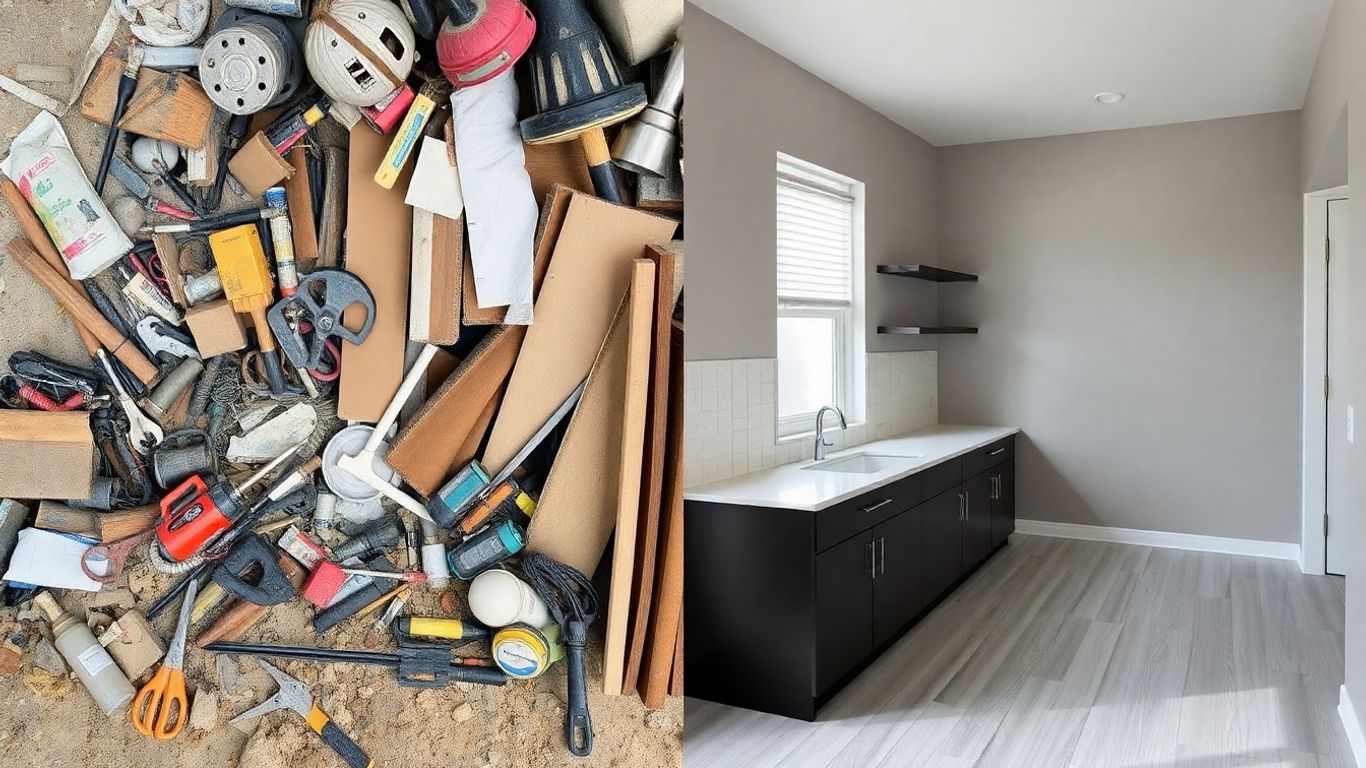
Assessing When It’s Time to Think Beyond Repairs
Sometimes, you need to stop and ask: is another patch really fixing the problem, or just making it easier to ignore? Frequent breakdowns, repeated expenses, or constant frustration all point to something deeper going on.
- List repeating issues and their costs—both money and time.
- Check if your "short-term" fixes have become the norm.
- Ask team members where they see the most drag on daily work.
If it feels like you’re fighting the same fires over and over, that’s usually the moment to switch gears and consider a different approach.
Benefits of Comprehensive Renovation Plans
Replacing endless quick fixes with a real plan has immediate and long-term upsides:
| Benefit | Quick Fixes | Comprehensive Plan |
|---|---|---|
| Cost Predictability | Low upfront, high over time | Higher upfront, stable later |
| Efficiency | Short-term bump | Smooth, reliable |
| Disruption | Frequent, ongoing | One-time, planned |
| Team Morale | Can suffer | Increases with clarity |
Some concrete benefits:
- Clear cost estimates (no more ugly surprises)
- Salvaged time and energy—less disruption, less rework
- The chance to upgrade while fixing, not just patch
Real change happens when you stop putting Band-Aids on the cracks and start looking for ways to make things work better from the ground up.
How Experts Deliver Transparent, Reliable Results
Bringing in professionals isn’t just about skill—it's about system. Here’s what you actually get:
- A thorough check for hidden problems, not just visible damage
- A single plan (including timeline and budget) everyone can follow
- No more finger-pointing—if something fails, you know who to ask and what to expect
- Durable solutions using proper materials and methods, not stopgaps
It’s honest: spending more up front isn’t always easy, but the peace of mind that comes with reliable work—and not circling back for corrections—pays off long after the job’s done.
If you want to stop fixing the same problems again and again, it’s time for a change. Make a simple plan for your home that truly lasts. Let John Melendez Paint Company help you build something that stands the test of time. Ready to get started? Check out our website and find out how we can help you create real, lasting value for your home!
Conclusion: Why Slowing Down Pays Off
So, after looking at all these examples, it’s pretty clear that quick fixes are rarely as cheap or easy as they seem. Sure, patching something up or grabbing the lowest-priced option feels good in the moment. But over time, those little shortcuts add up—whether it’s more repairs, wasted time, or even damage to your reputation. I’ve learned (sometimes the hard way) that spending a bit more time and money upfront usually means fewer headaches later. It’s like fixing that leaky faucet for real instead of just tightening it every week. In the end, thinking ahead and choosing quality over speed isn’t just about saving money—it’s about saving yourself from a lot of stress and hassle down the road. Next time you’re tempted by a quick fix, maybe pause and ask: will this really solve the problem, or am I just kicking the can down the road?
Frequently Asked Questions
Why do quick fixes usually end up costing more over time?
Quick fixes might seem cheap at first, but they often only solve the surface problem. This means you might have to fix the same thing again and again. Over time, the cost of repeated repairs, lost time, and bigger problems adds up to much more than if you fixed it right the first time.
What are some hidden problems that quick fixes can cause?
Quick fixes can hide bigger issues. For example, if you patch a leak without checking the pipes, you might miss water damage or mold growing behind the walls. These hidden problems can get worse and become much more expensive to repair later.
How can quick fixes hurt a business’s reputation?
If a company uses quick fixes, things might break again when customers are watching. This can make people lose trust in the business. Customers want to know they can count on a company to do things the right way, not just the fast way.
Are there environmental risks with always choosing the cheapest solution?
Yes. Cheap, throwaway solutions often create more waste and pollution. For example, buying low-quality products that break quickly means more trash in landfills. Also, companies might face fines or lose customers who care about the environment if they keep using disposable options.
What’s the difference between a repair and a renovation?
A repair fixes something that’s broken, like patching a hole or stopping a leak. A renovation is a bigger project that improves a whole area or system, like updating a kitchen or replacing old pipes. Renovations usually last longer and solve deeper problems.
How can I stop getting stuck in the cycle of quick fixes?
The best way is to look for the root cause of problems instead of just fixing what’s obvious. Sometimes, asking an expert to check things out can help you find and solve the real issue. Planning for bigger, long-term repairs can save you money, time, and stress in the future.


Comments
Post a Comment