Why Modern Installation and Replacement Techniques Outperform the Old Ways: A Comprehensive Guide
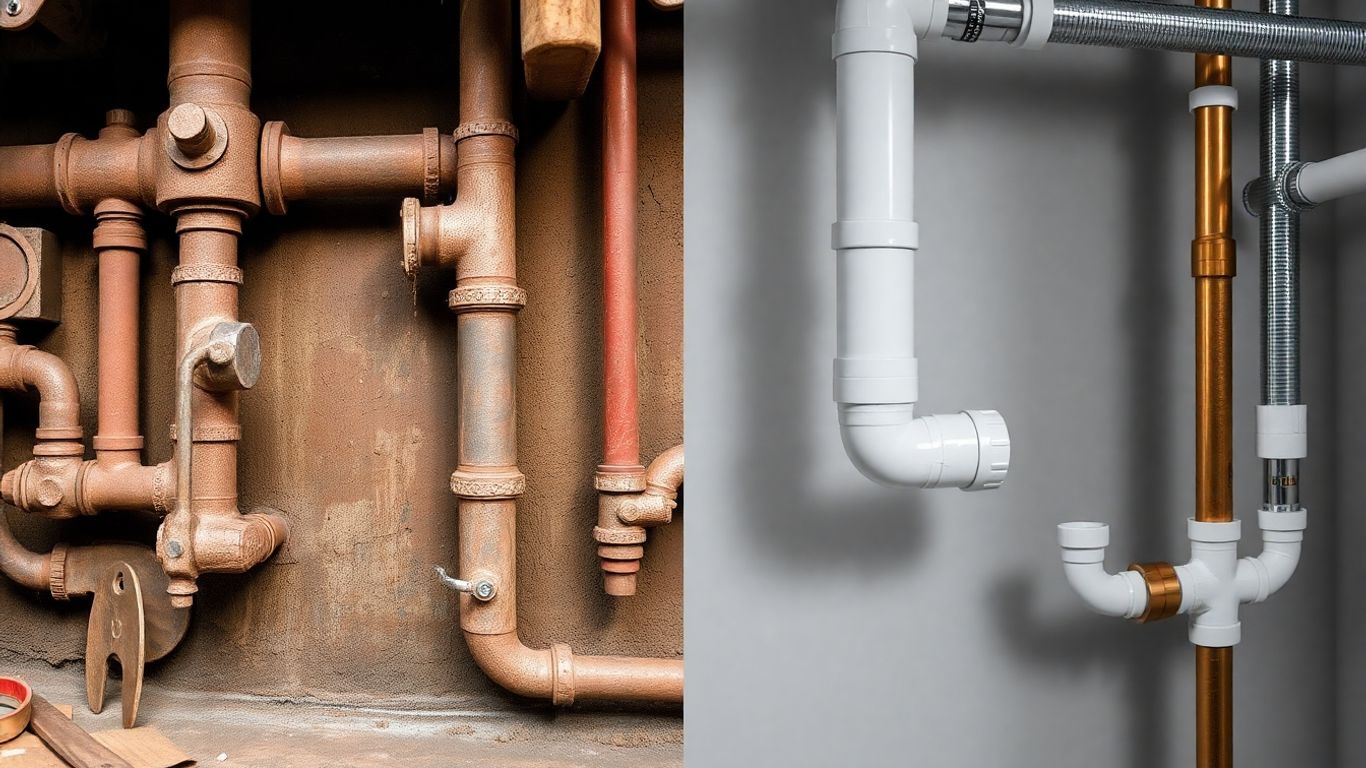
This article is all about why modern installation and replacement techniques outperform the old ways. If you've got an older AC or heating system, you might be noticing it's not quite cutting it anymore. Maybe the bills are higher, or it just doesn't keep the house comfortable like it used to. We're going to break down what to look for, why new systems are just better, and what you can expect when you decide it's time for an upgrade. It's not just about staying cool; it's about saving money and living better.
Key Takeaways
- Older HVAC systems often show signs of struggle like higher energy bills, inconsistent temperatures, and frequent breakdowns, signaling a need for an upgrade.
- Modern HVAC systems offer significantly better energy efficiency, leading to lower utility costs and a more comfortable home environment.
- Beyond energy savings, new systems provide improved indoor air quality, better humidity control, and quieter operation for a more pleasant living space.
- Proper installation, including compatible ductwork and smart thermostats, is vital for maximizing the performance and efficiency of new HVAC technology.
- Replacing an aging system is often more cost-effective than continued repairs, with energy savings providing a solid return on investment over time.
Recognizing the Need for an Upgrade
Okay, so your air conditioner has been chugging along for a while now. Maybe it's been humming away for 10, 15, or even 20 years. It's easy to just let it do its thing, but sometimes, it's sending out signals that it's not as happy as it used to be. Ignoring these signs can lead to bigger headaches and, let's be honest, fatter utility bills. It's like that old car you keep patching up – eventually, you've got to ask yourself if it's worth it.
Signs Your Current System Is Struggling
Your AC unit might not just stop working all of a sudden. More often, it starts to show its age in subtle (and not-so-subtle) ways. You might notice your energy bills creeping up, especially during those hot summer months. This happens because older units have to work a lot harder to cool your home, and that means they're using more electricity. It's a pretty direct link: higher energy use equals higher costs.
Another big clue is inconsistent temperatures. Is one room freezing while another feels like a sauna? That's not just annoying; it means your system isn't distributing air evenly or has lost some of its cooling power. You might also start hearing strange noises – grinding, rattling, or even banging. These sounds usually point to mechanical issues that are only going to get worse (and more expensive).
- Sudden spikes in your electricity bill.
- Rooms that are noticeably warmer or cooler than others.
- Unusual sounds like grinding, squealing, or banging.
- An increase in dust or allergy symptoms inside your home.
If your system is constantly running but not really cooling the house down, it's a clear sign it's struggling to keep up.
The Financial Impact of Aging Equipment
Let's talk money. Keeping an old air conditioner running can seem cheaper in the short term than buying a new one, but that's often not the case. Those frequent repair calls add up fast. If you're calling the repairman out more than once or twice a year, or if a single repair costs you a significant chunk of change (say, more than half the price of a new unit), it's time to do some math. You're likely spending more on keeping the old thing alive than you would on a new, efficient system.
Plus, older units are just not as energy-efficient. They might have lower SEER (Seasonal Energy Efficiency Ratio) ratings, meaning they use more power to produce the same amount of cool air compared to modern units. This difference can translate to hundreds of dollars saved on your energy bills each year with a new system.
| System Age | Typical SEER Rating | Estimated Energy Savings (vs. old unit) |
|---|---|---|
| 10-15 years | 10-12 | 10-25% |
| 15-20 years | 8-10 | 25-40% |
| 20+ years | <8 | 40%+ |
Understanding System Age and Performance
Most central air conditioning systems are built to last about 15 to 20 years. Once your system hits that 15-year mark, it's wise to start thinking about replacement, even if it's still technically working. Think of it like a car that's passed the 100,000-mile mark – it might run fine, but you know it's closer to the end of its road.
Beyond just the age, how is it performing? Is it struggling to keep your home at the temperature you set? Are you dealing with humidity issues, where the air feels sticky even when the AC is on? These performance dips are direct indicators that the system's components are wearing out and it's not operating as it should. Don't wait for a complete breakdown; proactive replacement saves you from discomfort and unexpected costs.
The Superior Efficiency of Modern Systems
Old heating and cooling systems? They were built differently, and frankly, not always with efficiency in mind. Modern systems, however, are designed from the ground up to sip energy, not guzzle it. This isn't just about being "green"; it's about saving you real money every single month.
Enhanced Energy Efficiency and Lower Utility Costs
Think about your old air conditioner or furnace. Chances are, it was working overtime, using a lot more electricity or gas than it needed to. Newer units are engineered to be much smarter about energy use. This translates directly into lower utility bills, often by a significant margin. We're talking about systems that can cut your cooling costs by up to 40% just by upgrading from an older, less efficient model.
Understanding SEER and AFUE Ratings
How do you know if a system is efficient? Look at the numbers. For air conditioners, the key rating is SEER (Seasonal Energy Efficiency Ratio). Older units might have SEER ratings around 8 to 10. Today, the minimum standard is 14, and high-efficiency models can go up to 20 or even higher. For furnaces, it's AFUE (Annual Fuel Utilization Efficiency), which tells you how much of the fuel you pay for actually becomes heat. Older furnaces might only be 70-80% efficient, meaning a lot of heat goes up the chimney. New ones are typically 90-98% efficient.
Here's a quick look at how efficiency ratings impact savings:
| Old System | New System | Potential Annual Savings |
|---|---|---|
| SEER 8 | SEER 16 | Up to 50% on cooling costs |
| SEER 10 | SEER 16 | Around 38% on cooling costs |
| 80% AFUE | 96% AFUE | Around 16% on heating costs |
The Role of Heat Pumps in Modern Efficiency
Heat pumps are becoming a really popular choice for good reason. Instead of creating heat by burning fuel, they move heat from one place to another. In the summer, they move heat from inside your house to the outside. In the winter, they can actually pull heat from the outside air and bring it inside. This process is way more efficient than traditional heating methods, especially in climates that aren't extremely cold. They can both cool and heat your home, often using less energy than separate AC and furnace units, making them a super efficient option for many homeowners.
Modern HVAC systems are built with advanced components and design principles that prioritize energy conservation. This focus on efficiency means less wasted energy, leading to a more comfortable home and a lighter impact on your wallet and the environment.
Benefits Beyond Energy Savings
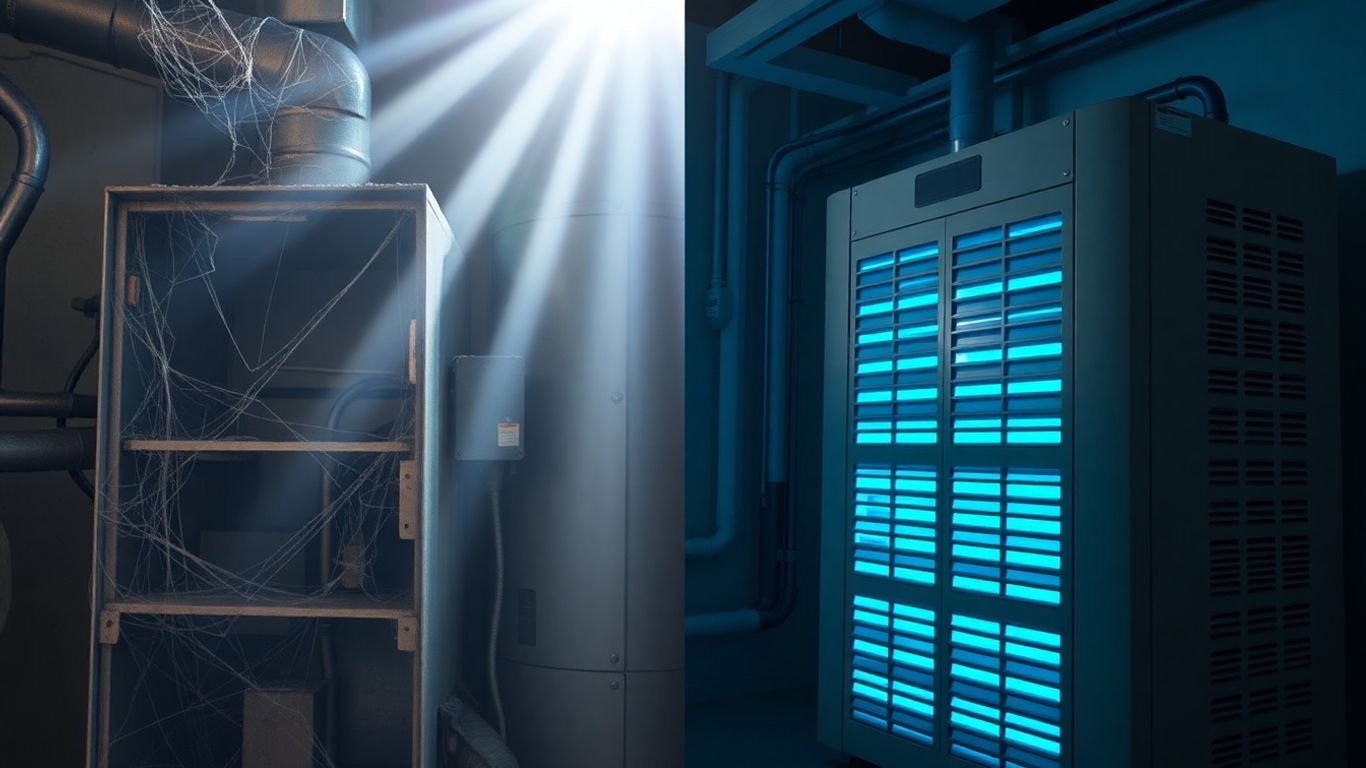
Sure, saving money on your electricity bill is a big deal, but that's not the only reason to think about upgrading your old HVAC system. Newer units do a lot more than just keep the lights on for your AC. They actually make your home a more comfortable and pleasant place to be, day in and day out.
Improved Comfort and Consistent Temperatures
Remember those days when one room was freezing and another felt like a sauna? Older systems often struggle with this. They tend to cycle on and off more abruptly, leading to those noticeable temperature swings. Modern systems, especially those with variable-speed blowers and multi-stage compressors, work differently. They can run for longer periods at lower speeds. This means they're constantly making small adjustments to keep the temperature steady, eliminating those hot and cold spots. It’s like having a perfectly balanced climate throughout your entire house, all the time.
Advanced Features for Enhanced Living
Today's HVAC systems are way smarter than they used to be. Think about smart thermostats. You can program them to adjust the temperature based on your schedule, or even control them from your phone when you're away. Some systems even connect with your home's Wi-Fi, sending you alerts if something seems off or when it's time for maintenance. It's less about just cooling or heating and more about creating a connected, responsive home environment. Plus, many new units have features that help manage humidity, which we'll get into next.
Quieter Operation and Reduced Noise Pollution
If your current air conditioner sounds like a jet engine taking off every time it kicks on, you'll really appreciate this benefit. Manufacturers have put a lot of work into making newer HVAC units much quieter. They use better insulation, improved fan designs, and more sophisticated compressors that don't make as much racket. This means you can enjoy your living space without the constant hum or rumble of your HVAC system in the background. It makes a surprisingly big difference in the overall peace and quiet of your home.
Elevating Your Home Environment
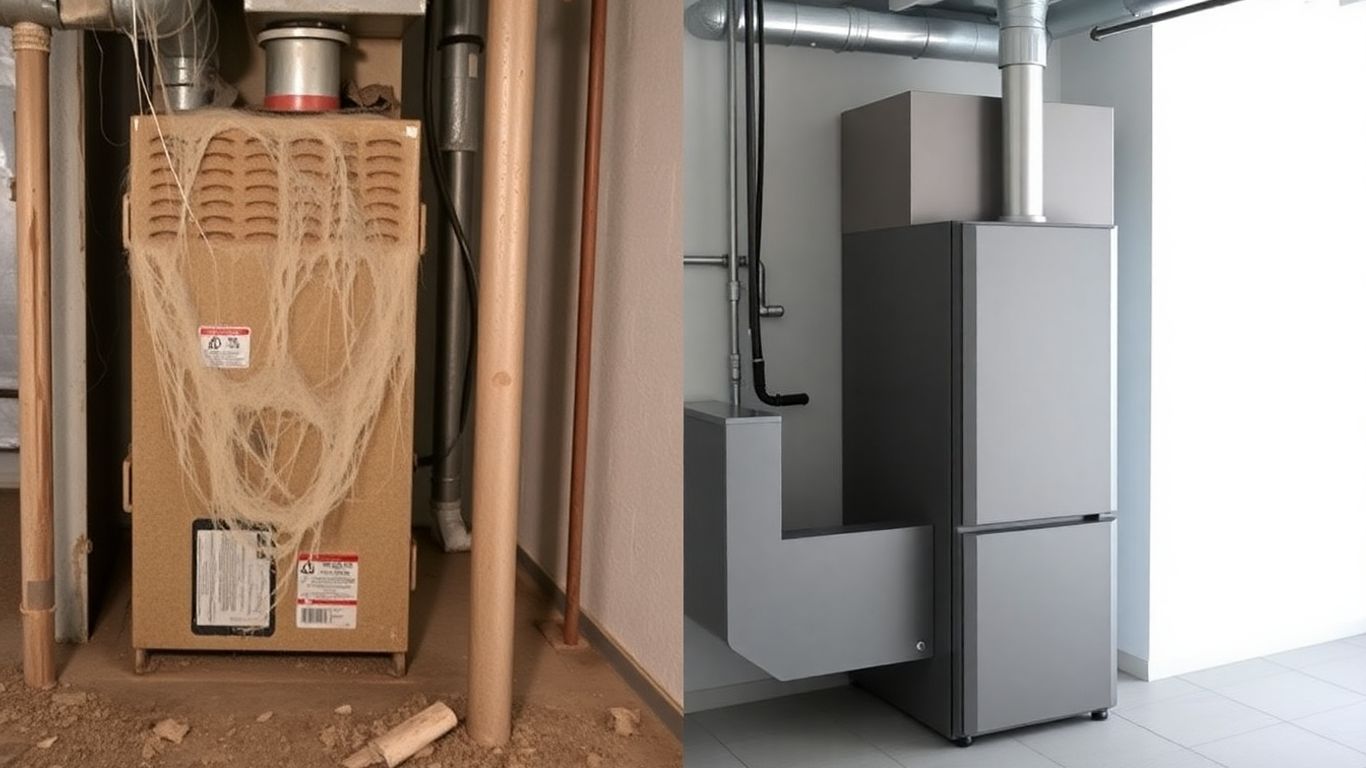
Beyond just keeping things cool, modern HVAC systems really change how your home feels. They're designed to make your living space more pleasant and healthy.
Superior Indoor Air Quality
Think about the air you breathe inside your house all day. Older systems just circulated air, but newer ones actively clean it. They use advanced filters that can trap tiny particles like dust, pollen, pet dander, and even mold spores. Some filters are so good they can catch up to 99.97% of these airborne bits. This means less sneezing, fewer allergy flare-ups, and just generally fresher air. It's a big deal if anyone in your home suffers from asthma or allergies.
Effective Humidity Control
Humidity can make a warm day feel much hotter and can lead to other problems like mold growth. Modern air conditioners do a much better job of managing moisture levels in your home. They can remove excess humidity even when it's not that hot outside, keeping your home feeling comfortable and preventing that sticky, damp feeling. This also helps stop mold and mildew from taking hold, which is better for your home's structure and your health.
The Impact of Modern Filtration Technologies
Filtration is a huge part of why modern systems improve your home environment. We're talking about filters that go way beyond basic dust capture. Some systems offer multi-stage filtration, combining different types of filters to tackle various pollutants. You can even find systems with UV light technology that helps kill germs and bacteria in the air as it passes through. It's like having a personal air purifier built right into your home's heating and cooling.
Newer HVAC systems focus on creating a healthier living space, not just a temperature-controlled one. They tackle air purity and moisture levels, making a noticeable difference in daily comfort and long-term well-being.
Installation and Maintenance Considerations
When you're thinking about upgrading your home's climate control, it's not just about picking out a shiny new unit. The way it's put in and how you take care of it afterward really matters. Getting these parts right can make a big difference in how well your new system works and how long it lasts.
The Importance of Compatible Ductwork
Your ductwork is like the highway for your heated or cooled air. If it's not the right size or has leaks, even the best new system will struggle. Old ducts might be too small for a more powerful modern unit, or they could be letting all that conditioned air escape into your attic or walls. It's often best to have your ductwork inspected and potentially upgraded at the same time you replace your HVAC system. Leaky ducts can waste a good chunk of your energy, sometimes 20-30%, which really defeats the purpose of getting a more efficient system. A professional can check for leaks, make sure the size is correct for optimal airflow, and seal everything up tight. This makes sure your new system can do its job without fighting against a bad setup.
Smart Thermostats and Zoning Systems
Modern systems work best with modern controls. Smart thermostats are a game-changer. They learn your habits and can adjust the temperature automatically, saving energy when you're away or asleep. Some even let you control your home's temperature from your phone. Zoning systems take it a step further. They divide your house into different areas, or zones, each with its own thermostat. This means you can set different temperatures for different parts of your home. Why heat or cool an empty guest room? Zoning lets you direct comfort only where and when you need it, which is a huge energy saver and boosts comfort too. It's a smart way to get the most out of your new equipment.
Reduced Maintenance with Newer Technology
One of the nice perks of newer HVAC systems is that they generally require less fuss. Older units, especially those over 10-15 years old, can start needing more frequent attention. Parts might be harder to find, and repairs can get pricey. Plus, older systems might need check-ups two to four times a year to keep them running. New systems, on the other hand, often come with better diagnostic tools built-in, making it easier for technicians to spot problems early. They also tend to have fewer breakdowns in their first decade. Many new central air systems come with warranties that can cover parts and labor for 5 to 10 years, which really cuts down on unexpected repair bills. This predictable cost, combined with the energy savings, makes the switch financially sensible. It's good to remember that regular preventive maintenance, like checking for leaks and cleaning filters, can still help extend the life of any plumbing or HVAC system, saving you money in the long run.
When you're looking at the costs, think about the unpredictable expenses of keeping an old system running versus the more predictable costs of a new one. Frequent repairs on an aging unit can add up faster than you think, and emergency calls often come with a premium price tag. A new system, with its warranty and improved reliability, offers a clearer financial picture.
Here's a quick look at what maintenance might look like:
- Older Systems:
- 2-4 service visits per year.
- Parts can be expensive and hard to find.
- Higher risk of unexpected, costly breakdowns.
- Newer Systems:
- Typically 1-2 recommended annual check-ups.
- Parts are readily available and often covered by warranty.
- Significantly fewer breakdowns in the first 5-10 years.
- Advanced diagnostics can pinpoint issues quickly.
Making the Switch: A Cost-Benefit Analysis
So, you're thinking about upgrading your home's climate control system. It's a big decision, and honestly, it can feel a little overwhelming. You've probably been patching up your old system for years, and maybe you're wondering if it's really worth the upfront cost to get something new. Let's break down why making the switch now is often the smarter financial move.
The $5,000 Rule for Replacement Decisions
There's a pretty handy guideline many folks use when deciding whether to repair or replace an aging HVAC unit. It's called the "$5,000 rule." Here's how it works: take the cost of your most recent repair and multiply it by the age of your system in years. If that number goes over $5,000, it's usually a sign that putting that money towards a new system makes more sense. Think about it – a $500 repair on a 10-year-old unit already hits $5,000. If you're facing bigger bills or more frequent calls, the math quickly points towards replacement.
Predictable Costs vs. Unpredictable Expenses
Keeping an old system running can feel like a gamble. You never quite know when the next part will fail or when you'll get hit with an emergency repair bill, often at the worst possible time, like during a heatwave. These unexpected costs can really add up and make budgeting a headache. Plus, finding parts for older units can be a challenge, driving up labor costs too.
Newer systems, on the other hand, come with warranties, often lasting 5 to 10 years. This means a significant chunk of potential repair costs is covered. Modern units are also built with better technology, leading to fewer breakdowns in their early years. Investing in a new system trades those unpredictable, often high, repair bills for a predictable monthly payment and lower energy costs.
Here's a quick look at what you might expect:
- Older Systems:
- Frequent service calls (2-4 times annually).
- Parts can be expensive and hard to find.
- Emergency repairs often come with premium pricing.
- Newer Systems:
- Typically include 5-10 year warranties.
- Fewer breakdowns in the first decade.
- Better diagnostic tools can help prevent major issues.
When you look at the total cost of ownership over several years, the predictable expenses of a new, efficient system often come out much lower than the constant, unpredictable costs of maintaining an aging one. It's about shifting from reactive spending to a proactive investment in your home's comfort and efficiency.
Return on Investment Through Energy Savings
One of the most compelling reasons to upgrade is the significant energy savings. Modern HVAC units are designed with much higher efficiency ratings. For example, upgrading from an older system with a SEER rating of 10 to a new one with a SEER rating of 16 can slash your cooling costs by nearly 40%. Similarly, improvements in AFUE ratings for heating systems mean less fuel is wasted, directly lowering your heating bills. These savings don't just happen in the first year; they continue month after month, year after year. Many homeowners find that the energy savings alone can pay back the cost of a new system within 5 to 7 years. It's a smart way to make your home more comfortable while also making it more economical to run. For a deeper dive into how these systems work, you can check out this central air system installation guide.
Thinking about changing up your home or business? Our section, "Making the Switch: A Cost-Benefit Analysis," breaks down why a fresh coat of paint or a deck repair might be a great idea. We look at the good points and the not-so-good points to help you decide. Ready to see how we can help you? Visit our website today to learn more!
Wrapping It Up
So, when you look at it all, sticking with old, clunky systems just doesn't make much sense anymore. Newer installation and replacement methods are way better. They save you money on energy bills, keep your home more comfortable, and even help the air you breathe inside. Think about it – less hassle with repairs, more consistent temperatures, and modern features that actually make life easier. It's not just about getting a new unit; it's about upgrading your whole home's comfort and efficiency for the long haul. If your current setup is acting up, making weird noises, or just costing too much to run, it's probably time to look into what the newer options can do for you. Making the switch now can save you a lot of headaches and cash down the road.
Frequently Asked Questions
How do I know if my current air conditioner is too old or inefficient?
Look for signs like higher electricity bills, uneven temperatures in your home, strange noises (grinding, squealing), or if you're needing repairs more than once a year. Systems over 10-15 years old are often less efficient and more prone to breakdowns.
What are SEER and AFUE ratings, and why do they matter?
SEER (Seasonal Energy Efficiency Ratio) measures how well your air conditioner cools, and AFUE (Annual Fuel Utilization Efficiency) measures how well your furnace heats. Higher numbers mean more efficiency, which translates to lower energy bills. Modern units have much higher ratings than older ones.
Are new HVAC systems really more energy-efficient?
Yes, significantly! Newer systems use advanced technology to cool and heat your home using much less electricity or fuel. This means you can save a good chunk of money on your monthly utility bills, sometimes up to 40% or more.
Besides saving money, what other benefits do modern HVAC systems offer?
You'll enjoy more consistent temperatures throughout your home, better control over humidity, and cleaner indoor air thanks to advanced filters. Plus, modern units are much quieter than older ones, making your home a more peaceful place.
Does my home's ductwork need to be updated when I get a new HVAC system?
Often, yes. Leaky or improperly sized ducts can make even a new, efficient system perform poorly and waste energy. It's best to have your ducts inspected and possibly upgraded at the same time as your HVAC system for maximum efficiency.
How long does it take for a new HVAC system to pay for itself?
With the energy savings and reduced repair costs, most homeowners see a return on their investment within 5 to 7 years. If you're constantly paying for repairs on an old system, a new one can actually save you money in the long run.


Comments
Post a Comment