What Sets Great Interior and Exterior Painting Contractors Apart: Key Qualities to Look For in 2025
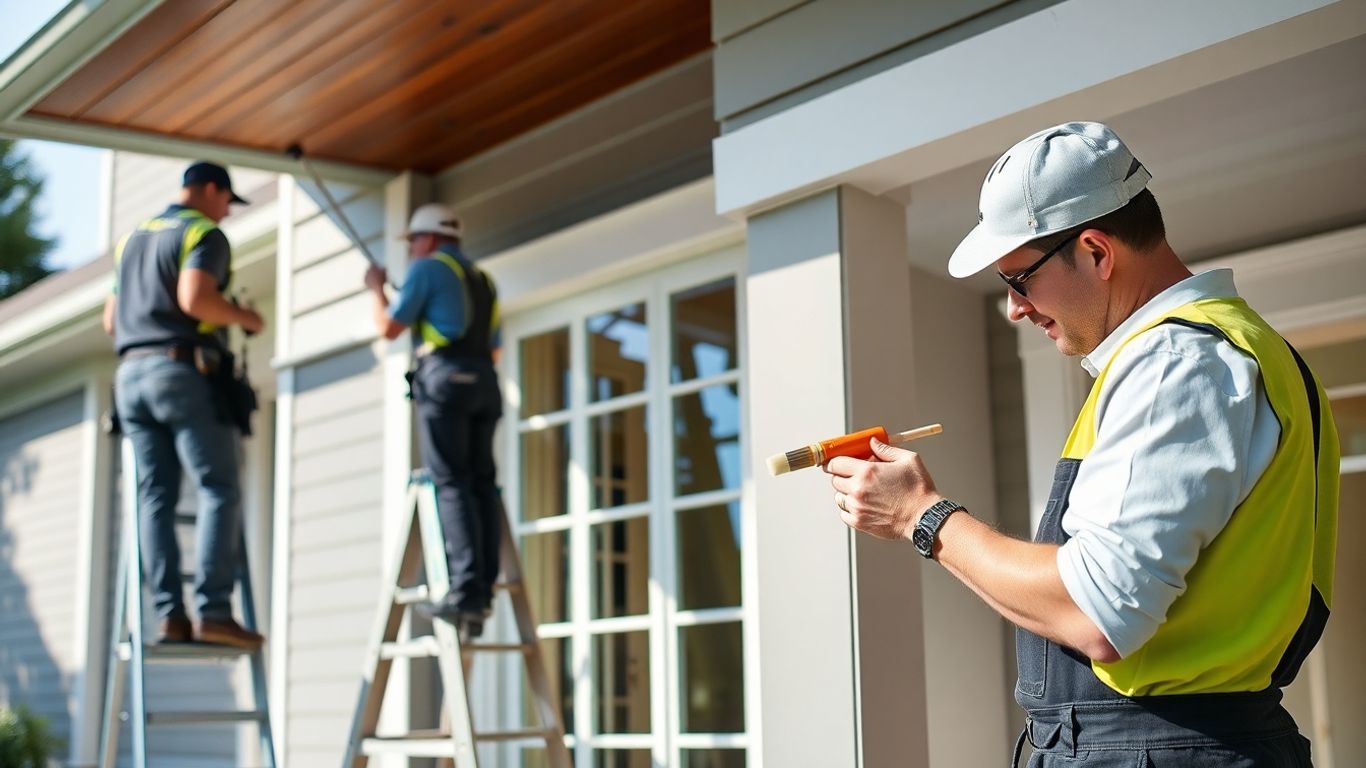
If you've ever tried painting a room or the outside of your house, you know it can get messy fast. It's not just about picking a color and rolling it on the wall. The best painting contractors in 2025 stand out for more than just their brush skills. They bring a mix of know-how, attention to detail, and a real focus on making the whole process easier for you. Whether you're looking to freshen up your living room or give your business a new look, knowing what sets great interior and exterior painting contractors apart can save you a lot of headaches and maybe even some money.
Key Takeaways
- Great painting contractors pay attention to prep work and cleanup, not just the final coat.
- They explain their process clearly and give detailed quotes with no hidden costs.
- Top painters know which products to use and can handle both indoor and outdoor jobs.
- Good contractors offer flexible scheduling and payment options to fit your needs.
- They use eco-friendly paints and modern tools, and they listen to your feedback so the job turns out right.
Understanding What Sets Great Interior and Exterior Painting Contractors Apart
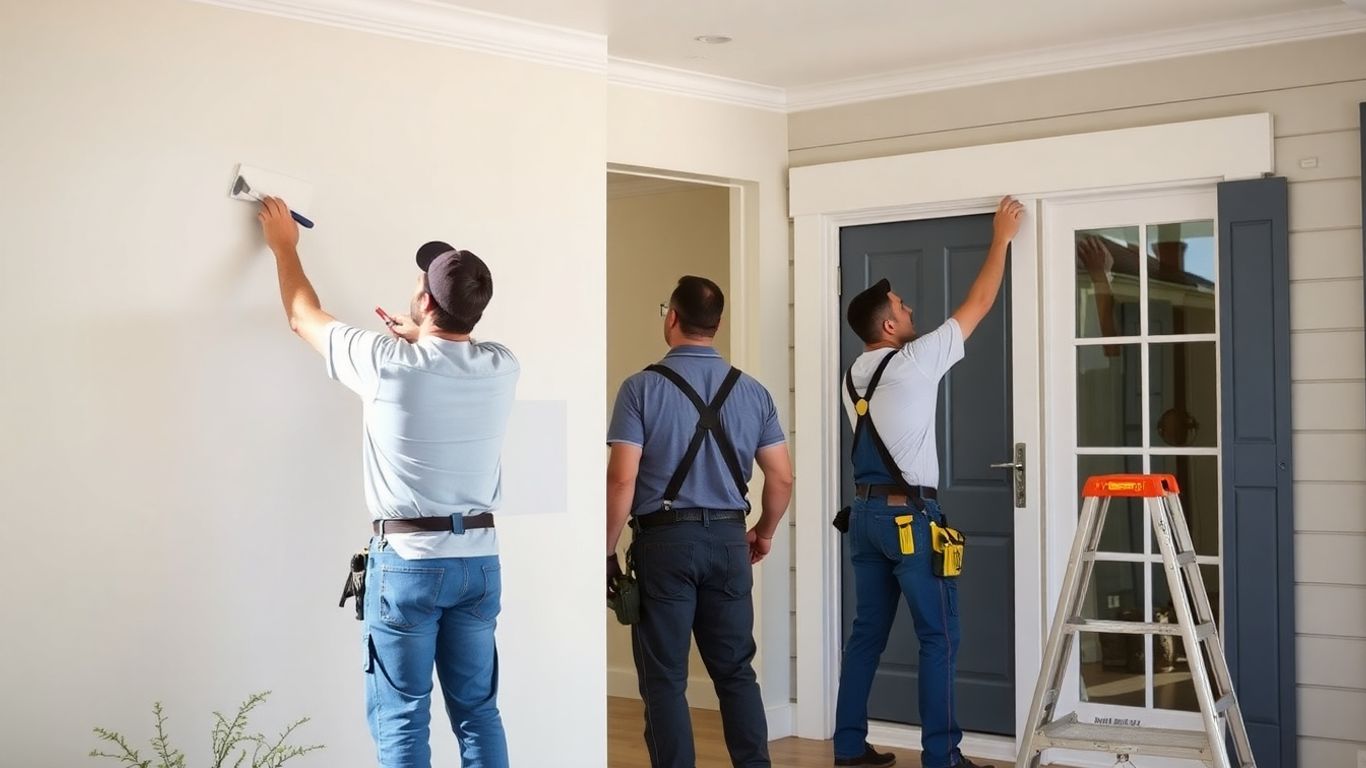
When you’re looking at contractors for interior or exterior painting, you start to pick up on the small ways the good ones stand out. It’s not always about banner ads or the shiniest websites—it’s usually in how they work, what they know, and how seriously they prep your space. Those details can make the difference between a paint job that lasts a season and one that survives years of weather and kids' fingerprints.
Expert Use of Tools and Techniques
Hands down, skilled painters have a knack for choosing and using the right tools. They don’t just grab the cheapest roller or brush; they select ones that fit the job, whether it’s a textured wall inside or aging clapboard outside. Here’s what sets their process apart:
- Use of high-quality brushes, rollers, and sprayers for an even finish.
- Knowledge of which tools suit different surfaces
- Application techniques for areas like corners, trim, or high exteriors
The pros avoid drips and patchiness because they know how to work with everything from sprayers on siding to tiny trim brushes.
In-Depth Product Knowledge
A great contractor knows their paint. There’s a world of difference between a basic interior latex and exterior weather-resistant acrylic. For example, they’ll suggest different finishes for a bathroom than for a home’s wood siding. Let’s break it down:
- Recommending specific paint types for durability and look
- Understanding which primers and sealers matter for each project
- Explaining the difference between matte, eggshell, satin, and gloss to the customer
It’s not just about color. It’s about knowing what will actually last on that surface, in that location.
Emphasis on Comprehensive Preparation
Solid prep work shows you who takes your home seriously. This part is time-consuming and tedious, so shortcuts can be tempting, but they always show up later as cracks or peeling.
Checklist for top-tier prep:
- Careful taping and covering of floors, fixtures, and landscaping
- Patching holes, sanding rough surfaces, and cleaning walls before any paint opens
- Priming surfaces where previous paint has failed, or stains are present
The real magic of a great paint job happens before the first coat goes on; a carefully prepped space will look better and stay looking good longer.
It’s the painters who put in this groundwork that leave folks amazed, long after the last brush stroke.
Commitment to Professionalism and Customer Care
It’s really obvious when you end up with a painting contractor who actually cares about their work—and about your experience as the client. The best painting professionals set themselves apart with reliability, clear communication, and flexible business practices that put your needs up front. They show up when they say they will, break things down in plain language, and are transparent about the whole process from start to finish.
Transparent and Detailed Bid Process
- Top contractors provide written estimates outlining every step, from prep to finish.
- You’ll see a breakdown of labor, materials, and any extra repairs in the bid, so there’s no confusion later.
- Extra or optional work is called out specifically, not buried in fine print.
| Item | What to Expect |
|---|---|
| Surface Prep | Listed & described |
| Materials | Brand & type shown |
| Labor | Hours/crew noted |
| Extras | Separate pricing |
A clearly written estimate keeps everyone on the same page, helping you confidently move forward with your project. You won’t be stuck guessing—or stuck with a bill you didn’t expect.
Consistent Communication and Service
- Professional painters reach out before, during, and after your job to keep you in the loop.
- You’ll know who to contact if you have questions, and someone always picks up or gets back to you quickly.
- Friendly updates about scheduling, progress, and what’s coming next are routine, not rare.
When choosing a painting contractor, look for companies that follow best practices—like those listed in project checklists for painting jobs—because this level of organization often leads to a smoother experience.
Flexible Scheduling and Payment Options
- Life is busy. Trustworthy contractors work around your schedule (not the other way around).
- They offer multiple ways to pay and clearly explain payment terms ahead of time.
- If you need to make changes or reschedule, they're open to discussion and won’t hit you with unexpected penalties.
In short, working with a contractor who values professionalism and customer care makes the entire paint project a whole lot less stressful. You should feel listened to and respected throughout every step of the job.
Exceptional Workmanship and Attention to Detail
Finding painting contractors who truly care about quality is much easier said than done. When you hire great painters, you notice it in the tiniest details—the way lines meet, the way everything seems to just fit. Here's what really sets the best apart.
Flawless Finishes and Clean Lines
Smooth, streak-free finishes and razor-sharp edges are signs of a contractor who refuses to cut corners. This doesn't happen by accident. It comes from careful brushwork, proper tape application, and a refusal to rush. When you check the trim or corners, you won't see drips or wavy lines. Wall textures feel even, and colors look consistent from any angle. If you peek behind doors, inside closets, or around windows, the level of care should match the obvious spaces. True pros treat every inch like it matters.
Comprehensive Prep and Cleanup
Prep and cleanup might not seem glamorous, but this is where great contractors stand out. Here’s what their process usually looks like:
- Move and cover all furniture to shield it from dust and drips
- Sand and fill gaps, nail holes, or cracks so the surface is perfectly smooth
- Tape windows, trim, and other key details before painting a single wall
- Sweep, vacuum, and clean up every scrap and splatter when the job ends
| Prep Step | Why It Matters |
|---|---|
| Furniture covering | Protects your belongings |
| Sanding/filling | Smooth surface, better finish |
| Taping details | Sharp, clean paint lines |
| Final cleanup | Leaves home ready to use |
It's wild how you hardly notice a room got painted—except everything just looks better and there's not a stray drop of paint anywhere. You can't pay for that kind of peace of mind.
Problem Solving and On-Site Solutions
Things rarely go exactly as planned. The best crews know how to roll with surprises and find fixes right away. Maybe a wall starts peeling, or an old window frame needs extra help. These folks will:
- Spot problems you might not even see
- Explain issues and suggest fixes clearly, without scare tactics
- Come equipped to handle repairs or touch-ups on the spot
Every project has hiccups, but the right contractor keeps you in the loop and tackles each one without excuses or drama. They take pride in finishing the job just right, no matter what comes up.
If you’re after that polished, professional look (the kind where friends ask if you remodeled), these attention-to-detail qualities should be at the top of your list—and never just assumed.
Choosing Contractors with Broad Capabilities
When you’re looking for a painting contractor, it makes sense to choose one who can handle a mix of work—inside and outside, big or small projects, home or business, maybe even some extras beyond plain paint. Contractors with broader skills can save you time, hassle, and, often, some cash compared to juggling multiple companies for different needs. Let’s look at why that matters and what you should expect.
Proficiency in Both Interior and Exterior Painting
A good all-around painting contractor knows how to tackle both interior and exterior jobs. These folks understand:
- The different types of weather or environmental challenges paint needs to stand up to outside.
- How to minimize mess and disruption inside a home or office.
- Choosing which products fit best for each surface or situation.
If they’re skilled in both worlds, they’re likely to bring a more consistent look across your whole property too.
Servicing Residential and Commercial Projects
You’ll want a contractor who’s comfortable in any setting, not just a one-trick pony. The best companies can handle:
- Houses, apartments, condos
- Offices, retail spaces, industrial buildings
- Special projects, like HOA complexes or rental turnovers
This kind of flexibility means they understand tight deadlines, different regulations, or unique needs that pop up in commercial jobs compared to residential. It’s really about not having to hunt for a specialist every time your needs shift.
Specialized Offerings Beyond Standard Painting
Look for a painting contractor who can add value with special services, like:
- Cabinet or furniture refinishing
- Wallpaper removal or installation
- Deck and railing coatings
- Color consultations
- Lead paint or old paint removal (for older buildings)
- Graffiti removal or prevention
Each add-on might not sound like a big deal, but if you have even one unique request, it’s a relief having a crew that can take care of everything—start to finish. Here’s an example table breaking down typical extra services and where they usually apply:
| Service | Residential | Commercial |
|---|---|---|
| Cabinet Refinishing | ✔️ | |
| Wallpaper Removal | ✔️ | ✔️ |
| Deck Painting | ✔️ | |
| Epoxy Floor Coating | ✔️ | |
| Graffiti Removal | ✔️ |
When a painting contractor shows they’re comfortable working on just about anything you throw their way, it’s often a sign they care about keeping clients happy for the long run—not just finishing the current job. You want someone you can call next year and know they’ll get it done, whatever you need.
Estimating, Pricing, and Delivering Value
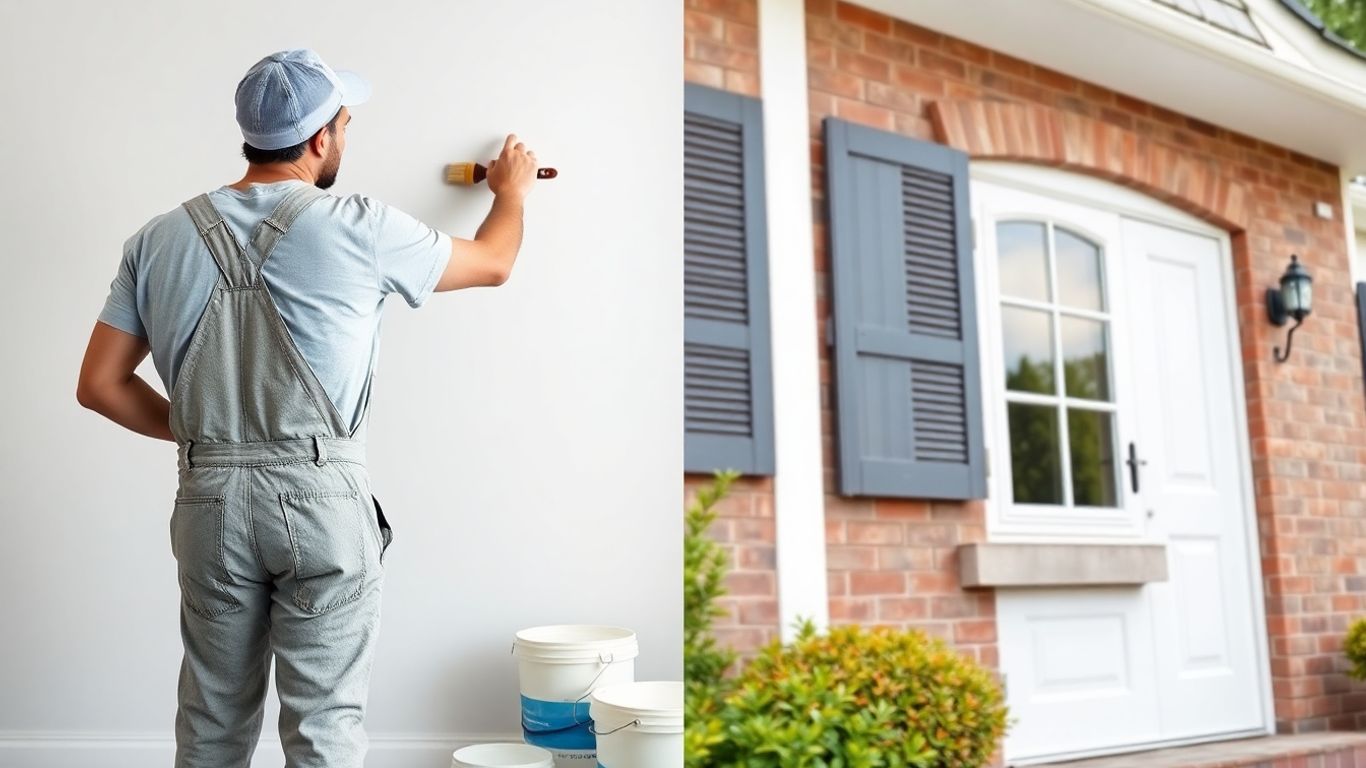
Pricing a painting project shouldn’t feel like guesswork or a sales pitch. The best painting contractors use clear, up-front quotes and straightforward pricing models, so nobody gets surprises midway through the job. Here’s what you want to see when talking numbers with a solid paint crew.
Clear, In-Person Assessments and Quotes
Great painters don’t rush out a price by phone or email. Instead, they:
- Visit your property and look at every room, surface, and detail.
- Measure exactly what needs to be painted—walls, trim, ceilings—so you get a detailed scope.
- Ask questions about your goals, concerns, and timing. Think of them as teammates, not just salespeople.
| Assessment Step | Why It Matters |
|---|---|
| Walk-through | Spot hidden prep work needed |
| Precise measurements | Accurate material calculations |
| Two-way conversation | Tailors quote to your needs |
If the contractor just eyeballs a couple rooms or rushes, there’s a good chance your final bill won’t match your expectations.
No Hidden Fees or Surprise Change Orders
Nothing kills trust faster than phantom charges.
- Quotes should lay out labor, materials (including paint brands and amount), prep, and cleanup.
- Any possible extra costs should be discussed before painting even starts.
- If the scope has to shift—for example, you decide to add a room or different color—you get the new cost explained to you, in writing, before the job resumes.
What a Good Quote Includes:
- Detailed list of what’s being painted (every room, wall, trim, etc.)
- Surface prep and protection methods
- Cost breakdown: labor, materials, and any extras
- Payment schedule with deposit (if required) and final payment terms
Honest, Competitive Pricing Models
Nobody likes feeling ripped off, but nobody wants the lowest-bid contractor who cuts corners, either. The top painters:
- Base their fees on real data—like square footage, linear footage, and time for prep—not on assumptions about your zip code or home value.
- Keep rates consistent for similar jobs, regardless of the customer.
- Share how they set their prices, so you know exactly what you’re paying for.
| Pricing Factor | Typical Range* |
|---|---|
| Interior (per sq ft) | $2.00–$6.00 |
| Exterior (per sq ft) | $1.50–$4.50 |
| Trim (per linear ft) | $1.00–$3.00 |
| Cabinets/Details | $60–$120 per door/drawer |
*Ranges depend on prep, materials, and design details.
You want your estimate to make sense and match what’s delivered. Otherwise, you’ll spend more time fighting over bills than enjoying your freshly painted space.
Utilizing Modern Tools and Eco-Friendly Practices
Technology and eco-friendly methods aren’t just trends—they’re what people expect from top painting contractors now. Whether you’re repainting a deck or doing a full interior, using modern solutions just makes sense. Let's break down what that really looks like.
Environmentally Responsible Paint Solutions
The best contractors today always offer paint products with low or zero VOCs. Applying eco-friendly materials doesn’t just help the planet; it’s also safer for you, your pets, and anyone else in the home or office. Here’s what contractors might suggest for sustainable painting:
- Water-based paints with minimal solvents
- Recycled or repurposed painter’s plastic, like eco-friendly painter's plastic, to reduce waste
- Proper disposal systems for leftover paint and supplies
Choosing safer products and smarter materials is an easy way for contractors to show clients they care, while also shrinking their impact on the environment.
Efficient Use of Scheduling and Communication Technology
There’s no reason for paperwork headaches or endless voicemails nowadays. Standout painters use modern software and apps to manage every part of the project. Here’s what that can look like:
- Online scheduling with instant confirmations
- Digital estimates, invoices, and secure payments
- Automatic appointment reminders and follow-up messages
A side benefit: it cuts down on mix-ups and keeps everyone on the same page.
Adoption of Industry-Leading Application Methods
Modern painters don’t just show up with a brush; they know when to use the right tools or techniques, saving time and getting a smoother result. Some examples include:
- Airless sprayers for even, quick coverage on exteriors
- Dust-free sanding systems for a cleaner workspace
- Innovative tape and masking materials for sharper edges and less waste
Here’s a quick comparison of classic versus modern methods:
| Traditional Tools | Modern Methods | |
|---|---|---|
| Prep Time | Slower, more manual | Faster, better coverage |
| Waste | More leftovers, cleanup | Efficient, less waste |
| Finish | Often uneven | Smoother, more consistent |
There’s something satisfying about seeing a job run smoothly, with clean lines and less mess.
All together, using new technology and eco-aware materials isn’t just about appearances—these choices lead to better results and happier clients.
Building Long-Lasting Client Relationships
Clients aren't just names on a schedule—top painting contractors treat every customer as the main reason they're in business. Sure, a fresh coat of paint makes a place look better, but the secret sauce? Solid, ongoing relationships. Here’s what makes those connections stick year after year:
Active Listening and Responsiveness
Great painting contractors treat listening as their main tool. They pay close attention to client concerns, even the little ones, and respond quickly when someone reaches out. If there's a change or issue on a project, the best teams don’t leave folks hanging—they call back promptly or send a message. Here’s what you’ll notice:
- Real effort to understand specific needs or issues
- Fast replies to questions—usually within a day
- Quick action if something needs fixing, no runaround
Soliciting and Incorporating Customer Feedback
Nobody wants a crew that disappears the moment the paint dries. The strongest companies regularly ask for feedback, good or bad, and use it to make the next job smoother. It’s more than just handing over a survey—it's about genuinely wanting to improve. Steps you might see include:
- Follow-up calls or emails after project finish
- Fixing small issues without pushing back
- Updating their process based on real comments they get
Customer Feedback in Action
| Step | How Contractors Respond |
|---|---|
| Post-job follow-up | Message or call to check satisfaction |
| Issue reported | Return visit or adjustments as needed |
| Suggestions for improvement | Adjustments in future projects or quotes |
Consistency in Follow-Up and Service Quality
Strong relationships don’t stop when the project is done. Reliable contractors check in weeks or months later to make sure their work is still holding up. They’ll pop by for a touch-up or schedule reminders for future maintenance. This keeps them top of mind, so when a friend asks for a recommendation, their name comes up first.
- Routine check-ins (not just for upselling)
- Staying available after the initial project
- Remembering each client's preferences for next time
If you hire a painter who remembers how you like your baseboards or calls you a year later to ask if you still like that blue in the dining room, it makes hiring them again a no-brainer. The companies that turn new clients into regulars aren’t always the biggest—just the ones who care and remember the details.
Strong client relationships are built on honesty, clear talk, and always showing up on time. At John Melendez Paint Company, we work hard to treat each customer like a friend and keep them happy for years. Ready to see how we can help you? Visit our website and get to know our team today!
Conclusion
Picking the right painting contractor isn’t just about who gives you the lowest price or who can start the soonest. It’s about finding someone who actually listens to what you want, shows up when they say they will, and leaves your place looking better than when they arrived. The best contractors pay attention to the details, use good materials, and don’t cut corners. They’re upfront about costs, answer your questions, and make the whole process feel less stressful. At the end of the day, a great paint job should last, look good, and not leave you with any regrets. So, take your time, ask around, and trust your gut—because a good contractor is worth it.
Frequently Asked Questions
How do painting contractors figure out the price for a job?
Most painting contractors visit your home or business in person to check the area that needs painting. They look at the size, what kind of prep work is needed, and if there are any repairs to do. Then, they give you a written quote that shows what work will be done and the total cost.
What should I look for in a good painting contractor?
Look for contractors who are experienced, use the right tools, and know about different paints and finishes. They should also be clear about their prices, communicate well, and be willing to answer your questions.
Do professional painters handle both inside and outside jobs?
Many top painting contractors work on both interiors and exteriors. They can paint homes, offices, stores, and even bigger buildings. Some also do special work like staining decks or removing old wallpaper.
Are eco-friendly paint options available?
Yes, many painting companies now offer paints that are better for the environment and have fewer chemicals. You can ask your contractor about low-VOC or zero-VOC paints if you want a greener choice.
What happens if the job takes longer than planned or the price changes?
A good contractor will explain if anything changes before doing extra work. They should not add surprise costs. If something unexpected comes up, they’ll talk with you first and get your approval.
How do painting contractors make sure customers are happy?
Great contractors listen to what you want, check in with you during the job, and ask for feedback when they’re done. They keep in touch after the job to make sure you’re still satisfied with their work.


Comments
Post a Comment