Wall Texturing Styles That Transform Plain Rooms into Design Statements: Creative Ideas for a Stunning Home Makeover
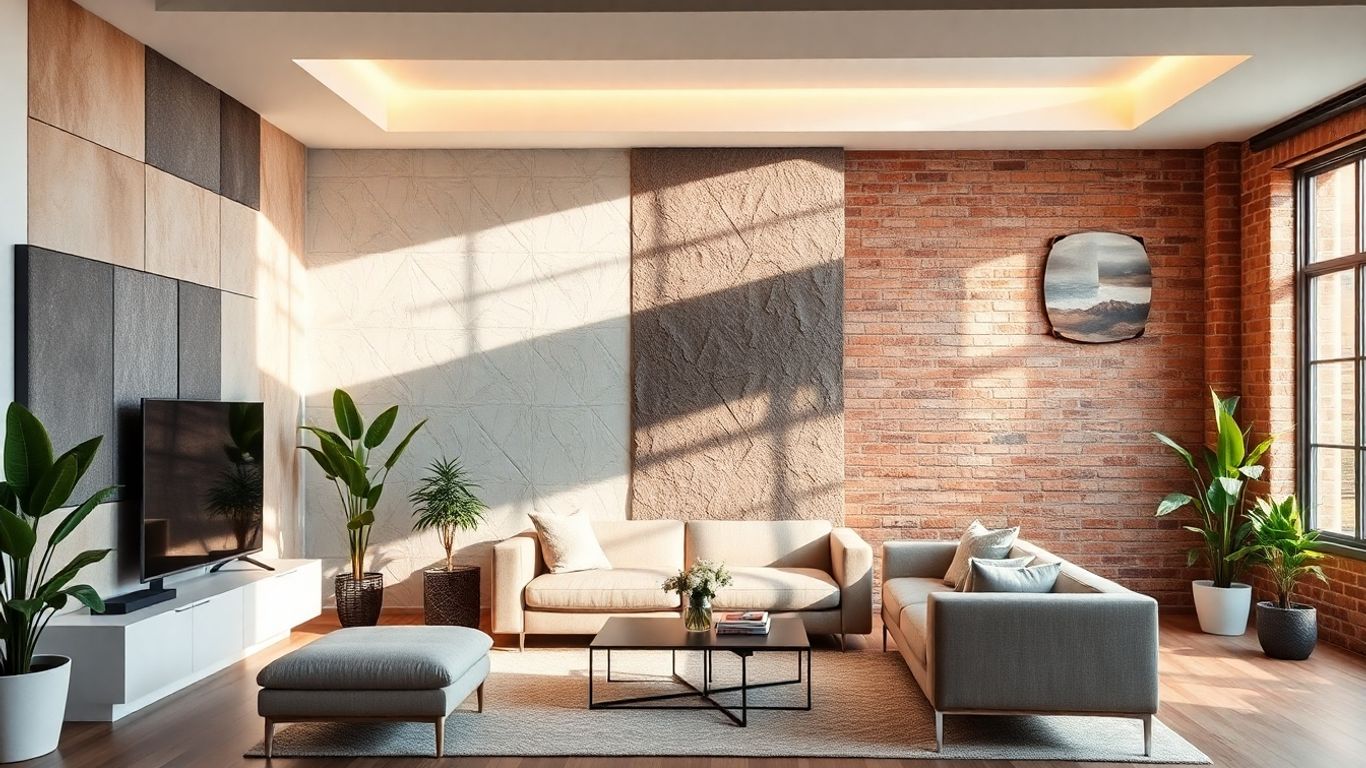
Sometimes you walk into a room and it just feels... flat. Like, there’s nothing special going on. I’ve been there, staring at blank walls and wondering how to make things more interesting without spending a fortune or hiring a pro. If you’re in the same boat, let’s talk about Wall Texturing Styles That Transform Plain Rooms into Design Statements. There are so many creative ways to bring life and character to your space—some are surprisingly easy, and others just need a bit of courage to try something new. Here’s what you should keep in mind if you want your home to stand out and actually feel like you.
Key Takeaways
- Wallpaper isn’t just about patterns—textured and metallic finishes or bold prints can totally change the feel of a room.
- Wood paneling, like shiplap or slat walls, adds warmth and can be done as a weekend DIY project if you’re up for it.
- Murals—hand-painted or wallpaper—let you add a personal touch and work as a big piece of art right on your wall.
- Simple paint tricks like ombré or color washing can make a plain wall look way more interesting, especially if you play with matte and glossy finishes.
- Mixing in things like molding, fabric panels, or a gallery wall of art and photos lets you layer in texture and personality, so your space feels unique.
Modern Wallpaper Designs for Instant Transformation
Wallpaper isn’t just something your grandma put up in the living room back in the day. Today’s wallpaper choices are full of texture, color, and patterns that can overhaul a bland room in a matter of hours. You can set the entire vibe of a space just by choosing the right design and application technique.
Textured and Metallic Finishes for Depth
Not all wallpaper is flat—or boring. Many modern designs come in textured options like grasscloth, linen blends, or even raised print patterns that you can actually feel under your fingertips. Metallic wallpapers, meanwhile, reflect light and bring a bit of understated shine, especially when used in small doses. Here are a few ways textured and metallic finishes stand out:
- Textured wallpaper hides imperfections on your walls.
- Metallic accents make small rooms feel bigger by bouncing light.
- Raised or embossed prints give a sense of movement and depth.
Adding tactile surfaces on your walls can make your home feel warm and welcoming without overwhelming the rest of your decor.
Bold Geometric and Botanical Patterns
If you want your walls to have personality, bold patterns are the way to go. Geometric prints offer a crispy modern look—think big stripes, diamonds, or hexagons. Botanical patterns, on the other hand, bring a bit of the outdoors inside, with leafy greens, soft florals, or even jungle-inspired motifs.
Some popular pattern ideas include:
- Large-scale geometric shapes for a dramatic effect
- Tropical or leafy designs to liven up a neutral room
- Soft floral patterns for a fresh, calming backdrop
Quick Comparison Table: Popular Wallpaper Pattern Types
| Pattern Type | Vibe | Best Rooms To Use |
|---|---|---|
| Geometric | Modern, Bold | Living room, Office |
| Botanical | Fresh, Natural | Bedroom, Sunroom |
| Metallic | Chic, Reflective | Entryway, Bathroom |
Creative Application Techniques Beyond Full Walls
Wallpaper doesn’t have to cover an entire room. Creative placement can make any space more interesting with just a little effort. Try these ideas:
- Apply wallpaper only to one accent wall—great for tight budgets or rental spaces.
- Frame panels of wallpaper for an art-inspired look.
- Use strips of wallpaper on bookcase backs or inside closets for a hidden pop of color.
The best thing about modern wallpaper? It’s often removable, so you can experiment—and change your mind later without regret.
By finding the right combination of pattern, texture, and creative placement, it’s easy to see how wallpaper can totally transform the mood and feel of any room, no matter what your style.
Wood Paneling: Warmth and Character Redefined
If there’s one way to make a cold, plain room feel totally different, it’s wood paneling. Wood instantly adds warmth and a little character, making even a newer house feel lived-in. There’s just something comforting about running your hand along real wood—it’s tough to get that with paint or wallpaper. So, if you’re bored with blank walls and want something that stands out, here are a few ways to make wood work, no matter your style or budget.
Shiplap and Slat Walls for Contemporary Homes
Shiplap isn’t just for farmhouse makeovers on TV. In a modern home, clean shiplap or slim slat walls can add a subtle rhythm to the room. Here’s why these styles are stealing the spotlight:
- Simple lines help rooms feel more open and airy.
- Horizontal paneling stretches walls and gives a sense of more space.
- Vertical slats draw the eye up, making low ceilings look taller.
- You can run shiplap half way up the wall for a little visual interest, or go all in for a more immersive look.
- If you’re feeling bold, paint the paneling a dark color or use a stain that highlights the wood’s grain.
If you’re not sure where to start, try an accent wall behind your bed or sofa. It’s a smaller commitment, and the results usually look professionally designed.
Rustic and Natural Wood Accents
Rustic wood brings instant coziness and texture, even if you live in a city apartment. Think about using reclaimed planks, chunkier beams, or mixing wood tones for a lived-in feel. Here are a few tips:
- Old barn wood or salvaged timber adds true character.
- Mixing different shades of wood creates depth.
- Leaving knots and imperfections adds a natural touch.
- If you’re after a gentle wood scent, something like cedar can work wonders.
A quick look at some popular woods:
| Wood Type | Texture | Cost | Color Options |
|---|---|---|---|
| Pine | Light | $$ | Can be painted or stained |
| Oak | Textured | $$$$ | Warm, rich |
| Cedar | Soft, aromatic | $$$ | Natural reds, accepts stain |
Honestly, even fake wood panels have come a long way, and can trick just about anyone at first glance. If real wood’s out of the question, try looking at lightweight options that mimic the real deal (creative wall paneling ideas).
DIY Installation Tips for Lasting Impact
DIY doesn’t have to mean cutting corners. With wood paneling, a little patience goes a long way.
- Level the first board or panel—everything else depends on it.
- Use the right adhesive or nails, depending on your wall and wood type.
- Sand down any sharp edges for a clean finish.
- If you’re painting or staining, do at least two coats and let it dry fully between each.
- Wipe off dust or fingerprints when you’re finished. Sounds obvious, but trust me, it’ll bug you later if you skip it.
Sometimes the trickiest part is measuring and cutting—measure twice, cut once. Slow down, and your walls will look amazing for years.
Wood paneling isn’t just a style; it’s a feeling. Once it’s up, you might wonder why you ever settled for blank drywall in the first place.
Expressive Wall Murals and Artistic Statements
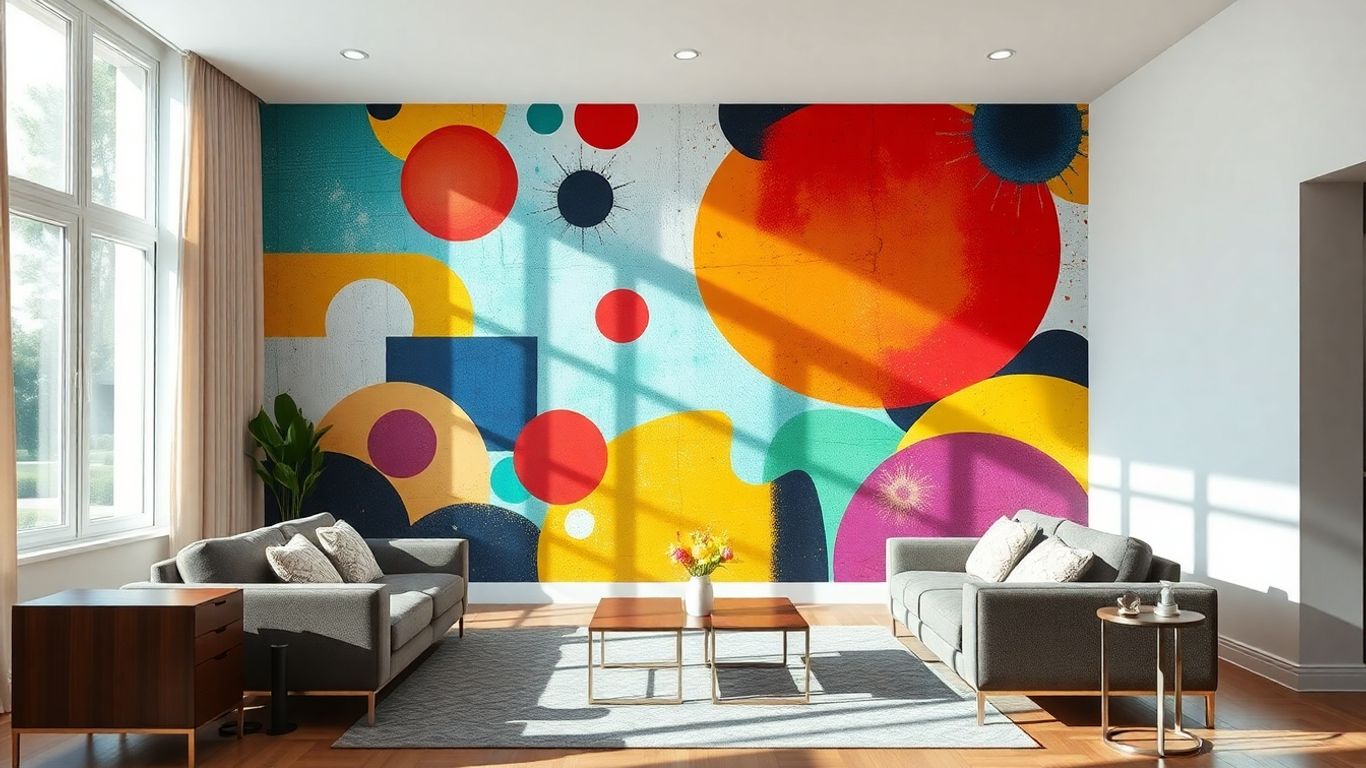
If you want your space to grab attention the moment someone walks in, wall murals are one of the best ways to do it. There’s something special about turning an ordinary wall into a giant canvas. It immediately makes the room feel more personal and lived-in, not just decorated. Let's break down some creative mural approaches and how they fit into home design.
Hand-Painted Murals for Unique Personality
- Choose designs that reflect your hobbies, travels, or memories
- Think about using unexpected techniques: stippling, dry brushing, dragging, or even finger painting for texture
- Don’t be afraid to sketch in pencil first—practice on cardboard before moving to the wall
- Use durable paints suited for your wall surface (acrylics work for most; oil-based is for tougher needs)
Even if you’re not an artist, painting your own mural can make a space feel truly yours, and small imperfections often add charm.
Wallpaper Murals for Effortless Elegance
Wallpaper murals offer intricate designs without the mess of paint. They’re perfect if you want big impact with less commitment (and less cleanup).
- Available in photographic landscapes, abstract shapes, or dramatic florals
- Peel-and-stick varieties are easy to update or remove if you redecorate often
- Many are made in panels for simple installation—just line them up, stick, and smooth out bubbles
Quick Comparison Table
| Feature | Hand-Painted Murals | Wallpaper Murals |
|---|---|---|
| Skill Required | Moderate to High | Low |
| Customization | Unlimited | Somewhat Flexible |
| Installation Time | Longer | Much Faster |
| Removal Difficulty | Difficult | Easy (peel-and-stick) |
Coordinating Murals with Home Decor
A mural is just one part of the room’s bigger style. Here’s how to make it play nicely with the rest of your stuff:
- Pick colors from the mural and repeat them in your pillows, rugs, or curtains for a pulled-together look.
- Avoid clutter around a mural wall; let it be the main focus by using minimal or neutral furniture nearby.
- Frame the mural with molding or paint a border if you want to contain busy designs.
A thoughtfully coordinated mural doesn’t just dress up a wall—it can make the whole room feel intentional and inviting.
Paint Techniques That Elevate Plain Spaces
Paint is sometimes the last thing people think about when redoing a room, but it can completely reset the vibe of any space. If your goal is to make a plain room pop—or at least look more interesting—you don’t have to stick to standard colors or one-finish walls. There are a bunch of techniques out there that are surprisingly simple and give rooms a big dose of style. Let’s look at a few ways you can make your walls the focal point of your home.
Color Washing and Ombré Effects for Visual Intrigue
Even if you’re happy with your current wall color, there’s something about color washing and ombré that can make a room feel soft and layered. The process is a bit like blending two or more shades together until the edges disappear.
- Color washing creates a gentle, cloudy effect. You’ll use a translucent glaze over your base coat, applying it with a brush or rag in swirls or streaks for that mottled look.
- Ombré fades one color into another, usually from dark to light, vertically or horizontally. This one takes some practice, but even a basic ombré can make a small room feel taller or wider.
- Try these out if you want something more subtle and textured than a bold accent wall, but still want something special.
Both techniques are great if you want the walls to have some movement and keep the room feeling bright without adding actual distractions.
Matte vs. Glossy Finishes in Room Makeovers
Don’t underestimate how much the type of paint finish can totally change your results.
Here's a quick breakdown:
| Finish | Look & Feel | Where It Works Best |
|---|---|---|
| Matte | Soft, understated | Bedrooms, dining rooms |
| Eggshell | Slight sheen, durable | Living rooms, hallways |
| Satin | Smooth, easy to clean | Kitchens, bathrooms |
| Glossy | Shiny, bold, dramatic | Trim, doors, accent walls |
- Matte paint hides wall flaws well and looks cozy, but it's not great if you need to wipe off fingerprints all the time.
- Glossy finishes bounce light around and add punch, so use them for trim, doors, and details if you want to draw the eye.
- A mix of finishes in the same color can make a feature wall even more interesting—like matte on the main surface and subtle gloss stripes overtop.
Accent Colors That Set the Mood
Picking a single accent color is one of the oldest tricks in the book, but it never fails when you do it with intention. Here’s how to get it right:
- Choose a color that means something to you. Look at your art, rug, or even throw pillows for inspiration.
- Don’t overdo it—paint one wall, a nook, or even just the back of shelving in a bold contrast shade.
- Pair with lighter or more understated shades to give your accent wall breathing room, especially if your space is small.
An accent wall doesn’t always have to be bright—sometimes a rich navy, earthy green, or dusty pink is more soothing and personal than something neon.
Paint can go way beyond just freshening up a space. Try out different finishes, gradients, or statement colors and see how quickly those plain walls start to feel like a new room.
Creative Use of Molding and Architectural Details
Moldings and architectural wall trim have a way of making an ordinary room suddenly feel memorable. Even if you’re not living in an old mansion, there are easy ways to bring that feeling home. The right details can make four plain walls feel like a canvas instead of an afterthought. Whether you like bold or subtle, there's a look for everyone.
Parisian-Inspired Picture Frame Molding
- Paint thin trim directly onto the wall to make large or small rectangles—try matching the wall color for a relaxed vibe, or go all-in with bright white for bold contrast.
- These frames can make cheap rental walls look more expensive, and they’re perfect for livening up plain living rooms or bedrooms.
- The best part: you don’t even need art inside the "frames" since the trim becomes the art!
Adding picture frame molding is one of those weekend projects that gives you instant bragging rights—impress guests, but mainly, make yourself happy every time you walk in the room.
Modern Wall Moldings for Subtle Texture
- Use skinny, flat trim or even strips of plywood to sketch out linear patterns—think vertical stripes or grids—for a fresh, modern style.
- For new builds or remodeling, try pairing symmetrical moldings with unusual paint colors, like forest green or deep blue, for a unique look.
- If you have creative energy, experiment by running trims in unexpected directions, or combine with LED strip lights for a cool shadow effect at night.
Mixing Classic and Contemporary Styles
- Don’t overthink matching: mixing old-school crown molding with a modern color scheme (or vice versa) gives your room tons of character.
- Try chunky baseboards paired with super-sleek walls, or old fashioned rosettes above door frames in a minimalist entryway.
- If you’re feeling bold, layer moldings—a traditional chair rail with geometric panels above or below, for instance.
Here’s a quick table to help pick your style:
| Molding Style | Best For | Room Suggestions |
|---|---|---|
| Picture Frame | Classic, elegant, Parisian look | Living room, dining room |
| Linear/Modern Grid | Clean, minimalist, updated feel | Bedroom, home office |
| Mixed/Layered | Eclectic, personal, lived-in vibe | Entryway, hallway |
A little bit of wood and creativity can go a long way! Even a small section of molding changes how you see (and feel about) your room every single day.
Textile Textures: Fabrics and Tapestries on Walls
Fabric and tapestry walls aren’t just for boho spaces or centuries-old castles—they’re a solid way to add softness and unexpected style to just about any room. The thing about hanging a textile? Instantly, you get visual texture, but also that cozy feeling you don’t always get from paint or even wallpaper. Textiles can also help with noise, soaking up a lot of the echo that makes big rooms or home offices a bit distracting.
Choosing Quality Textiles for Wall Accents
Picking the right fabric is half the battle. You’re looking for something that looks good both up close and from far away. Here are some things to keep in mind:
- Heavyweight fabrics like velvet or wool feel more substantial and drape better.
- Natural fibers (cotton, linen, silk) have a more organic look, while synthetic blends are often easier to clean and less likely to fade in sunlight.
- Patterns and colors should work with your room—bold prints grab attention, subtle weaves add texture without stealing the show.
| Fabric Type | Look | Pros | Cons |
|---|---|---|---|
| Velvet | Plush, rich | Warmth, depth | Heavier, more costly |
| Cotton | Soft, versatile | Breathable, accessible | Can wrinkle, fade |
| Linen | Relaxed, crisp | Organic look | Creases easily |
| Wool | Textured, cozy | Great for acoustics | May feel too warm |
| Silk | Shimmery, luxe | Elegant, reflective | Delicate, costly |
If you’re not sure about making a long-term commitment, try using extra-large scarves, pretty sheets, or vintage tablecloths—you can always swap them out later.
Mounting and Arranging Fabric Art Installations
How you hang your textile totally changes the effect. Some want the fabric stretched flat, almost like wallpaper. Others like letting it hang loose with visible draping and folds. Here’s what works:
- Use a wooden dowel or curtain rod at the top for classic tapestry style.
- Mount fabric with a staple gun for a tight, tailored look. It’s easier than wrestling with wallpaper!
- Try lightweight frames if you want something damage-free or temporary (great for renters).
A few pro tips:
- Always use quality hardware that matches the fabric’s weight.
- Hang the textile so its center is about eye-level for the average person.
- Keep everything aligned—nothing ruins the look faster than a crooked hang.
Coordinating Patterns and Palettes for Cohesion
Matching your chosen textile to your room is less about following strict rules and more about aiming for harmony.
- Stick with 2-3 colors that repeat throughout your space for a put-together effect.
- If your textile is super bold or busy, tone down the rest of the decor.
- Mixing mismatched patterns? Make sure they share at least one color for unity.
- Rugs, pillows, and even lampshades can echo the color or pattern of your wall textile to tie things together.
Adding fabric to your walls is honestly one of those updates that makes a room feel lived-in, kind of like it’s been styled by someone who cares. And if you ever get tired of it, swapping it out won’t wreck your wall or your weekend.
Gallery Walls and Curated Art Collections
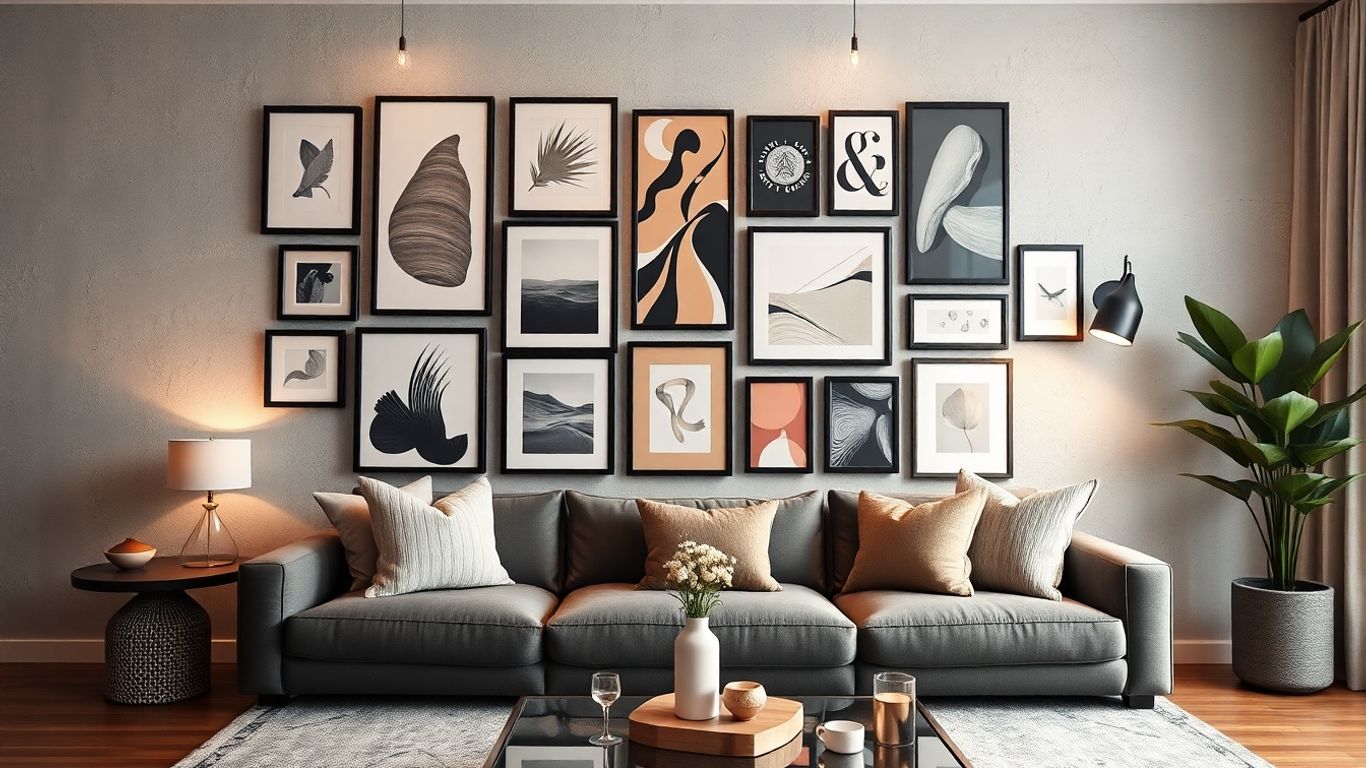
Gallery walls are more than just decoration—they're a clever way to make a room feel personal and alive with stories.
Mixing Frames and Art Styles for Interest
- Combine frames of different shapes and materials for a collected-over-time look—metal, wood, even some colored frames add personality.
- Blending prints, family snapshots, vintage finds, and maybe a quirky 3D object keeps things from feeling stale. Balance comes from mixing, not matching.
- Try out your arrangement on the floor before putting holes in the wall; it saves time and frustration.
A gallery wall isn’t just about filling space—it’s about showing off the things you love, the people you cherish, and the little pieces of your own journey.
Strategic Layouts for Maximum Impact
- Map your gallery wall using painter’s tape or paper templates before hanging anything. This step gives you a sense of spacing and flow.
- Decide if you want a tight symmetrical grid (clean and modern) or an organic, playful arrangement.
- Most designers stick to 2-3 inches between frames to help each piece stand out, but don’t stress if you're off by a little bit.
Check out these simple layout tips sourced from successful gallery wall advice:
| Layout Strategy | Best For | Notes |
|---|---|---|
| Grid/Formal | Modern, Minimal rooms | Requires careful measuring |
| Organic/Salon-Style | Eclectic, Artistic spaces | Allows spontaneity, easy to add on |
| Linear/Horizontal | Narrow hallways | Keeps sightlines clean |
Personalizing with Local and Handmade Art
- Bring in pieces found at neighborhood markets, art fairs, or made by friends—these tell stories a store-bought print can’t.
- Mix in your kids’ artwork, pressed flowers, or souvenirs from trips.
- Rotate in new art a couple of times a year to keep your gallery wall feeling fresh and relevant to your life at the moment.
Gallery walls bring instant character to a home. You can start with just a few favorite pieces and build out as you find more, letting your wall grow and change along with your tastes.
A gallery wall can make any room feel special and full of life. By putting together your favorite photos, artwork, or even fun posters, you add your own style to your space. Want to create your own amazing gallery wall or need help picking the best paint colors for your collection? Visit our website to find simple ideas and expert tips just for you!
Wrapping Up: Your Walls, Your Story
So, that's the scoop on wall texturing styles—there really are so many ways to turn a plain room into something that feels special. Whether you go for bold wallpaper, some wood paneling, or just a bit of paint and creativity, it’s all about making your space feel more like you. Don’t stress about getting everything perfect. Sometimes the best ideas come from just trying something new, even if it’s a little messy at first. The main thing is to have fun with it and let your personality show through. At the end of the day, your home should make you happy every time you walk in. So grab that paintbrush, roll out that wallpaper, or hang up that tapestry—whatever feels right. Your walls are a blank canvas, and you get to decide what story they tell.
Frequently Asked Questions
How do I choose the best wall for an accent wall?
Pick a wall that naturally stands out in the room, like the one behind your bed or sofa. Make sure it gets good light and isn’t blocked by large furniture.
What’s the easiest way to add texture to my walls?
Wallpaper with raised patterns or using wood panels like shiplap are simple ways to add texture. You can also hang fabric or tapestries for a quick change.
Can I make an accent wall if I’m renting?
Yes! Use peel-and-stick wallpaper or removable decals. Hanging fabric art with command strips is another renter-friendly option.
Do accent walls have to be bold colors?
No, accent walls can be any color or style. Soft tones, natural wood, or simple patterns also work well if you prefer a calm look.
How do I keep my accent wall from clashing with the rest of the room?
Choose colors and patterns that match your furniture and decor. Try to use similar shades or styles for a balanced look.
What’s the best way to hang art or photos on an accent wall?
Plan your layout before you start hanging. Mix different frame sizes and shapes for interest, and use painter’s tape to mark spots on the wall first.


Comments
Post a Comment