Wall Finish Repair vs. Cosmetic Cover-Ups: Knowing the Difference Saves Money on Home Projects
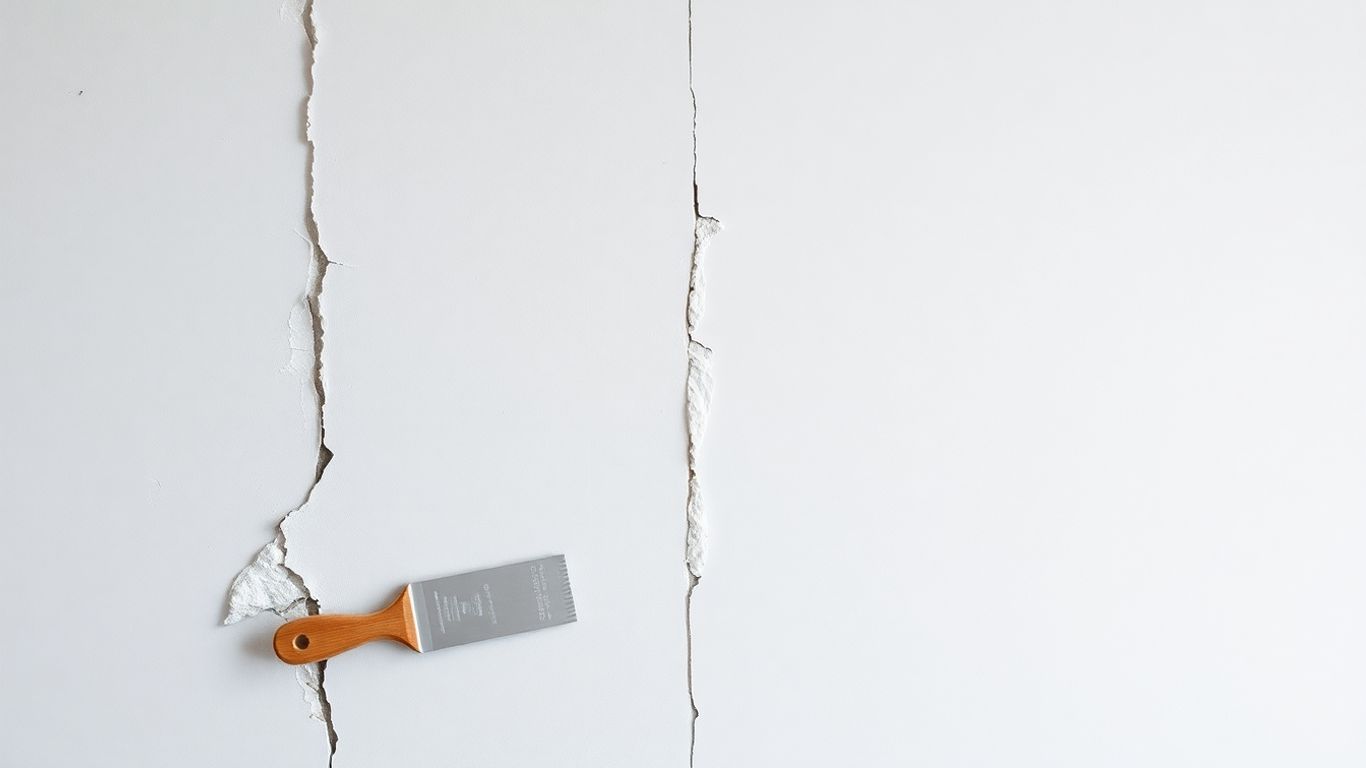
When you're looking at your home's walls, it's easy to get confused about what needs a quick fix and what needs a real repair. Sometimes, a little paint covers up the problem. Other times, you're dealing with something deeper. Knowing the difference between Wall Finish Repair vs. Cosmetic Cover-Ups: Knowing the Difference Saves Money on Home Projects is super important. It can mean the difference between a cheap band-aid and a lasting solution, saving you cash in the long run.
Key Takeaways
- Cosmetic fixes like a fresh coat of paint can hide minor wall blemishes but won't address underlying issues.
- Real wall finish repair involves fixing cracks, holes, water damage, or structural problems for a durable solution.
- Simple updates like changing hardware, light fixtures, or painting can boost appeal without major expense.
- Investing in proper repairs prevents further damage and maintains your home's value better than temporary fixes.
- Deciding between DIY and professional help depends on the complexity of the repair and your skill level to save money and ensure quality.
Understanding Wall Finish Repair vs. Cosmetic Cover-Ups
When you're looking at your walls, it's easy to see a scuff mark or a small crack and think, 'I can just paint over that.' And sometimes, that's totally fine! A fresh coat of paint can do wonders, making a room feel cleaner and brighter. But here's the thing: not all wall imperfections are created equal. Some are just surface-level annoyances, while others point to bigger issues lurking underneath.
The True Cost of Hiding Imperfections
Trying to cover up a problem that needs actual fixing can end up costing you more in the long run. Think about it: if you paint over a patch of mold, the mold is still there, growing. Eventually, it'll push through the paint, and you'll have a bigger, more expensive mess to deal with. It's like putting a band-aid on a broken bone – it looks like you've done something, but the real problem is ignored.
When a Fresh Coat Isn't Enough
So, when does paint just not cut it? Usually, it's when the damage goes beyond just a cosmetic flaw. We're talking about things like:
- Water Stains: If you see a water stain, it means there's a leak somewhere. Painting over it hides the evidence, but the leak will keep happening, potentially causing structural damage or more mold.
- Cracks from Settling: Small hairline cracks might be normal settling, but larger, jagged cracks could mean your foundation is shifting. Painting over these won't stop the movement.
- Peeling or Bubbling Paint: This often indicates moisture behind the wall or poor surface preparation. Just painting over it won't fix the underlying issue and the new paint will likely peel off too.
- Holes or Dents: Small dings can be filled and sanded, but larger holes, especially those that go through to the studs, need proper patching and support.
Assessing the Damage: Beyond the Surface
Before you grab a paintbrush, take a good, hard look at what's really going on. Gently push on the wall around the imperfection. Does it feel soft or spongy? That could be water damage. Tap the wall – does it sound hollow in places? That might mean there's a void behind the drywall. Check for any signs of mold or mildew, especially in bathrooms and kitchens. Understanding the root cause of the damage is the first step to making a repair that actually lasts.
Sometimes, what looks like a simple blemish is actually a symptom of a larger problem. Ignoring these signs can lead to more extensive and costly repairs down the line, not to mention potential health hazards like mold growth.
Strategic Cosmetic Updates That Add Value
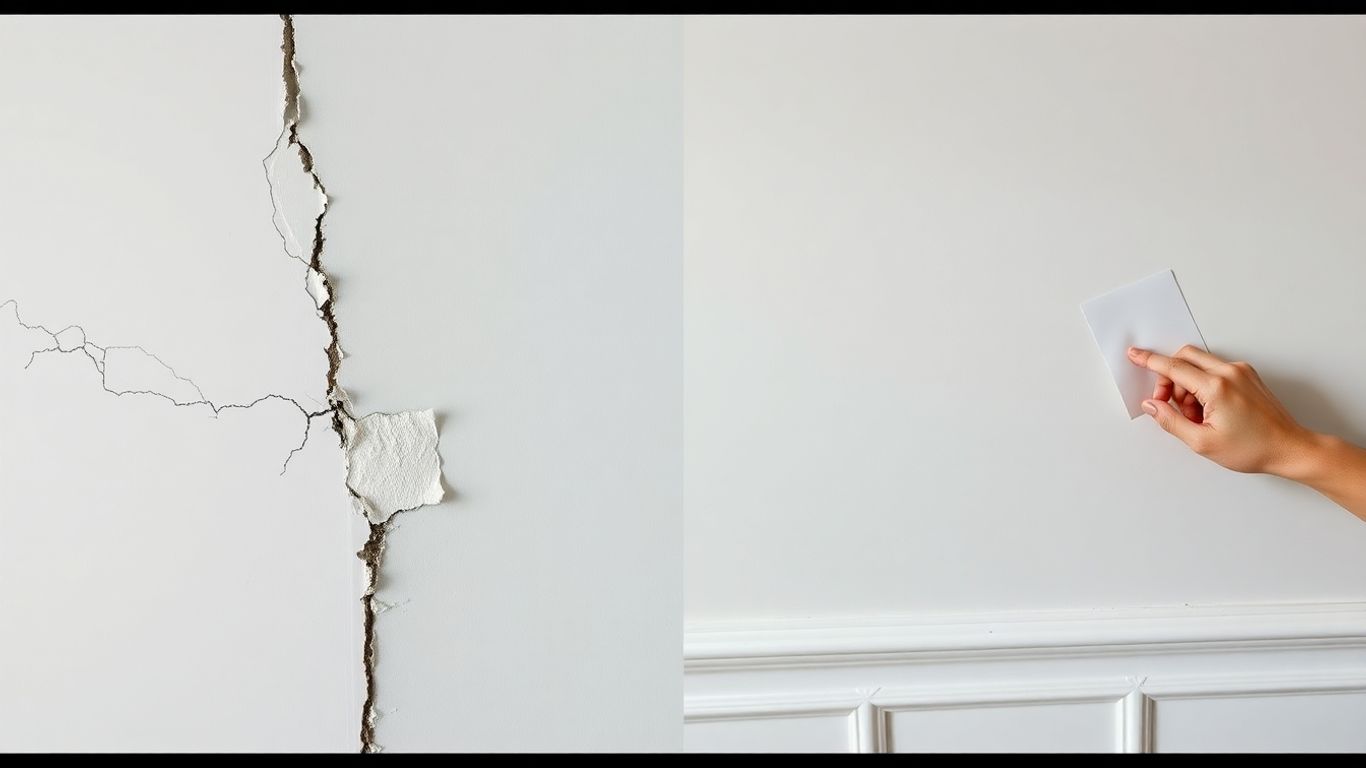
Sometimes, you don't need to tear down walls or replace entire kitchens to make your home look and feel better. Small, smart changes can really make a difference, especially if you're thinking about selling or just want to freshen things up without breaking the bank. These aren't deep repairs; they're more like a good makeover for your walls and the things attached to them.
The Power of Fresh Paint
This is probably the most obvious one, but it's a classic for a reason. A fresh coat of paint can completely change the vibe of a room. It covers up scuffs, marks, and those little dings that happen over time. Think of it as giving your walls a clean slate. When picking colors, sticking to warm, neutral tones is usually a safe bet. Whites, light grays, and soft beiges make spaces feel bigger and brighter, and they tend to go with most furniture and decor. It’s hard to go wrong with these choices, and they make it easier for potential buyers to imagine their own stuff fitting in.
Updating Fixtures and Hardware
Little things can have a big impact. Take a look at your cabinet knobs, drawer pulls, and light fixtures. Are they dated? Rusty? A bit… well, icky? Swapping these out for something more modern can give your kitchen, bathroom, or even your front door a whole new look. It’s surprising how much a sleek new faucet or a set of stylish cabinet handles can update the feel of a space. These are often simple DIY tasks, too, so you can save on labor costs.
Enhancing Curb Appeal with Simple Touches
Don't forget the outside! The first impression of your home is what people see from the street. If your mailbox is looking sad, or your house numbers are faded, it can detract from the overall picture. Upgrading these small exterior details – like a new mailbox, some modern house numbers, or updated outdoor lighting – can make a big difference. It shows you care about the property and gives it a more polished look without needing a full landscaping overhaul.
These cosmetic updates are about making your home look its best on the surface. They create a positive first impression and can make a space feel more inviting and well-maintained. While they don't fix underlying issues, they significantly boost the immediate appeal and perceived value of your home.
When to Invest in Genuine Wall Repair
Sometimes, a quick fix just won't cut it. You know, like when you try to cover up a smudge on the wall with a dab of paint, and it just looks… wrong. That's where real wall repair comes in. It's about fixing the problem at its root, not just making it look pretty for a little while. If you're seeing more than just a scuff mark, it's probably time to think about a proper repair.
Addressing Structural Issues
This is the big stuff. We're talking about cracks that go deep, maybe even all the way through the wall, or sections that seem to be sinking or bulging. These aren't just cosmetic problems; they can be signs that something more serious is going on with your home's foundation or framing. Ignoring these can lead to much bigger, more expensive headaches down the road. Think of it like this: if your house's bones are weak, no amount of fancy wallpaper will make it strong.
- Foundation cracks: Even small ones need watching. If they're growing, it's a problem.
- Bowing or leaning walls: This is a clear sign of pressure or structural failure.
- Sagging ceilings or floors: Could indicate issues with joists or supports.
When you see signs of structural compromise, it's not a DIY weekend project. It's time to bring in someone who knows how to assess the integrity of your home and make the right fixes. Trying to patch this yourself could be dangerous and won't solve the underlying issue.
Repairing Water Damage and Stains
Water is sneaky. It can seep in from leaky pipes, a bad roof, or even just condensation, and cause all sorts of trouble. You might see discoloration, bubbling paint, or even mold. A simple paint job won't get rid of the moisture or the damage it's already done. You need to find the source of the water and fix that first, then deal with the affected wall material. Leaving water damage untreated can lead to rot and mold, which are bad for your health and your home's structure.
- Identify the water source: Is it a plumbing leak, roof issue, or condensation?
- Dry out the area completely: This might take time and good ventilation.
- Remove and replace damaged materials: Drywall, insulation, or plaster that's been soaked needs to go.
Restoring Damaged Plaster or Drywall
Over time, walls can take a beating. Holes from doorknobs, dents from furniture, or just general wear and tear can leave drywall and plaster looking rough. While small dings can be spackled, larger holes or areas with crumbling plaster need more attention. This involves patching, sanding, and texturing to match the rest of the wall. It takes patience and a bit of skill to make these repairs look like they never happened. If you've got large sections that are cracked, crumbling, or have significant holes, it's time for a proper restoration, not just a quick patch.
DIY vs. Professional Wall Finish Solutions

Evaluating Your Skill Level for Repairs
When you look at a crack in the wall or a patch of peeling paint, your first thought might be, "Can I fix this myself?" It's a fair question, and the answer really depends on what you're comfortable with and what tools you have. For small dings or minor scuffs, a bit of spackle and some paint might be all you need. You can grab a putty knife, a small tub of joint compound, and a brush or roller from the hardware store. It's usually pretty straightforward – fill the hole, let it dry, sand it smooth, and then paint over it. But if you're dealing with anything more complex, like water damage, large cracks, or crumbling plaster, it might be time to reconsider.
Here's a quick way to think about it:
- Simple cosmetic fixes: Small nail holes, minor scuffs, areas where paint has chipped off. These are usually good candidates for DIY.
- Moderate repairs: Larger cracks (more than a quarter-inch wide), small areas of peeling paint that go deeper than the surface, or holes from doorknobs. These might require a bit more skill and patience.
- Major issues: Extensive water damage, large sections of crumbling drywall or plaster, structural cracks, or mold. These are almost always best left to the pros.
Knowing When to Call a Professional
Sometimes, trying to save a buck by doing it yourself can end up costing you more in the long run. If a repair isn't done right, it might not last, or worse, it could lead to bigger problems down the line. For instance, if you're tackling water damage, you need to be sure you've addressed the source of the leak and properly dried everything out. Just slapping some paint over a damp spot won't cut it; the moisture will just keep coming back, potentially causing mold or structural issues.
Think about these scenarios:
- Structural Concerns: If you see cracks that seem to go all the way through the wall, or if walls feel soft or bowed, it's a sign of a bigger problem that needs an expert eye. This isn't just about looks; it's about the safety of your home.
- Water Intrusion: Any sign of water damage, especially if it's widespread or recurring, needs professional assessment. They can identify the source, treat any mold, and properly repair the affected areas to prevent future problems.
- Plaster and Drywall Expertise: Working with old plaster or large sections of drywall can be tricky. Professionals have the tools and experience to match textures, create smooth finishes, and ensure the repair blends in perfectly with the rest of the wall.
When in doubt, it's often wiser to get a professional opinion. They can assess the situation accurately and give you a clear picture of what needs to be done, saving you potential headaches and extra costs later on.
Cost-Benefit Analysis of DIY vs. Pro
Let's talk numbers. Doing it yourself can save you money on labor, but you still have to buy materials and tools. Sometimes, the cost of those tools, especially if you only need them once, can add up. Plus, your time is valuable, right? How many hours are you willing to spend on a repair that a pro could finish in a fraction of the time?
Here’s a rough idea of what you might expect:
| Project Type | DIY Cost (Materials & Tools) | Professional Cost (Labor & Materials) | Time Investment (DIY) | Potential Risk of DIY |
|---|---|---|---|---|
| Small Nail Hole Patch | $10 - $30 | $100 - $250 | 1-2 hours | Low |
| Large Crack Repair | $30 - $75 | $200 - $500 | 3-6 hours | Medium |
| Water Damage Repair | $50 - $150+ (materials only) | $500 - $2000+ | Varies (high) | High |
| Plaster Restoration | $75 - $200+ (specialized) | $500 - $1500+ | Varies (high) | Very High |
Keep in mind these are just estimates. The actual costs can change based on where you live, the specific materials you choose, and the complexity of the job. For bigger projects, getting a few quotes from different contractors is always a smart move. It helps you compare prices and get a feel for who you'd be comfortable working with.
Long-Term Value: Repairing for Durability
Sometimes, just slapping on a coat of paint or a quick patch isn't going to cut it. When you're dealing with real damage, like cracks that go deeper than the surface or signs of water trouble, you've got to get to the root of the problem. Ignoring these issues is like putting a band-aid on a broken bone – it might look okay for a bit, but it's not going to hold up.
The Longevity of Proper Repairs
Fixing wall damage the right way means you're not just making it look good; you're making it strong. Think about it: a small crack in drywall, if filled properly with the right compound and sanded smooth, becomes part of the wall again. It's not just covered up; it's integrated. This kind of repair lasts. It won't reappear next month or next year. It's about restoring the wall's original integrity, so it functions as it should for years to come. This is the kind of work that truly adds lasting value to your home.
Preventing Future Damage Through Repair
Taking care of problems early stops them from getting worse. A tiny leak that causes a small stain on the ceiling, if left alone, can lead to mold, rot, and a much bigger, more expensive repair down the line. Addressing that leak and repairing the damaged drywall or plaster right away prevents all that. It's a proactive approach. It's like taking care of your car's oil changes; it prevents major engine trouble later.
Here are a few examples of how early repair helps:
- Small cracks: If you catch hairline cracks in plaster or drywall early, they can often be filled and painted over, preventing them from widening and becoming more noticeable.
- Water spots: A minor water stain is a sign of a leak. Fixing the leak and treating the stain prevents mold growth and further damage to the wall material.
- Loose trim: Trim that's pulling away from the wall might seem minor, but it can allow moisture and pests to enter. Re-securing it keeps your home sealed.
Maximizing Home Value with Lasting Solutions
When you're thinking about selling your home, or even just living in it comfortably, durable repairs make a big difference. Buyers can spot shoddy work, and they know that problems hidden now will become their problems later. They'll factor that into their offer. But when they see that walls are solid, that there are no signs of past water damage, and that everything looks well-maintained, they feel more confident. It shows you've taken good care of the place. This translates to a better sale price and less hassle when it's time to move on.
Making repairs that last isn't just about aesthetics; it's about structural soundness and preventing bigger headaches. It's an investment in your home's future, whether you plan to stay for decades or sell next year. The peace of mind that comes with knowing your walls are solid is worth more than you might think.
Making Informed Decisions for Your Home
Prioritizing Projects for Maximum Impact
When you're looking at your home's walls, it's easy to get overwhelmed. You see that little crack, that water stain from years ago, or maybe just a general dinginess that makes the whole room feel tired. The big question is always: what's worth fixing, and what can you just cover up for now? Thinking about the long game is key here. A quick patch might look okay for a few months, but if the underlying issue isn't addressed, you're just delaying a bigger problem. We need to figure out what gives you the most bang for your buck, both in terms of how your home looks and how it holds up over time.
Budgeting for Wall Finish Repair vs. Cover-Ups
Let's talk money. Sometimes, a simple cosmetic fix seems like the obvious choice because it's cheaper upfront. But we've got to look at the whole picture. What's the real cost of just painting over a damp spot? You might save a few bucks today, but that moisture could be doing more damage behind the wall, leading to mold or structural issues down the line. That's way more expensive to fix later. On the flip side, a proper repair might cost more now, but it prevents those bigger headaches.
Here’s a quick way to think about it:
- Cosmetic Cover-Up: Low upfront cost, potential for higher future costs if the problem persists.
- Genuine Repair: Higher upfront cost, lower long-term costs, and peace of mind.
Consider this table for a rough cost comparison:
| Project Type | Estimated Upfront Cost | Potential Future Cost | Longevity |
|---|---|---|---|
| Painting over stain | $50 - $200 | $500 - $5000+ | Short-term |
| Patching small crack | $20 - $100 | $100 - $1000+ | Medium-term |
| Repairing water damage | $200 - $1000+ | Minimal (if done right) | Long-term |
| Replacing drywall | $500 - $2000+ | Minimal (if done right) | Very long-term |
Achieving a Seamless Look Through Smart Choices
So, how do you get that polished look without just slapping on a coat of paint and hoping for the best? It's about making smart choices that last. If you've got a crack, filling it properly and sanding it smooth before you paint makes a world of difference. If there's water damage, you have to find the source of the leak and fix that first. Ignoring it is like putting a band-aid on a broken bone – it just doesn't work.
Sometimes, the most 'expensive' option upfront is actually the most economical in the long run. It's about investing in the health and integrity of your home, not just its appearance for the next few months. Think about what you'd tell a friend who was asking for advice – you'd want them to avoid future problems, right?
Ultimately, deciding between a quick fix and a real repair comes down to understanding what's really going on with your walls and what you want your home to be like in five, ten, or even twenty years. It's your space, so make the choices that make you feel good about it, both now and later.
Choosing the right help for your home projects can feel like a big puzzle. We want to make sure you pick the best team to get the job done right. Think about what matters most for your house, like making it look great inside and out, or fixing up that old deck. We're here to help you figure it all out. Ready to make your home shine? Visit our website today to learn more and get started!
The Takeaway: Fix It Right, Save Later
So, when you're looking at that crack in the wall or that scuff on the doorframe, remember the difference between a quick patch and a real fix. Covering up problems might seem easier in the moment, but it often leads to bigger headaches and more cash spent down the road. Taking the time to do things the right way, even if it's a little more work upfront, usually pays off. Whether you're fixing up your own place or getting it ready to sell, a solid repair is always a smarter move than a temporary cover-up. It just makes sense for your wallet and your peace of mind.
Frequently Asked Questions
What's the main difference between repairing a wall and just covering up a problem?
Repairing a wall means fixing the actual damage, like filling cracks or patching holes, so the wall is solid and smooth again. Covering up a problem, like just painting over a stain or a crack, is like putting a band-aid on a deeper issue. It looks okay for a little while, but the problem is still there underneath and will likely show up again.
When is painting a wall not enough to fix it?
Painting is great for a fresh look, but it won't help if the wall has actual damage. If there are deep cracks, holes from a doorknob, water stains that have soaked through, or if the drywall is crumbling, painting over it won't fix the underlying issue. You need to repair the damage first before you paint.
How can I tell if a wall issue needs a real repair instead of just a paint job?
Look closely at the imperfection. Is it just a scuff mark or faded paint? Then paint might be enough. But if you see cracks that go all the way through, feel soft spots, notice peeling paint that seems to be caused by moisture, or see bulges, those are signs of damage that need actual repair work, not just a cosmetic fix.
What are some simple cosmetic updates that can make a room look better without major repairs?
Simple things like a fresh coat of paint in a neutral color can make a huge difference. Updating light fixtures, switch plates, and outlet covers can also give a room a modern feel. Even changing out cabinet hardware in the kitchen or bathroom can make them look brand new.
Are there times when I should definitely call a professional for wall repairs?
Yes, absolutely. If you suspect structural problems, like sagging walls or serious cracks that might mean the foundation is shifting, call a pro immediately. Also, if you're dealing with extensive water damage, mold, or large sections of damaged plaster or drywall, it's best to get an expert involved to ensure it's fixed correctly and safely.
Why is fixing wall damage better in the long run than just covering it up?
Fixing wall damage properly makes your home stronger and prevents smaller issues from becoming bigger, more expensive problems later. It ensures the repair lasts, keeps your home looking good, and ultimately adds more value to your property compared to temporary fixes that will need attention again soon.


Comments
Post a Comment