How Exterior Painting Protects Your Home for Decades: Long-Term Benefits You Need to Know
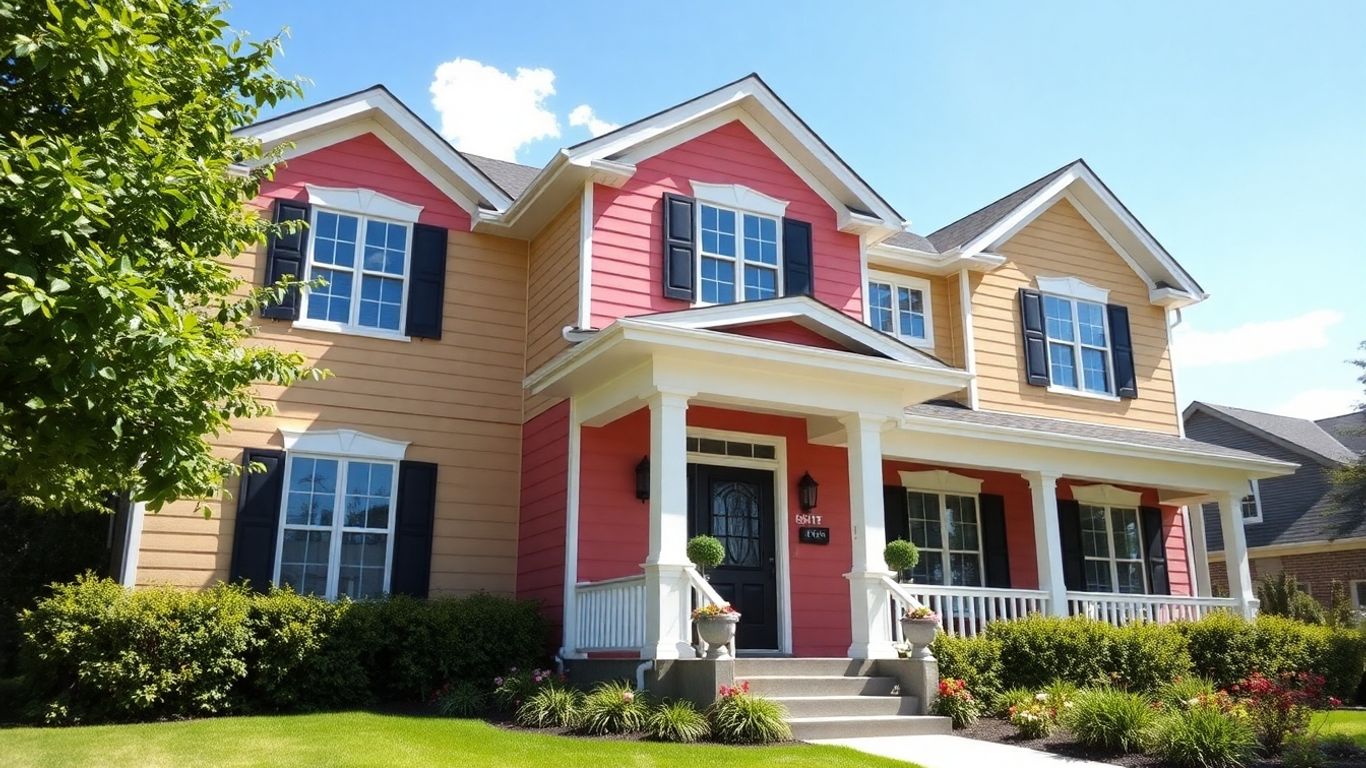
Ever notice how some houses in your neighborhood always look sharp, year after year, while others start to look a little rough around the edges? The difference often comes down to one thing: exterior paint. It’s not just about making your home look good—though that’s a nice bonus. Painting the outside of your house is one of those chores that pays off for decades, protecting your place from weather, pests, and all sorts of surprises. If you’re wondering how exterior painting protects your home for decades, you’re in the right spot. Let’s break down the long-term benefits, so you know exactly what you’re getting into before you grab a brush or call a pro.
Key Takeaways
- A solid paint job shields your home from sun, rain, and moisture, stopping damage before it starts.
- Fresh paint helps siding and trim last longer, so you’re not replacing boards or panels every few years.
- Painting the exterior can make your home more energy efficient by keeping out drafts and helping maintain steady temperatures.
- A well-painted house boosts curb appeal and can even bump up your property value if you decide to sell.
- Taking care of exterior paint now means fewer repairs and less maintenance down the road, saving you money and hassle.
How Exterior Painting Protects Against Weather and Environmental Damage
Over time, the elements take a toll on your home, but a quality coat of exterior paint acts as a barrier, fending off some of the biggest threats nature throws your way. Think sun, rain, humidity—these all work behind the scenes, making siding crack and colors fade. Here’s a closer look at how paint shields your home for the long run.
Defending Against UV Rays and Sun Damage
The sun beats down year after year, causing colors to lose their pop and sometimes even breaking down the surface beneath the paint. Modern exterior paints include special additives that reduce how much UV exposure damages the paint and the material underneath. This means you’ll see less fading, chalking, and cracking—plus, it helps everything look newer for longer.
Long-Term Sun Protection With Exterior Paint
| Surface | Unpainted: Life Before Fade (Years) | Painted: Life Before Fade (Years) |
|---|---|---|
| Wood | 2–4 | 7–10 |
| Vinyl | 4–6 | 8–12 |
| Fiber Cement | 5–7 | 10–15 |
Even in the most sun-exposed spots, the right paint extends how long your home looks fresh and bright.
Shielding Your Home from Rain and Moisture
Rain isn’t just an annoyance—it brings moisture into cracks, which can cause swelling, rot, and even foundation damage over time. Paint creates a water-resistant layer, keeping siding and trim sealed from the inside out.
- Blocks moisture from reaching wood and other porous surfaces
- Reduces risk of rusting or corrosion on metal elements
- Limits water’s ability to seep inside and cause mold
Preventing Mold, Mildew, and Algae Growth
When surfaces stay damp for too long, mold and mildew start to grow, bringing health risks and breaking down building materials. Quality exterior paints often include mildew-resistant ingredients that help prevent these problems before they start.
- Stops spores from settling on painted surfaces
- Makes it harder for algae streaks to build up
- Keeps the exterior clean with less frequent scrubbing
If you live in a humid or rainy area, investing in a paint that specifically mentions mold and mildew resistance goes beyond looks—it saves on repairs later. If you ask me, it’s peace of mind worth the upfront cost.
Preserving Siding and Trim for Years to Come
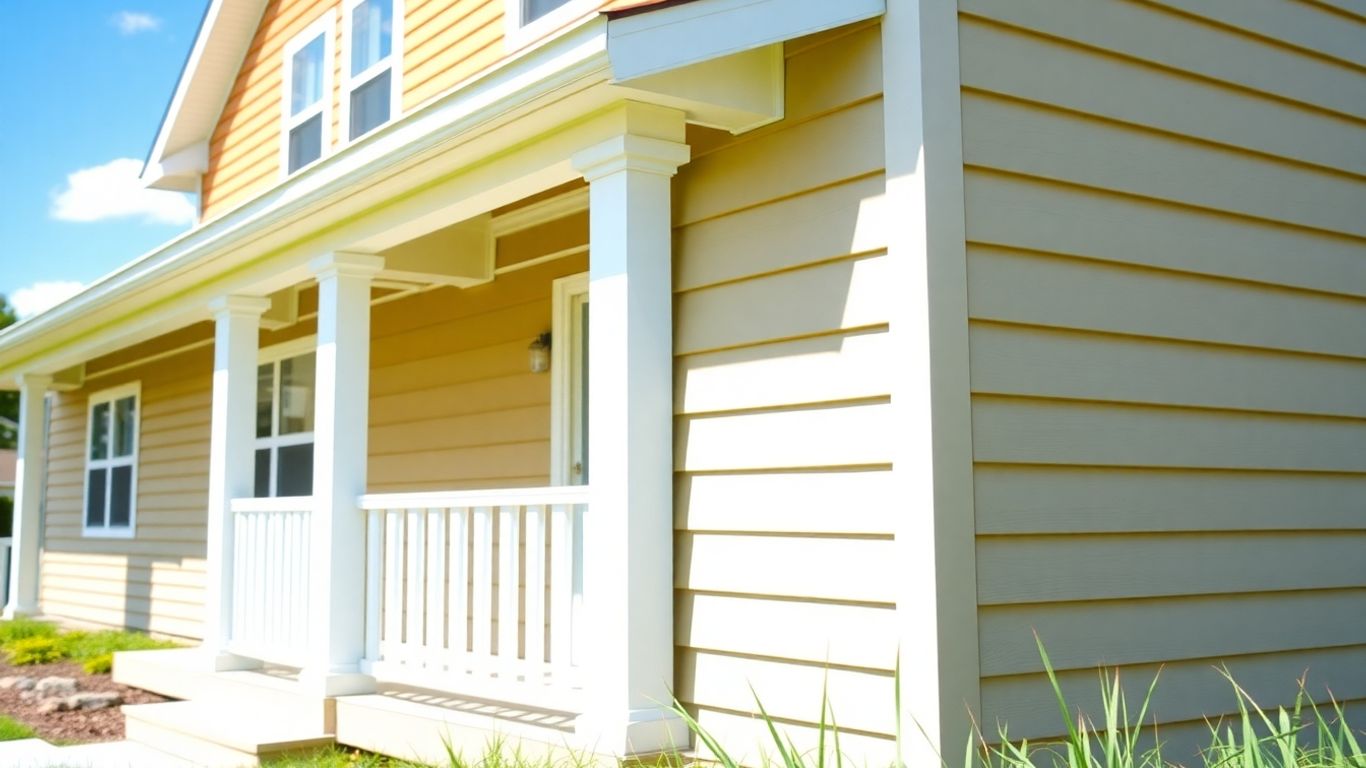
Exterior painting does a lot more than just make your home look good—it’s one of the simplest ways to keep your siding and trim in great shape for a long time. A durable coat of paint helps form a shield that protects against all that weather throws your way, letting the materials underneath last far longer.
Extending the Lifespan of Various Materials
Every type of siding—whether it’s wood, vinyl, fiber cement, or metal—faces unique challenges from the climate, pests, or just sun exposure. When you paint, you’re not just covering up blemishes; you’re adding layers that help keep everything from drying out, cracking, or wearing away. Here’s a quick look at how regular painting helps different materials:
| Siding Material | Typical Lifespan Without Paint | Lifespan With Regular Painting |
|---|---|---|
| Wood | 3–4 years | 8–10 years |
| Vinyl | 8–10 years | 12–15 years |
| Fiber Cement | 10–12 years | 15–20 years |
| Metal | 10–15 years | 15–20 years |
So, touching up or repainting every five to ten years can save you from shelling out big bucks for new siding much sooner than necessary.
Minimizing Peeling, Fading, and Staining
Fresh paint creates a barrier that locks out moisture and stops stains before they start. Here are a few ways painting helps prevent common issues:
- Peeling: Quality paint keeps water and air from getting under the surface, stopping paint from bubbling or peeling away.
- Fading: Modern exterior paints include UV-blocking chemicals, so colors stay truer for years—even under strong sun.
- Staining: Paint acts like a shield against mildew and dirt, making it much easier to wash things off before they become permanent.
A fresh coat of paint saves you time and trouble down the line, cutting back on ugly stains and keeping your house looking good for longer.
Reducing the Risk of Warping and Splitting
When siding or trim takes on water, then dries out repeatedly in the sun, it eventually starts to warp, crack, or even split. Paint slows down this process by sealing out water, so:
- Wood siding doesn’t soften and bend as easily.
- Fiber cement stays less brittle.
- Metal is better protected from rust and corrosion.
It’s really about stopping those harsh cycles of wet and dry weather from beating up your home. Plus, staying ahead with paint is almost always cheaper than fixing warped or split boards after the fact.
Boosting Energy Efficiency and Insulation
When most people think about repainting their house, saving on energy bills probably isn’t the first thing that comes to mind. But believe it or not, a well-applied exterior paint job does more than just keep your home looking tidy—it can actually make your house more comfortable year-round and save you real money.
Maintaining Interior Temperatures Year-Round
A solid coat of the right exterior paint can help keep indoor temperatures steady, no matter what the weather’s like outside.
- Paint acts as a barrier, reducing the amount of heat that moves in and out of your home.
- Reflective paints can keep homes cooler by bouncing sunlight away during sizzling summers.
- Certain paints also help trap heat on cold winter days, helping rooms stay warmer.
Choosing the right kind of paint for your climate isn’t just about aesthetics—it can actually help your home feel more comfortable in every season and reduce strain on your heating or cooling systems.
Reducing Heating and Cooling Costs
Here’s where the savings come in. By keeping outside temperatures from affecting your house as much, your HVAC system doesn’t have to work overtime. That means:
- Lower air conditioning bills in the summer
- Less reliance on heating in the winter
- More predictable energy costs, month after month
Take a look at how paint color affects cooling needs in warm climates:
| Paint Color | Typical Sunlight Absorption | Cooling Demand Impact |
|---|---|---|
| Light (High LRV) | Low | Decreases |
| Medium (Mid LRV) | Moderate | Neutral |
| Dark (Low LRV) | High | Increases |
LRV (Light Reflectance Value); higher LRV = more reflection
Creating a Barrier Against Air Leaks
You might be surprised at how many little gaps and cracks are hiding in your home’s exterior. When these go unsealed, air leaks happen. Good exterior paints, paired with solid prep work, help:
- Seal and fill small cracks or weathered spots that let outdoor air in
- Block moisture that can sneak into walls and mess with insulation
- Keep your home better insulated, top to bottom
So, painting isn’t just about giving your place a facelift. It’s a hidden step in making your house cheaper to run and more comfortable for years to come.
Increasing Home Value and Curb Appeal
Enhancing First Impressions with Fresh Paint
Nothing catches attention faster than a newly painted house. That first look as you pull up your driveway sets the tone for visitors, neighbors, and even people just passing by. A sharp exterior signals that the rest of your home is well cared for, too. It’s not just about keeping up with appearances—the right color and a clean finish truly transform how people view your home.
Here’s what you get with a fresh exterior paint job:
- A sense of cleanliness and care, even if your siding is years old
- The ability to highlight architectural features or hide flaws
- Less risk of those dreaded "peeling paint" comments from friends or realtors
Even on older homes, the difference between "just painted" and "faded and patchy" is huge. You get instant pride—and maybe even a nudge for the neighbors to refresh their places, too.
Attracting Potential Buyers with a Well-Maintained Exterior
If you’re even thinking about selling, this is the easiest way to get noticed. Real estate agents will tell you that curb appeal is everything, and most buyers don’t want to tackle a big exterior project right after closing. A crisp paint job says the house has been looked after, giving buyers a sense of security before they even step inside. In fact, small things like tidy trim or a pop of color on the front door can help your house stay in buyers’ minds longer.
Steps to appeal to buyers with paint:
- Choose a color that fits your neighborhood and architecture.
- Touch up trim and any doors with complementary tones.
- Address any visible repairs—paint won’t hide rotten siding or cracks.
Yielding a High Return on Investment
People often think big renovations are the only way to boost value, but painting can give more bang for your buck. Here’s a quick look:
| Project | Typical ROI (%) |
|---|---|
| Exterior Painting | 51–55 |
| Kitchen Remodel | 60–80 |
| New Landscaping | 30–50 |
That’s right—a professional paint job can recoup more than half its cost when you sell, often turning out to be one of the smartest improvements you can make. Plus, you don’t have to live through weeks of messy construction just to get some extra value. Painting is fast, effective, and delivers visible results.
For most homeowners, exterior painting isn’t just about beauty—it’s a simple investment with big rewards when it’s time to list your home.
Preventing Costly Structural Repairs
Chipping paint and faded walls might seem like small issues, but letting your home’s exterior go unchecked can lead to some seriously expensive fixes. A fresh paint job offers far more than a new look; it plays a big part in protecting your house from long-term damage that’s hard on your wallet. Here’s how:
Sealing Cracks and Gaps Before Damage Occurs
When you decide to paint your home, you—or the pros you hire—will prep the surface. This step usually means caulking up the random cracks and patching holes you didn’t notice before. Sealing those tiny gaps early on can stop water from sneaking inside and causing major headaches like rot or drywall damage later. Here’s a basic breakdown of where paint and prep help most:
- Gaps near windows and doors
- Small cracks in siding or trim
- Nail holes and surface dings
Leaving these spots open lets water and pests in, while paint helps lock everything out.
Identifying and Fixing Hidden Issues During Preparation
Prepping for a paint job is the perfect time to catch things you missed, like soft spots in the wood or hints of termite trouble. Professional painters will spot sections that need extra love—sometimes, you don’t spot insect damage or loose boards until you scrape off the old paint. Addressing small problems now saves big bucks down the road, since replacing rotted siding or warped wood costs a lot more than some patch and paint.
Typical Issues Found During Exterior Prep
| Issue Detected | Common Repair Method | Average Repair Cost* |
|---|---|---|
| Water-damaged wood | Replace/patch and seal | $150 - $700 |
| Insect infestation | Treat and repair | $300 - $1,000+ |
| Rot or soft spots | Remove/patch | $200 - $900 |
*Costs are rough estimates and depend on the amount of damage.
Protecting Against Wood Rot and Water Damage
If your home’s siding or trim is left exposed—even just a few inches in a corner—that’s where the damage starts. Over time, moisture seeps in and leads to rot, and once rot sets in, it spreads fast. A high-quality paint or stain creates a barrier that shields wood and other materials from rain, snow, and even morning dew. This way, you’re not only fending off water, but you’re also keeping the structure sound for years longer.
- Stops leaks from soaking into siding
- Prevents mold from growing on damp surfaces
- Blocks UV rays, which can weaken materials over time
Catching small exterior problems during painting and sealing them up keeps your home from needing major repairs, making this simple upgrade a huge money-saver in the long run.
Reducing the Frequency of Exterior Maintenance
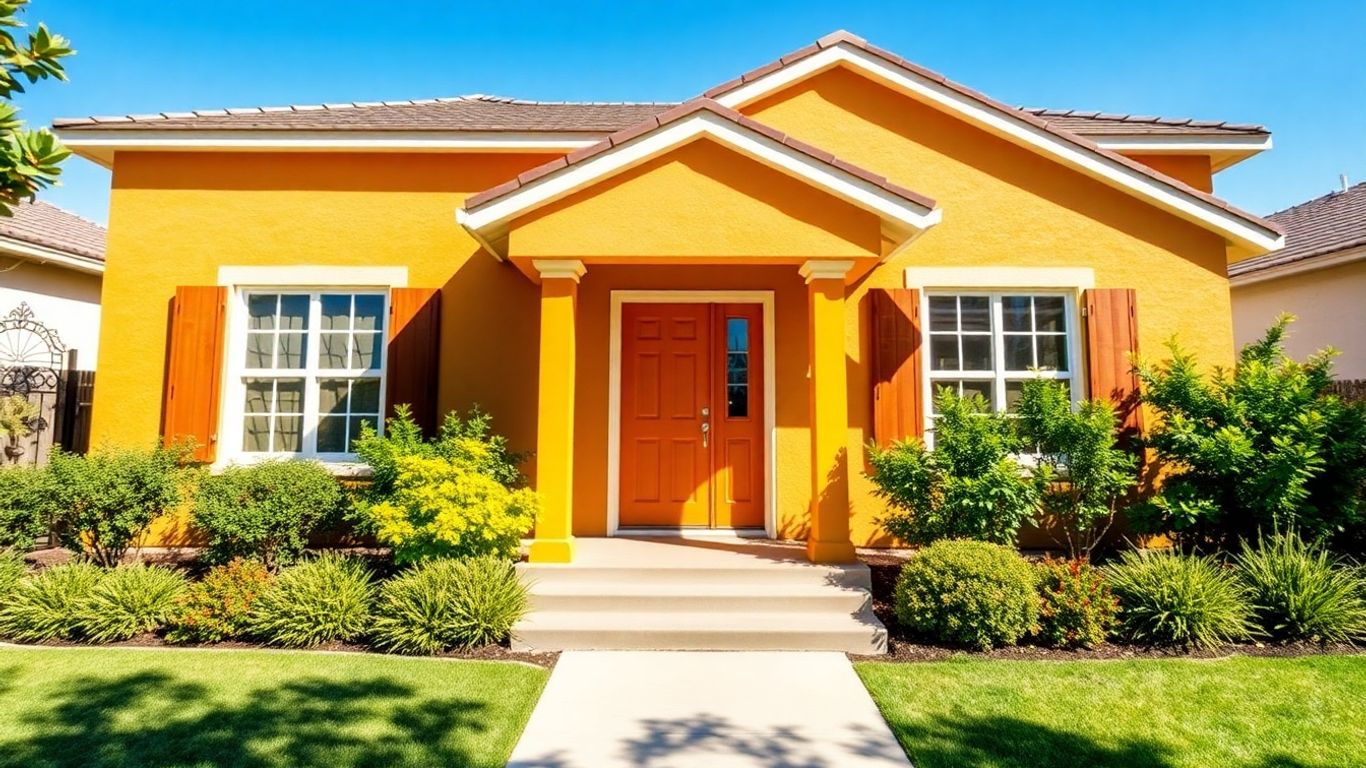
A lot of folks dread scraping, patching, or hauling out the ladder year after year. The good news is that a well-executed exterior paint job can actually take a big bite out of your future to-do list. Choosing the right paint and application can stretch the time between major repairs or repainting by several years.
Choosing Durable, Long-Lasting Paints
Not all paint is created equal. Modern exterior paints are engineered to stand up better to harsh sun, pounding rain, and even pests. Here are a few features to look for when choosing paint:
- UV protection to keep colors bright and prevent chalking
- Flexible binders that help paint stretch and shrink with temperature changes
- Water and mildew resistance to fight off dampness and rot
If you’re careful in picking paint and diligent about priming and surface prep, that layer really can become your home’s first line of defense. You can also check how regular paint maintenance boosts building longevity, trims repair costs, and increases energy efficiency, which are all long-term savings (appearance and protection benefits).
Decreasing the Need for Touch-Ups and Repainting
The most obvious win here? Fewer weekends wasted on repairs and repainting. Here’s what reliable paint can save you from:
- Regular flaking or peeling, which looks messy and leads to larger repairs if ignored
- Early fading, so your house doesn’t start looking worn out in only a couple of years
- Water stains and mold streaks that come from thin, low-quality paint jobs
Typical Repainting Intervals Table:
| Paint Type | Typical Lifespan (Years) |
|---|---|
| Acrylic Latex | 8 – 10 |
| Oil-Based | 6 – 8 |
| Premium Elastomeric | 12+ |
A quality job should comfortably last a decade or more with only basic cleaning or the odd small touch-up.
Saving Time and Money on Ongoing Upkeep
Putting in a little more work up front — power washing, scraping, priming, and investing in good paint — pays off in the long run:
- Lower labor costs because you’re painting less often
- Fewer materials needed for patching and repairs
- Less stress trying to keep your home looking tidy year-round
By putting in the work (and spending a bit more on sturdy paint), you’re avoiding that constant loop of patching, repainting, and fixing. That means more weekends free for things you actually enjoy, and less money slipping out of your pocket for repairs.
Personalizing Your Home’s Exterior with Lasting Results
A fresh coat of paint does more than just protect your home; it’s a real chance to shape its personality and reflect the people who live inside. Each brushstroke can say something about your tastes, your story, and even your daily mood when you come up the drive. Personalizing your exterior is about letting your character shine—and making sure that style stands the test of time.
Exploring Modern Color and Pattern Options
Picking an exterior color isn’t what it used to be. Today, you’ve got a huge palette to consider, whether you’re aiming for calm and inviting or bold and different. There’s something satisfying about seeing a color trend and knowing your home can give off exactly that vibe. Here’s what’s shaping up for 2025:
- Earthy neutrals (think Sand, Taupe, Tanbark) keep things understated, blending smoothly with landscapes.
- Warm rich tones like Mocha or Cinnamon add a cozy, luxurious feel without going overboard.
- Nature-inspired greens and blues help make your home feel serene, almost like a retreat.
- Bold pops (Dragon Fruit, Lilac) give trim, doors, or shutters lively energy when you want to stand out.
Mixing and matching these can be even easier when your surfaces are smooth and clean; for best results, always start by thoroughly cleaning, scraping, and sanding before you paint to help colors pop.
Updating Your Home’s Style Over Time
Our preferences change over the years. Sometimes, the red you loved a decade ago feels tired after a few winters. The good thing about exterior painting is how flexible it is—you can totally switch up your home’s style as trends evolve or your taste matures. Here’s how to keep your look current:
- Choose timeless base colors that allow for quick accent updates.
- Change up trim and door colors every five to seven years to follow trends.
- Don’t be afraid to use modern pattern techniques, like color blocking or creative stenciling, for visual impact.
A home’s exterior should feel welcoming today, but also be adaptable for tomorrow’s styles and color trends.
Ensuring Lasting Vibrancy with Quality Paint
Not all paints stand up to the sun, rain, and wild temperature swings. Modern high-performance paints are engineered with advanced resins and binders so your chosen color keeps its punch for many years. Here’s a quick comparison:
| Paint Type | Typical Lifespan | Fade Resistance | Cleaning Required |
|---|---|---|---|
| Standard Exterior | 4–6 years | Moderate | Often |
| Premium Exterior | 8–12 years | High | Minimal |
- Go for the best quality you can afford; it means less fading and fewer touch-ups.
- Check that paint contains additives to resist mildew, staining, or chalkiness.
- Follow recommended prep—scraping and sanding matter as much as the brand.
Don’t underestimate how much longer a well-applied, quality paint job lasts, especially when it comes to holding color and standing up to the weather. When personal style meets lasting durability, your home’s exterior really becomes yours for the long haul.
Making your home's outside look just right is easy with the help of experts. A new color or fixing things up can make your house feel more personal and last a long time. Start now to see how our services can help you get the look you want. Visit our website and let us help you make your home stand out for years to come!
Conclusion
So, after looking at all the ways exterior painting helps your home, it’s pretty clear this isn’t just about making things look nice. A good paint job is like a shield—it keeps out rain, sun, bugs, and even helps with energy bills. It can stop small problems from turning into big, expensive repairs. Plus, it gives your house a fresh look and can bump up its value if you ever want to sell. Sure, painting takes some time and money up front, but it pays off for years down the road. If you want your home to last and look good doing it, keeping up with exterior painting is one of the smartest moves you can make.
Frequently Asked Questions
How does painting the outside of my house protect it from bad weather?
Exterior paint acts like a shield for your home. It helps block sunlight, rain, and wind from hurting your siding and trim. The paint stops water from soaking into the walls, which keeps away mold and rot.
Can painting my house really make it last longer?
Yes! A good paint job keeps your siding and trim safe from things like sun, water, and bugs. This protection means your home’s materials won’t wear out as fast, so you won’t have to fix or replace them as often.
Does new exterior paint help save energy at home?
Fresh paint can help keep your house warmer in the winter and cooler in the summer. It seals small cracks and gaps, which stops air from leaking in or out. This helps your heating and cooling systems work better and can lower your energy bills.
Will painting my house increase its value?
Painting your home’s exterior can make it look brand new and more attractive to buyers. A fresh look can boost your house’s curb appeal and may even raise its selling price if you decide to move.
How does painting help me avoid expensive repairs?
When you paint your home, you or the painters can spot small problems like cracks, holes, or wood rot before they get worse. Fixing these early and sealing them with paint keeps bigger, more costly damage from happening later.
How often do I need to repaint the outside of my house?
It depends on the paint and the weather where you live, but most homes need repainting every 5 to 10 years. Using high-quality, long-lasting paint can help you go longer between paint jobs, saving you time and money.


Comments
Post a Comment