Exterior Painting: Your Home's First Line of Defense Against Harsh Weather
You know how your house just sits there, taking a beating from the weather all year round? Well, that exterior paint job isn't just for looks. It's actually your home's first line of defense against everything nature throws at it, from scorching sun to freezing rain. Think of it as a shield. When that shield starts to fade or crack, your home is left exposed to all sorts of damage. We'll break down why keeping that paint fresh is so important and what to look out for.
Key Takeaways
- Exterior paint is your home's primary shield against weather like sun, rain, wind, and temperature changes.
- A good paint job seals out water, preventing rot, mold, and damage from freeze-thaw cycles.
- Paint protects siding and surfaces from fading and becoming brittle due to UV rays from the sun.
- It helps reduce erosion from wind and debris, acting as a sacrificial layer.
- Signs like fading, peeling, or visible mold mean it's time for a repaint to maintain protection.
Exterior Paint: Your Home's Primary Shield
Think of your house's paint job as its first line of defense. It's not just about making things look pretty, though that's a nice bonus. This coating is actually working hard, day in and day out, to keep your home safe from whatever the weather throws at it. From the scorching sun to drenching rain and even the freeze-thaw cycles of winter, your exterior paint is on the front lines, protecting your biggest investment.
The Crucial Role of Exterior Paint
When you look at a house, the paint is usually the first thing you notice. But its job goes way beyond just curb appeal. A good paint job acts like a shield, preventing all sorts of problems before they even start. Without it, your home's surfaces are exposed to moisture, UV rays, and temperature changes, which can lead to damage that's expensive and a real pain to fix. It's like wearing a raincoat in a storm – you wouldn't go out without one, right? Your house shouldn't either.
Understanding Weather's Impact on Surfaces
Weather is relentless. Rain can seep into tiny cracks, leading to rot and mold, especially in wood. The sun's UV rays are strong and can break down paint and siding over time, causing fading and making surfaces brittle. Then there's the freeze-thaw cycle in colder climates: water gets into cracks, freezes, expands, and widens those cracks, causing more damage each time. Wind can also wear away at surfaces, especially if they aren't properly protected. All these things chip away at your home's integrity if it's not properly shielded.
Exterior Painting as a Protective Barrier
This is where exterior paint really shines. It creates a solid barrier that repels water, keeping it from soaking into your walls. It also has pigments that help block those damaging UV rays, keeping your siding looking good for longer. Think of it as a tough, flexible skin for your house. It's designed to withstand the elements, preventing moisture intrusion, sun damage, and erosion. A well-applied coat of paint means less worry about rot, mold, and structural issues down the road.
A quality exterior paint job isn't just about aesthetics; it's a vital layer of protection that preserves your home's structure and value against the constant assault of the elements.
Here's a quick look at what paint defends against:
- Moisture: Prevents water from penetrating siding, reducing rot and mold.
- UV Rays: Blocks damaging sunlight that causes fading and material breakdown.
- Temperature Fluctuations: Helps surfaces expand and contract without damage, especially important in areas with harsh winters.
- Wind and Debris: Offers a layer of protection against erosion from wind-driven particles.
Defending Against Water Intrusion and Damage
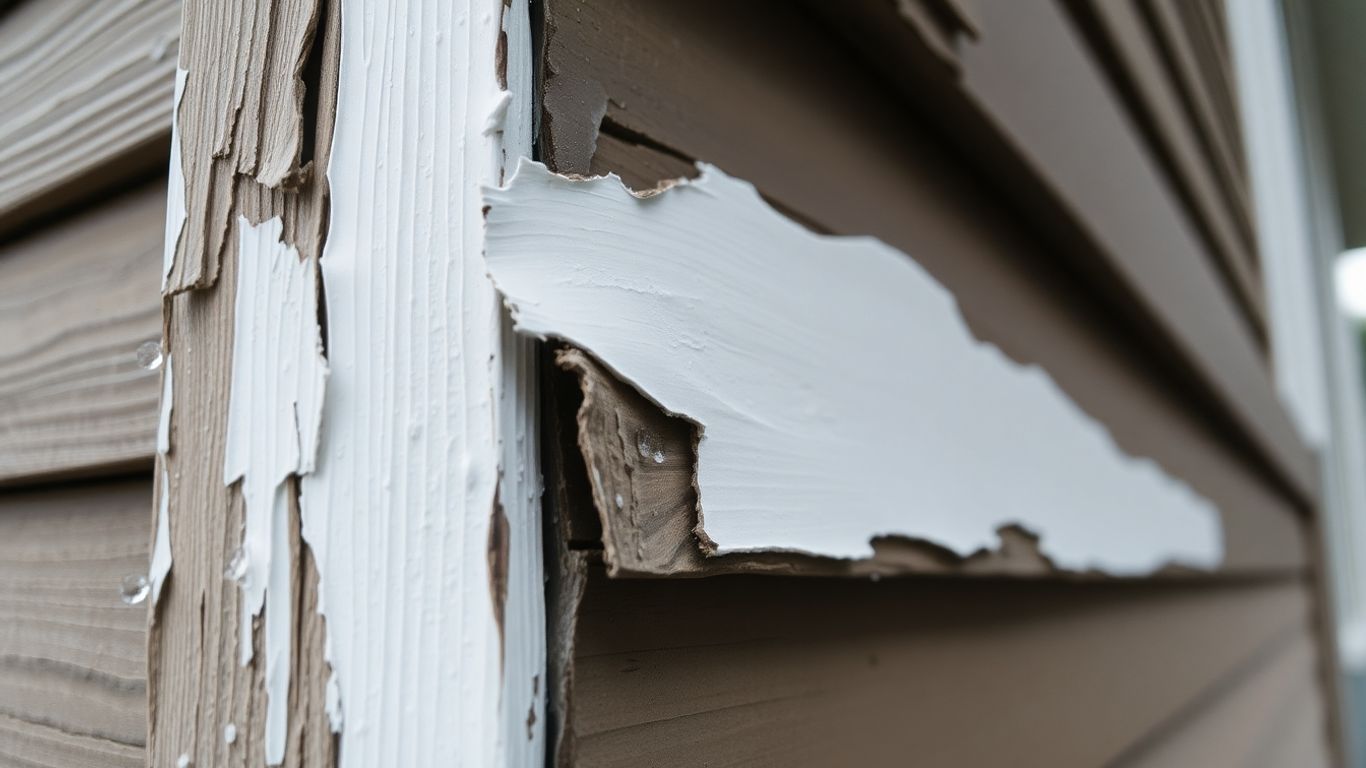
Water is a sneaky enemy when it comes to your home's exterior. It can seep into tiny cracks, get behind siding, and generally cause a whole lot of trouble if it's not kept out. That's where a good coat of paint really earns its keep.
Paint as a Waterproof Seal
Think of your exterior paint as a shield. When it's applied correctly, it creates a solid barrier that stops water from getting into the nooks and crannies of your home's surfaces. It's not just about repelling rain; it's about creating a seal that keeps moisture out. This barrier is super important because even small amounts of water getting in can lead to bigger problems down the road. It's like giving your house a good raincoat that doesn't trap moisture inside, allowing the walls to breathe a bit while still keeping the wet stuff out.
Preventing Rot, Mold, and Warping
When water gets into wood or other building materials, it doesn't just sit there. It starts to break things down. This can lead to wood rot, which weakens the structure of your home. It also creates a damp environment where mold and mildew love to grow. Nobody wants mold in their walls, right? Besides the health concerns, mold can be really tough and expensive to get rid of. For wood siding, constant moisture can also cause it to swell and warp, changing its shape and making it look bad, not to mention creating even more gaps for water to get in.
Protecting Against Freeze-Thaw Cycles
This one is a big deal, especially if you live somewhere with cold winters. When water gets into small cracks in your paint or siding, and then the temperature drops below freezing, that water turns to ice. Ice takes up more space than water, so it pushes those cracks wider. Then, when it warms up and the ice melts, more water gets in. This cycle of freezing and thawing, over and over, can really do a number on your exterior surfaces, making them brittle and causing them to break apart. A good paint job seals up those potential entry points, keeping water out and preventing this damaging cycle from happening.
The constant battle between water and your home's exterior is relentless. Without a proper paint barrier, even small amounts of moisture can initiate a cascade of damage, from unsightly mold to compromised structural integrity. Regular repainting isn't just about curb appeal; it's a proactive measure against costly repairs.
Here's a quick look at what happens when water gets a foothold:
- Wood Rot: Microorganisms break down wood fibers, weakening the material.
- Mold and Mildew: Fungal growth that thrives in damp conditions, posing health risks and aesthetic issues.
- Warping and Swelling: Materials like wood expand and contract with moisture, leading to deformation.
- Freeze-Thaw Damage: Water expands when frozen, widening cracks and causing materials to break down over time.
Sunlight's Toll and How Paint Mitigates It
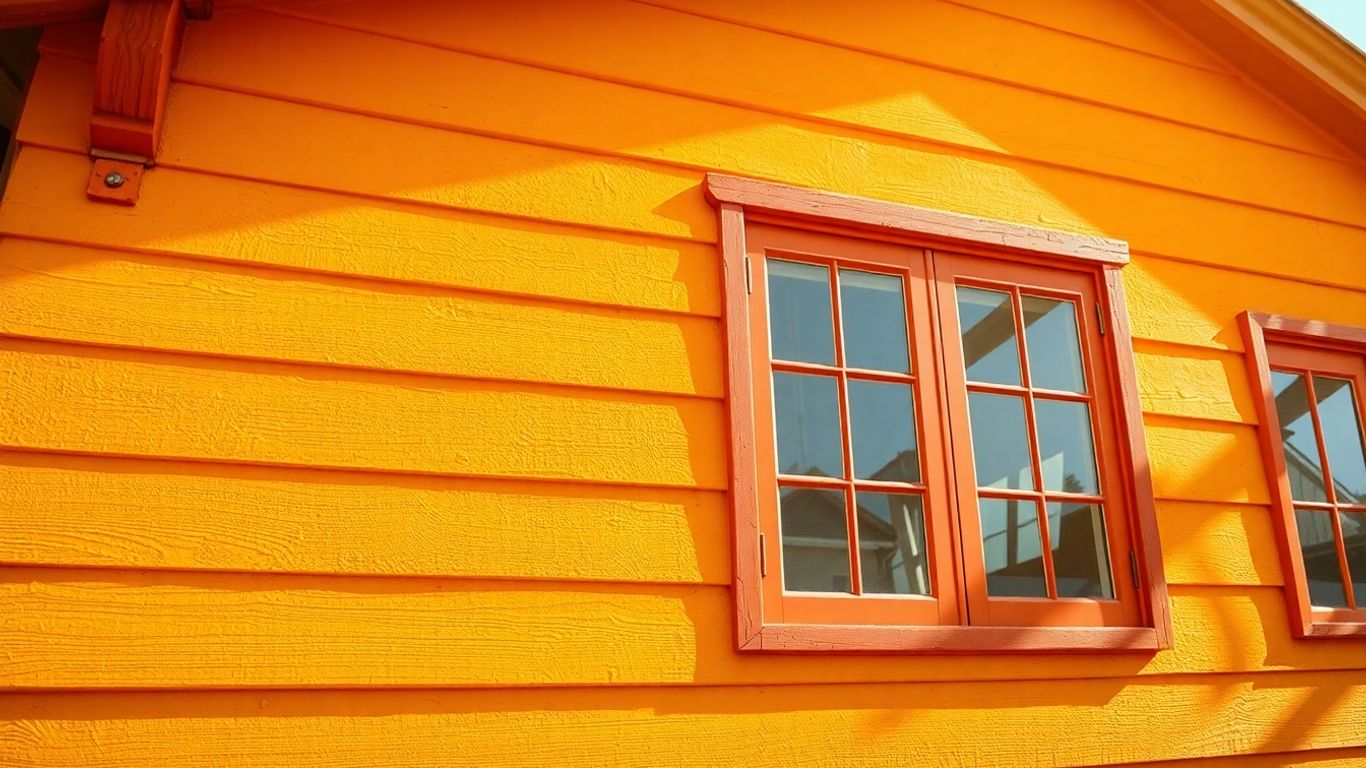
You know how the sun can really bleach out your favorite t-shirt after a summer or two? Well, your house's exterior paint goes through something similar, but way more intense. Those relentless UV rays are no joke, and they're constantly beating down on your home's surfaces. Without the right protection, your paint job can start to look pretty sad, pretty fast.
UV Rays and Paint Degradation
Think of UV rays as tiny little hammers chipping away at your paint's color and integrity. Over time, this constant bombardment breaks down the binders in the paint, the stuff that holds it all together. This leads to what we call chalking, where the paint surface turns powdery and rubs off easily. It's not just about looks, either; this breakdown makes the paint less effective at protecting the surface underneath from other weather issues.
Maintaining Vibrant Colors
Nobody wants their house to look like it's been left out in the sun for a decade. Good exterior paint has special ingredients, kind of like sunscreen for your house, that help reflect or absorb those harmful UV rays. This means your paint color stays brighter and truer for much longer. It's a big difference, especially if you've picked out a really nice shade you want to keep.
Here's a quick look at how different colors handle the sun:
| Color Type | Light Reflectance Value (LRV) | Heat Absorption | Best For |
|---|---|---|---|
| Light Colors (White, Beige, Light Gray) | High (70-100) | Low | Hot, sunny climates |
| Medium Colors (Pastels, Muted Tones) | Medium (40-69) | Moderate | Moderate climates |
| Dark Colors (Navy, Forest Green, Black) | Low (0-39) | High | Cooler climates, areas needing heat absorption |
Protecting Siding from Sun Damage
It's not just the paint itself that suffers. When paint starts to break down from sun exposure, the siding underneath is left vulnerable. This can lead to fading, drying out, and even cracking of materials like wood or vinyl. A well-maintained paint job acts as a shield, keeping the underlying material sound and preventing costly repairs down the road. It's about preserving the whole structure, not just the surface layer.
The sun's energy is powerful. While we often think about how it affects our skin, its impact on our homes is significant too. The right paint formulation can significantly reduce the damage caused by prolonged sun exposure, helping your home maintain its appearance and structural integrity for years to come.
Shielding Against Wind and Debris
Wind might not seem like a big deal compared to a hurricane, but over time, it can really wear down your home's exterior. Think of it like a constant, gentle sandblasting, especially if there's dirt or grit carried on the breeze. A good coat of paint acts like a tough skin for your house, taking that beating so your siding doesn't have to. It helps slow down the erosion that happens little by little, keeping your home looking good for longer.
Reducing Surface Erosion
Constant wind, even if it's not gale-force, can pick up tiny particles of dust and sand. When these hit your home's surface, they can slowly chip away at the material, especially if it's unpainted wood or older siding. This erosion might not be obvious day-to-day, but over years, it can make surfaces look dull and worn. A solid paint job creates a smoother, harder surface that these particles have a harder time sticking to and wearing down. It's like putting a protective film over your house that can handle a bit of a rub.
Paint as a Sacrificial Layer
When we talk about a
Choosing the Right Paint for Climate Resilience
Picking the right exterior paint isn't just about making your house look good; it's about giving it a fighting chance against whatever the weather throws at it. Different areas have different challenges, and the paint you choose needs to be up for the job. Think of it like dressing for the weather – you wouldn't wear shorts in a blizzard, right? Your house needs the right
Signs Your Home Needs Exterior Repainting
Your home's exterior paint does more than just make it look pretty. It's actually a shield, protecting your house from all sorts of weather. But like any shield, it can get worn down. So, how do you know when it's time for a refresh? Your house will give you some pretty clear signals if you know what to look for.
Fading and Chalking Paint
One of the first things you might notice is that the color just isn't as bright as it used to be. Sunlight, especially those strong UV rays, can really break down the pigments in paint over time. This leads to fading, making your house look tired. You might also notice a powdery residue, almost like chalk, when you run your hand over the siding. This is called chalking, and it means the binder in the paint, the stuff that holds it all together, is starting to break down. When you see this, the paint isn't just losing its looks; it's losing its power to protect your home.
Peeling and Cracking Surfaces
This is a more serious sign. If you see paint flaking off in large sections or developing little lines and cracks, it's a big warning. Peeling often happens when moisture gets trapped behind the paint. The paint tries to escape, and off it goes. Cracking usually means the paint has lost its flexibility. This can happen from extreme temperature changes, like hot summers followed by freezing winters. Both peeling and cracking leave your home's surfaces exposed to water, which can lead to rot and other damage.
Visible Mold or Wood Rot
Sometimes, the paint is failing so badly that moisture has already made its way in. If you start seeing patches of green or black mold growing on your exterior walls, or if you notice areas of wood that look soft, discolored, or crumbly, that's a major red flag. This means water has been getting in and causing damage. Wood rot can weaken the structure of your house, and mold isn't good for your health either. If you spot these issues, it's time to act fast before the problem gets worse.
Don't wait until you see major damage. Regular checks of your home's exterior paint can save you a lot of trouble and money down the road. Think of it like a regular check-up for your house.
The Science Behind Protective Exterior Coatings
Ever wonder what makes a good exterior paint job so effective? It's not just about picking a pretty color – there's some real science at play that helps keep your house safe from the weather. Think of it as your home's personal bodyguard, but made of chemicals and pigments.
Moisture Barrier Properties
One of the biggest jobs exterior paint has is keeping water out. When rain hits your house, you don't want it soaking into the wood or siding. Quality paint creates a barrier that repels liquid water. But here's the tricky part: your house also needs to 'breathe' a little. Trapped moisture inside can cause problems like mold and rot. So, good exterior paints are designed to be waterproof on the outside but still allow small amounts of water vapor from inside your home to escape. It's like a high-tech raincoat that keeps you dry from the rain but lets your sweat escape so you don't get clammy.
UV Resistance and Pigment Technology
Sunlight, especially the ultraviolet (UV) rays, can be really harsh on your home's exterior. Over time, these rays can break down the paint, making it fade, chalky, and weak. Modern exterior paints use special pigments and additives that act like sunscreen for your house. These ingredients absorb or reflect UV radiation, protecting the paint itself and the surface underneath from sun damage. Different pigments have different abilities to handle UV light, which is why some colors might fade faster than others, even with the same type of paint.
Temperature Regulation Through Paint
Believe it or not, the color and type of paint on your home can actually affect its temperature. Lighter colors tend to reflect more sunlight and heat, which can help keep your house cooler during hot summer months. This can mean less work for your air conditioner and potentially lower energy bills. On the flip side, darker colors absorb more heat. Some advanced paints even contain special additives, like ceramic microspheres, that can add a bit of insulating value, helping to keep heat out in the summer and in during the winter. It's a subtle effect, but over time, it can make a difference in your home's comfort and energy use.
Here's a quick look at how different paint properties help:
- Water Repellency: Stops liquid water from getting in.
- Vapor Permeability: Lets moisture vapor escape from inside.
- UV Absorbers/Reflectors: Protects paint and siding from sun damage.
- Pigment Stability: Keeps colors from fading too quickly.
- Reflectivity (Albedo): Affects how much heat the surface absorbs or reflects.
The chemistry in exterior paints is pretty sophisticated. It's a blend of binders (the stuff that holds it all together), pigments (for color and UV protection), and additives that give it specific properties like mildew resistance or flexibility. Choosing the right paint means looking at what's in the can and how it matches your home's needs and your local climate.
Ever wonder what makes paint stick and protect your home's exterior so well? It's all about the science! These special coatings use clever ingredients to fight off weather, sun, and wear. They create a tough shield that keeps your house looking great for years. Want to learn more about how these amazing paints work and find the best options for your home? Visit our website today to explore the science behind protective exterior coatings!
Your Home's Best Defense
So, really, that coat of paint on your house is doing a lot more than just making it look nice. It's like a shield, standing up to the sun, rain, wind, and all that other stuff the weather throws at it. Skipping out on painting or using the wrong kind can mean bigger problems down the road, like water damage or wood rot, and nobody wants that. Taking care of your exterior paint is a smart move, plain and simple. It keeps your home looking good, protects your investment, and saves you headaches later on. Think of it as giving your house a good, solid hug against the elements.
Frequently Asked Questions
Why is exterior paint so important for a house?
Exterior paint is like your house's shield! It's the very first thing that protects your home's walls and surfaces from bad weather, like rain, sun, wind, and snow. Without it, your house can get damaged much faster.
How does paint help stop water damage?
Good paint creates a seal, kind of like a waterproof jacket. It stops rain and moisture from soaking into the wood or siding. This prevents things like rot, mold, and warping, which can be really expensive to fix later on.
Can paint protect my house from the sun?
Yes, it can! The sun's rays, called UV rays, can make paint fade and surfaces weak over time. Special ingredients in exterior paint help block these rays, keeping your house looking good and the siding underneath from getting damaged.
What happens if my paint starts peeling or cracking?
Peeling or cracking paint is a big warning sign! It means the paint is losing its ability to protect your home. Moisture might be getting trapped underneath, or the paint has become too stiff. This is when your house is most at risk for bigger problems like rot.
Does the type of paint really matter for different weather?
Absolutely! Some paints are made for really hot and sunny places, while others are better for areas with lots of rain or freezing cold. Choosing a paint made for your specific weather helps it last longer and protect your house better.
How often should I repaint my house?
It depends on the weather where you live and the quality of the paint. Usually, you might need to repaint every 5 to 10 years. But if you start seeing fading, peeling, or cracks, it's a good idea to get it done sooner to keep your home protected.


Comments
Post a Comment