Drywall Installation vs. Replacement: Making the Right Choice for Your Home
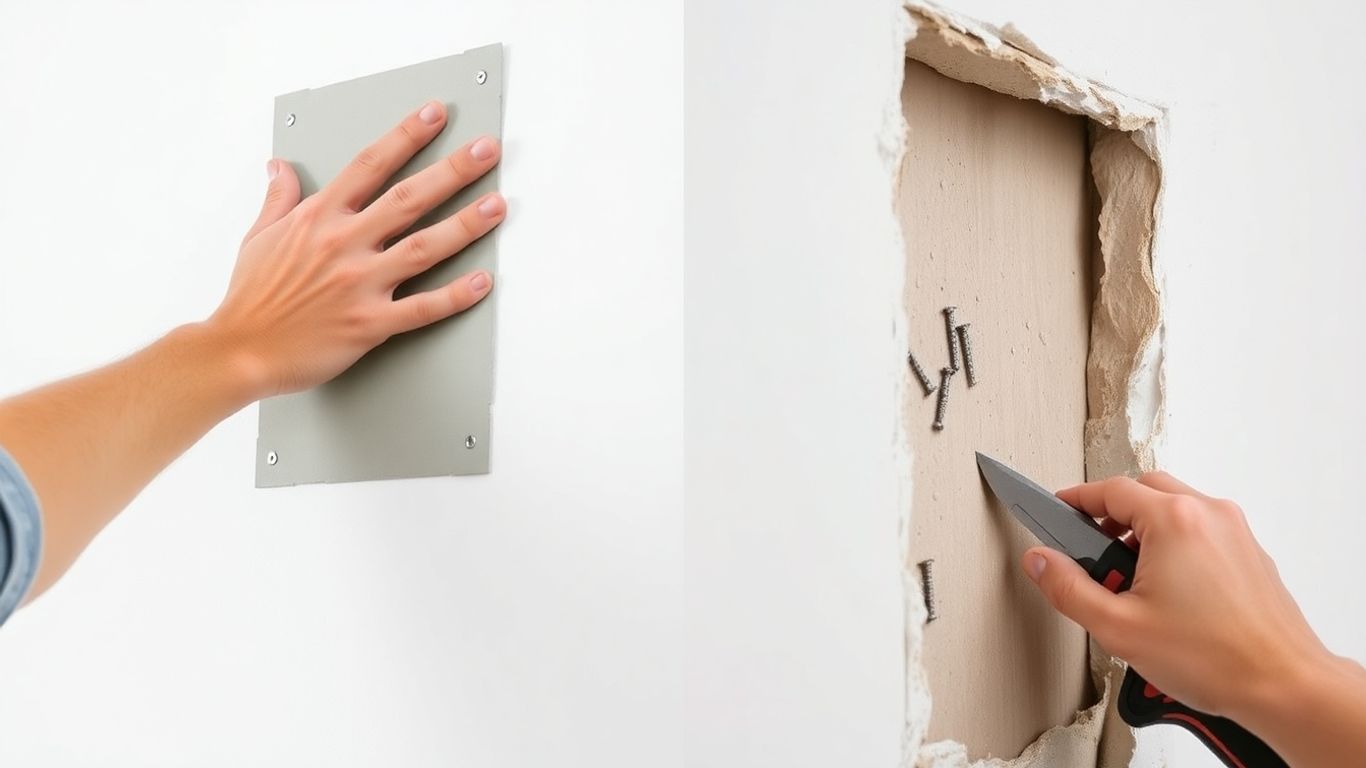
Drywall is a big part of how your home looks and feels. It makes walls smooth and complete. But over time, things happen – accidents, moisture, or just wear and tear can cause damage. When that happens, you've got two main choices: fix it up or replace it. Figuring out which is the best way to go isn't always simple. It really depends on how bad the damage is, what's causing it, and what you want for the future. This guide will help you think through Choosing Between Drywall Installation or Replacement so you can make the right call for your place.
Key Takeaways
- Minor drywall damage like small holes or dents can usually be fixed with simple repairs, saving you time and money.
- Widespread water damage, large holes, or signs of mold often mean you need to replace the drywall section entirely for safety and durability.
- DIY drywall projects can save money and build skills, but they demand time, patience, and can be tricky for beginners, especially with complex tasks.
- Hiring professionals ensures quality work, especially for large jobs or when building codes are involved, but it comes at a higher cost.
- Consider the extent of the damage, your budget, timeline, and long-term goals to decide if repair or replacement is the best fit for your home.
Understanding Drywall Damage: Repair or Replace?
When you notice something's not quite right with your walls or ceilings, the big question pops up: can this be fixed with a patch, or is it time for a whole new sheet of drywall? It's not always an obvious answer, and honestly, it can feel a bit overwhelming trying to figure it out. Lots of things play into the decision, like how bad the damage really is, what caused it in the first place, and if this kind of problem might just pop up again down the road. Knowing the difference between a simple fix and a full-on replacement is key to keeping your home looking good and, more importantly, staying solid.
When Minor Damage Calls for Repair
Most of the time, little dings, scuffs, or small holes from hanging pictures aren't the end of the world for your drywall. These are usually just cosmetic issues that happen from everyday life – bumping into walls with furniture, or just the general wear and tear that walls go through. For these kinds of problems, a bit of spackle or joint compound, followed by some sanding and a fresh coat of paint, is usually all it takes to make the wall look like new again. It's a pretty straightforward fix, doesn't cost a ton, and you can get it done pretty quickly.
Here are some common signs that a repair might be your best bet:
- Small holes: Think nail holes from artwork or minor dents from furniture.
- Hairline cracks: These often appear near corners or where two pieces of drywall meet.
- Surface scuffs and scratches: Light damage from everyday bumps and scrapes.
Sometimes, a small repair can make a huge difference in how a room feels. It's amazing what a little bit of patching and paint can do to refresh a space without a massive overhaul.
Signs That Point Toward Full Replacement
On the flip side, some damage is just too much for a simple patch. If you're dealing with bigger issues, it's usually smarter to just replace the affected section, or maybe even the whole sheet. This is especially true if the damage is widespread or if it looks like it might be a sign of a bigger problem lurking underneath.
Consider replacement if you see:
- Large holes: Anything bigger than a dinner plate, or holes that have jagged edges.
- Significant cracks: Especially if they run across a large area or seem to be getting bigger.
- Sagging or warped drywall: This can indicate moisture issues or structural problems.
Assessing Water Damage and Mold Concerns
Water damage is a tricky one. A small, isolated spot from a minor leak that dried up quickly might be repairable, but you have to be sure there's no lingering moisture or mold. If the drywall feels soft, looks discolored, or if you see any signs of mold growth – even a little bit – it's almost always better to replace that section. Mold can spread and cause health problems, and water can weaken the drywall and the wall structure behind it. Dealing with mold is a serious matter, and replacement is often the safest route. You'll want to find out exactly where the water came from and fix that problem first, of course, before putting up any new drywall.
The DIY Drywall Dilemma
So, you're thinking about tackling that drywall project yourself? It's a common thought for many homeowners looking to save a buck or just get their hands dirty with a new home improvement challenge. And hey, for smaller jobs, it can totally be doable. But before you grab that utility knife and a bag of joint compound, let's have a real chat about what's involved.
Advantages of Tackling Drywall Yourself
There's definitely a certain satisfaction that comes with finishing a project with your own two hands. For starters, the most obvious perk is the potential cost savings. You're cutting out the labor fees, which can add up, leaving you with more cash for better materials or maybe even a celebratory pizza afterward. Plus, you get to set your own schedule. No need to rush; you can work on it whenever you have free time, whether that's a few hours on a Saturday or chipping away at it over a couple of weekends. It's also a fantastic way to learn new skills. If you've never done it before, successfully hanging, taping, and finishing drywall can give you a real confidence boost for future home repairs.
Common Challenges and Pitfalls of DIY
Now, for the reality check. While tutorials make it look easy, drywall can be surprisingly tricky. Cutting sheets to fit around outlets and windows without making a mess takes practice. Then there's the mudding and taping. Getting those seams perfectly smooth and invisible is an art form. Many DIYers end up with uneven surfaces or visible tape lines that are even more noticeable once you paint. Sanding is another area where things can go wrong, leading to dust everywhere and a less-than-perfect finish. If you're dealing with anything beyond a small patch, like a whole ceiling or a large wall, the time commitment can balloon quickly. What a pro might do in a day or two could easily stretch into weeks for a beginner, and mistakes can end up costing more to fix than hiring someone would have in the first place.
Skill Development Through Home Projects
Even if your first attempt isn't magazine-cover perfect, the experience itself is a win. You'll learn how to measure twice (or maybe three times!) and cut once. You'll get a feel for how much joint compound to apply and how to feather it out. These are practical skills that can serve you well down the line, whether it's for another drywall repair or a different home project. Think of it as an investment in your own capabilities. You might even discover you have a knack for it! For those looking to get a head start on understanding the basics, checking out resources on drywall repair can be a good first step.
The biggest hurdle for many DIYers isn't the physical labor, but the patience required for the finishing stages. Mudding and sanding demand a steady hand and a keen eye for detail, and rushing these steps almost always leads to a less-than-ideal outcome.
When to Call in the Professionals
Look, sometimes you just gotta admit defeat. While DIY projects can be super rewarding, there are definitely times when calling in the pros makes way more sense. Trying to tackle something beyond your skill level can end up costing you more time and money in the long run, not to mention the headache. For anything complex or large-scale, hiring an expert is usually the smartest move.
Large Projects and Specialty Drywall Needs
If you're looking at redoing a whole room, or maybe even your entire house, that's a big job. We're talking about hanging and finishing a lot of sheets, which takes serious time and a good amount of physical effort. Plus, some drywall isn't just your standard stuff. You might need special fire-rated boards for certain areas, or maybe you're dealing with curved walls that need a specific kind of treatment. These aren't your everyday fixes, and professionals have the gear and the know-how to handle them without making a mess.
Navigating Building Codes and Permits
This is where things can get tricky fast. If your drywall work involves structural changes, electrical work nearby, or anything that could affect your home's safety, you might need permits. Building codes are there for a reason, and getting them wrong can lead to big problems down the road, like failing an inspection or having to rip everything out and start over. Professionals are familiar with these rules and can make sure the job is done right the first time, so you don't have to worry about any legal or safety issues.
Ensuring Expertise for Flawless Finishes
Let's be honest, getting that perfectly smooth, seamless finish on drywall is an art. It takes practice to get the taping just right, to apply the mud evenly, and to sand it down without creating low spots or ridges. If you're aiming for a professional look, especially if you plan to paint or wallpaper right after, any imperfections will really show. Professionals have spent years honing these skills. They know how to make joints disappear and how to get that surface ready for paint so it looks like it was never even touched.
Sometimes, the biggest savings come from avoiding costly mistakes. Professionals have the experience to prevent common errors that can turn a simple repair into a much bigger, more expensive project.
Weighing the Costs and Time Investment
Okay, so you've got a better idea of what's wrong with your drywall and whether you're leaning towards a quick fix or a full overhaul. Now, let's get real about what this is actually going to cost you and how long it's going to take. Because, let's face it, nobody wants a project that drags on forever or blows up their budget.
Repair vs. Replacement: A Cost Breakdown
When it comes to patching up small holes or cracks, the costs are usually pretty manageable. You're mainly looking at the price of joint compound (that's the "mud"), some tape, and maybe a new sanding sponge. If you already have some basic tools, you might be looking at under $50 for a minor repair. Replacing a whole sheet or a larger section? That's where the costs start to climb. You'll need to buy new drywall sheets, which can run anywhere from $10 to $20 each, depending on the type and size. Plus, you'll need more compound, tape, and potentially screws or nails. If you're doing it yourself, the material cost for a larger repair could easily hit $100-$200. Hiring someone to do it? That's a whole different ballgame. Professionals often charge by the square foot, and you could be looking at $1.50 to $3.50 per square foot, plus material markups. So, a big job that a pro handles might cost you $500 or more.
| Task | DIY Material Cost (Estimate) | Professional Cost (Estimate) |
|---|---|---|
| Small Patch Repair | $10 - $30 | $100 - $250 |
| Replacing One Sheet | $50 - $100 | $200 - $400 |
| Large Section Replacement | $100 - $200+ | $500 - $1500+ |
Time Commitment for DIY Versus Professional Work
This is where things can get really different. A simple patch job? You might be able to knock that out in an afternoon, maybe a couple of hours if you're quick and don't mess up the sanding. But if you're replacing a big section, especially if you've never done it before, be prepared for it to take a weekend, or even longer. You've got to measure, cut, hang, tape, mud (often multiple coats), sand, and then prime. Each step takes time, and drying time between mud coats can add hours. Professionals, on the other hand, are usually much faster. They've got the experience and the right tools to get the job done efficiently. A large replacement that might take you a weekend could be a day or two for a skilled crew.
- DIY: Expect to spend significant time learning, practicing, and executing each step. Drying times alone can stretch a single day's work into multiple calendar days.
- Professional: They work quickly and efficiently, often completing jobs in a fraction of the time a DIYer would need.
- Disruption: Consider how long you can live with dusty walls and the general mess that comes with drywall work. A faster professional job means less disruption to your daily life.
Long-Term Financial Implications
Sometimes, the cheapest option upfront isn't the cheapest in the long run. If you try to patch up severe water damage yourself without addressing the source, you might end up with mold or the same damage reappearing a few months later. That means you'll have to pay for the repair again, plus potentially deal with bigger issues. Replacing drywall, especially if it's old or damaged, gives you a fresh start. It can also be an opportunity to add better insulation or soundproofing, which could save you money on energy bills or improve your home's comfort down the line. Investing in a proper replacement now can prevent more costly problems later.
While the initial cost of professional work might seem high, it often translates to better quality and fewer headaches. A botched DIY job can end up costing more in the long run when you have to hire someone to fix your mistakes or deal with recurring issues. Think about the peace of mind that comes with knowing the job was done right the first time.
Making the Informed Decision
Evaluating Your Project's Scope
So, you've looked at the damage, maybe even tried a little patch job yourself, and now you're trying to figure out the best way forward. The first thing to really nail down is just how big of a job this is. Are we talking about a small ding from a door knob, or is it a whole wall that looks like it went through a wrestling match? For little things, a quick patch and some paint usually does the trick. But if you've got large holes, cracks that spiderweb across the surface, or if water has really soaked in and caused the material to sag or crumble, you're probably looking at replacing sections, if not the whole thing. Think about the cause too – was it just an accident, or is it a sign of a bigger issue like a leaky pipe or foundation settling? That can change everything.
Considering Your Budget and Timeline
Let's be real, money and time are usually the biggest factors. Patching up a few small spots is way cheaper and faster than tearing out and replacing a whole room's worth of drywall. A small repair might take you an afternoon, maybe a weekend if you're taking your time. Replacing a whole room? That could easily be several days of work, plus drying time for the mud. If you're on a tight budget, repairs are the obvious choice. But sometimes, trying to fix something that's really beyond repair can end up costing you more in the long run if it doesn't hold up. If you need it done fast, hiring pros is usually the way to go, though it costs more upfront.
The Value of Professional Assessment
Sometimes, you just need a second pair of eyes, especially if you're not super handy. A professional drywall contractor can walk in, take a look at the damage, and give you a straight answer about whether a repair is feasible or if replacement is the only real option. They've seen it all, so they can spot issues you might miss, like hidden mold or structural problems. They can also give you a realistic quote for both time and cost, which helps a ton when you're trying to plan. Plus, if your project involves things like special soundproofing or fire-rated drywall, they're the ones who know how to handle it properly and make sure it meets any building codes.
Don't underestimate the power of a good assessment. It can save you headaches, money, and a whole lot of frustration down the road by helping you make the right call from the start.
Making the Informed Decision
Choosing the right painting and repair service is a big step. We want to make sure you feel confident in your choice. Our team is dedicated to providing top-notch service, from the first consultation to the final brushstroke. Ready to give your home a fresh new look? Visit our website today to learn more about our services and how we can help you achieve your vision.
Making the Right Choice for Your Home
So, when it comes down to it, deciding whether to patch up that ding in your wall or go for a full drywall replacement really depends on what's going on. For little nicks and holes, a quick fix usually does the trick and saves you some cash. But if you're dealing with bigger problems, like water damage that's spread out or cracks that look serious, it might be smarter to just replace the whole section. Think about how much time and money you want to spend, and what you want the end result to look like. Sometimes, calling in a pro is the best way to make sure the job's done right and lasts for years to come.
Frequently Asked Questions
When should I repair my drywall instead of replacing it?
You should consider repairing your drywall if the damage is small, like minor dents, nail pops, or small cracks. Patching these areas with joint compound and then sanding and painting is usually enough to make them look good again. It's a good option when the wall is still strong and the problem is just on the surface.
What are the signs that tell me I need to replace my drywall?
You'll likely need to replace your drywall if there are large holes, widespread water stains, or signs of mold. If the drywall feels soft or crumbly, or if cracks are very large or spreading, it's a strong indicator that replacement is the better, safer choice.
Is it cheaper to repair or replace drywall?
Generally, repairing small damages to drywall is cheaper upfront than replacing entire sections. However, if a repair doesn't fix the underlying issue or if the damage is extensive, replacing it might be more cost-effective in the long run to avoid repeated repairs.
How long does it take to repair or replace drywall?
Repairing minor drywall damage can often be done in a few hours. Replacing larger sections or entire sheets takes longer, possibly a few days, depending on the size of the area and how many coats of mud and sanding are needed.
Can I do drywall repair myself, or should I hire someone?
For very small jobs like patching nail holes, many homeowners can tackle it themselves. However, larger repairs, especially those involving water damage, large holes, or if you want a perfectly smooth finish, are often best left to professionals who have the tools and experience.
What are the risks of doing DIY drywall installation?
DIY drywall installation can be tricky. You might struggle with cutting the sheets correctly, getting the mudding and taping smooth, or achieving a seamless finish. Mistakes can lead to extra costs and time to fix, and sometimes the final result might not look as good as a professional job.


Comments
Post a Comment