Drywall Installation or Replacement: The Subtle Home Upgrade That Makes a Big Difference
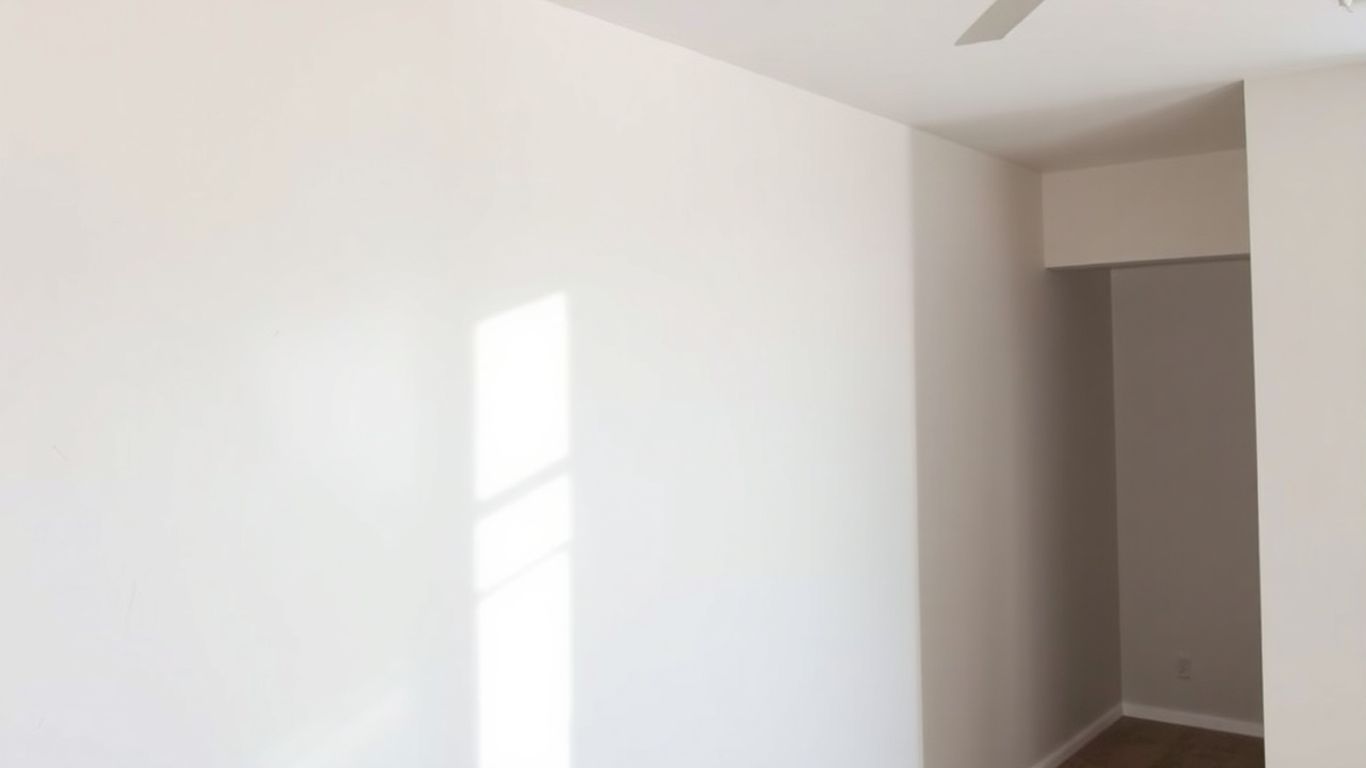
You know, we all want our homes to look good. We spend time picking out paint colors, furniture, maybe even some fancy light fixtures. But there's this one thing that's kinda behind all of it, and it's drywall. It's not super exciting, I get it. But when it's done right, it makes everything else look so much better. And when it's not? Well, you notice that too. This article is all about that unsung hero, Drywall Installation or Replacement: The Home Upgrade Nobody Talks About but Everyone Notices.
Key Takeaways
- Drywall is the basic surface for most interior walls and ceilings, setting the stage for your home's look and feel.
- Proper taping, mudding, and finishing are key to a smooth, professional appearance that makes paint and decor pop.
- Drywall works with insulation to keep your home comfortable and quiet, saving on energy bills.
- Cracks, soft spots, or damage mean your drywall might need repair or replacement to keep your home looking its best.
- Choosing the right professionals for drywall work means looking for experience, clear communication, and local know-how.
The Foundation Of Your Home's Aesthetic

When you think about how a house looks and feels, the walls and ceilings play a huge part. They're not just barriers; they're the canvas for everything else. The surfaces inside your home, especially the drywall, really set the tone for the entire space. It's kind of like the backdrop for your life, you know? Whether you're going for a cozy vibe or something more modern, the walls have to be right.
Drywall's Role In Interior Design
Drywall is pretty much the standard for interior walls and ceilings these days. It's a big sheet of gypsum plaster sandwiched between two layers of paper. Why is it so popular? Well, it's relatively cheap, easy to put up, and gives you a nice, smooth surface to work with. This smooth surface is key because it lets paint, wallpaper, or other finishes really shine. Without it, your rooms would look unfinished and rough. It's the quiet workhorse that makes a room feel complete and ready for you to add your personal touch.
Seamless Surfaces And Spatial Definition
Good drywall installation means you get those clean lines and flat surfaces that make rooms feel bigger and more open. When the joints between the drywall sheets are taped and mudded properly, and then sanded smooth, you get a wall that looks like one solid piece. This lack of visual interruption helps define the space clearly. It makes a room feel more intentional and less cluttered. Think about it: a room with bumpy, uneven walls just feels smaller and a bit off, doesn't it? It can make furniture placement tricky too.
Beyond Basic Walls: Design Features
Drywall isn't just for flat walls. You can shape it into all sorts of things. Architects and designers use drywall to create:
- Cove lighting: Recessed areas in the ceiling or walls that hide light fixtures, giving a soft, indirect glow.
- Built-in shelving and niches: Creating custom storage or display areas right into the wall structure.
- Arched doorways and rounded corners: Adding softer, more decorative architectural details instead of sharp angles.
- Tray or coffered ceilings: Adding dimension and visual interest overhead.
These features, all made possible with drywall, can really change the feel of a room, making it look more custom and high-end. It shows that drywall is more than just a covering; it's a building material that allows for creative expression in home design.
Crafting Visual Appeal With Finishing Touches
Once the drywall sheets are up, the real magic starts to happen. This is where the surface goes from being just a barrier to becoming a canvas. It’s all about the details that make a room feel complete and polished.
The Art Of Taping And Mudding
This is the stage where all those drywall seams and screw holes disappear. It involves applying joint tape and multiple layers of joint compound, often called 'mud'. Each layer needs to dry and then be sanded smooth before the next is applied. Getting this part right is super important because any bumps or dips will show up later, especially when the light hits the wall. It takes a steady hand and a good eye to make these joints invisible. Professionals often do this in stages, allowing for proper drying times and meticulous sanding between coats.
Achieving Desired Textures And Finishes
After the taping and mudding are done and sanded smooth, you have a decision to make about the surface texture. You can go for a perfectly flat, smooth finish, which is great for modern looks and makes painting easier. Or, you can opt for a textured finish. Common textures include:
- Orange Peel: A light, bumpy texture that hides minor imperfections well.
- Knockdown: Similar to orange peel but with the high spots flattened slightly, giving a more varied look.
- Popcorn: A heavier, more pronounced texture, often seen on ceilings, which can help with sound absorption.
Each texture affects how light plays on the walls and can hide small flaws that might appear over time. The choice often depends on the room's style and how much maintenance you're willing to do.
The finish you choose for your drywall isn't just about looks; it impacts how the room feels. A smooth finish can make a space feel larger and brighter, while a texture can add warmth and depth. It's a subtle choice that makes a big difference in the overall atmosphere of your home.
Ceilings That Enhance Space And Sound
Ceilings are often the largest uninterrupted surface in a room, and how they're finished can really change the feel of a space. A simple, smooth drywall ceiling can make a room feel taller and more open. However, textures, especially on ceilings, can be really useful. They help to diffuse light, making it softer, and they can also absorb sound. This is particularly helpful in rooms where you want to reduce echo, like a home theater or a playroom. Sometimes, people even use different ceiling finishes or dropped ceiling elements to define zones within a larger open-plan area, adding both visual interest and acoustic benefits.
The Functional Partnership Of Insulation And Drywall
When we talk about making a house comfortable and energy-efficient, we often focus on the big stuff like windows or heating systems. But there's a dynamic duo working behind the scenes that makes a huge difference: insulation and drywall. They really do work hand-in-hand to keep your home feeling just right, no matter what the weather's doing outside.
Improving Thermal Efficiency
Think of insulation as your home's cozy blanket. It's designed to slow down heat transfer, meaning it keeps the warm air in during the winter and the cool air in during the summer. Drywall, on the other hand, acts as the protective layer that seals this insulation in place. Without proper drywall, insulation can't do its job effectively, leading to drafts and higher energy bills. When installed correctly, this combination creates a more stable indoor temperature, reducing the workload on your HVAC system. This means less energy used and more money saved. It's a pretty smart setup when you consider how much time we spend inside our homes.
Sound Control Within Your Home
Beyond just temperature, this pairing is also a big player in keeping your home peaceful. Insulation, especially denser types, absorbs sound waves. This means less noise traveling between rooms or from the outside world into your living space. Drywall adds another layer to this sound dampening effect. The way the drywall is installed, taped, and finished can impact how much sound gets through. For example, thicker drywall or specialized sound-dampening drywall can offer even better acoustic performance. It’s a subtle but significant benefit, especially if you have noisy kids, a home office, or just appreciate a bit of quiet.
Choosing The Right Insulation For Your Needs
Not all insulation is created equal, and the type you choose can affect how well it works with your drywall. Here’s a quick look at some common options:
- Batt Insulation: This is the most common type, made of fiberglass or mineral wool. It fits between wall studs and joists and is relatively easy to install before the drywall goes up. It's a good all-around choice for most residential applications.
- Spray Foam Insulation: This expands when applied, filling every nook and cranny. It creates an excellent air seal, which is fantastic for preventing drafts and moisture issues. It's often used in new construction or major renovations.
- Blown-in Insulation: This loose-fill material, often cellulose or fiberglass, is blown into wall cavities or attics. It's great for filling irregular spaces and can be a good option for retrofitting older homes. It helps to create a better building envelope.
The synergy between insulation and drywall is often underestimated. While insulation provides the thermal and acoustic barrier, drywall provides the finished surface and structural integrity. Their combined presence is what truly defines the comfort and quiet of a home's interior environment.
When you're planning any renovation or new build, discussing the insulation and drywall strategy with your contractor is a smart move. Getting this partnership right from the start sets the stage for a more comfortable, efficient, and peaceful home for years to come.
When Drywall Needs A Refresh
Even the best-installed drywall can show its age or suffer from accidents. Over time, you might notice little things that start to bug you. These aren't just cosmetic issues; they can affect your home's overall feel and even its value.
Signs Your Drywall Requires Attention
It’s easy to overlook minor wall imperfections, but they can add up. Keep an eye out for these common indicators that your drywall might be past its prime:
- Cracks: Look for hairline cracks, especially around door frames, window corners, or where walls meet ceilings. These can sometimes signal settling in the house's structure.
- Water Damage: Soft spots, discoloration, or bubbling on the surface are clear signs of moisture intrusion. This needs prompt attention to prevent mold and further structural damage.
- Holes and Dents: Everyday life happens! Kids playing, furniture moving, or even a misplaced tool can leave holes or significant dents.
- Popping Fasteners: If you see screw heads or nail heads pushing out from the wall surface, it means the drywall is no longer held securely.
- Outdated Textures: Sometimes, the texture on your walls just feels dated. If it doesn't match the rest of your home's updated look, it can make the whole room feel off.
The Benefits Of Professional Drywall Repair
While DIY videos make patching look simple, getting a truly smooth, invisible repair takes skill. Professionals have the tools and experience to:
- Match existing textures: Whether you have a smooth finish or a specific texture, they can replicate it so the repair blends in perfectly.
- Address underlying issues: They can identify if moisture or structural problems are causing the damage and recommend solutions.
- Achieve a flawless finish: Their sanding and mudding techniques result in a surface that's ready for paint without visible seams or imperfections.
- Work efficiently: They can often complete repairs much faster than a novice, minimizing disruption to your home.
Refreshing Surfaces For A New Look
Sometimes, the drywall itself isn't damaged, but the overall look needs an update. This could involve:
- Skim coating: Applying a thin layer of joint compound over the entire surface can cover old textures and create a smooth, modern canvas for a fresh coat of paint.
- Updating textures: If you dislike your current wall texture, professionals can often apply a new, more contemporary finish.
- Repairing minor imperfections: Even small nail pops or scuffs can be addressed to make walls look freshly installed.
Addressing drywall issues isn't just about making your home look better; it's about maintaining its integrity. Small problems, if left unchecked, can lead to bigger, more expensive repairs down the line. Think of it as preventative maintenance for your walls.
Here's a quick look at common drywall issues and their typical solutions:
| Issue Type | Common Cause | Professional Solution |
|---|---|---|
| Small Cracks | Settling, minor impacts | Patching, taping, and texturing |
| Large Holes | Impact damage, plumbing/electrical work | Cutting out damaged section, installing new drywall patch |
| Water Stains/Soft | Leaks, condensation | Repairing leak, replacing damaged drywall, priming, painting |
| Popping Screws/Nails | Framing movement, improper installation | Re-securing fasteners, mudding, sanding |
Selecting The Right Professionals For Your Project
Hiring the right people for your drywall job is a big deal. It’s not just about slapping up some boards; it’s about getting a smooth, clean finish that looks good and lasts. Picking a contractor who knows their stuff can make all the difference between a job done right and one you’ll regret. You want someone who understands the whole process, from hanging the panels to the final coat of paint.
Experience In Residential Renovations
When you're looking for someone to handle your drywall, check out their history. Have they worked on homes like yours before? A contractor with a solid background in residential projects will likely know the common issues that pop up and how to deal with them. They’ll be familiar with different types of homes and the specific challenges that come with them. It’s good to ask about projects they’ve completed recently and if they have any references you can talk to. Seeing examples of their past work, maybe even in person if possible, can give you a real sense of their skill level.
- Ask for a portfolio of past drywall jobs.
- Request client references and follow up with them.
- Inquire about their experience with different drywall types and finishes.
A contractor who has seen a lot of different homes and situations will be better prepared to handle unexpected problems that might arise during your project. This experience translates into fewer headaches for you.
Understanding Local Building Standards
Every area has its own rules and regulations for construction, and drywall installation is no exception. The pros you hire should be up-to-date on these local building codes. This isn't just about passing an inspection; it's about making sure the work is done safely and correctly. For instance, there might be rules about how drywall is hung in certain areas or specific requirements for fire-rated assemblies. A contractor who knows these standards will build it right the first time, saving you from costly rework or potential safety issues down the road.
Ensuring Clear Communication And Timelines
Good communication is key to any successful project. You need to feel comfortable talking to your contractor and know that they’re listening to you. Before any work starts, have a detailed discussion about what you want. Get a clear breakdown of the steps involved, what materials will be used, and, importantly, a realistic timeline. A contractor who provides a written estimate and a project schedule is usually a good sign. It shows they’re organized and serious about the job. Regular updates during the project are also a plus, so you know where things stand and if there are any changes.
| Project Phase | Estimated Duration |
|---|---|
| Drywall Hanging | 1-3 Days |
| Taping and Mudding | 2-5 Days |
| Sanding and Priming | 1-2 Days |
| Final Inspection | 0.5 Days |
| Total Estimated | 4.5-10.5 Days |
- Schedule regular check-ins (e.g., daily or every few days).
- Confirm who your main point of contact will be.
- Discuss how changes to the plan will be handled and communicated.
Considering Alternatives For Durability

While standard drywall is the go-to for many home projects, it's not always the toughest kid on the block. It can be pretty sensitive to moisture, which means spills or high humidity can lead to some real headaches down the line, like mold or even crumbling. Plus, it's not exactly a fan of bumps and scrapes, often showing dents and cracks pretty easily. If you're looking for something that can handle a bit more wear and tear, especially in areas like garages, basements, or workshops, it's worth checking out other options.
Drawbacks Of Standard Drywall
Traditional drywall has a few Achilles' heels that homeowners often run into. For starters, its paper facing and gypsum core soak up moisture like a sponge. This can cause it to swell, warp, and become a breeding ground for mold, which is definitely not something you want in your home. It's also pretty soft, meaning a stray baseball or a misplaced tool can leave a noticeable dent or hole. Repairing these issues can be a hassle, often involving patching, mudding, sanding, and repainting, which adds time and effort to the job.
- Moisture Sensitivity: Prone to damage from humidity, leaks, and spills.
- Impact Resistance: Easily dented, scratched, or punctured.
- Maintenance: Requires careful handling and can show wear quickly.
- Mold Growth: Absorbed moisture can lead to mold and mildew issues.
Drywall's susceptibility to water damage and physical impact means it might not be the best fit for every room, especially those prone to higher moisture levels or rougher use.
Exploring Moisture-Resistant Options
If moisture is a concern, there are materials designed to fight back. Moisture-resistant drywall, often called "green board" or "blue board," has a special facing that helps it stand up better to damp conditions compared to regular drywall. However, for areas that get really wet, like bathrooms or laundry rooms, you might want to look at even more robust solutions. Materials like cement board or specialized plastic panels are completely waterproof and won't degrade when exposed to water. These can be a great choice for shower surrounds or backsplashes where water is a constant factor. For a truly resilient surface, consider Magnesium Oxide (MgO) boards, which offer excellent resistance to water and fire.
Benefits Of Advanced Panel Systems
Beyond moisture resistance, there are panel systems that offer superior durability and easier upkeep. Think about materials like PVC-based panels. These are completely waterproof, resist dents and scratches, and often come with a bright, clean finish that doesn't need painting. They can be a fantastic upgrade for garages or workshops where durability is key. Installation can also be simpler, with interlocking edges that make them a good option for DIYers. These advanced systems are built to last, reducing the need for frequent repairs and keeping your walls looking good for years to come. They provide a tough, low-maintenance surface that holds up well against daily use.
When thinking about how long things will last, it's smart to look at different choices. We want to make sure your home or business looks great and stays that way. From painting to fixing up decks, we consider what works best for the long haul. Curious about the best options for lasting beauty and protection? Visit our website to learn more about how we can help you make durable choices for your property.
Wrapping It Up
So, there you have it. Drywall might seem like just a basic part of your house, but getting it right really does make a difference. Whether you're putting up new walls or fixing up old ones, good drywall work makes everything else look better and can even help keep your home comfy and quiet. It's not the flashiest upgrade, but it's one that pays off. If your walls are looking a bit rough, or you're just thinking about a change, consider tackling your drywall. It's a solid step towards a home you'll love even more.
Frequently Asked Questions
What exactly is drywall and why is it important for my home?
Drywall is the material used to create most interior walls and ceilings in houses. Think of it as the smooth, flat surface that covers the wooden or metal frame of your house. It's super important because it's the base for paint, wallpaper, and even helps make rooms feel more private by blocking sound. A good drywall job makes your whole house look finished and polished.
What's the difference between just putting up drywall and finishing it properly?
Putting up drywall is just the first step. Finishing involves taping the seams between the boards, covering them with a special putty called 'mud,' and then sanding it all down until it's perfectly smooth. This finishing work is what makes the walls look seamless and ready for paint. Without it, you'd see all the joints and screws, which wouldn't look good.
How does drywall help with keeping my house warm and quiet?
Drywall itself doesn't do much for warmth or quiet, but it works with insulation. Insulation is the fluffy stuff put between your walls and ceilings to keep heat in and cold out. Drywall is installed over the insulation, sealing it in and creating a solid barrier. This team-up helps keep your home at a comfortable temperature and also stops noises from traveling between rooms or from outside.
When should I think about repairing or replacing my drywall instead of just painting over it?
If you see cracks, especially near corners or windows, or if parts of the wall feel soft or look bubbled (often due to water damage), it's time for more than just paint. Holes from bumps or dents also need fixing. Trying to paint over these problems won't make them go away and can even make them look worse. Repairing or replacing damaged drywall makes your walls look new again.
Are there other wall materials besides standard drywall that I should consider?
Yes, there are! Standard drywall can be sensitive to moisture, which can cause problems like mold or swelling, especially in places like bathrooms or garages. For areas that might get wet, you can get moisture-resistant drywall. There are also newer panel systems made from materials like PVC that are waterproof, super durable, and easy to clean, making them a great option for garages or workshops.
What makes a drywall contractor 'professional' and how do I find a good one?
A professional drywall contractor has a lot of experience, especially with homes like yours. They know how to install drywall neatly, finish it perfectly, and understand how it works with insulation and framing. Look for contractors who have good reviews, can show you examples of their past work, and are clear about their plans and how long the job will take. Good communication is key to a smooth project.


Comments
Post a Comment