Beyond Smooth: How Interior Painting Pairs with Texturing for a One-of-a-Kind Finish
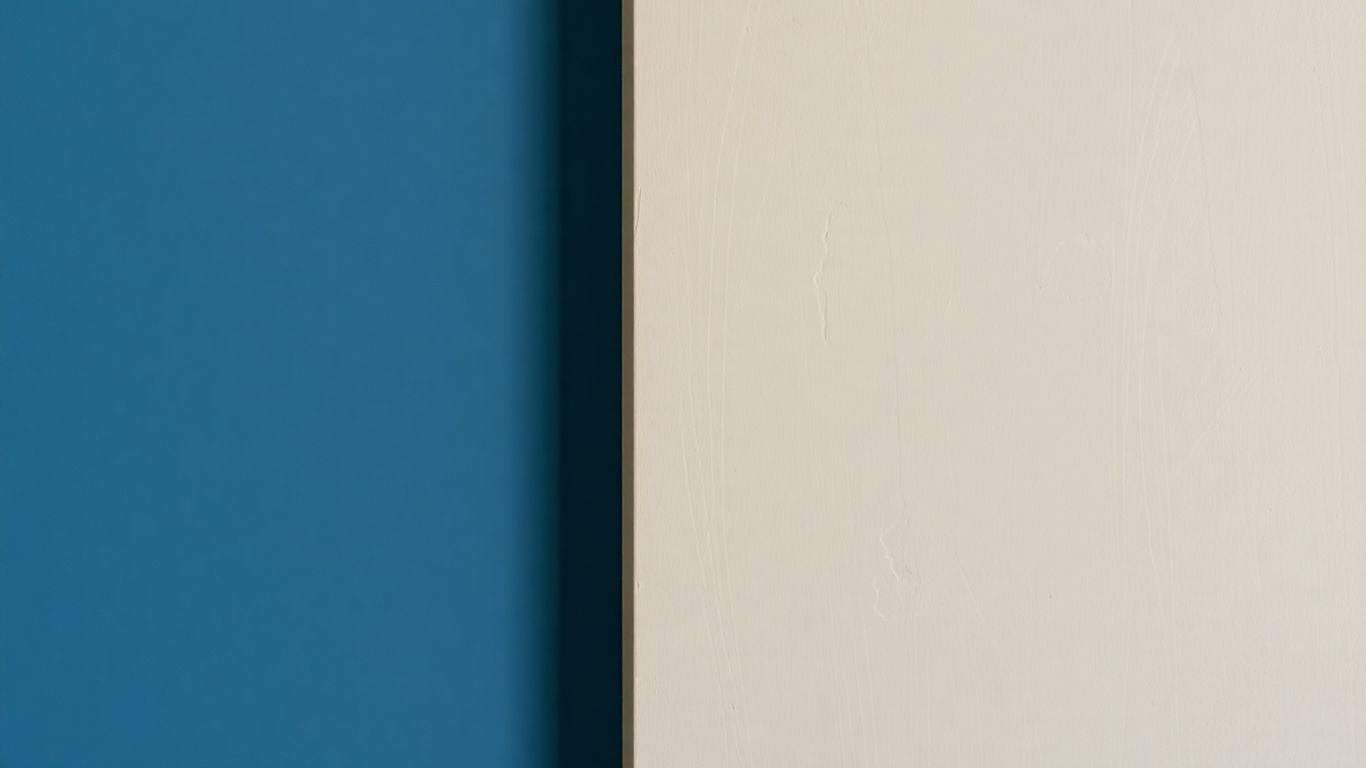
Thinking about painting your walls? If you're looking for something a little more exciting than just a flat color, you might want to consider adding some texture. It's amazing how much a bit of texture can change a room. This article explores how interior painting pairs with texturing for a one-of-a-kind finish, going beyond the usual smooth look to create something really special.
Key Takeaways
- Textured paint offers a lot of flexibility and can be used on various surfaces, but it's best applied in areas that don't get a lot of wear and tear.
- Applying textured paint is often more involved than regular painting, similar to an installation process, and can be tricky to remove or repair.
- Beyond paint, materials like wallpaper with faux textures, wood paneling, and tiles can also create unique and rich wall finishes.
- Textured walls can be used creatively to make feature walls, improve how light bounces around a room, or achieve specific looks like Moroccan plaster.
- Layering different textures, from matte and glazed finishes to contrasting fabrics and furniture, helps create a more immersive and visually interesting interior.
Embracing Texture: Beyond The Smooth Finish
Forget that perfectly flat, unblemished wall for a second. While smooth finishes have their place, there's a whole world of visual and tactile interest waiting when you step beyond them. Textured paint and finishes aren't just about adding a bit of 'oomph'; they're about creating a more dynamic and engaging space. Think of it like adding layers to a story – each texture adds a new dimension, making the whole room feel richer and more inviting.
The Versatility of Textured Paint
Textured paint is surprisingly adaptable. It's not just for walls, either. You can use it on ceilings, around fireplaces, or even as a decorative hood above a kitchen range. It's a fantastic way to get that limestone or plaster look without the fuss. And for bedrooms, a textured wall behind the headboard can add a real focal point. Its flexibility is a big plus.
- Walls and Ceilings: The most common application, offering a range of effects.
- Accent Areas: Great for fireplaces, kitchen hoods, or behind furniture.
- Architectural Features: Can highlight columns, archways, or built-in shelving.
It's important to think about where you're applying textured paint. High-traffic areas that get a lot of bumps and scrapes might not be the best spot. You want a finish that lasts, and constant wear can compromise its look over time.
Strategic Placement for Maximum Impact
Where you put texture matters. A single accent wall can draw the eye and add depth without overwhelming the space. Consider areas that naturally draw attention, like the wall behind your bed or a prominent living room wall. It's about making a statement, not a mess. Think about how light hits the surface too; textured finishes can play with light in interesting ways, creating shadows and highlights that change throughout the day.
Considering High-Traffic Areas
This is where you need to be a bit more careful. Walls that are constantly being touched, bumped, or leaned against might not be the best candidates for heavily textured finishes. While textured paint can hide minor imperfections, it can also be more prone to damage from impacts. If you're thinking about a powder room that gets redecorated yearly, maybe stick to a smoother finish there. It's about balancing the desire for texture with the practicalities of daily life.
The Art of Application: Techniques and Considerations
Applying textured paint isn't quite like slapping on a coat of regular latex. It's more of an installation, really. You've got to think about the tools, the prep, and honestly, how much time you're willing to sink into it. It's not a quick weekend project for the faint of heart, that's for sure.
Textured Paint as an Installation
Think of textured paint less like a simple color change and more like adding a new layer of material to your walls. This means the preparation is key. You can't just slap it over a glossy finish or a wall with a bunch of dings. It needs a solid, clean surface to adhere to properly. And the application itself? It often involves more than just a roller. Sponges, trowels, special brushes – they all come into play depending on the look you're going for. It’s a hands-on process that requires a bit of finesse.
Time-Intensive Application Processes
Let's be real, getting that perfect textured finish takes time. Unlike a smooth coat that might take a day or two, textured paint can stretch into multiple days, especially if you're doing a whole room. You might need multiple coats, drying time between each, and then the actual texturing technique. Some methods, like rag rolling or creating a plaster-like effect, involve a lot of manual work. It's definitely a commitment.
Here's a rough idea of what you might be looking at:
- Prep Work: Cleaning, patching, and priming can take a significant chunk of time.
- Base Coat: Applying the initial layer of paint.
- Drying Time: Allowing the base coat to dry completely.
- Texturing Application: This is where the real work happens, applying the texture using various tools and techniques.
- Second Coat/Touch-ups: Often needed for depth and consistency.
- Final Drying: Letting everything cure properly.
Challenges in Removal and Repair
So, you've got this awesome textured wall. What happens when you want a change, or worse, you damage it? That's where things get tricky. Removing textured paint can be a real headache. Often, you can't just sand it down easily, especially if things like sand or other aggregates were mixed in. You might be looking at heavy-duty sanding, scraping, or even having to replace drywall. Patching small areas can also be tough; you might end up with a noticeable patch that doesn't quite match the rest of the wall, forcing you to re-texture the entire surface. It's something to seriously consider before you commit.
When you're choosing a textured finish, think about the long haul. It's not as simple as repainting a smooth wall. The effort involved in application is often mirrored, if not surpassed, by the effort needed for removal or repair. Plan accordingly, and maybe start with a smaller area to get a feel for it.
Exploring Diverse Textured Wall Finishes
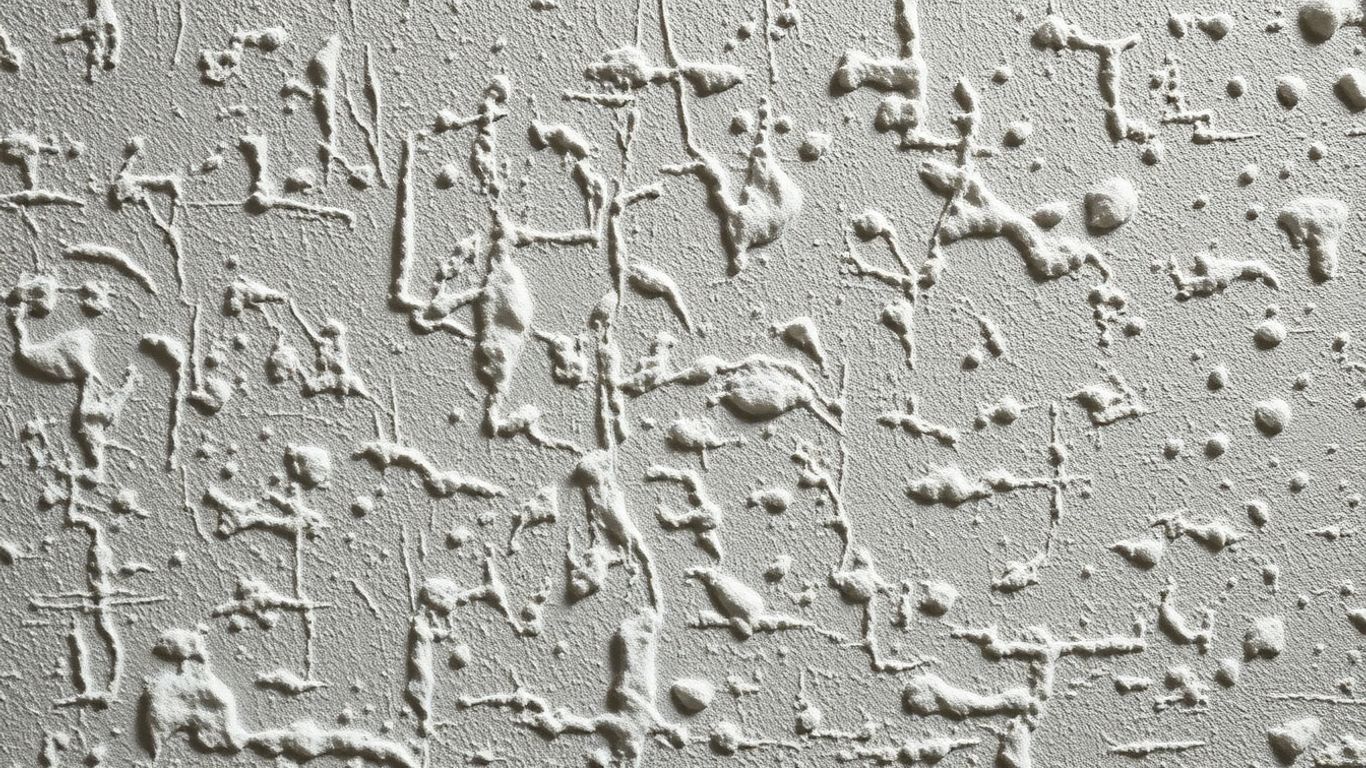
Sometimes, a smooth wall just doesn't cut it, you know? You want something with a bit more personality, something that makes a room feel, well, finished. Luckily, there are tons of ways to get that unique look beyond just slapping on a coat of paint. We're talking about finishes that add depth, character, and a whole lot of interest.
Painterly Effects with Wallpaper
Think of wallpaper as a shortcut to an artistic statement. Forget those old-school floral patterns; modern wallpapers can mimic the look of brushstrokes or even abstract art. Applying a wallpaper with a painterly effect can instantly transform a plain wall into a focal point, evoking the mood of a landscape or a piece of art. It's a fantastic way to bring in color and texture without the mess of actual paint. You can use it on a single wall to create a dramatic accent or in a smaller space like a powder room for a surprising touch.
The Richness of Wood Paneling
Wood paneling has come a long way from the dark, dated styles of the past. Today, you can find panels made from all sorts of woods, from warm hardwoods with beautiful grain patterns to more modern, sleek veneers. Using wood on your walls adds an immediate sense of warmth and luxury. It's not just about the look, either; touching a wood-paneled wall often feels incredibly rich and inviting. You can go for a full wall of paneling or use strips of wood as accents, perhaps combined with a subtly textured wall covering for a layered effect.
Tiles as a Striking Wall Feature
Who says tiles are just for bathrooms and kitchens? Bringing tiles onto your walls in living areas or hallways can be a real showstopper. They offer a unique reflective quality that plays with light beautifully, even when there's no direct light source. Imagine tiles around a fireplace, adding a bit of sparkle, or a whole wall covered in a unique tile pattern. It's a bold choice, but one that definitely pays off in terms of visual interest and a sophisticated feel.
Choosing the right textured finish for your walls is about more than just aesthetics. It's about how the material feels, how it interacts with light, and the overall atmosphere it creates. Don't be afraid to think outside the box and consider materials that might surprise you.
Here's a quick look at some options:
- Wallpaper: Great for mimicking art or adding subtle patterns.
- Wood Paneling: Brings warmth, richness, and a tactile quality.
- Tiles: Offer reflective surfaces and can be used as bold accents.
- Plaster: Can create smooth, stone-like finishes or more rustic textures.
Innovative Applications for Textured Walls
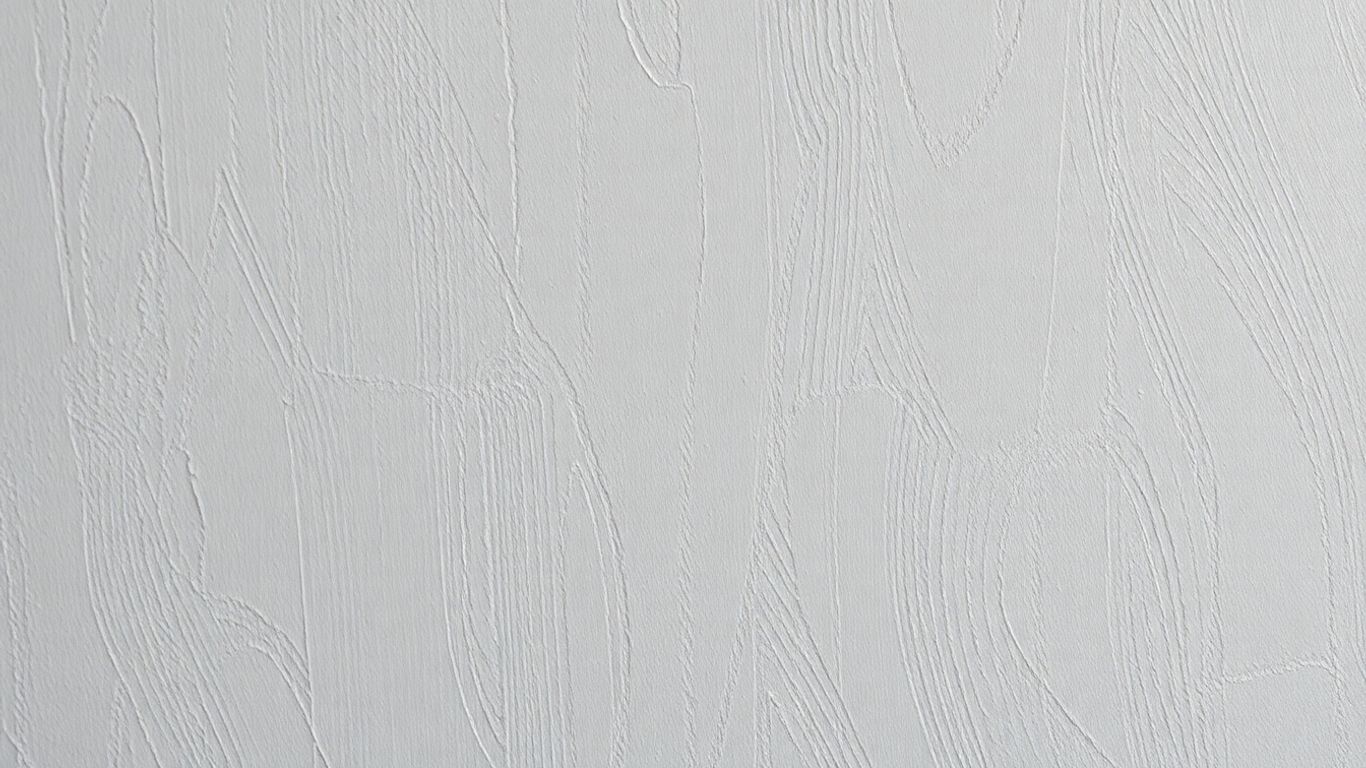
Sometimes, a plain wall just doesn't cut it. You want something with a bit more personality, a bit more oomph. That's where textured walls really shine. They can take a room from 'meh' to 'wow' pretty quickly. Think about it – instead of just a flat color, you've got something that catches the light, adds depth, and just feels more interesting to look at. It's like giving your walls a whole new dimension.
Creating Feature Walls with Depth
Feature walls are a fantastic way to add a focal point to any room, and texture takes this to the next level. Instead of just a bold color, imagine a wall with a rough plaster finish or a unique wallpaper that mimics natural materials. This kind of wall doesn't just sit there; it commands attention. It can make a simple living room feel more sophisticated or add a cozy vibe to a bedroom. The key is to let the texture do the talking, keeping the surrounding decor a bit simpler so the feature wall really stands out.
Boosting Light Levels with Shine
Who knew texture could help with lighting? It turns out, certain textured finishes, especially those with a bit of sheen or a subtle reflective quality, can actually bounce light around a room. This is a game-changer for smaller spaces or rooms that don't get a lot of natural light. A wall with a slight shimmer can make a space feel bigger and brighter, almost like a subtle disco ball effect, but way more stylish. It’s a clever trick that adds both visual interest and practical benefit. You can explore different wall textures to see how they interact with light.
The Allure of Moroccan Plaster
Moroccan plaster, often known as Tadelakt, is something special. It's a lime-based plaster that's naturally waterproof and has this incredibly smooth, almost stone-like finish. It feels luxurious and looks amazing, especially in earthy tones. It's not just for bathrooms, though; it works beautifully in entryways, living rooms, or even bedrooms. The way it subtly reflects light gives a room a warm, inviting glow. It’s a way to bring a touch of exotic elegance right into your home without being over the top.
Layering Textures for Immersive Interiors
So, you've got your walls looking good, maybe with a nice textured paint or even some cool wallpaper. But what if you want to take it up a notch? That's where layering textures comes in. It's all about mixing different materials and finishes to make a room feel more alive and interesting. Think about it like building up a really good meal – you don't just throw everything in at once, right? You add different flavors and textures at different stages.
Combining Matte and Glazed Elements
This is a pretty simple way to add some visual pop without going overboard. You know how some things just look flat, while others catch the light? That's the difference between matte and glazed. Imagine a bookshelf. You could have some matte books stacked up, and then maybe a shiny, glazed vase next to them. Or on a coffee table, a rough, woven coaster next to a smooth, polished stone. It’s about creating little moments of contrast that your eyes can play with. Even small decorative items can make a big difference.
The Impact of Contrasting Fabrics
Fabrics are a huge part of how a room feels. If your whole living room is done in soft, smooth fabrics, it might feel a bit… well, samey. Mixing things up is key. Think about a comfy sofa. You could have some chunky knit throw pillows on it, maybe a silky cushion, and then a rougher textured rug underneath. It doesn't have to be a wild mix; even just two different fabric textures can make a space feel more inviting. You can even change these out with the seasons – cozy wools and faux furs for winter, lighter linens and cottons for summer.
Integrating Textured Furniture
Don't forget the furniture! This is stuff you actually touch, so the texture really matters. A smooth, cool marble coffee table is a totally different experience than a rustic, reclaimed wood one. You can mix and match too. Maybe you have a sleek, modern dining table, but you pair it with chairs that have a woven seat or a velvet upholstery. It adds another layer of interest and makes the room feel more put-together. It’s about creating a tactile experience that goes beyond just how things look.
When you start layering different textures, you're not just decorating; you're creating an atmosphere. It's about making a space feel more dynamic and inviting, giving people something interesting to look at and touch. It’s the difference between a room that’s just ‘there’ and one that feels like it has a story to tell.
Achieving Unique Wall Textures
So, you're looking to move beyond the standard smooth wall. That's a great idea! Adding texture can really make a room feel more alive and interesting. It's not just about slapping on some paint; it's about creating a surface that has depth and character. Think of it like adding a nice weave to a plain fabric – it just feels more substantial, you know?
The Role of Joint Compound and Tools
When we talk about creating texture from scratch, joint compound (or drywall mud) is your best friend. It's pretty forgiving stuff, which is good news if you're not a seasoned pro. You can use it to build up layers, create patterns, or even just add a subtle roughness. The tools you use are just as important. A simple putty knife can create swooping lines, while a trowel can give you broader strokes. For more specific looks, like a knockdown texture, you'll need a spray texture gun and a special knockdown knife. It's all about how you manipulate the material.
Here are some common tools and what they're good for:
- Putty Knives/Trowels: Great for hand-troweled finishes, creating swirls, or applying compound in specific areas.
- Texture Sprayer: Used for applying spray-on textures like orange peel, knockdown, or popcorn. You can control the density and pattern.
- Brushes: Stiff-bristled brushes can create unique patterns when dragged through wet compound.
- Sponges: Natural sponges can add a mottled, organic look.
DIY vs. Professional Application
Now, the big question: can you do this yourself? The answer is usually yes, but with a caveat. For simple textures, like a light skip-trowel finish or a basic knockdown, a determined DIYer can get pretty good results. It takes patience, though. You'll need to practice on scrap boards first to get a feel for how the compound behaves and how to achieve the look you want. Mistakes can be fixed, but it adds time.
However, if you're aiming for something really intricate, like a Venetian plaster look or a perfectly uniform spray texture across a large area, hiring a professional is often the way to go. They have the experience to work quickly and efficiently, and they know how to avoid common pitfalls that can make a DIY job look, well, DIY.
Here's a quick comparison:
| Aspect | DIY | Professional |
|---|---|---|
| Cost | Lower material cost, higher time cost | Higher upfront cost, lower time cost |
| Skill Level | Beginner to Intermediate | Intermediate to Expert |
| Time | Can be very time-consuming | Generally faster and more efficient |
| Result | Variable, depends on skill and practice | Consistent, high-quality finish |
Achieving Specific Textural Patterns
Getting a specific look means understanding the technique. For instance, a 'skip-trowel' finish involves applying compound and then lightly dragging a trowel over it to remove some of the material, leaving a subtle, uneven surface. A 'knockdown' texture is sprayed on, allowed to set slightly, and then the high spots are gently scraped off with a wide knife, creating a smooth, raised pattern.
Think about the kind of vibe you want:
- Rustic Charm: Skip-trowel, slap brush, or even a rough plaster look.
- Modern & Subtle: Light orange peel or a smooth plaster finish.
- Bold Statement: Heavy knockdown, Venetian plaster, or even a faux concrete look.
The key to any textured finish is preparation and practice. Make sure your walls are clean and free of debris. If you're working with joint compound, keep a wet rag handy to wipe up drips and mistakes before they dry. And remember, texture can hide minor wall imperfections, which is a nice bonus!
Ultimately, creating unique wall textures is about experimenting. Don't be afraid to try different tools and techniques. Even if it doesn't turn out exactly as planned the first time, you'll learn something new, and that's always a win.
Want to give your walls a look that stands out? Creating unique textures can totally change the feel of a room, making it more interesting and personal. Think beyond just flat paint! You can achieve amazing effects with different tools and techniques. Ready to explore some cool ideas for your home? Visit our website to discover how you can achieve these unique wall textures and transform your space.
Bringing It All Together
So, we've seen how paint and texture can team up to make your walls really pop. It's not just about slapping on a color anymore; you can actually give your rooms a whole new feel with different finishes. Think about adding a bit of grit with a sandy look or a smooth, almost plaster-like vibe. Just remember, while texture adds a lot of character, it can be a bit more work to put on and even trickier to change later. So, maybe start with an accent wall or a smaller space to get the hang of it. But when done right, that combination of paint and texture can totally transform a room, making it feel way more interesting and personal. It’s a great way to go beyond the usual and create something truly unique for your home.
Frequently Asked Questions
What exactly is textured paint, and how is it different from regular paint?
Textured paint is like regular paint, but it has tiny particles mixed in to give it a rougher feel or a raised look. Think of it like adding sand or other bits to paint to make it feel different than just smooth. It's not just about color; it's about adding a physical feel to your walls.
Where is the best place to use textured paint in my home?
Textured paint works great in places that don't get touched a lot, like behind a headboard in a bedroom or on a feature wall in a living room. It's best to avoid high-traffic areas like hallways or kids' playrooms because it can wear down more easily than smooth paint.
Is applying textured paint difficult?
Applying textured paint is usually harder and takes more time than painting a wall smoothly. It's more like putting up a special finish, and you might need different tools and more careful steps. It's definitely a project that requires patience.
What are the challenges if I want to change my textured walls later?
Changing textured walls can be tricky. If you want to paint over it, you might need special primers. If you want to get rid of it completely, you'll likely have to sand it all down, which can be a lot of work. Sometimes, if the wall is damaged, you might even need to replace the drywall.
Besides paint, what other ways can I add texture to my walls?
You can add texture with things like wallpaper that looks like fabric or wood, or even by using actual wood paneling. Tiles can also make a striking wall feature, especially around fireplaces. Some people even use special plasters, like Moroccan plaster, for a unique, natural look.
Can I mix different textures in one room?
Absolutely! Mixing textures can make a room feel richer and more interesting. You can combine smooth and rough surfaces, or use different materials like wood next to fabric. Think about contrasting fabrics on furniture, or using different finishes on decorative items to create layers of texture.


Comments
Post a Comment