San Jose's Climate: How It Impacts Exterior Paint & What Professionals Do Differently
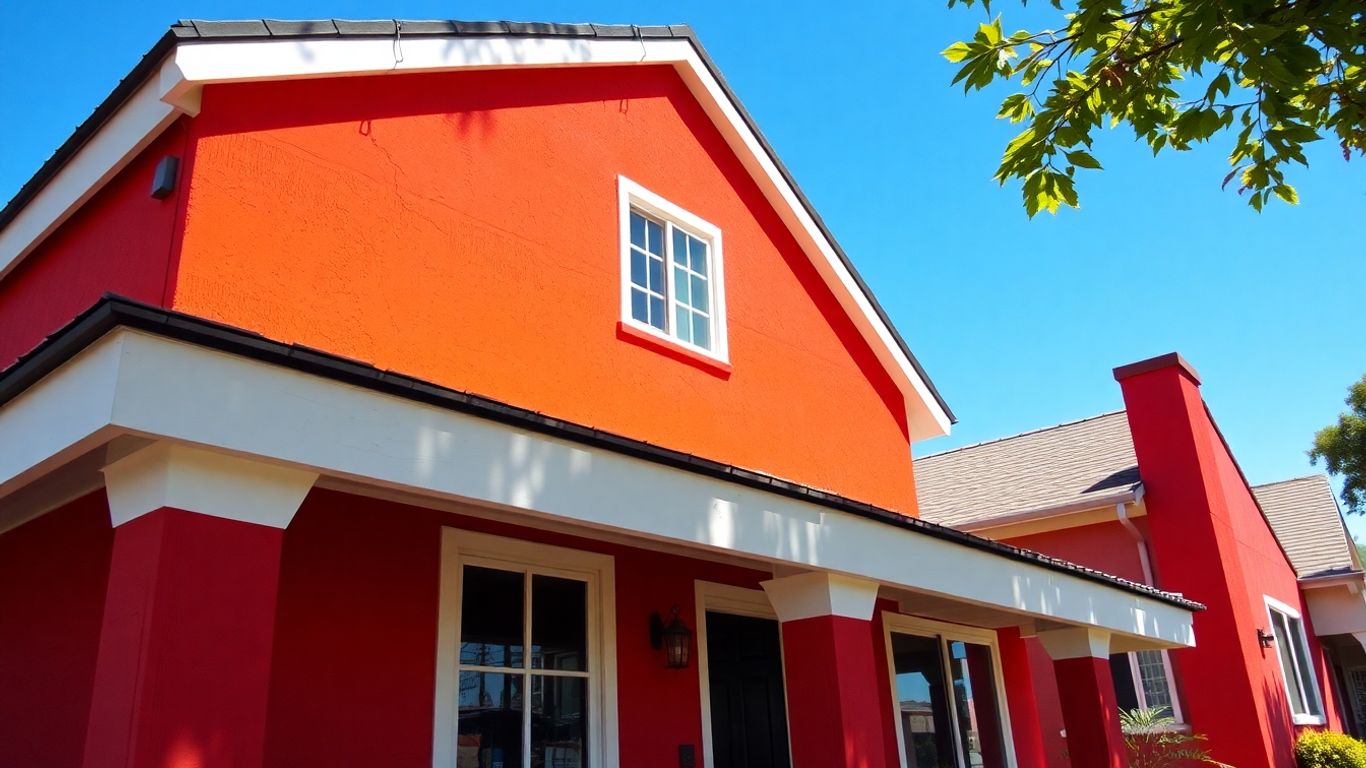
Thinking about painting your San Jose home? It's a big job, and honestly, the weather here really plays a part in how well the paint holds up. San Jose has its own vibe, you know? Lots of sun, sometimes a bit of dampness – it all affects what kind of paint you should use and how it's put on. We'll break down how San Jose’s climate affects your exterior paint—and what pros do differently to make sure your house looks good for years.
Key Takeaways
- San Jose's sunny and sometimes damp climate means exterior paint needs special protection against UV rays and moisture, unlike indoor paint.
- Spring and fall are generally the best times for exterior painting in San Jose due to moderate temperatures and lower humidity.
- Proper surface prep, including washing, scraping, and repairs, is super important for making paint stick and last, especially outdoors.
- Pros use specific tools and techniques, like spraying for large areas and careful color testing, to handle San Jose's bright light and different building materials.
- Investing in quality paint and professional application saves money in the long run by reducing how often you need to repaint.
Understanding San Jose's Unique Climate for Exterior Paint
San Jose has a pretty specific climate, and it really matters when you're thinking about painting the outside of your house. It's not like painting a wall inside where the temperature is always the same. Here, you've got sunshine, sometimes a bit of dampness, and temperature swings that can affect how paint looks and how long it lasts.
Seasonal Painting Windows in San Jose
When's the best time to get your house painted in San Jose? Generally, spring and fall are your best bets. The weather is usually mild, not too hot and not too cold, and the humidity isn't usually a problem. Summer can work, but you'll want to start really early in the morning before it gets too hot, especially if your house is out in the open. Winter painting is possible, but only if it's dry. You have to be careful about freezing temperatures overnight, though, because that can mess with the paint.
- Spring: Mild temperatures, lower humidity, good for most paint types.
- Summer: Can be hot; requires early morning work. Watch out for heat on dark surfaces.
- Fall: Similar to spring, often a great time with pleasant weather.
- Winter: Possible during dry spells, but monitor overnight lows carefully.
How San Jose's Sunshine Affects Color Choices
San Jose gets a lot of sun, and that bright light can really change how colors look. A color that seems perfect inside a paint store or on a small sample might look totally different on your house, especially when the sun hits it hard. Light colors can sometimes look washed out, and darker colors might seem too intense or even fade faster.
It's a good idea to test colors on a couple of sides of your house. Look at them in the morning, in the afternoon, and even during that nice 'golden hour' before sunset. This helps you see how the light changes the color throughout the day.
The Impact of Moisture on Exterior Surfaces
Even though San Jose isn't known for being super wet, moisture can still be an issue for exterior paint. When surfaces get damp, it can create problems like mold or mildew. If moisture gets under the paint, it can cause peeling or bubbling. This is especially true if the paint isn't applied correctly or if there are small cracks in the surface that let water in. Over time, this can lead to bigger problems with the materials of your house itself, not just the paint job.
- Mold and Mildew: Can grow in damp conditions, making paint look dirty and potentially damaging the surface.
- Peeling and Bubbling: Caused by moisture getting trapped behind the paint film.
- Surface Degradation: Prolonged moisture exposure can lead to rot in wood or damage to other building materials.
Key Differences: Interior vs. Exterior Paint Formulations
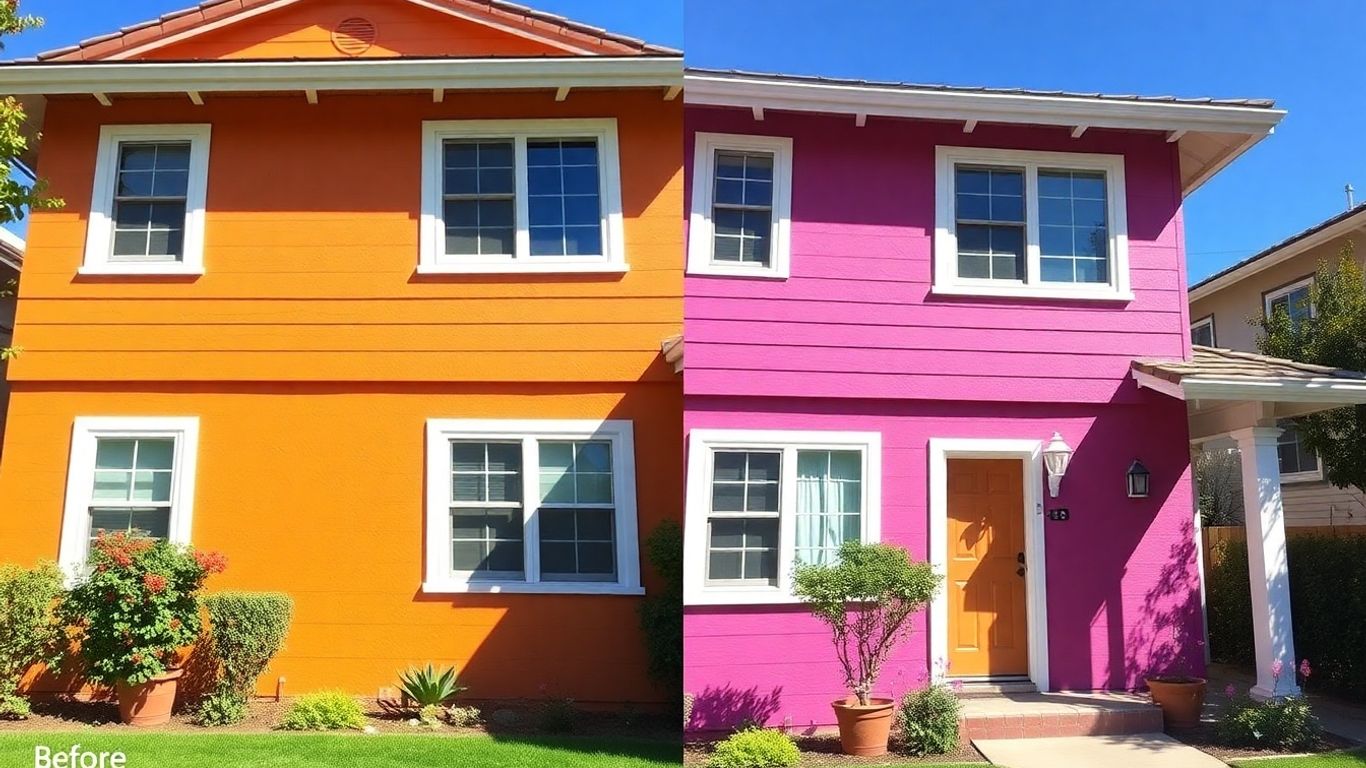
It might seem like paint is just paint, but when it comes to your home's interior versus its exterior, the formulas are actually quite different. Think of it like clothing – you wouldn't wear a light t-shirt in a snowstorm, right? Same idea here. Exterior paint has a tough job to do, facing off against San Jose's sun, wind, and occasional dampness, while interior paint is designed for a much more chill life inside.
Paint Composition for Controlled Environments
Interior paints are made with the indoors in mind. They focus on things like how easy they are to clean, how they smell (or don't smell!), and how smoothly they go on walls. Since they're not dealing with harsh weather, the binders and pigments can be optimized for color vibrancy and different finishes, like matte or satin. They don't need the extra muscle that exterior paints do.
Exterior Paint's Resilience to Climate
Now, exterior paint is a whole different ballgame. It's built to be tough. The formulas include special ingredients to fight off:
- UV Rays: To stop colors from fading too quickly under that bright California sun.
- Mildew and Algae: Especially important in areas that might get a bit damp or shaded.
- Temperature Swings: The paint needs to expand and contract with the house as temperatures change, so it doesn't crack or peel.
- Moisture: It acts as a barrier to keep water out, protecting the underlying materials.
This added resilience is why exterior paint typically costs more than interior paint.
Professionals know that using the right exterior-grade paint is non-negotiable for a job that lasts. It's not just about looks; it's about protecting your home's structure from the elements.
Primer's Role in Durability and Adhesion
Primer is like the handshake between your wall and the paint. For interiors, primers help cover stains, seal porous surfaces, and give the topcoat something to grip onto. But exterior primers? They're superheroes. They need to block moisture, stick to surfaces that might be chalky or weathered, and sometimes even resist the alkalinity that can come from masonry. Getting the primer right is a huge part of making sure the paint job doesn't fail prematurely, especially in a place like San Jose where surfaces can get pretty baked by the sun.
| Primer Function | Interior Paint Needs |
|---|---|
| Adhesion | Good grip on drywall, plaster |
| Stain Blocking | Hides water marks, crayon, grease |
| Sheen Uniformity | Creates an even base for topcoat |
| Exterior Paint Needs | Superior grip on weathered surfaces, masonry, wood |
| Moisture Resistance | Seals out water, prevents rot |
| UV Protection | Helps prevent paint breakdown from sun |
| Flexibility | Accommodates expansion and contraction |
Professional Surface Preparation for Lasting Results
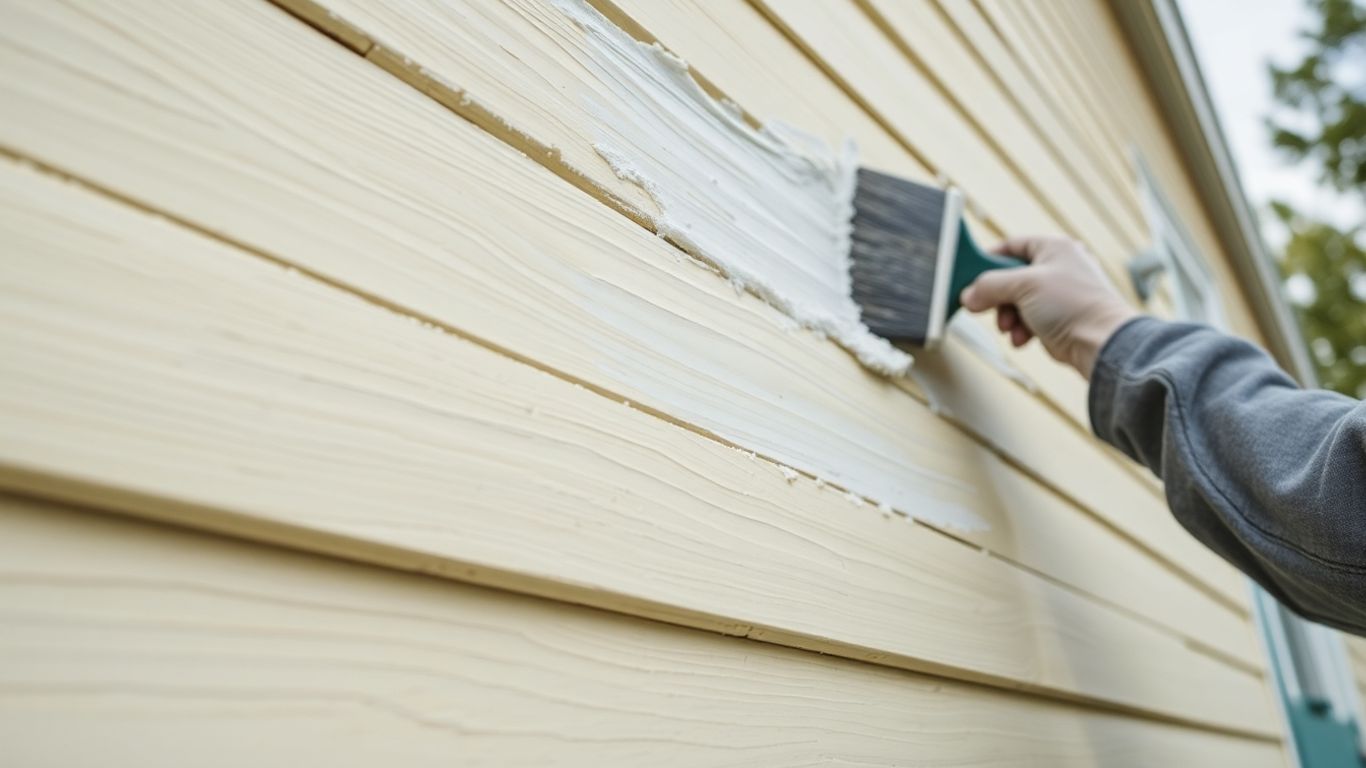
Getting the outside of your San Jose home ready for paint is a big deal. It's not just about slapping on a new coat; it's about making sure that paint sticks around and looks good for years. Professionals know that skipping prep work is a recipe for peeling paint and faded colors down the road.
Intensive Exterior Surface Preparation Steps
Professional painters follow a detailed process to get surfaces ready. This isn't a quick job, but it's what makes the difference between a paint job that lasts and one that needs touching up next year.
- Power Washing: This is the first line of defense against dirt, grime, mildew, and chalking paint. A good power wash removes all the loose stuff that would prevent new paint from adhering properly.
- Scraping and Sanding: Any peeling or bubbling paint needs to be scraped away. Then, sanding smooths out rough spots and creates a better surface for the primer and paint to grip.
- Caulking: Gaps and cracks around windows, doors, and trim are sealed with exterior-grade caulk. This stops water from getting behind the paint, which can cause rot and peeling.
- Priming: A high-quality exterior primer is applied to bare wood, repaired areas, and sometimes the entire surface. Primer seals the surface, blocks stains, and provides a uniform base for the topcoat.
The Importance of Power Washing and Scraping
Think of power washing like giving your house a really thorough bath. It gets rid of all the accumulated dirt, mold, and old, flaky paint. If you paint over that, the new paint has nothing solid to stick to. Scraping is similar – you have to remove anything that's loose before you can apply something new. This initial cleaning and scraping is arguably the most critical step for long-term paint adhesion.
Addressing Material Repairs and Caulking
Beyond just paint, the actual material of your house might need some attention. This could mean fixing small cracks in stucco, patching up wood rot, or replacing a few damaged siding boards. Professionals will also meticulously caulk any seams or joints where water could potentially seep in. This attention to detail prevents moisture damage and ensures a smooth, finished look once the painting is done. It’s about protecting the structure as much as making it look good.
Expert Application Techniques for San Jose Homes
Choosing the Right Tools for Exterior Surfaces
Getting the paint onto your home's exterior is more than just slapping it on. Professionals know that the tools you use make a big difference in how the paint looks and how long it lasts. For San Jose homes, where the sun can be pretty intense and sometimes there's a bit of fog rolling in, the right application matters. Think about the different surfaces you have – maybe some smooth stucco, rough wood siding, or even metal trim. Each one needs a slightly different approach.
- Brushes: High-quality brushes with synthetic bristles are great for cutting in edges, like around windows and doors, and for getting into textured areas. Natural bristles can swell with moisture, which isn't ideal.
- Rollers: For larger, flatter areas, rollers are your best friend. The nap of the roller cover (how thick the fuzzy part is) should match the surface texture. A shorter nap is good for smooth surfaces, while a thicker nap works better for rougher textures.
- Sprayers: Airless sprayers can be super efficient, especially for large homes or when you need a really uniform finish. However, they require a lot of skill to use properly, and you need to be extra careful with masking to avoid getting paint where you don't want it.
Spray Application vs. Brush and Roller
When it comes to applying exterior paint in San Jose, you've got a couple of main methods: spraying or using brushes and rollers. Each has its pros and cons, and pros often choose based on the specific job.
Spraying can give you a really smooth, even coat quickly, which is great for large areas. It's especially good for surfaces that have a lot of detail or texture where brushes and rollers might struggle to get into every nook and cranny. However, spraying requires careful preparation to protect surrounding areas from overspray. You also need to consider wind conditions, which can be a factor in San Jose.
Using brushes and rollers is more traditional and offers a lot of control. It's often preferred for trim work, detailed areas, and when you want to ensure a thick, consistent layer of paint. This method can be more time-consuming, but it allows for precise application and is generally less messy than spraying. Many professionals use a combination of all three – spraying the main body and then using brushes and rollers for the details.
The choice between spraying and brush/roller application often comes down to the desired finish, the complexity of the surface, and the overall efficiency needed for the project. Professionals weigh these factors carefully to achieve the best results for your home.
Ensuring Even Coverage on Various Materials
Getting paint to stick and look good on different materials is key. In San Jose, you might have wood that expands and contracts, stucco that can be porous, or metal that needs special treatment. Professionals have tricks up their sleeves for all of them.
- Wood: For wood siding, proper priming is a must. They'll often use a high-quality exterior primer that seals the wood and provides a good base. Applying paint in thin, even coats, whether by brush, roller, or spray, helps prevent drips and ensures the wood grain isn't obscured too much. They'll also pay attention to the direction of the wood grain during application.
- Stucco: Stucco can be tricky because it's porous and can absorb paint unevenly. Professionals often use a thicker, more fluid paint formulation for stucco and might apply it with a sprayer to get good penetration. They'll also make sure the stucco is in good repair, filling any cracks before painting to avoid moisture getting in.
- Metal: Metal surfaces, like gutters or railings, need specific primers and paints designed to adhere well and resist corrosion. They'll ensure the metal is clean and free of rust before applying any coatings. If you're looking for color consultants to help with your home's palette, checking out local services like those found on Yelp can be a good starting point color consultants in San Jose.
Professionals understand that the goal is not just to cover the surface, but to protect it and make it look good for years to come, especially under the bright California sun.
Color Selection Strategies for San Jose's Bright Light
San Jose's sunshine is a big deal when you're picking out paint colors for the outside of your house. That bright light can really change how a color looks, making some shades appear washed out or, on the flip side, super intense. It's not like picking an interior color where you're just dealing with lamps and bulbs; the sun is a constant, powerful force.
Navigating Neighborhood Aesthetics and HOA Guidelines
Before you even think about colors, you've got to consider your neighborhood and any Homeowners Association (HOA) rules. Some areas have specific vibes or even color palettes they prefer to keep things looking cohesive. For instance, historic neighborhoods might lean towards more traditional shades, while newer developments might be open to trendier looks. It’s always a good idea to check with your HOA early on. They often have specific requirements for body, trim, and accent colors, and sometimes even limits on the Light Reflectance Value (LRV) of your chosen paint. Getting this right upfront saves a lot of headaches later. You can often find examples of popular palettes for different areas, like Berryessa, which might favor softer, modern bases that work well with sunny exposures.
Testing Colors Under Natural Light Conditions
This is where the real work happens. You can't just pick a color from a tiny chip inside a store and expect it to look the same on your house. San Jose's light changes throughout the day. What looks good at 10 AM might be too bright at 2 PM or have a different feel during the golden hour. The best approach is to paint large swatches, at least 2’x2’, on different sides of your house. This way, you can see how the color looks in direct sun, in shade, and at various times. Pay attention to how the undertones shift. A color that seems neutral in the morning might look warmer or cooler later on. This testing process is super important for getting it right.
Understanding LRV for Sun-Exposed Areas
LRV, or Light Reflectance Value, tells you how much light a color reflects. In sunny places like San Jose, especially in areas like Almaden Valley or Berryessa, this matters a lot. Colors with a high LRV reflect more light, which can help keep your house cooler and prevent that chalky, faded look that intense sun can cause. However, super high LRV colors can sometimes be too bright or glaring. A good middle ground for many San Jose homes, particularly on larger surfaces, is to look at colors with an LRV somewhere between 40 and 70. This range usually offers a nice balance, reflecting enough light to keep things from looking too dark but not so much that it’s overwhelming. It's a practical way to choose colors that look good and perform well under the strong South Bay sun.
Durability and Maintenance Expectations for Exterior Paint
When you invest in painting your San Jose home's exterior, you're not just looking for a fresh coat of color; you're looking for something that lasts. The local climate, with its bright sun and occasional fog, really puts paint to the test. So, what can you realistically expect in terms of how long your paint job will hold up, and what kind of upkeep will it need?
Lifespan of Exterior Coatings in San Jose
Generally, a well-applied exterior paint job in San Jose can last anywhere from 7 to 12 years. This timeframe isn't set in stone, though. Several things play a big role. The quality of the paint used is a major factor – higher-quality paints with better UV protection and flexibility tend to last longer. The type of surface being painted matters too; wood might need more attention than stucco over time. And, of course, how much direct sun and weather exposure a particular side of your house gets will influence its wear and tear.
- High-quality paints: Often include additives for UV resistance and flexibility.
- Surface material: Wood, stucco, and metal can have different durability rates.
- Exposure: Sides of the house facing direct sun for most of the day may fade faster.
Routine Maintenance for Extended Paint Life
Keeping your exterior paint looking good for as long as possible involves more than just waiting for the next full repaint. A little bit of regular care goes a long way. Think of it like maintaining a car – regular check-ups and minor fixes prevent bigger, more expensive problems down the road.
- Cleaning: Periodically washing your home's exterior can remove dirt, grime, and mildew that can break down paint over time. A gentle wash with mild soap and water is usually sufficient.
- Inspection: Walk around your house at least once a year and look for any signs of trouble. This includes small cracks, peeling spots, or areas where the paint seems to be losing its grip.
- Touch-ups: If you spot a small area of peeling or damage, touching it up promptly can stop the problem from spreading. It's much easier to fix a small spot than a large section later.
Taking care of your paint job doesn't have to be a huge chore. Simple, consistent maintenance can significantly extend the life of your exterior coating, saving you money and hassle in the long run.
Investing in Quality for Long-Term Value
It might be tempting to go for the cheapest paint option or to try and cut corners on preparation, but when it comes to exterior paint, quality really does pay off. Using premium paints and hiring professionals who know how to prep and apply them correctly means your paint job will look better for longer and require less frequent attention. While the initial cost might be higher, the extended lifespan and reduced need for early repainting make it a more economical choice over the years. It’s about getting the most value from your investment, ensuring your home not only looks great but is also protected from the elements.
Why Professional Exterior Painting is Crucial
When it comes to painting the outside of your home in San Jose, it’s not quite the same as slapping some paint on an interior wall. There’s a lot more involved, and trying to do it yourself can sometimes lead to more headaches than savings. Professionals bring a level of skill and knowledge that makes a big difference in the final outcome and how long that paint job lasts.
The Higher Investment in Exterior Painting
Let’s be honest, exterior painting costs more upfront than interior work. This isn't just about the paint itself; it's the whole package. You're paying for the extensive prep work, which is often the most time-consuming part. Think power washing, scraping off old, peeling paint, sanding down rough spots, and fixing any cracks or holes. Then there's the cost of higher-quality, weather-resistant paints and primers. Professionals also have to factor in the cost of specialized equipment like ladders, scaffolding, and safety gear. It’s a bigger job, plain and simple.
DIY Challenges vs. Professional Expertise
Sure, you can watch a few videos and think you're ready to tackle your home's exterior. But the reality is often much tougher. Safety is a huge concern; working at heights on ladders or roofs is risky business. Getting the paint to go on evenly, especially on different textures like stucco or wood, takes practice. Plus, you need to know which products work best for San Jose's specific climate – things like UV protection and resistance to temperature swings are important. Professionals have the tools and the know-how to handle these challenges safely and effectively. They also know how to properly prepare surfaces, which is key to paint that doesn't peel or fade prematurely. For instance, understanding the best way to clean and prep older homes is something local painters have learned over years of experience.
The Value of Hiring Local, Experienced Painters
When you hire someone local, they understand the nuances of San Jose’s weather patterns and how they affect paint. They know which colors hold up best in our bright sunshine and how to protect your home from the occasional damp air. They've likely worked on homes similar to yours, so they're familiar with common issues and the best ways to address them. This local knowledge translates into a better paint job that looks great and lasts longer. It’s an investment in your home’s protection and appearance, and getting it right the first time saves you money and hassle in the long run.
Making sure your home's outside looks great is super important. A good paint job not only makes your house look nice but also helps protect it from weather. Our team knows how to make your home's exterior shine. Ready to give your home a fresh new look? Visit our website today to learn more and get a free quote!
Wrapping It Up: A Fresh Coat for San Jose
So, as we've seen, painting your home's exterior in San Jose isn't quite like painting a bedroom wall. The sun here is strong, and the weather, while generally nice, still plays a big role. Professionals know this and use special paints and take extra time with prep work to make sure the job lasts. They also understand how the light changes colors throughout the day and how different neighborhoods look. Choosing the right paint and having it applied correctly by someone who knows the local climate really makes a difference in how long your paint job looks good and protects your home. It’s an investment that pays off in curb appeal and durability for years to come.
Frequently Asked Questions
When is the best time to paint the outside of my house in San Jose?
Generally, spring and fall are the sweet spots for painting outdoors in San Jose. The weather is usually mild, not too hot and not too cold, with less humidity. You can paint in the summer, but it's best to start early in the morning before it gets too hot. Winter painting is possible if it's dry, but you have to watch out for freezing temperatures overnight.
How does San Jose's sunny weather affect paint colors?
San Jose gets a lot of sunshine, which can make colors look different than they do indoors. Bright sun can make lighter colors seem washed out or faded. Darker colors might look more intense. It's a good idea to test paint colors on your house in different spots and at different times of the day to see how they look in the bright light before you commit.
Why is exterior paint different from interior paint?
Exterior paint is made to handle tough weather like sun, rain, and temperature changes. It has special ingredients to resist fading, mold, and cracking. Interior paint is made for indoor conditions, focusing more on easy cleaning and looking good inside your home, where it's protected from the elements.
What kind of prep work is needed before painting the outside of a house?
Proper prep is super important for a paint job that lasts. This means cleaning the house really well, often with a power washer, to get rid of dirt and mold. Professionals also scrape off any old, peeling paint, fix cracks or holes in the walls, and seal gaps with caulk to keep moisture out. This careful preparation helps the new paint stick better and look smoother.
Is it better to spray paint or use a brush and roller on the exterior of a house?
Professionals often use sprayers for large areas like siding because it's faster and gives a smooth, even coat. However, they usually use brushes and rollers for details like trim, windows, and doors to get clean lines and ensure the paint gets into every nook and cranny. The best approach often uses a combination of both.
How long does exterior paint usually last in San Jose?
With good quality paint and proper application, exterior paint in San Jose can typically last between 7 to 12 years. However, this can change depending on how much sun and rain the house gets, the type of surface being painted, and how well it's maintained. Regular cleaning and touching up small spots can help extend its life.


Comments
Post a Comment