Not All Paint Is Equal: Expert Insights on Choosing the Best Products for Your Home
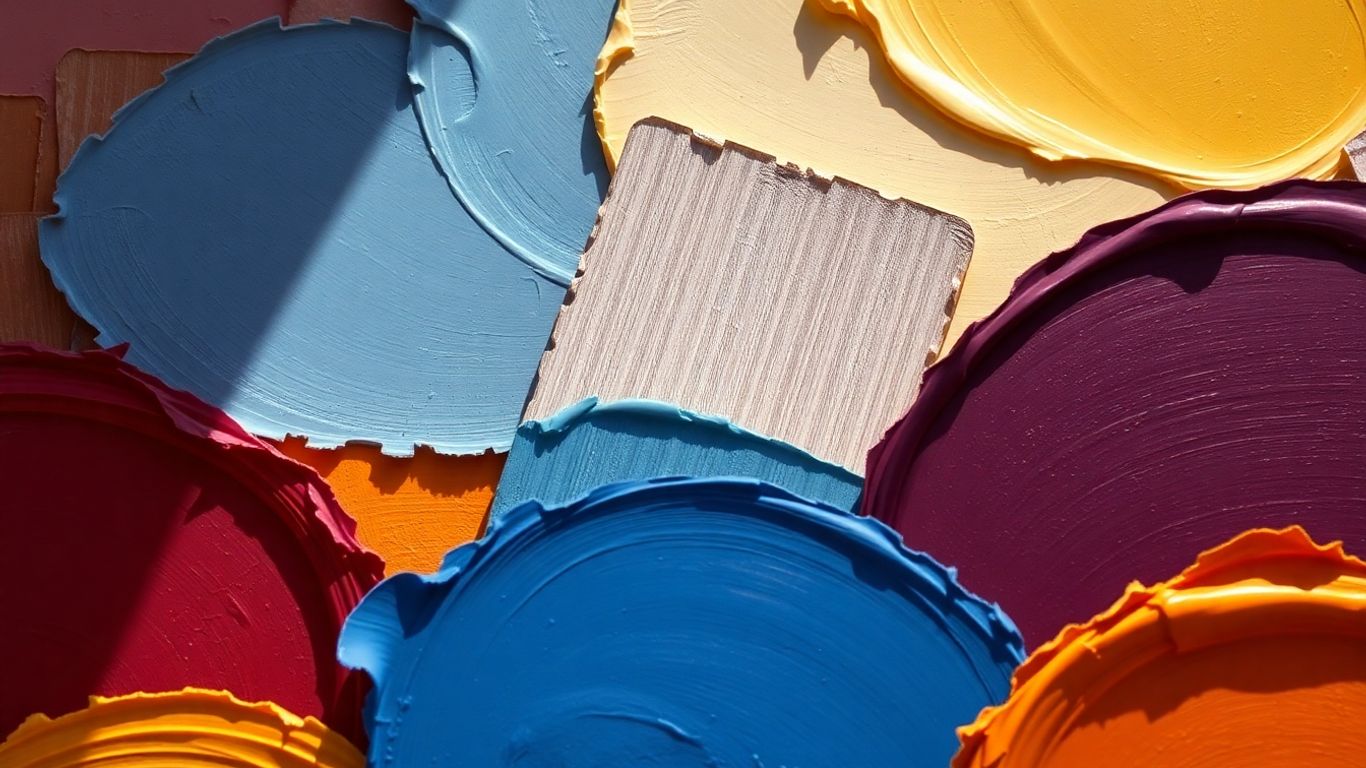
Picking the right paint for your home can feel a bit overwhelming, right? There are so many choices out there, and honestly, not all paint is created equal. We've spent years working on houses, and we’ve learned a thing or two about what makes a paint job look good and last. This guide is all about sharing those insider tips so you can choose the best products for your own place, making sure it looks great and stays that way.
Key Takeaways
- Not all paint brands are the same; higher-quality paints offer better coverage and durability, often saving you money in the long run.
- Paint finishes matter – choose matte for low-traffic areas and glossier finishes for places that need frequent cleaning, like bathrooms.
- Consider the room's use: high-traffic areas need tough, washable paint, while bathrooms benefit from moisture resistance.
- Interior and exterior paints are different; exterior paint is made to withstand weather, while interior paint focuses on air quality and appearance.
- Testing paint colors in your home's actual light conditions is important because colors can look very different on the wall compared to the swatch.
Understanding the Importance of Paint Quality

Why Not All Paint Brands Are Created Equal
It might be tempting to grab the cheapest can of paint you see, but trust me, not all paint is made the same. Over the years, I’ve learned that the brand you choose really does make a difference. Some brands just have better formulas, meaning they cover better and last longer. Think about it: cheaper paints often have more water and less pigment, which means you’ll probably need more coats to get decent coverage. That can end up costing you more in the long run, not to mention the extra time and frustration.
The Impact of Paint Quality on Durability and Longevity
When you invest in a higher-quality paint, you're not just buying a color; you're buying protection for your walls. Good paint holds up better against everyday life. It resists scuffs, it's easier to clean, and the color stays true for years. Lower-quality paints can fade, chip, or get marked up easily, especially in busy areas of your home. This means you'll be touching up or repainting much sooner than you'd like. Choosing a premium paint is really about making sure your walls look good for a long time.
Benefits of Investing in Premium Paint Brands
So, what do you actually get when you spend a bit more on a premium paint brand? For starters, you get superior coverage, which means fewer coats are needed. This saves you time and effort. You also get better durability; these paints are formulated to withstand cleaning and general wear and tear much better. Plus, higher-end brands often have more sophisticated color palettes and finishes, and their products are generally easier to work with, leading to a smoother, more professional-looking finish. It’s worth checking out brands like Benjamin Moore or Sherwin-Williams; they’ve earned their reputation for a reason. You can find more information on selecting the right paint at aded.
Using a good quality paint means you'll likely need fewer coats, which saves you time and money in the long run. It also makes the painting process itself much easier and the final result much better looking.
Navigating Interior Paint Finishes
Choosing the right paint finish is almost as important as picking the color itself. The finish, or sheen, affects how the paint looks, how it holds up to wear and tear, and how easy it is to clean. It’s not just about looks; it’s about practicality for each room.
Choosing the Right Finish for Each Room's Function
Think about how you use each space. A busy hallway needs something tougher than a quiet guest bedroom. High-traffic areas and places that get messy, like kitchens and bathrooms, benefit from finishes that can handle frequent wiping and resist moisture. Less used areas can get away with finishes that are more about looks and less about toughness.
Matte, Eggshell, and Satin Finishes: Aesthetics and Durability
- Matte/Flat: This finish is great for hiding imperfections on walls because it doesn't reflect light. It gives a soft, velvety look that designers often like. However, it’s the least durable and hardest to clean. Spills and scuffs can be tough to remove, and touch-ups often show. It’s best for ceilings or rooms with very little activity.
- Eggshell: This is a popular choice, offering a slight sheen, like the shell of an egg. It’s more washable than matte and holds up better to daily life. It’s a good all-around option for living rooms, bedrooms, and hallways. Just know that the slight sheen can highlight wall flaws a bit more than matte.
- Satin/Velvet: Satin finishes have a bit more shine than eggshell, giving a smooth, elegant look. They are quite durable and easy to wipe clean, making them suitable for many rooms. Velvet is similar, offering a soft, low-reflection look that’s easy to clean and doesn't draw attention to wall imperfections.
Semi-Gloss and Gloss Finishes for High-Moisture Areas
- Semi-Gloss: This finish has a noticeable shine and is quite durable. It’s resistant to moisture and easy to clean, making it a solid choice for kitchens, bathrooms, and even trim and doors. The higher sheen means it reflects more light, which can brighten a space, but it also means wall imperfections will be more visible.
- Gloss: The highest sheen available, gloss paint is very tough, highly reflective, and extremely easy to clean. It’s perfect for areas that need maximum durability and washability, like trim, doors, and cabinets. Because it reflects so much light, it will show every bump and flaw on the surface, so prep work is key.
The Advantages of Dedicated Ceiling Paint
Using paint specifically made for ceilings is a smart move. These paints usually have an ultra-flat finish that minimizes glare and hides any minor drywall issues, like seams or patches. They’re also thicker and designed to drip less, making application much cleaner and easier. Plus, many have better adhesion to prevent peeling and can resist mildew, which is helpful in certain rooms. It also means you don’t have to worry about color matching if you need to do a touch-up later.
When selecting a finish, remember that higher sheen levels generally mean better durability and easier cleaning, but they also tend to highlight surface imperfections more. It’s a trade-off to consider based on the room’s use and your tolerance for touch-ups.
Selecting Paint for Specific Home Environments
Paint Considerations for High-Traffic Areas
When you're painting areas that see a lot of action, like hallways, entryways, or kids' playrooms, you need paint that can stand up to a beating. Think about surfaces that get bumped, scuffed, or need frequent wiping down. Durability and washability are your best friends here. You want a finish that can handle being cleaned without losing its color or sheen. Eggshell or satin finishes are usually good choices because they offer a bit of a sheen, which helps with cleaning, but they don't highlight every little imperfection like glossier finishes do. Some paints are specifically formulated to be scrubbable, meaning you can really go at them with a sponge and cleaner when messes happen. It’s worth looking for those labels.
Moisture and Mildew Resistance for Bathrooms and Kitchens
These rooms are a whole different ballgame due to the humidity. Constant moisture can lead to paint peeling, bubbling, and, worst of all, mildew growth. For bathrooms and kitchens, you absolutely need paint that's built to handle damp conditions. Look for paints labeled as "moisture-resistant" or "mildew-resistant." Often, these are satin or semi-gloss finishes. The tighter sheen helps create a barrier against moisture. Plus, they're easier to wipe down, which is handy for kitchen splatters or bathroom steam. Some brands even have specific lines for bathrooms and kitchens that include antimicrobial additives to actively fight off mold and mildew. It’s a small detail that makes a big difference in keeping these spaces looking fresh and clean.
Durable and Washable Options for Family Spaces
Family spaces, especially those with young children or pets, are prime candidates for tough paint. You know the drill: crayon marks on the wall, muddy paw prints, or just general wear and tear. The key is to choose paints that are not only durable but also highly washable. This means you can scrub away messes without damaging the paint job. Consider finishes like satin or even a lower-sheen semi-gloss for these areas. They offer a good balance of a pleasant look and practical cleaning. When you're shopping, check the paint can for terms like "scrubbable," "washable," or "stain-resistant." These paints are formulated with higher quality binders that create a harder, more resilient surface. It might cost a little more upfront, but the ability to easily clean up spills and marks without re-painting saves a lot of hassle and money in the long run.
Interior Versus Exterior Paint: Key Differences
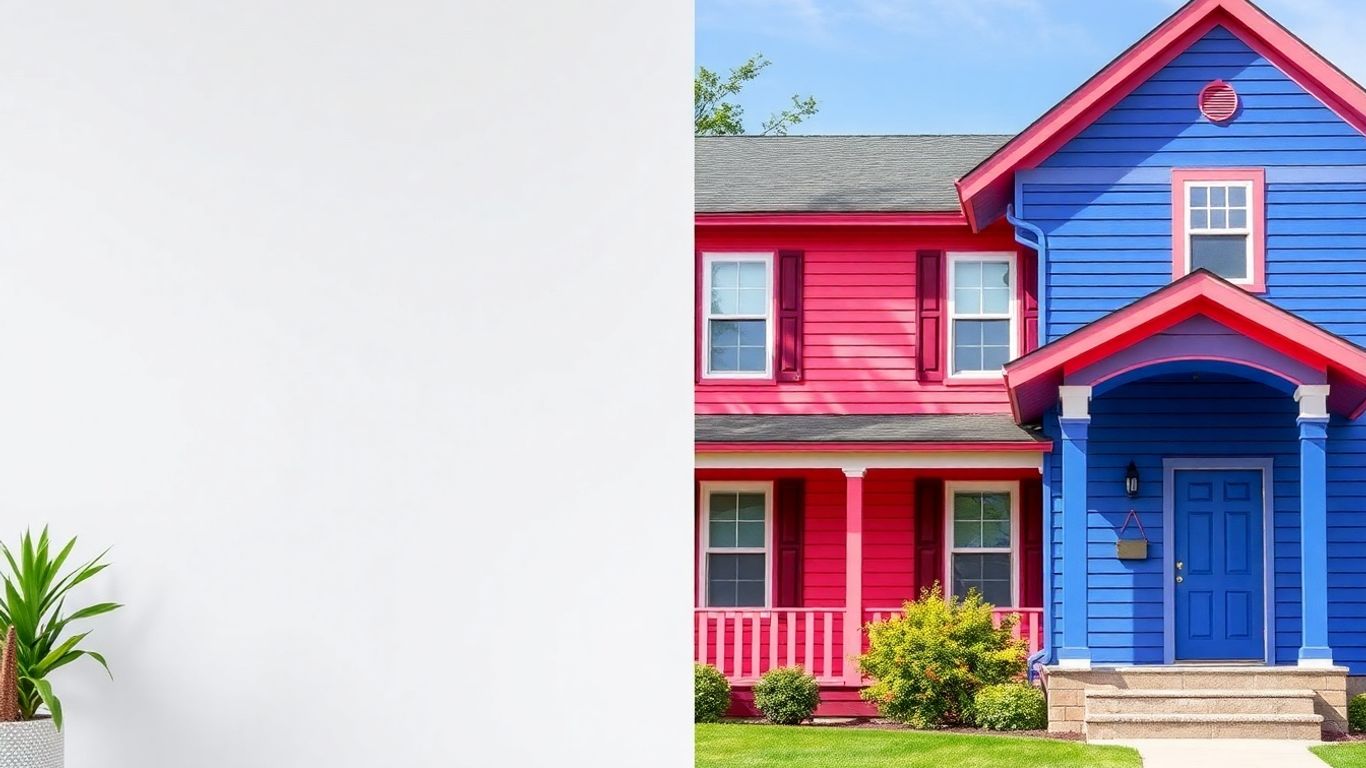
It might seem obvious, but the paint you use inside your house is quite different from the paint you'd slap on the outside. They're made with different stuff for different jobs, and using the wrong one can cause problems. Think of it like wearing a raincoat in the desert – it's just not built for that environment.
Formulations Designed for Indoor Comfort and Appearance
Interior paints are all about how they look and feel inside your home. They're formulated to have low or no VOCs (volatile organic compounds), which is good for your air quality, especially if you have kids or pets. Plus, they come in a huge variety of colors and finishes, from super-matte to super-shiny, so you can really get the look you want. They're also made to be scrubbed clean, which is handy for busy households. You can find a lot of great options for interior painting.
Exterior Paint's Resilience Against the Elements
Exterior paint has a tougher job. It has to deal with sun, rain, wind, and temperature changes. So, it's made with stronger binders and special additives to resist fading, cracking, and peeling. The main goal here is protection for your home's siding and trim, keeping it looking good and preventing damage from the weather. It needs to be flexible to handle the house expanding and contracting with the seasons.
Debunking Common Misconceptions About Paint Usage
People sometimes think you can just use any paint anywhere, but that's not quite right. Using exterior paint inside isn't a good idea because those extra additives aren't meant for indoor air. On the flip side, interior paint just won't hold up to the weather outside; it'll break down pretty quickly. It's also a myth that interior paint doesn't need prep work. Even walls that look clean can have dirt or grease that will mess up the final paint job. Proper prep is key for both inside and out.
Here's a quick rundown:
- Interior Paint: Focuses on aesthetics, low VOCs, and washability. Great for creating specific moods and easy to clean up.
- Exterior Paint: Built for durability, UV resistance, and protection against moisture and temperature fluctuations. Its primary role is safeguarding your home's structure.
- Misconception: You can use the same paint everywhere. Reality: Different formulations are needed for different environments to ensure longevity and performance.
Choosing the right paint for the job isn't just about color; it's about making sure the paint can do its job effectively, whether that's looking good on your living room wall or protecting your house from a storm.
The Art of Colour Selection
Picking out paint colours can feel like the most fun part of redecorating, but it's also where things can get a little tricky. What looks amazing on a tiny paint chip might not be quite right once it's on your whole wall. It's a bit like choosing an outfit – you need to consider how it all comes together.
How Light Colours Enhance Space and Brightness
If you've got a smaller room or one that doesn't get a lot of natural light, lighter colours are your best friend. Think soft whites, creamy beiges, or pale pastels. These shades bounce light around the room, making it feel more open and airy. It’s a simple trick that can make a big difference in how spacious a room feels.
Using Darker Colours for Depth and Sophistication
Don't shy away from darker colours if you want to add a sense of drama or coziness. Deep blues, rich greens, or even charcoal greys can create a really sophisticated atmosphere. The key is to balance them out. Make sure the room has good lighting, both natural and artificial, and consider how the darker shade will play with your furniture and decor. A dark accent wall can add a lot of personality without overwhelming the space.
The Timeless Appeal of Neutral Tones
Neutrals are popular for a reason. Colours like greys, taupes, and warm beiges act as a fantastic backdrop for pretty much any style of furniture or art. They’re not boring; they’re versatile. You can easily change up your decor over the years without needing to repaint everything. They offer a calm and steady foundation for your home's design.
Testing Paint Samples in Various Lighting Conditions
This is probably the most important step, and one people often skip. Always test your paint colours on your actual walls before committing. What a colour looks like in the store or on a small swatch can change dramatically depending on the light in your home. Try painting a few large patches on different walls in the room. Look at them in the morning, afternoon, and evening, under both natural and artificial light. This will give you a much better idea of how the colour will truly appear. It’s often a good idea to pick a shade that’s a little softer than you initially thought, as it can look more intense on a large surface. You can find great advice on how to properly test paint colours at paint sampling tips.
Choosing the right colour is a process. It involves looking at the room, thinking about the mood you want to create, and then testing, testing, testing. Don't rush this part; it's worth the effort to get it just right.
Ensuring a Professional and Lasting Paint Job
So, you've picked out the perfect color and the right type of paint. That's great! But honestly, the color is only half the battle. Getting that paint onto your walls in a way that looks good and actually lasts is a whole different story. It’s easy to think painting is just slapping color on, but there's a bit more to it if you want it to look like a pro did it and not wear out after a year.
The Role of Proper Surface Preparation
This is where most DIY projects go wrong, and it’s a shame because it’s so important. Before any paint touches the wall, you have to get the surface ready. This means cleaning off any dirt, grease, or grime that might be clinging to the walls. Think about it: paint just won't stick well to a greasy surface, right? Then there's filling any holes or cracks. You know, those little dings from furniture or picture frames. If you don't fill them and sand them smooth, that paint job will look bumpy and unfinished. And don't forget about sanding any glossy surfaces. Paint needs a little bit of 'tooth' to grab onto, and a smooth, shiny wall just doesn't offer that.
- Clean the walls: Use a mild detergent and water, or a specialized wall cleaner. Rinse thoroughly and let them dry completely.
- Repair imperfections: Fill nail holes, cracks, and dents with spackle or joint compound. Let it dry, then sand smooth.
- Sand glossy surfaces: Lightly sand any high-sheen paint or trim to create a surface the new paint can adhere to.
- Protect surrounding areas: Use painter's tape along trim, windows, and ceilings, and cover floors and furniture with drop cloths.
Skipping these steps is like trying to build a house on sand. It might look okay for a bit, but it's not going to hold up.
Achieving Smooth, Even Coverage with Expert Techniques
Once everything is prepped, it's time to paint. The way you apply the paint makes a huge difference. For walls, most people use rollers, and that's usually the best way to get a smooth, even coat. Start by cutting in the edges with a brush – that means painting along the trim, corners, and ceiling lines. Then, use your roller. The trick is to load the roller evenly with paint, not too much and not too little. Roll in a "W" or "M" pattern, then fill it in without lifting the roller too much. This helps spread the paint evenly and avoids those dreaded roller marks. For trim and doors, a good brush is key. Use long, steady strokes and try not to overload the brush.
| Area | Recommended Tool | Technique |
|---|---|---|
| Walls | Roller | "W" or "M" pattern, overlap strokes |
| Trim & Edges | Angled Brush | Steady strokes, cut in carefully |
| Doors | Roller or Brush | Even coats, avoid drips |
| Ceilings | Roller | Consistent pressure, avoid overworking the paint |
Why Professional Painting Elevates Your Home's Value
Look, hiring a pro might seem like an extra expense, but it really can pay off. Professionals have the experience and the right tools to get a flawless finish that’s hard to match. They know how to prep surfaces properly, apply paint evenly, and create those crisp lines you see in magazines. Plus, they work efficiently, saving you time and the headache of doing it yourself. A really good paint job makes your home look its best, which can actually increase its market value if you ever decide to sell. It’s not just about making a room look pretty; it’s about protecting your investment and making your home a more pleasant place to live.
Want your home to look great for years to come? Our expert painters focus on making sure every job is done right, from start to finish. We pay close attention to every detail to give you a beautiful and long-lasting paint job. Ready to see the difference quality makes? Visit our website today to learn more about our services!
Wrapping Up Your Paint Project
So, picking the right paint is more than just grabbing a can off the shelf. It’s about thinking about where it’s going, what it needs to do, and how it will hold up over time. We’ve talked about why some brands just perform better, how different finishes can change a room, and why even the prep work matters. By putting a little thought into your paint choice, you’re not just making your home look good now, you’re setting it up to look good for years to come. It really does make a difference.
Frequently Asked Questions
Why is it important to use good quality paint?
Using better quality paint means it will look better and last longer. Cheaper paints might need more coats, can drip more, and don't hold up as well to cleaning or wear and tear. Investing in good paint saves you time and money in the long run because you won't have to repaint as often.
What's the difference between paint finishes like matte, eggshell, and satin?
Paint finishes affect how shiny the paint is and how it holds up. Matte paint has no shine and hides imperfections but is harder to clean. Eggshell and satin finishes have a little shine, are more durable, and easier to wipe clean, making them great for most rooms. Semi-gloss and gloss finishes are very shiny, very durable, and best for places like bathrooms or kitchens where you need to clean a lot.
Can I use the same paint inside and outside my house?
No, you shouldn't. Exterior paint has special ingredients to protect it from sun, rain, and temperature changes, which aren't needed or good for inside. Interior paint isn't strong enough to handle the weather outside, so it won't last and will likely peel or fade quickly.
How do I pick the right paint for different rooms?
Think about how you use each room. High-traffic areas like hallways or kids' rooms need tough, washable paint. Bathrooms and kitchens should have paint that resists moisture and mildew. For living rooms or bedrooms, you might choose a finish based more on the look you want, like a soft matte or a subtle satin.
Does the brand of paint really matter?
Yes, it does. Different brands use different recipes, and some are just better than others. Well-known brands often have better coverage, meaning you need fewer coats, and their paint is generally more durable. They also often have staff who can give you expert advice on colors and what paint to use for your specific project.
Why is surface preparation so important before painting?
Proper preparation is key to a great paint job. Even if walls look clean, they might have dirt, grease, or small damages that can stop the new paint from sticking well or looking smooth. Cleaning, sanding, and fixing any holes or cracks before you paint helps ensure the paint goes on evenly and lasts much longer.


Comments
Post a Comment