Interior vs. Exterior Painting: Knowing When to Hire a Professional for Your Project
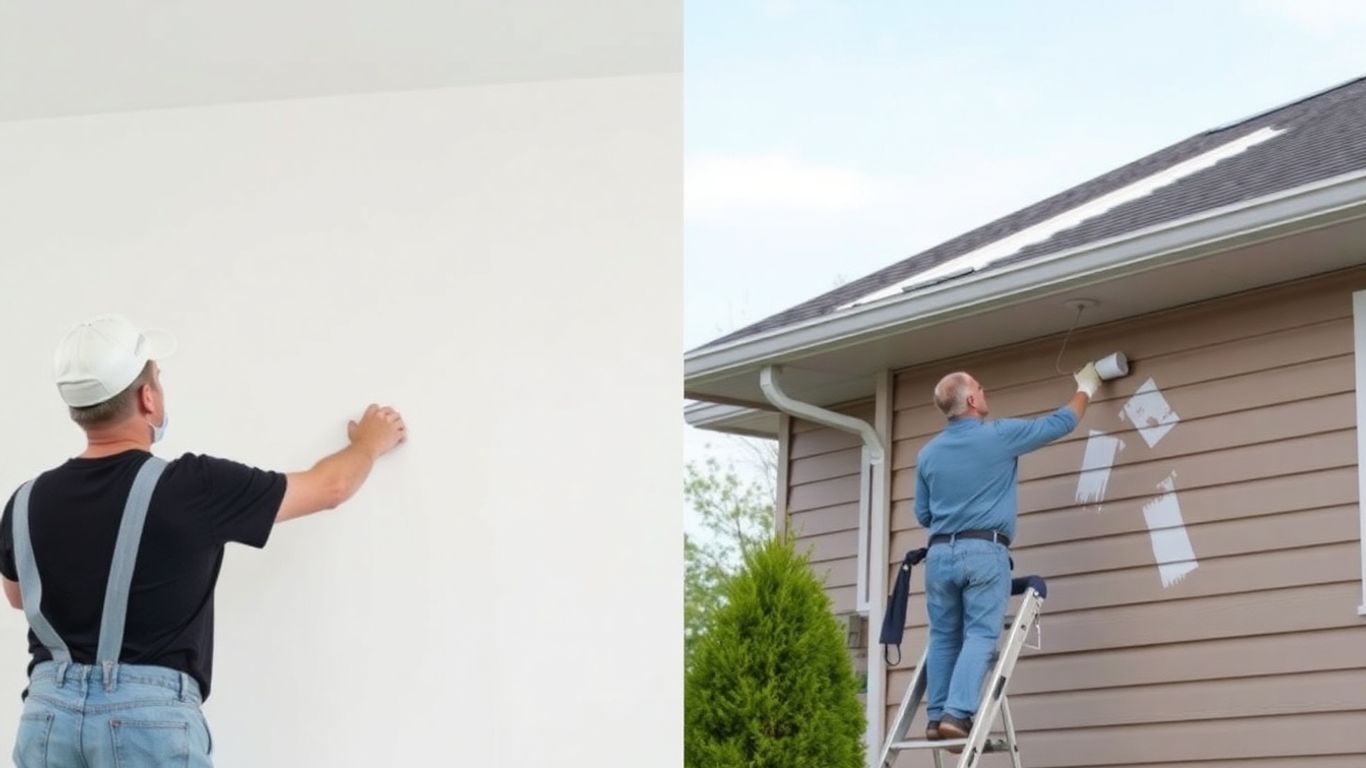
Deciding whether to paint your home yourself or hire someone can be a real head-scratcher. It's not just about picking a color, you know? There are definitely times when grabbing a brush makes sense, and other times when you really should call in the pros. We're talking about Interior vs. Exterior Painting: What Requires a Pro and Why, so let's break down when it's smart to DIY and when it's better to let someone else handle the hard work.
Key Takeaways
- For interior painting, high ceilings, tricky finishes, damaged walls, or lead paint situations are good reasons to hire a professional.
- Simple interior jobs like accent walls or minor touch-ups are usually fine for DIY.
- Exterior painting often needs a pro due to weather, safety concerns with heights, and the need for a durable, consistent finish.
- DIY exterior painting carries risks like ladder falls and damage from weather if not done carefully.
- Proper surface prep, including cleaning, sanding, and priming, is vital for any paint job, whether you DIY or hire a pro.
When to Consider Professional Interior Painting
While the idea of painting your home's interior yourself might seem appealing, there are definitely times when calling in the pros makes more sense. It's not just about saving yourself some sweat; it's about getting the best possible outcome for your space.
Addressing High Ceilings and Difficult Access
If your home has soaring ceilings or tricky nooks that are hard to reach, attempting to paint them yourself can be a real challenge. Balancing on ladders or scaffolding can be dangerous, and it's easy to end up with uneven coverage or drips. Professionals have the right equipment and experience to safely and effectively tackle these high or awkward spots. They know how to use extension poles and specialized ladders to get a smooth finish without risking a fall.
Applying Specialty Finishes and Textures
Thinking about a unique look like a metallic finish, a textured effect, or a high-gloss sheen? These types of paints can be unforgiving. They often highlight every little imperfection on the wall, and applying them evenly requires a practiced hand. If you're not experienced with these materials, you might end up with streaks, blotches, or a finish that just doesn't look right. Hiring a professional painting contractor ensures your interior painting project is handled with professionalism and reliability.
Restoring Walls in Poor Condition
Got walls that have seen better days? If your walls have significant damage, like deep gouges, large holes, or peeling paint that goes beyond a simple spackle job, it's time to consider professional help. Repairing extensive drywall damage or properly preparing surfaces with multiple layers of old paint requires skill and the right tools. A pro can assess the damage and perform the necessary repairs to create a smooth, paint-ready surface.
Managing Lead Paint Abatement
If your home was built before 1978, there's a good chance the old paint contains lead. Dealing with lead paint is a serious health hazard, and improper removal can release dangerous dust into your home. Proper lead paint abatement requires specific safety protocols and disposal methods. Professionals are trained and equipped to handle lead paint safely, protecting both your family and the environment. It's a job where cutting corners is simply not an option.
Evaluating DIY Interior Painting Viability
Thinking about tackling that interior paint job yourself? It's totally understandable. For many homeowners, the idea of saving money and getting a sense of accomplishment is pretty appealing. And honestly, for certain projects, DIY is a great way to go. It really comes down to the specifics of what you're trying to achieve and your comfort level with the process.
Simple Color Changes and Accent Walls
If your goal is a straightforward refresh, like changing a room from beige to a slightly different shade of beige, or maybe painting just one wall a bold new color, you're probably in good shape for a DIY approach. These kinds of projects are usually manageable for most people. You'll need basic supplies like brushes, rollers, painter's tape, and of course, the paint itself. It's a good way to dip your toes into painting without getting overwhelmed.
- Assess the room size: Smaller rooms are generally easier to manage for a DIYer.
- Consider the color change: A drastic color change, like from dark to light, might need more coats, which can be time-consuming.
- Factor in your time: Do you have a free weekend or two to dedicate to this?
For simple updates, the cost savings of doing it yourself can be quite significant compared to hiring a professional painter.
Minor Touch-Ups and Small Areas
Got a scuff mark on the wall from moving furniture? Or maybe a small patch where the paint chipped near a doorway? These are perfect candidates for DIY. You likely already have some leftover paint, or you can buy a small sample pot. It's a quick fix that can make a big difference in how a room looks without a lot of fuss.
- Gather your tools: A small brush or a mini roller is usually all you need.
- Match the paint: Try to get the exact same paint color and sheen if possible.
- Clean the area: Wipe down the spot before you start painting.
Budget-Conscious Projects with Ample Time
If you're on a tight budget and don't have a pressing deadline, DIY interior painting can be a smart move. You'll need to account for the cost of paint, primer, brushes, rollers, trays, drop cloths, and maybe even a ladder if you're painting higher areas. But if you plan it out and take your time, you can definitely save money. It's also a chance to learn new skills and really get to know your home better.
| Item | Estimated DIY Cost | Notes |
|---|---|---|
| Paint | $50 - $200 | Depends on room size and paint quality |
| Primer | $20 - $50 | May be needed for color changes or repairs |
| Brushes & Rollers | $30 - $75 | Quality tools make a difference |
| Tape & Drop Cloths | $20 - $40 | Protects surfaces and edges |
| Total Estimate | $120 - $365 | Excludes potential tool rentals |
Remember, the biggest factor here is your time. If you value your time highly, or if you have a lot of other commitments, the cost of your time might outweigh the savings from DIY.
Exterior Painting: When Professional Expertise is Crucial
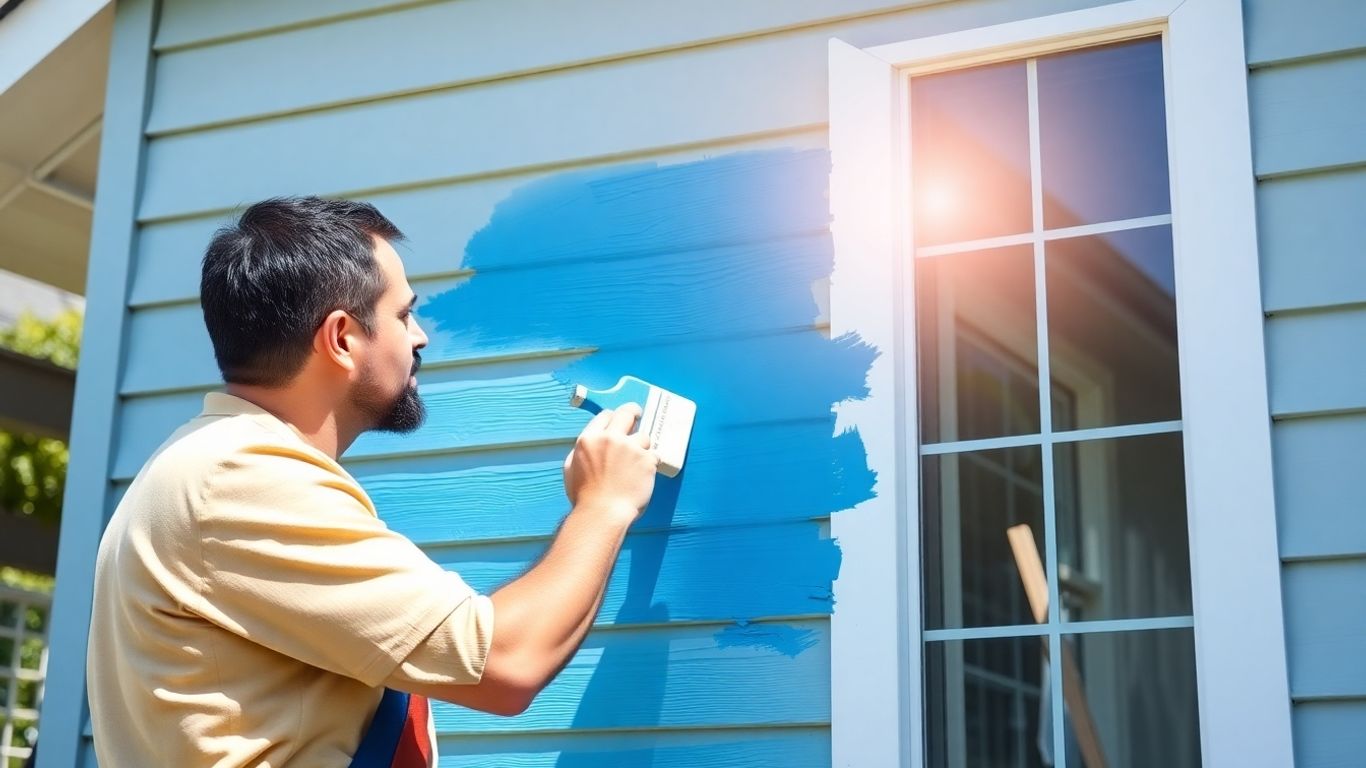
While the idea of saving money by tackling exterior painting yourself might be tempting, there are several situations where bringing in the pros is a much smarter move. It's not just about slapping paint on a wall; it's about protecting your home and making it look its best. For many homeowners, the complexity and risks involved in exterior work mean hiring a professional painter is the way to go.
Navigating Exterior Weather Challenges
Painting the outside of your house means dealing with Mother Nature, and that's not always easy. Different types of weather can really mess with how paint goes on and how long it lasts. For instance, extreme heat can make paint dry too fast, leading to brush marks or an uneven finish. On the flip side, if it's too cold or humid, the paint might not cure properly, which can cause peeling or blistering down the road. Professionals know the ideal conditions for painting and can adjust their schedule to match. They also know which types of paint and primer work best in your specific climate, helping to avoid common weather-related problems. Getting the right paint for your home's exterior is important, and pros can guide you on that.
Ensuring Safety on Large or Multi-Story Homes
Let's be honest, climbing ladders, especially on taller homes, can be pretty dangerous. If your house has multiple stories, steep rooflines, or tricky architectural features, trying to paint it yourself puts you at a significant risk of falling. Professionals have the proper safety equipment, like scaffolding and extension ladders, and they know how to use them safely. They are also trained in working at heights. This means they can reach those high spots without putting themselves or your property in danger. Their experience with safety protocols significantly reduces the chance of accidents.
Achieving Consistent and Lasting Exterior Finishes
Getting a smooth, even coat of paint on the entire exterior of your house is harder than it looks. Professionals have the skills and tools to apply paint uniformly, ensuring there are no missed spots, drips, or uneven patches. They understand surface preparation, which is key to a good finish. This includes cleaning, sanding, and priming surfaces correctly so the paint adheres well and lasts longer. They also know how to handle different materials, like wood, vinyl, or stucco, to get the best results. A professional paint job not only looks better but also provides better protection against the elements for years to come.
Boosting Curb Appeal for Home Sales
When it's time to sell your home, first impressions really count. The exterior paint is often the first thing potential buyers see, and a fresh, well-maintained paint job can make a huge difference in how attractive your home appears. It signals that the house has been well cared for. Professionals can give your home that polished look that attracts buyers and can potentially increase your home's value. They can help you choose colors that appeal to a wide range of buyers and execute the job flawlessly, making your home stand out in the market. A good exterior paint job can really help sell your house faster.
DIY Exterior Painting: Understanding the Risks
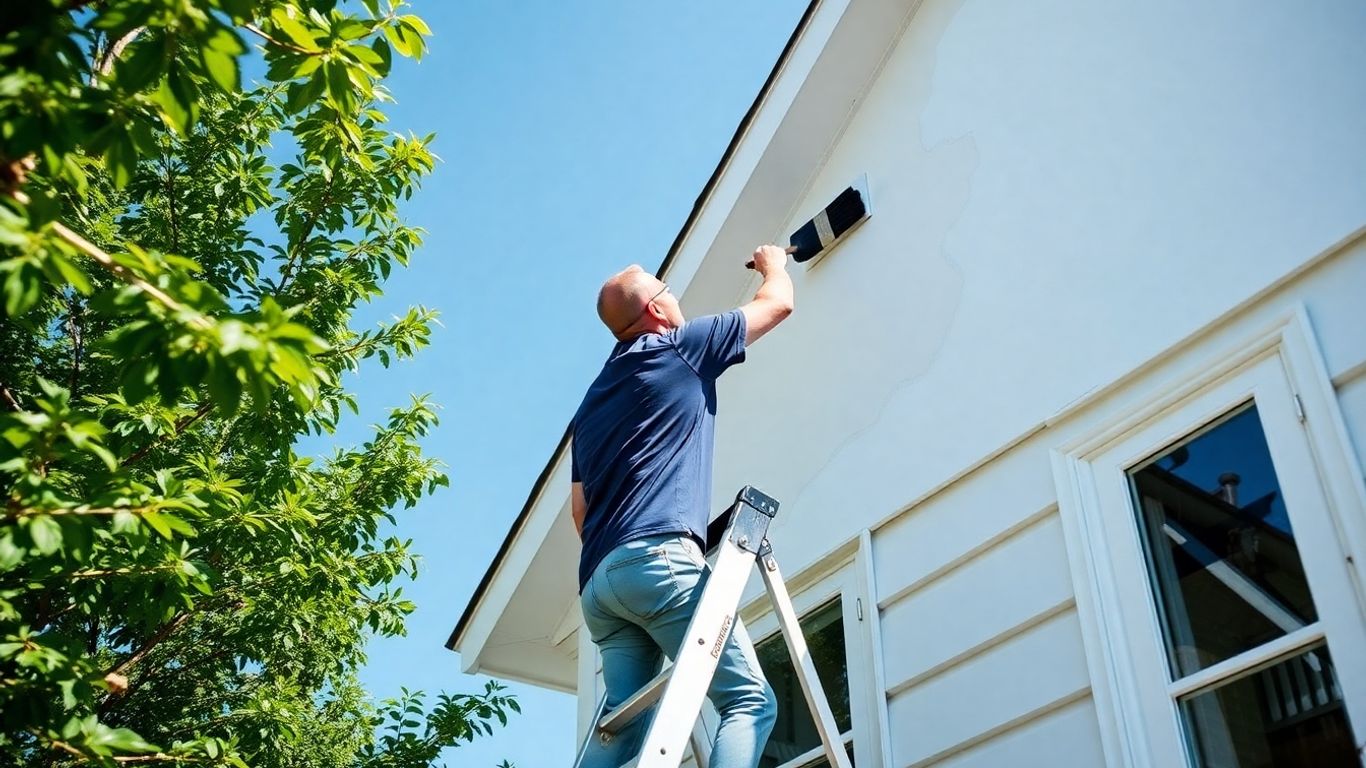
Thinking about tackling your home's exterior paint job yourself? It's a big undertaking, and while the idea of saving money is appealing, there are definitely some significant risks involved that you should consider before you even open a can of paint.
Assessing the Scope of Exterior Projects
Painting the outside of your house isn't like painting a single room. You're dealing with a much larger surface area, often multiple stories, and a variety of materials that all need different kinds of attention. It's easy to underestimate just how much time and effort goes into prepping and painting an entire exterior. You need to think about:
- Surface Condition: Is there old, peeling paint? Are there cracks or holes in the siding? Does the wood need repair?
- Home Size and Shape: A simple ranch is one thing, but a multi-story Victorian with lots of trim and architectural details is a whole different ballgame.
- Material Types: Different siding materials (wood, vinyl, stucco, brick) require specific cleaning methods and paint types.
Many DIYers find themselves overwhelmed by the sheer scale of exterior projects. What seems like a weekend job can easily turn into a multi-week commitment, especially when you factor in unexpected issues that pop up during prep work.
Managing Ladder Safety and Heights
This is probably the most obvious risk. Working at heights, especially on ladders or scaffolding, is inherently dangerous. You're not just painting; you're balancing, reaching, and often working in less-than-ideal conditions. Falls from ladders are a leading cause of serious injury in home improvement projects.
Here's what to keep in mind:
- Ladder Stability: Ensuring your ladder is on level, firm ground is critical. Even a slight wobble can lead to a fall.
- Overreaching: It's tempting to stretch to reach a spot instead of moving the ladder, but this is a common cause of accidents.
- Weather Conditions: Painting in windy or wet conditions adds another layer of danger to working at height.
Dealing with Weather-Sensitive Surfaces
Exterior paint is exposed to the elements 24/7. This means the paint needs to be applied under specific weather conditions to perform correctly and last. If you get the timing wrong, you could be looking at premature peeling, blistering, or fading.
Consider these factors:
- Temperature: Most paints have specific temperature ranges for application. Too cold, and the paint won't cure properly. Too hot, and it can dry too quickly, leading to brush marks.
- Humidity: High humidity can slow down drying times and affect paint adhesion.
- Rain: You absolutely cannot paint if rain is in the forecast, as it can wash away the paint before it dries or cause streaks.
If your home was built before 1978, you also need to be aware of potential lead paint hazards during the scraping and sanding process, which requires special handling procedures. You can find more information on lead paint safety at lead paint safety.
The cost of a professional exterior paint job can seem high upfront, but when you factor in the potential costs of DIY mistakes—like needing to redo the job, injury, or damage to your home—hiring a professional often proves to be the more economical choice in the long run.
The Importance of Surface Preparation
You know, painting isn't just about slapping some color on the walls. It's like baking a cake – if you don't get the ingredients and prep right, the whole thing can fall flat. For painting, that means getting the surfaces ready. Skipping this part is a common mistake DIYers make, and it really shows in the final result. Professionals, on the other hand, treat surface prep like it's the most important step, because, honestly, it kind of is.
Meticulous Cleaning and Degreasing
Before any paint touches your walls, they need to be spotless. Think about it: if you're trying to stick a sticker onto a greasy surface, it's not going to hold well, right? Paint is similar. Dirt, dust, grease, and even old cleaning product residue can all prevent the new paint from sticking properly. Professionals will wash down walls, often using specialized cleaners for tougher spots like kitchens or bathrooms where grease and grime build up. They'll rinse thoroughly to make sure no cleaning solution is left behind, which could also interfere with adhesion. This step might seem basic, but it's absolutely vital for a smooth, lasting finish.
Sanding for Optimal Adhesion
Even after cleaning, surfaces aren't always perfectly smooth. There might be old, peeling paint, rough patches, or glossy finishes that need a little help to let the new paint grip. This is where sanding comes in. A light sanding can scuff up a glossy surface, creating tiny grooves for the paint to grab onto. It also smooths out any bumps or imperfections. Professionals use different grits of sandpaper depending on the surface and the condition it's in. They're careful not to over-sand, which could damage the drywall or plaster underneath. It’s a bit of a balancing act, but getting it right means the paint will adhere much better and is less likely to chip or peel later on. It’s a key part of proper surface preparation.
Strategic Priming for Durability
Primer is like the unsung hero of painting. It's not just a base coat; it's a problem-solver. If you're painting over a dark color with a lighter one, primer helps block the old color so you don't need as many coats of your new paint. It also seals porous surfaces, like new drywall or repaired areas, so they don't soak up the paint unevenly. For stained walls, a good stain-blocking primer is a lifesaver. Professionals know when and where to use primer, and they choose the right type for the job – whether it's for adhesion, stain blocking, or sealing. Applying primer correctly sets the stage for the topcoats, making them look better and last longer. It really makes a difference in the overall quality and durability of the paint job.
Understanding Project Timelines and Quality Expectations
Meeting Tight Deadlines with Professionals
When you've got a deadline looming, like family visiting next week or a house sale closing soon, trying to DIY a paint job can be a real gamble. Professionals, on the other hand, are built for speed and efficiency. They have the right tools and a practiced team that knows how to move quickly without messing up. What might take you a whole weekend, or even longer, they can often wrap up in a day or two. This means less disruption to your life and your home looking its best right when you need it to.
Achieving Flawless Results
Let's be honest, getting that perfect, smooth finish with crisp lines can be tough. DIY painting often comes with little mistakes – a drip here, a slightly uneven coat there. Professionals have the skill and the eye for detail that comes from doing this day in and day out. They know how to prep surfaces properly, apply paint evenly, and cut in edges cleanly. The difference in the final look can be pretty dramatic, making your walls look like they belong in a magazine.
The Value of Professional Warranties
One thing you usually don't get with a DIY paint job is a guarantee. If something goes wrong, like paint peeling or an uneven finish, you're on your own to fix it. Many professional painting companies, however, stand by their work. They might offer a warranty that covers certain issues for a period after the job is done. This gives you peace of mind knowing that if any problems pop up, the painters will come back and make it right, which is a pretty big deal when you're investing in your home.
When you're weighing up DIY versus hiring pros, think about what you really want from the project. If you're aiming for a quick refresh and don't mind a few imperfections, DIY might be fine. But if you need a high-quality finish, have a tight schedule, or just want the job done right the first time with minimal fuss, bringing in the experts makes a lot of sense. It's about matching the project's demands with the right approach.
Cost Considerations: DIY vs. Hiring Professionals
When you're looking at painting your home, either inside or out, figuring out the cost is a big part of the decision. It's easy to think that doing it yourself will always save you money, but that's not always the whole story. You really need to look at all the pieces involved.
Calculating the True Cost of DIY Materials and Time
Going the DIY route might seem cheaper upfront, but let's break down what you're actually spending. You'll need to buy paint, obviously, but also brushes, rollers, trays, painter's tape, drop cloths to protect your floors and furniture, and maybe even a new ladder or extension pole if you don't have them. Even for a small job, these supplies can add up. Plus, if you're not experienced, you might end up buying more paint than you need because of mistakes or needing extra coats. And then there's your time. How many weekends are you willing to give up? If you have to take time off work to get it done, that's lost income, too. It's not just about the money you spend at the store; it's about the value of your own time and the potential cost of fixing errors.
Understanding Professional Labor and Material Investments
When you hire professionals, you're paying for more than just the paint. You're paying for their skill, their experience, and the fact that they know how to get the job done right the first time. This includes all the prep work, which is super important for a good finish, and the cleanup afterward. Pros often get discounts on materials, so while they might use higher-quality paint, their bulk buying can sometimes offset that. The biggest chunk of the cost is their labor – they're professionals, and their time and skill have a price. It's an investment in a job done efficiently and correctly.
The Long-Term Value of Professional Work
Think about it this way: a professional paint job is usually built to last. They know which primers to use, how many coats are needed for durability, and how to apply the paint so it looks good for years. This means you might not have to repaint as often as you would with a DIY job that might have minor flaws or wear out faster. Many professional painters also offer warranties on their work. If something goes wrong, like paint peeling or an uneven finish appearing later, they'll often come back and fix it. That kind of peace of mind, knowing the job is guaranteed, can be worth a lot in the long run, potentially saving you money and hassle down the road.
It's easy to get caught up in the immediate savings of DIY, but consider the total picture: materials, tools, your time, potential mistakes, and the longevity of the finish. Sometimes, paying a bit more upfront for a professional job means better results and less stress over time.
Thinking about tackling a painting project yourself or hiring someone? Doing it yourself can save money, but it takes a lot of time and effort. Hiring pros costs more upfront, but they have the skills and tools to get the job done right and fast. Weighing these options is key to staying on budget. For expert help that saves you hassle, check out our services at John Melendez Paint Company.
Making the Right Choice for Your Home
So, when it comes down to it, deciding whether to grab the brush yourself or call in the pros really depends on your situation. If you're just looking to freshen up a small room with a simple color change and your walls are in pretty good shape, going the DIY route can be a totally doable weekend project. But, if you're staring at really high ceilings, dealing with walls that need a lot of work, or thinking about using some fancy paint finishes, it might be time to let someone else handle it. Professionals have the gear and the know-how to get those tricky jobs done safely and looking great. Ultimately, picking the right approach means you'll end up with a space you love, without all the added stress.
Frequently Asked Questions
When is it better to hire a pro for interior painting?
It's a good idea to call a professional if your ceilings are really high, you're using special paints that are tricky to apply, your walls have big damage, or if you suspect lead paint from an older home.
Can I paint my interior walls myself?
Yes, if you're just changing the color, painting a single wall, or doing small touch-ups on walls that are in good shape. It's also fine if you have plenty of time and want to save some money.
Why would I need a pro for exterior painting?
Professionals are essential for exterior painting because they can handle tough weather, work safely on tall houses or roofs, make sure the paint looks even and lasts a long time, and help make your home look its best for selling.
What are the risks of painting my home's exterior myself?
Doing it yourself can be risky if the project is big, you're not comfortable with ladders and heights, or if the weather isn't right for painting. You might end up with a finish that doesn't last or even get hurt.
Why is preparing the surface so important before painting?
Getting the surface ready is super important! It means cleaning off all the dirt and grease, sanding down any bumps or old paint, and putting on a special coat called primer. This makes sure the new paint sticks well and looks great for a long time.
How do professionals ensure a high-quality paint job?
Pros work faster because they're experienced, they can get perfect results that look really smooth, and they often offer a guarantee. This means if something goes wrong, they'll fix it, giving you peace of mind.


Comments
Post a Comment