How to Choose the Right Painting Contractor for Your Home: A Comprehensive Guide
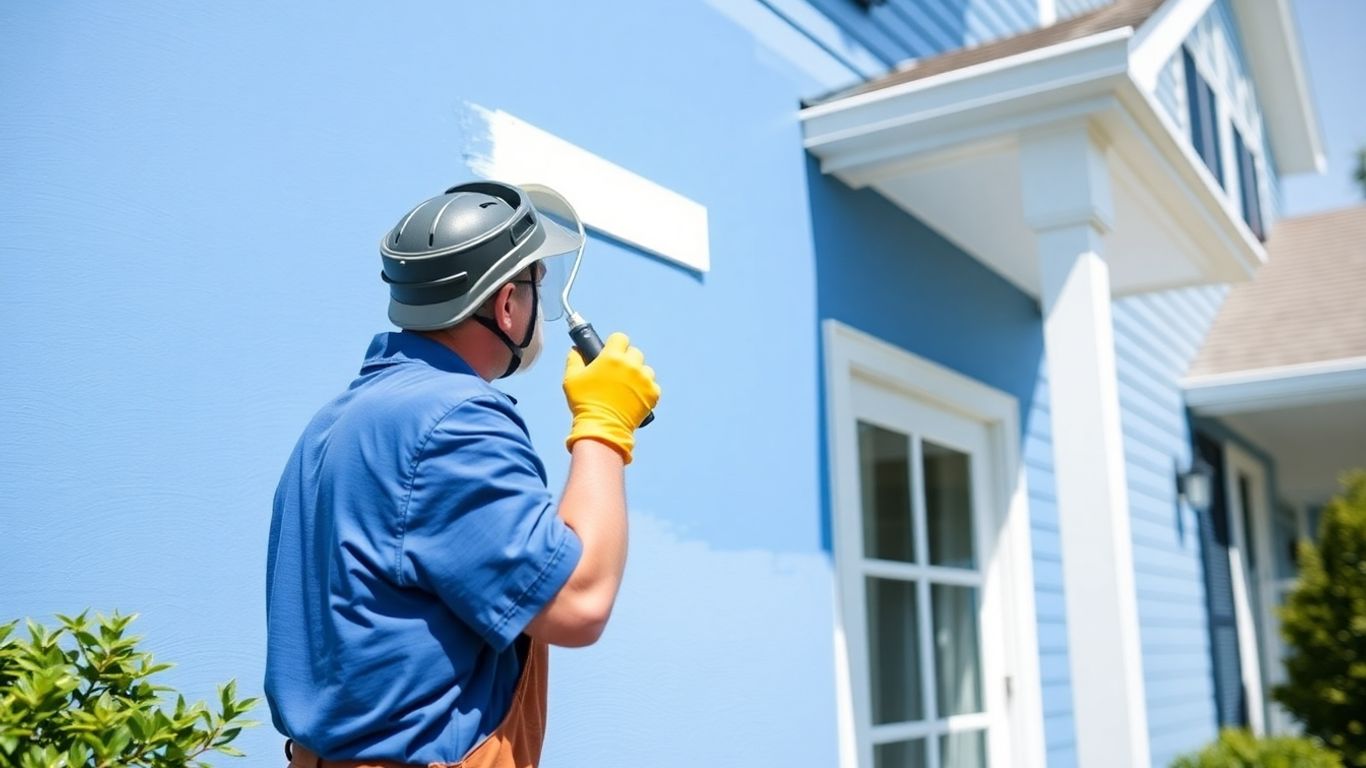
Thinking about painting your home? It's a great way to freshen things up. But finding the right person to do the job can feel like a big task. There are so many painting companies out there, and you want someone good, right? You want your walls to look amazing, not like a kid finger-painted them. This guide is here to help you figure out how to choose the right painting contractor for your home. We'll walk through the important stuff so you can get a great paint job without the headache.
Key Takeaways
- Always check if a painting contractor is licensed and insured. This protects you if something goes wrong.
- Look at their past work and ask for references. Seeing previous jobs and talking to past clients tells you a lot about their quality.
- Make sure you understand the contract fully, including what work will be done, the cost, and the timeline.
- Get quotes from a few different painters. Compare what they include, not just the price, to find the best value.
- Ask about their safety practices, like using protective gear and safe ladder use, especially for interior jobs.
Verify Credentials and Experience
Before you hand over the keys and a deposit, it’s smart to do a little homework on the painting contractor. Think of it like checking out a new restaurant before you commit to a big dinner – you want to know they’re legit and can actually deliver a good meal, or in this case, a good paint job.
Confirm Licensing and Insurance
First things first, make sure the painter is properly licensed and insured. Licensing means they’ve met certain standards set by your state or local government, which is a good sign they know what they’re doing and are operating legally. Insurance is even more important. You need to know they have both general liability insurance (in case they accidentally damage your property) and workers’ compensation (if one of their crew members gets hurt on your job). This protects you from being held responsible for any accidents or mishaps. Without these, you could be on the hook for some serious costs.
Assess Years in Business
How long has the company been around? A contractor who’s been in business for several years, say five or more, usually means they’re stable and have a good reputation. They’ve likely weathered different economic times and have a solid understanding of the painting business. It’s not a hard and fast rule, but generally, more experience points to more reliability.
Examine Portfolio of Past Work
Every painter will say they do great work, but seeing is believing. Ask to see examples of their previous projects. A good contractor will have a portfolio, either online or in print, showing off their interior and exterior jobs. Look at the quality of the finish, the neatness of the lines, and the overall appearance. If they can’t show you examples or seem hesitant, that’s a red flag. You want to see real homes they’ve painted, not just generic stock photos.
Doing this initial check might seem like a hassle, but it saves a lot of potential headaches down the road. It’s about finding someone you can trust to do a good job without causing you extra stress or expense.
Evaluate Work Quality and References
You've checked their paperwork and experience, but how good is their actual painting? This is where looking at past jobs and talking to people they've worked for really comes in handy. It’s not just about pretty pictures; it’s about seeing if they do solid work that lasts.
Review Customer Testimonials
Online reviews and testimonials are a good starting point. Look for comments that talk about the details: Did they show up on time? Was the crew respectful? Did they clean up after themselves? Most importantly, are people happy with how the paint job turned out?
Don't just skim the five-star reviews. Sometimes, the most helpful feedback comes from the three-star ones, where people might mention specific issues that were still resolved well. It gives you a more balanced picture.
Request References from Past Clients
A contractor who is confident in their work will happily give you names and numbers of people they've worked for recently. When you call these references, have a few questions ready:
- Did the project start and finish around the agreed-upon dates?
- How professional and tidy was the painting crew?
- Were you satisfied with the final look of the paint job?
- Would you hire this painter again for another project?
Inspect Previous Projects in Person
If possible, ask if you can see some of their completed work firsthand. Photos can be deceiving, but seeing a job in person tells a different story. When you visit, check for:
- Even paint application: Look for consistent color and no streaks or drips.
- Clean lines: Pay attention to the edges where different colors meet or where paint meets trim.
- Surface preparation: Does the paint look like it's adhering well, or are there signs of peeling or bubbling?
- Overall finish: Does the paint look smooth and professional, or are there imperfections like dust or debris trapped in the paint?
Understand the Contract and Warranty
So, you've found a painter you like, but before you shake hands and call it a day, there's a really important step: the contract and warranty. This isn't just a formality; it's your roadmap and your safety net for the whole project. Getting this right means fewer headaches down the road, trust me.
Scrutinize the Scope of Work
This part spells out exactly what the painter is going to do. It should be super clear, leaving no room for guessing. Think about:
- Preparation: What exactly will they do to get the surfaces ready? This includes things like cleaning, sanding, and patching holes. A good contract will detail this.
- Painting: Which areas are getting painted? What colors and finishes are being used? Are they doing one coat or two? It all needs to be written down.
- Clean-up: Who's responsible for cleaning up the mess afterward? This should be clearly stated, so you don't end up with paint splatters and dust everywhere.
A detailed contract protects both you and the painter. It makes sure everyone knows what's expected and avoids misunderstandings later on.
Clarify Project Timeline and Costs
Nobody likes surprises when it comes to time or money. The contract should lay out:
- Start and End Dates: When will the work begin, and when is it expected to finish? Be realistic, as weather or other issues can sometimes cause delays.
- Payment Schedule: How and when will you pay? Most pros won't ask for the full amount upfront. A common setup is a small deposit, payments at certain project milestones, and the final payment upon completion.
- Total Cost: This should be a clear, itemized figure. If there are separate costs for labor and materials, make sure that's broken down too.
Inquire About Warranty Coverage
A warranty shows that the painting company believes in their work. It's basically their promise that the paint job will hold up.
- What's Covered: Does the warranty cover peeling, blistering, or fading? Usually, it covers issues related to the application of the paint.
- How Long: Most warranties last anywhere from one to five years. Anything less might be a red flag.
- What's Not Covered: Things like damage from extreme weather or wear and tear from daily use are typically not included. Make sure you understand these exclusions.
Asking about a warranty and understanding its terms can give you real peace of mind long after the painters have packed up their brushes.
Compare Multiple Quotes for Fair Pricing

Getting a few different price estimates is a smart move when you're looking to hire someone to paint your house. It's not just about finding the cheapest option, though. You want to make sure you're getting good value for your money and that the work will be done right.
Gather Estimates from Several Contractors
Try to get quotes from at least three different painting companies. This gives you a good baseline to see what's typical for the kind of work you need done. When you get these quotes, make sure they're all for the same scope of work. If one quote is way lower than the others, it might mean they're cutting corners somewhere, maybe with the materials or the prep work. On the flip side, the highest quote doesn't automatically mean the best quality either. You're looking for that sweet spot between a fair price and good craftsmanship.
Analyze Labor and Material Costs
When you look at the quotes, see if they break down the costs. A good quote will show you how much is for the actual labor and how much is for the paint and other supplies. This helps you understand where your money is going. Some painters might use cheaper paint to keep their costs down, but that can lead to problems later, like fading or peeling. Always ask what brands of paint they plan to use and if they're good quality.
Identify Potential Hidden Costs
Be on the lookout for anything that might not be included in the initial quote. Does the price cover all the prep work, like sanding or fixing small cracks? What about moving furniture or covering up your belongings? And what about cleaning up afterward? A contractor who is upfront about all potential costs, even the small stuff, is usually a sign of honesty. It's best to have everything written down in the contract so there are no surprises later on.
It's really important to get everything in writing. A detailed contract protects both you and the painter. It should clearly state what work will be done, the timeline, and how much it will cost. If a contractor seems hesitant to put things in writing, that's a big warning sign.
Here’s a quick checklist of what to look for in a quote:
- Detailed breakdown: Labor, materials, prep work, cleanup.
- Paint specifics: Brand, type, and number of coats.
- Timeline: Estimated start and end dates.
- Payment schedule: When payments are due.
- Warranty: What kind of guarantee is offered on the work.
Discuss Project Details and Materials

Understand Their Preparation Process
Before any paint hits the wall, the prep work is where the magic really happens. A good contractor won't just slap primer on and call it a day. They should be talking about cleaning surfaces, patching holes, sanding down rough spots, and maybe even applying a specific type of primer depending on the existing surface. It’s all about creating a smooth, clean canvas for the new paint to adhere to. Don't be afraid to ask them to walk you through their exact steps. This is also where they'll protect your belongings and floors.
Inquire About Paint Brands and Quality
So, what kind of paint are they planning to use? This is a big one. You want to know the brand and the specific product line. Are they using a premium, mid-range, or budget option? High-quality paints, like those from Sherwin-Williams, tend to cover better, last longer, and resist fading and mildew more effectively. Ask if they have experience with different brands and if they can recommend options based on your specific needs, like durability for high-traffic areas or low-VOC options for better air quality.
Confirm Use of Professional Tools
Think about it: would you rather have your house painted with worn-out brushes and rollers, or with top-notch equipment? Professional painters use specialized tools that make a difference in the final look. This includes things like high-quality brushes for cutting in edges, extension poles for reaching high spots, and sprayers for a super smooth finish on certain surfaces. It shows they take their work seriously and are invested in achieving a professional result.
The quality of the paint and the tools used directly impact the longevity and appearance of your home's paint job. Don't hesitate to ask detailed questions about these aspects; it's your home, after all.
Here’s a quick look at what to discuss:
- Surface Preparation: Cleaning, patching, sanding, priming.
- Paint Selection: Brand, product line, sheen (e.g., matte, eggshell, satin).
- Application Methods: Brushing, rolling, spraying.
- Number of Coats: Typically two coats for best coverage.
- Cleanup: How they'll leave the space tidy.
Prioritize Safety Standards
When you hire painters, you're not just paying for a fresh coat of paint; you're also paying for their commitment to doing the job safely. Painting can involve risks, from working at heights to dealing with fumes. It's important to know that the crew you hire takes these risks seriously.
Ensure Use of Protective Gear
Professional painters should always use personal protective equipment (PPE). This isn't just about looking the part; it's about protecting themselves and your property. Think about things like safety glasses to prevent paint or debris from getting into their eyes, gloves to protect their skin from chemicals, and respirators or masks, especially when working with certain types of paint or in poorly ventilated areas. A painter who shows up without the right gear might also cut corners elsewhere.
Verify Ladder Safety Practices
Working on ladders or scaffolding is a big part of painting, especially for taller homes or tricky spots. You want to make sure the crew knows how to use ladders correctly. This means checking that ladders are stable, set up on level ground, and used at the right angle. They should also be trained in safe climbing and moving techniques. It’s not uncommon for accidents to happen due to improper ladder use, so asking about their training in this area is a good idea.
Confirm Adequate Ventilation
For interior jobs, good ventilation is key. Paint fumes can be strong and unhealthy if they build up in a confined space. Professionals should know how to manage this, often by opening windows, using fans to circulate air, or recommending you vacate the area during certain stages of the work. They should be able to explain their plan for keeping the air fresh and safe while they work.
A painter who prioritizes safety will likely be more meticulous in other aspects of the job too. It shows a level of care and professionalism that extends beyond just the application of paint.
Assess Professionalism and Communication
Beyond just the paint job itself, how a contractor acts and talks to you really matters. It’s about more than just showing up on time; it’s about feeling comfortable and confident that they’re handling your home with care. A good painter isn't just skilled with a brush, they're also good at talking things through.
Evaluate Responsiveness to Inquiries
When you first reach out, how quickly do they get back to you? Do they answer your questions clearly, or do you have to chase them down? A contractor who is slow to respond early on might be just as difficult to reach once the work has started. It’s a good sign if they’re prompt and helpful from the very first contact.
Observe Communication Clarity
Can they explain the process, the timeline, and any potential issues in a way that makes sense to you? You want someone who doesn't use confusing jargon and is happy to clarify anything you don't understand. Clear communication helps avoid misunderstandings down the road.
Check for Punctuality and Respect
Do they show up for appointments on time? Do they treat your home and your property with respect? This includes things like keeping the work area tidy and protecting your belongings. A professional crew will be mindful of your space and conduct themselves appropriately throughout the project.
A contractor's attitude and how they interact with you can tell you a lot about the overall quality of their service. Don't underestimate the importance of good communication and a respectful demeanor; it can make a huge difference in your experience.
When you work with us, you'll see how much we care about doing a good job and talking clearly with you. We want to make sure you feel good about the work we do. Ready to make your home look its best? Visit our website today to learn more about our services!
Wrapping It Up
So, picking the right painting contractor isn't just about finding someone who can wield a brush. It's about doing your homework, checking out their past work, and making sure they're legit. By taking these steps, you're way more likely to find a crew that does a great job and makes the whole process pretty smooth. A good paint job can really make your home look its best, and finding the right people to do it means you won't have to worry about a thing. It’s about getting that fresh look you want without any of the headaches.
Frequently Asked Questions
How do I know if a painter is qualified to work on my house?
You should check if they have a license and insurance. A license means they follow local rules, and insurance protects you if something goes wrong. Also, look at their past work to see if they do good jobs.
Why is it important to check a painter's past projects and references?
Looking at past work and talking to previous customers helps you see the quality of their painting and how they treat clients. It's like getting a sneak peek of what you can expect for your own home.
What should be included in a painting contract?
A good contract clearly explains what work will be done, how long it will take, how much it will cost, and when payments are due. It should also mention any warranty they offer on their painting.
Should I get quotes from more than one painting company?
Yes, it's a good idea to get estimates from a few different painters. This helps you compare prices and services to make sure you're getting a fair deal for the work.
What kind of paint and tools should a professional painter use?
A good painter will use quality paint brands and professional tools to get a smooth, lasting finish. They should also explain their process for preparing your home and protecting your belongings.
Why is safety important when hiring painters?
Painters can face risks like falling from ladders or breathing in fumes. A good company will use safety gear, follow safe ladder practices, and ensure good airflow, especially inside, to protect their workers and your home.


Comments
Post a Comment