Beyond Faded Walls: 7 Clear Signs It’s Time to Repaint Your Home and Why Hiring a Pro Makes Sense
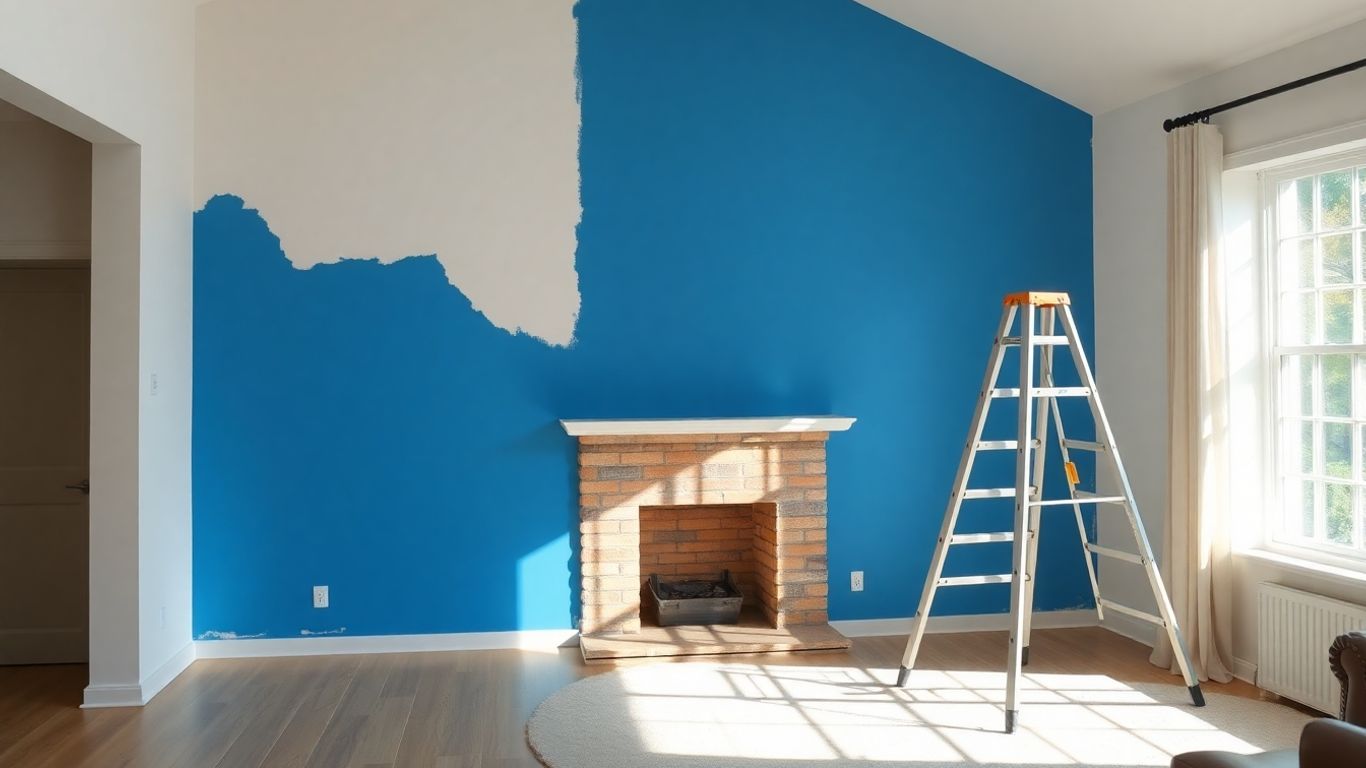
You know, sometimes you just look at your walls and think, 'Wow, they've seen better days.' It's easy to ignore those little scuffs or that patch of color that's not quite as bright as it used to be. But when do those small issues turn into a big problem? If you're wondering whether it's time for a fresh coat of paint, or if you should just call in the pros, we've got you covered. We'll walk you through the signs that your home is telling you it's time for a repaint and why hiring someone who knows what they're doing often makes the most sense.
Key Takeaways
- Visible chalking on surfaces is a clear sign your paint is breaking down and needs attention.
- Peeling or chipping paint isn't just unsightly; it indicates moisture issues and a compromised protective layer.
- Noticeable fading or significant scuff marks and smudges suggest the paint has lost its durability and visual appeal.
- Cracked caulk and water stains point to potential leaks and damage that a repaint should address.
- Hiring a professional painter ensures proper preparation, application, and a finish that lasts, saving you time and potential headaches.
1. Visible Chalking
You know that powdery residue you sometimes feel on your hands after touching your house's exterior? That's chalking, and it's a pretty clear sign your paint is breaking down. Over time, the sun's rays and weather can degrade the binder in the paint, leaving the pigment particles exposed and loose. It's like the paint is slowly turning back into dust.
This chalky film is essentially the paint's protective layer eroding away. You might notice it more on surfaces that get a lot of direct sun, like those facing west or south. A simple test is to wipe a section with a damp cloth; if a dusty film transfers, it's a signal that the paint's ability to shield your home is diminishing. You can often see a difference by comparing an exposed area to a spot that's been protected, like behind a house number or a light fixture. If the protected area looks significantly better, it's definitely time to think about a refresh.
Chalking happens when the paint binder breaks down, exposing the pigment. This powdery residue is a visual cue that the paint's protective qualities are weakening, making the surface vulnerable to further damage.
While it might seem like a minor cosmetic issue, persistent chalking means your home's exterior isn't getting the protection it needs. Addressing it sooner rather than later can prevent more serious problems down the line and help maintain your home's curb appeal. If you're seeing this powdery buildup, it's a good indicator that a professional painting service can assess the situation and recommend the best course of action to restore your home's finish and protection. They can help you choose new summer house paint colors that are formulated for durability.
2. Peeling or Chipping Paint
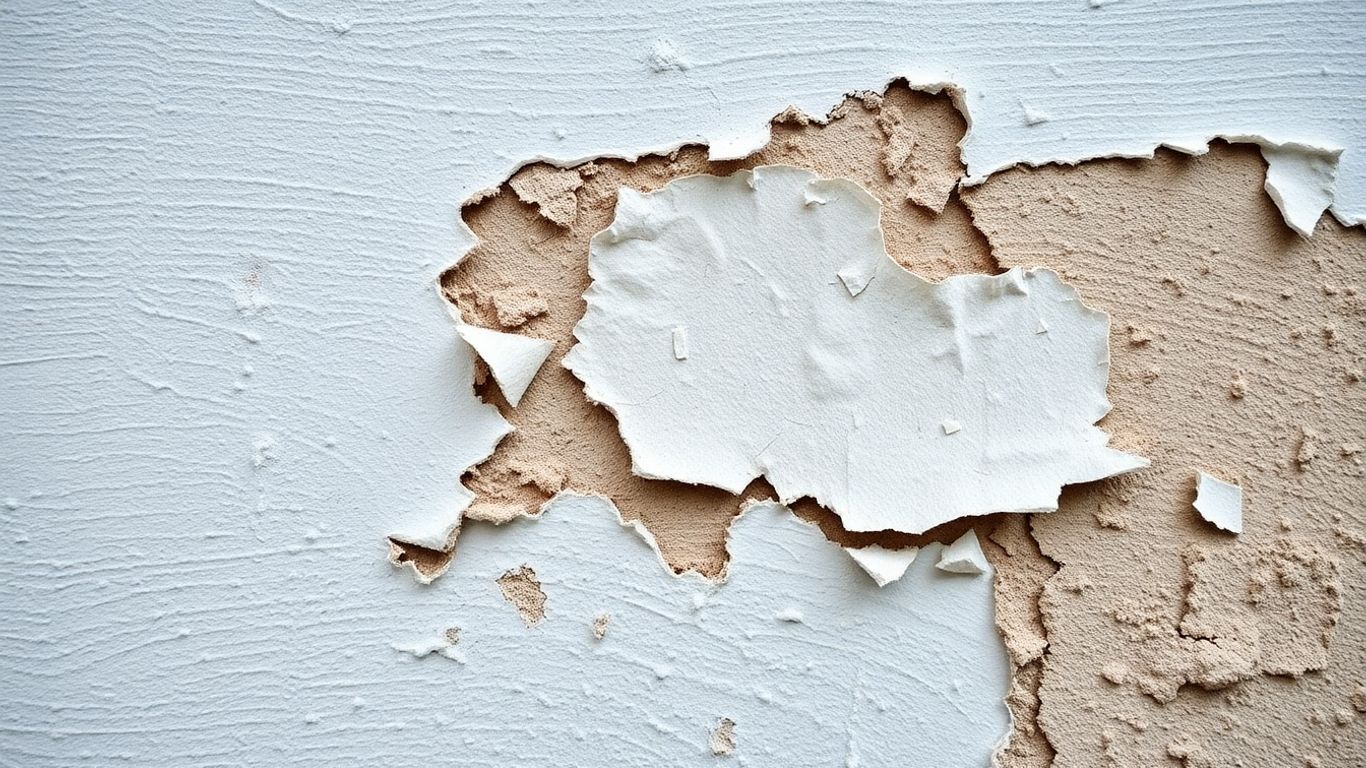
When paint starts to lift, bubble, or chip away from the surface, it's a pretty clear signal that it's time for a refresh. This isn't just about looks, though. Peeling paint means the protective layer is compromised, allowing moisture to get underneath. This can lead to bigger problems down the road, like wood rot or damage to the underlying material.
Several things can cause paint to fail like this. Sometimes, it's just the age of the paint – it's done its job and is ready to be replaced. Other times, it could be an issue with how the paint was applied in the first place. Maybe the surface wasn't prepped properly, or the wrong type of primer was used. Painting in bad weather conditions, like when it's too humid or too cold, can also mess with how well the paint sticks.
If you notice small spots of peeling, especially around windows, doors, or where different materials meet, it might seem like a quick fix is possible. You could try scraping and repainting just those areas. However, if the peeling is widespread, or if you see bubbling that suggests moisture is trapped, a simple touch-up probably won't cut it. You're likely looking at needing to scrape away all the loose paint, sand the area smooth, prime it, and then apply a new coat.
Trying to patch up peeling paint repeatedly can become a never-ending task. If the underlying adhesion has failed across large sections, you're just delaying the inevitable and potentially making the final repair more difficult.
Here are some things to look out for:
- Widespread peeling: If large sections of paint are flaking off, it's a definite sign.
- Bubbling or blistering: This often indicates moisture trapped beneath the paint layer.
- Cracking: Small cracks can let water in, leading to bigger peeling problems.
- Paint lifting easily: If you can easily scrape or peel off large sections of paint with a putty knife, the adhesion has failed.
3. Fading Colors
You know that feeling when you walk outside and your house just looks… tired? One of the biggest culprits is fading paint. Over time, the sun’s relentless rays can really do a number on your home’s exterior. What was once a vibrant shade of blue might now look washed out, especially on the sides that get the most direct sunlight. This isn't just about looks, though. Fading is often a sign that the paint's protective qualities are breaking down.
Think about it: the pigments that give your house its color are also part of the protective layer. When they fade, it means the binders holding the paint together are also degrading. This can leave your home more vulnerable to the elements.
Here are a few things to look for:
- Uneven Tones: Some areas might look significantly lighter than others, creating a patchy appearance.
- Chalky Residue: If you run your hand over the surface and it leaves a powdery mark, the paint is breaking down.
- Color Shift: The original color might have shifted to a duller or more muted version of itself.
The sun is a powerful force, and its UV rays are constantly working to break down your paint's color and protective qualities.
Comparing a faded section to an area that's been protected, like under a light fixture or behind a house number, can really show you how much the color has changed. If you notice a significant difference, it's a clear signal that a refresh is in order. Choosing a high-quality exterior paint with good UV resistance can make a big difference in how long your color stays true.
4. Scuff Marks and Smudges
Life happens, right? And sometimes, life leaves its mark on your walls in the form of scuffs, fingerprints, and general grime. Think about the areas around light switches, door frames, or where furniture might bump against the wall. These everyday interactions can leave behind noticeable marks that, over time, just make your paint look tired and dirty. While a quick wipe-down might handle a fresh smudge, older, ground-in marks can be really stubborn. If you find yourself constantly trying to scrub away these blemishes and they just won't budge, or if they're appearing all over the place, it's a pretty clear sign that your paint has seen better days. It might be time to consider a fresh coat that can withstand a bit more of life's daily wear and tear.
Trying to constantly clean scuffs can actually damage your paint finish over time, making the problem worse.
- Fingerprints and Handprints: Especially common in high-traffic areas or homes with kids.
- Furniture Marks: Scuffs from moving chairs, tables, or even just bumping things against the wall.
- General Grime: Dirt and dust that accumulates and gets pressed into the paint surface.
5. Cracked or Hardened Caulk
You know that flexible stuff they put around windows and doors, and along trim lines? That's caulk, and it's pretty important for keeping water out. Over time, though, it can dry out, get brittle, and start to crack or pull away from the surface. When you see gaps or splits in the caulk, it's a clear sign that water can now get in where it shouldn't. This might not seem like a big deal, but that moisture can seep behind your siding or into your window frames, leading to rot and other damage that's way more expensive to fix than just replacing some caulk.
Think of caulk as the little soldier guarding the entry points of your home. If that soldier gets tired and cracks, the enemy (water) can sneak in.
Here's why it matters:
- Water Intrusion: Cracks allow rain and humidity to get behind siding and into wall cavities.
- Energy Loss: Gaps let conditioned air escape and outside air seep in, making your heating and cooling systems work harder.
- Pest Entry: Small openings can also be an invitation for insects and other critters.
Replacing old, failing caulk is a relatively simple DIY task, but getting it right takes a bit of care. You need to remove the old stuff completely, clean the area, and then apply a new bead of high-quality exterior caulk. If you're not comfortable with this or if you have a lot of areas that need attention, it's definitely a job where a professional painter can save you time and ensure it's done properly, preventing future problems.
6. Water Stains
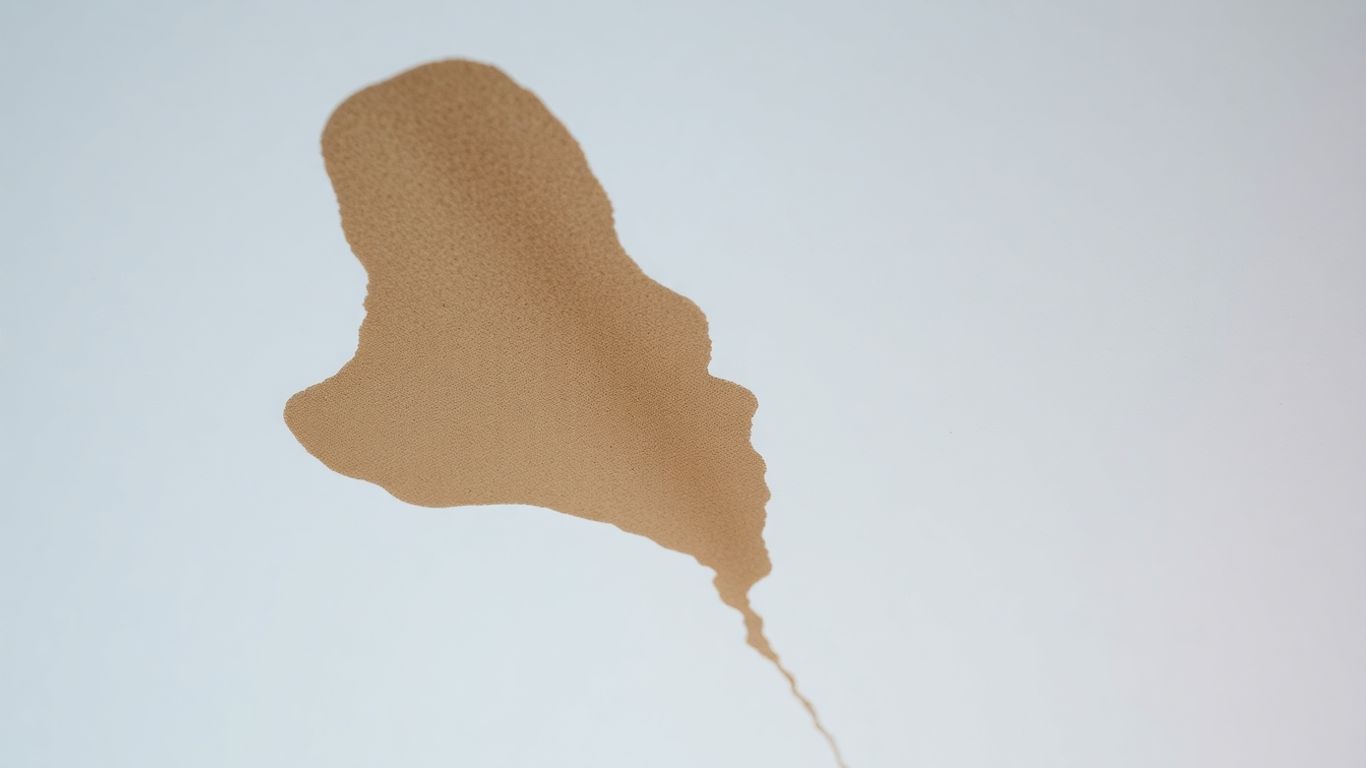
Water stains are more than just an eyesore; they're a clear signal that your home's exterior paint is no longer doing its job of protecting the underlying material. Think of paint as a shield. When that shield breaks down, water can seep in, causing all sorts of problems.
These stains often show up as dark streaks or patches, especially under eaves, around window frames, or where gutters might be leaking. They can indicate that the paint film has become porous, allowing moisture to penetrate. This can lead to wood rot, mold, and mildew growth, which can weaken your home's structure over time.
If you notice persistent water stains, it's a sign that the protective layer has failed. This isn't just about looks; it's about the health of your home's exterior. Addressing these issues promptly can prevent more significant and costly repairs down the line.
What causes these stains?
- Leaky Gutters: Clogged or damaged gutters can overflow, directing water down the sides of your house.
- Poor Drainage: If the ground around your foundation slopes towards your house, water can pool and wick up the walls.
- Cracked Paint: As mentioned, peeling or cracked paint allows water to get behind the coating.
- Faulty Flashing: The metal or plastic pieces around windows, doors, and chimneys can degrade, letting water seep in.
Dealing with water stains means not only repainting but also fixing the source of the water problem. A professional painter can help identify these issues and ensure the surface is properly prepared before applying new paint, which is key to preventing future stains.
7. Nail Pops
You know those little bumps you sometimes see on your walls, where a nail head is pushing out? Those are called nail pops, and they're a pretty clear sign that your paint job is on its last legs. It usually happens because the wood in your walls is expanding and contracting with changes in humidity, and over time, that movement pushes the nail out. You might also notice a small crack forming around the bump.
These aren't just cosmetic issues; they can actually lead to bigger problems down the road if left unaddressed.
When you see nail pops, it's a good indicator that the drywall or plaster might be stressed. If you've got a lot of them, or if they're accompanied by other signs like cracking or peeling, it's definitely time to think about a repaint. Trying to just patch over them without fixing the underlying cause is like putting a band-aid on a broken bone – it won't last. A professional painter will know how to properly address these issues, often by securing the drywall or plaster before they even think about applying new paint. This ensures the new paint job looks smooth and stays that way.
Here's a quick rundown of what to look for:
- Protruding Bumps: The most obvious sign is a raised area on the wall, often circular, where a nail head is pushing through the paint.
- Cracks: You might see small, vertical or horizontal cracks radiating from the nail pop.
- Multiple Occurrences: If you're spotting these in several places, it suggests a more widespread issue with your wall structure or humidity levels.
Dealing with nail pops means more than just filling a hole. It's about understanding what's causing the fastener to move in the first place. Ignoring them can lead to paint failure and more extensive wall damage, making a professional assessment and repair a smart move.
Nail pops can be a real nuisance, making your walls look less than perfect. These little bumps happen when the nail holding your drywall loosens. Don't let them ruin your home's appearance! Visit our website to learn more about common home repair issues and how we can help fix them.
Ready for a Fresh Look?
So, you've checked your walls, noticed the signs, and maybe even cringed a little. Whether it's the fading color on the living room wall or the peeling paint on the porch, knowing when it's time for a change is the first step. While a DIY paint job might seem like a money-saver, remember all the prep work, the right tools, and the time it actually takes. Often, hiring a professional painter means a smoother process, a better finish, and a result that truly lasts. Think of it as an investment in your home's look and protection. If you're ready to ditch the tired look and bring some new life into your space, getting a quote from a pro is a great way to start.
Frequently Asked Questions
How do I know if my house paint is actually bad?
Look for signs like chalky residue when you wipe the wall, paint that's peeling or bubbling up, or colors that have faded unevenly. Cracks in the caulk around windows and doors, water stains, or even nails popping out of the wall are also big clues that it's time for a refresh.
What's the difference between needing a touch-up and a full repaint?
If you only see a few small scuffs, minor fading in one spot, or a tiny bit of peeling in a single area, a touch-up might do the trick. But if you notice widespread peeling, lots of chalking, or significant fading across large sections, a full repaint is usually the better, longer-lasting solution.
Are lighter or darker colors better for my house's exterior paint?
Lighter colors are generally a good choice because they reflect more heat, which can keep your house cooler. They also tend to fade more slowly and gracefully than dark colors, especially in sunny areas. For trim and doors, using glossier finishes helps with cleaning and water resistance.
Why should I hire a professional painter instead of doing it myself?
Professionals have the experience and tools to do the job right, ensuring a smooth, even finish. They also handle all the prep work, like cleaning and repairing surfaces, which is crucial for a paint job that lasts. Plus, they can often finish the job much faster than a DIYer, saving you time and potential headaches.
How often should I expect to repaint my house?
Generally, most houses need repainting every 5 to 10 years. However, this can change depending on where you live (harsh weather means more frequent painting), the type of siding your house has, and how well the previous paint job was done. Regular maintenance, like washing your house and doing small touch-ups, can help extend the time between full repaints.
What are the most important steps a painter takes before applying new paint?
Proper preparation is key! This includes cleaning the surfaces thoroughly, fixing any cracks or holes, sanding down rough spots to help the new paint stick, and applying primer. Skipping these steps can lead to a finish that doesn't look good or last very long.


Comments
Post a Comment