Unveiling The Hidden Costs of DIY Painting: Is It Really Cheaper Than Hiring Pros?
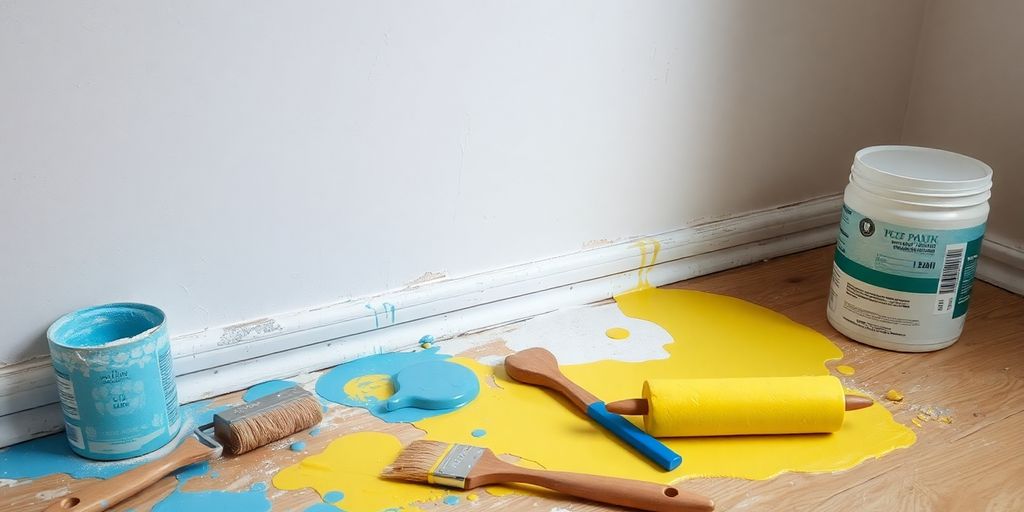
So, you're thinking about tackling that painting project yourself? It seems like a great way to save some cash, right? Many of us have been there, watching those quick DIY videos and thinking, 'How hard can it be?' But before you grab those brushes, let's get real about what goes into a paint job. It's not just about the paint itself; there are a bunch of other things that can sneak up on you, making that DIY dream a bit more complicated – and sometimes, more expensive – than you first imagined. We're going to break down The Hidden Costs of DIY Painting (And Why Pros Are Worth It) so you can make the best choice for your home.
Key Takeaways
- DIY painting costs can quickly escalate beyond just the price of paint, including essential tools like brushes, rollers, and ladders, which are often underestimated.
- Unexpected expenses can arise from common DIY mistakes such as uneven coverage or spills, often requiring additional materials or even starting over.
- The time commitment for DIY painting is substantial, often taking many more hours than anticipated and disrupting personal schedules, unlike the efficiency of professionals.
- Professional painters offer value beyond their price tag through meticulous preparation, quality materials, expert application, and often include warranties for peace of mind.
- For complex projects, tight deadlines, or when a flawless, long-lasting finish is desired, hiring professionals is generally the more practical and ultimately cost-effective solution.
Unveiling The Hidden Costs of DIY Painting
When you first think about painting your home yourself, it probably sounds like a great way to save some cash. And sure, the paint itself might be the most obvious cost, but there are a bunch of other things that can really add up, often catching people by surprise.
The True Cost of Materials and Tools
Beyond just the gallons of paint and primer, you'll need a whole arsenal of supplies. Think about it: you need good quality brushes for cutting in edges, rollers for the main walls, and trays to hold the paint. Don't forget painter's tape to keep those lines crisp, drop cloths to protect your floors and furniture, and maybe even a ladder or scaffolding if you're tackling high ceilings or the exterior.
Here’s a rough idea of what some of these basics can cost:
| Item | Estimated Cost Range |
|---|---|
| Brushes & Rollers | $30 - $75 |
| Painter's Tape | $10 - $25 |
| Drop Cloths | $20 - $50 |
| Paint Tray | $5 - $15 |
| Ladder/Scaffolding | $50 - $150 (rental) |
| Safety Gear | $20 - $50 |
And if you want a really smooth finish, you might need sandpaper, a putty knife for filling holes, or even a paint sprayer, which can add another $70 to $150 if you buy one.
Unexpected Expenses Beyond Paint
Sometimes, the real costs aren't the things you plan to buy, but the things you have to buy because something went wrong. Did you accidentally spill paint on your favorite rug? That's a new rug or a professional cleaning bill. Did you rush the prep work and now the paint is peeling in spots? You'll need to scrape, sand, and repaint those areas, using more paint and time.
It's easy to underestimate the sheer amount of prep work involved. Cleaning walls, filling cracks, sanding rough patches – it all takes time and can uncover issues you didn't notice at first glance.
For exterior jobs, you might even need permits, which have their own fees. Plus, if you're painting an older home, there's the potential need for lead paint testing and removal, which adds significant cost and complexity.
Budgeting for the Unforeseen
Because mistakes happen and you might need more supplies than you initially thought, it's smart to add a buffer to your budget. A good rule of thumb is to set aside an extra 10% to 15% of your estimated total for these unexpected hiccups. This way, you won't be caught short if you need an extra can of paint, a new roller cover, or have to fix a drip that ran down the wall. It's better to have a little extra and not need it, than to run out of funds halfway through the project.
The Time Investment: More Than Just a Weekend Project
When you decide to tackle a painting project yourself, it's easy to think, "How long can it really take?" You might picture a quick weekend job, maybe a long afternoon if you're feeling ambitious. But the reality of DIY painting often stretches far beyond those initial, optimistic estimates. What seems like a straightforward task can quickly consume your evenings and weekends for weeks, or even months, depending on the scope of the project.
The Extensive Time Commitment of DIY
Painting isn't just about applying coats of paint. A significant chunk of the time involved is dedicated to preparation, which is absolutely vital for a good finish. This includes moving furniture, covering surfaces, cleaning walls, patching holes, sanding, and applying primer. Each of these steps takes time and attention to detail. Then comes the actual painting, which often requires multiple coats, with drying time in between. Finally, there's the cleanup, which can be surprisingly time-consuming.
Here's a rough breakdown of how the hours can add up for a typical interior painting job:
- Preparation: 10-20 hours (moving items, cleaning, patching, sanding, taping, priming)
- Painting (2 coats): 30-60 hours (applying paint, waiting for drying)
- Cleanup & Touch-ups: 5-10 hours (removing tape, cleaning tools, final checks)
So, for a standard home, you're looking at anywhere from 45 to 90 hours of work. That's a serious time commitment, especially when you're juggling it with work, family, and other responsibilities.
Comparing DIY Timelines to Professional Efficiency
Professionals have the advantage of experience, specialized tools, and often, a team working together. This allows them to complete projects much faster. For instance, a professional crew might be able to paint a three-bedroom house in as little as 3 to 5 days. Compare that to the DIYer who might spread the same job over several weekends and weeknights. This difference in speed means less disruption to your daily life and a quicker return to enjoying your freshly painted space.
The efficiency of professionals isn't just about speed; it's about knowing the most effective way to move through each stage of the project, minimizing downtime and maximizing productivity.
The Impact of DIY on Your Routine
When you're doing the painting yourself, your entire schedule can get thrown off. Your living room might be unusable for weeks, or you might find yourself constantly interrupted by the need to prep, paint, or clean. This disruption can lead to stress and fatigue, turning what should be an improvement to your home into a source of ongoing annoyance. It's not just about the hours spent painting; it's about the ripple effect on your daily life and mental well-being.
The Risk of Errors and Costly Corrections
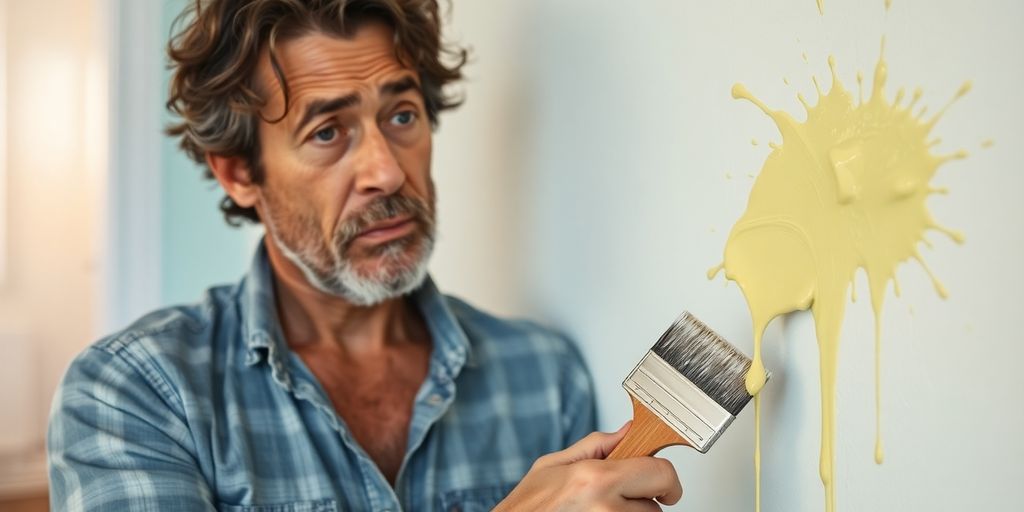
Common DIY Painting Mistakes
It's easy to think painting is just about slapping some color on the walls, but there's a lot more to it. When you're doing it yourself, especially for the first time, mistakes can happen. These aren't just little oopsies; they can actually cost you more time and money in the long run.
Some common slip-ups include:
- Poor Surface Preparation: Not cleaning walls properly, not filling holes, or not sanding can lead to paint that peels or looks bumpy. This means you'll likely have to scrape, sand, and repaint.
- Uneven Coats or Drips: Applying paint too thickly or not using a steady hand can result in drips and splotchy coverage. Fixing these often means more sanding and another coat of paint.
- Using the Wrong Tools or Techniques: Using a brush when a roller would be better, or vice versa, can lead to a less-than-smooth finish. Not using painter's tape correctly can also result in messy lines.
- Spills and Splatters: Accidents happen, and paint can end up on floors, furniture, or trim. Cleaning these up can be a hassle, and sometimes the stains are permanent, requiring replacement.
The Financial Impact of Rework
Every mistake you have to fix adds to the overall cost of your project. Think about it: you'll need to buy more paint, more primer, and maybe even new tools or supplies to correct the issue. If you have to buy extra materials because you measured wrong or had to redo a section, that's money out of your pocket. Sometimes, a small mistake can snowball into a much bigger problem that requires significant rework, effectively doubling the cost of that particular area. It's not uncommon for DIYers to end up spending 20% to 40% more than they originally planned just to fix errors.
Budgeting an extra 10% to 15% for unexpected issues is a smart move. It acts as a safety net, so you're not caught short if things don't go perfectly the first time around.
Ensuring Quality Through Proper Preparation
Professionals really shine when it comes to prep work. They know that a great paint job starts long before the first drop of paint hits the wall. This means cleaning surfaces thoroughly to get rid of dirt, grease, and grime. They'll sand down any rough spots and fill in cracks or holes to create a perfectly smooth canvas. Applying primer is also a key step; it helps the paint stick better and ensures a more even color. Skipping these steps, which is easy to do when you're eager to get painting, is a major reason why DIY jobs sometimes don't look as good or last as long as professional ones. Getting the preparation right the first time saves a lot of headaches and extra costs down the road.
Professional Painting: Value Beyond the Price Tag
Hiring professional painters involves more than just having someone apply paint to your walls. These services cover a lot of ground, offering a kind of value that makes the price tag seem more reasonable when you look at the whole picture. They handle everything from the messy prep work to the final cleanup, leaving you with a space that looks great without you having to lift a finger.
What Professional Services Encompass
When you hire pros, you're not just paying for the paint application. Their service usually includes a bunch of important steps that really make a difference in the final look and how long it lasts. This typically involves:
- Thorough Surface Preparation: This means cleaning walls, sanding down rough spots, filling any holes or cracks, and making sure the surfaces are perfectly smooth. They also do careful masking to protect trim, windows, and floors.
- Quality Material Application: Professionals use good quality paints and primers, and they know how many coats are needed for the best coverage. They also use the right tools for the job, which makes a big difference in the finish.
- Efficient Project Management: They have a plan and stick to it. This means they can usually get the job done much faster than a DIYer, and they know how to work around potential problems without causing major delays.
- Cleanup and Disposal: Once they're done painting, they clean up the work area, remove all their supplies, and dispose of leftover materials properly. You won't have to worry about paint cans or drop cloths cluttering your yard.
The Longevity and Durability of Pro Jobs
A professionally done paint job often lasts significantly longer and looks better over time compared to a DIY effort. This is because pros have the experience to choose the right materials for your specific walls and environment, and they apply them correctly. They understand how different paints react to moisture, sunlight, and wear and tear. This attention to detail means fewer touch-ups down the road and a finish that holds up better against everyday life. Think about it: a well-prepped wall with the right primer and multiple thin coats of quality paint will resist chipping, fading, and peeling much longer than a rushed job with one coat of paint.
Warranties and Peace of Mind
One of the biggest benefits of hiring professionals is the peace of mind that comes with it. Many reputable painting companies offer warranties on their work. This means if something goes wrong with the paint job shortly after they finish – like peeling or bubbling – they'll come back and fix it, usually at no extra charge. This kind of guarantee is something you just don't get when you paint it yourself. It shows they stand by their work and are confident in the quality they provide. It’s a safety net that protects your investment and saves you from potential headaches and extra costs if mistakes happen.
When to Call in the Professionals
While the allure of saving money with DIY painting is strong, some projects are just too complex or risky to tackle on your own. If you're looking at a job that involves significant height, intricate details, or potential safety hazards, it's often wiser to bring in the pros. They have the specialized equipment, training, and experience to handle these situations safely and effectively, leading to a better final result.
Complex Projects and Safety Concerns
Certain painting jobs go beyond a simple weekend refresh. Think about those towering walls in a grand foyer, the exterior of a multi-story home, or even intricate trim work that requires a steady hand and precision. These aren't just about applying paint; they involve working at heights, dealing with awkward angles, and sometimes, navigating delicate surfaces. Professionals are equipped with the right safety gear, like scaffolding or extension poles, and know how to use them properly. They also understand how to protect surrounding areas and surfaces that you might not even think about. For projects involving high or hard-to-reach areas, delicate surfaces, or significant damage needing repair, hiring a professional painter is a smart move. They bring the necessary expertise and equipment for a safer, higher-quality outcome.
Meeting Tight Deadlines
Life happens, and sometimes you need a room painted now. Maybe you're selling your house and need it looking its best for showings, or perhaps you're moving into a new place and want it ready to go. Professionals can often complete a painting job much faster than a DIYer, simply because they do this for a living. They have teams, efficient processes, and the right tools to get the job done quickly without sacrificing quality. If you have a firm deadline, trying to do it yourself might lead to stress and a rushed job. It's often more cost-effective in the long run to hire someone who can meet your timeline.
Achieving a Flawless, Long-Lasting Finish
Let's be honest, getting that perfectly smooth, even finish without any drips or roller marks can be tough. Professionals have honed their skills over years, understanding the nuances of surface preparation, primer application, and the best techniques for applying different types of paint. They know how to properly prep surfaces, which is arguably the most important step for a durable paint job. They also use high-quality materials and often offer warranties on their work. This means you're not just getting a fresh coat of paint; you're investing in a finish that looks great and will hold up over time, saving you from potential touch-ups or early repainting.
Making the Right Choice for Your Home
Deciding whether to tackle a painting project yourself or hire professionals is a big choice, and it really comes down to what matters most to you. It's not just about the sticker price; you've got to think about your own skills, how much time you actually have, and what kind of result you're hoping for.
Balancing Budget, Time, and Quality
When you're weighing the costs, it's easy to get fixated on the upfront price of paint and supplies versus a painter's quote. But remember, the cheapest option isn't always the best value. DIY might seem cheaper initially, but if you mess up and have to buy more paint, fix mistakes, or even hire someone to correct your work, that initial saving can disappear fast. Professionals, on the other hand, often have access to better quality materials and know how to use them efficiently, which can lead to a finish that lasts longer. Think about it like this:
| Factor | DIY Painting | Professional Painting |
|---|---|---|
| Upfront Cost | Lower (paint, brushes, tape, drop cloths) | Higher (labor, premium materials, equipment) |
| Time Cost | High (prep, painting, cleanup, potential rework) | Lower (efficient process, experienced crew) |
| Material Cost | Variable (can be cheaper or more expensive) | Often higher quality, bulk discounts |
| Risk of Error | Higher (mistakes can be costly to fix) | Lower (experience minimizes errors) |
| Longevity | Depends on skill and materials | Generally higher due to skill and material quality |
Considering Your Skill Level and Expectations
Be honest with yourself about your abilities. Are you someone who enjoys detailed work and has a steady hand, or do you tend to rush through tasks? If you're aiming for a perfect, smooth finish on intricate trim or high ceilings, and you've never done it before, you might be setting yourself up for frustration. Professionals have the training and experience to handle these details. If your expectation is a quick refresh of a single room with simple walls, DIY might be perfectly fine. But for a whole house or a space with lots of windows and trim, the complexity can really add up.
Don't underestimate the prep work. Proper taping, cleaning, and priming are what make a paint job look professional and last longer. Skipping these steps, even if you're trying to save time, will almost always show in the final result.
The Long-Term Value of Professional Painting
While hiring pros costs more upfront, consider the long-term benefits. A well-executed paint job by experienced painters can protect your walls from moisture and wear for years. They often offer warranties on their work, giving you peace of mind. Plus, think about the time you'll save. That weekend you would have spent painting could be used for something you actually enjoy, or perhaps on other home projects. When you factor in the quality, durability, and the time you get back, professional painting can offer significant value that goes beyond the initial price tag.
Choosing the right paint for your home can seem tricky, but it doesn't have to be! Think about the look you want and how the colors will feel in your space. We're here to help you make that perfect choice. Visit our website today to explore our wide range of colors and get inspired for your next project!
So, Is DIY Painting Cheaper?
When you really look at it, the idea that DIY painting is always cheaper just doesn't hold up. Sure, you might save a bit on labor upfront, but those hidden costs – the extra supplies you didn't plan for, the time you spend fixing mistakes, and the fact that your paint job might not last as long – they really add up. Professionals, on the other hand, bring their own tools, know how to prep surfaces right, and use quality materials. This means a better finish that lasts longer, saving you money and hassle in the long run. If you want a job done well, without the stress and potential for costly errors, hiring a pro is often the smarter move, even if it costs a bit more initially.
Frequently Asked Questions
What hidden costs can pop up when I paint my house myself?
DIY painting can seem cheaper at first, but you might spend more than you think. Costs for things like brushes, rollers, painter's tape, drop cloths, and ladders often add up. Plus, if you make mistakes like spills or uneven coats, you'll need to buy more paint or fix the mess, which costs extra time and money.
Why does DIY painting take so much longer than I expect?
It's easy to underestimate how long painting takes. Getting ready, like cleaning and covering furniture, can take many hours. Then there's the actual painting, which might need a few coats, and the cleanup afterward. What seems like a weekend job can easily turn into several weekends or even a month if you're also busy with work or other things.
What are common mistakes in DIY painting, and how do they cost more?
Mistakes are common when you paint yourself. Things like paint drips, uneven coverage, or not prepping the walls right can make the job look messy. Fixing these problems often means buying more paint, sanding, and re-painting, which can double your costs and time.
Why do professional paint jobs last longer than DIY ones?
Professional painters use better quality paints and tools, and they know how to prepare surfaces perfectly. This means their paint jobs usually look smoother and last much longer, often 7 to 10 years, compared to DIY jobs that might only last 3 to 5 years before needing touch-ups.
When is it a better idea to hire a professional painter?
You should call professionals for big or difficult jobs, like painting high ceilings or the outside of your house, especially if it's on a steep roof. Also, if you have a really tight deadline, like before selling your house, pros can finish much faster and better than you likely can.
How do I decide if I should paint myself or hire someone?
Think about how much time you have, your budget, and how good you want the final result to look. If you want a perfect finish that lasts a long time and you don't have much time or experience, hiring a pro is usually worth the extra cost. If you're on a tight budget and have plenty of time and patience, DIY might work.


Comments
Post a Comment