How Professional Painters Ensure Your Home Stays Clean, Safe, and Fume-Free
Thinking about painting your home? It's a great way to freshen things up, but how do you make sure it's done right, without all those yucky fumes or a big mess? Professional painters really know their stuff when it comes to keeping things clean, safe, and breathable. They have tricks and tips that go way beyond just slapping on some paint. Let's look at how they make sure your home stays healthy and looks amazing, all at the same time.
Key Takeaways
- Professional painters prioritize your health and safety by managing paint fumes and creating a safe environment, especially for vulnerable household members.
- Effective ventilation is key for faster, cleaner drying, preventing mold, and achieving a professional finish.
- Techniques like strategic airflow management and sealing off areas help keep fumes contained.
- Choosing low-VOC and zero-VOC paints significantly improves air quality during and after the painting process.
- Professionals understand the importance of post-painting ventilation to allow residual fumes to dissipate, keeping your home healthy.
Prioritizing Health and Safety During Painting
Painting your home can really brighten things up, but let's be real, it's not just about picking the right color. There are some important safety steps to think about before you even crack open a can of paint. It’s easy to get caught up in the excitement of a makeover, but accidents can happen, and some of the materials we use aren't exactly harmless. Thinking about safety from the start means fewer trips to the emergency room and a much smoother project overall. Plus, a safe job usually means a better-looking, longer-lasting finish.
Understanding the Risks of Paint Fumes
Paint fumes, also known as Volatile Organic Compounds (VOCs), are released into the air as paint dries. These compounds can cause a range of health issues, from headaches and dizziness to more serious respiratory problems and long-term effects, especially with repeated exposure. It's not just about the smell; it's about what you're breathing in. Even paints labeled 'low odor' can still release VOCs. Professional painters know that managing these fumes is key to a healthy environment.
Protecting Vulnerable Household Members
When you're painting, it's super important to think about who else lives in your home. This includes children, elderly family members, and pets. They can be much more sensitive to paint fumes and chemicals. It’s best to keep them out of the painting area entirely, and ideally, out of the house altogether until the fumes have cleared. If that's not possible, make sure they have a separate, well-ventilated space away from the work zone. Even after painting, it's wise to give rooms extra time to air out before letting sensitive individuals back in, especially for bedrooms or nurseries.
Ensuring a Safe Environment for Everyone
Beyond fumes, there are other safety concerns. Think about ladders – they’re a major cause of injuries during painting projects. Make sure any ladders you use are stable and on level ground. Don't overreach; move the ladder instead. Also, protect your skin and eyes. Wearing gloves, eye protection like goggles, and long sleeves can prevent skin irritation and chemical burns. Covering floors and furniture with drop cloths not only keeps things clean but also prevents slips from spilled paint. It’s all about being prepared and taking simple precautions to avoid accidents.
Proper preparation and protective gear are non-negotiable for a safe painting job. This includes everything from securing your work area to wearing the right clothing and masks.
The Crucial Role of Ventilation
When you hire a pro, they really know how to manage the air in your home during a painting project. It’s not just about opening a window; it’s a whole strategy. They think about how the air moves, making sure the bad stuff gets out and the good stuff stays in, so to speak.
Ventilation for Faster, Cleaner Drying
Think about paint like a skin on your walls. It needs to dry evenly to look good and last. If the air is still, the paint can dry in patches, leading to a finish that’s not smooth. Good airflow helps the paint cure properly, giving you that nice, even sheen you expect. It also means less chance of drips or runs, which are a real pain to fix. Plus, when paint dries faster, it’s less likely to attract dust and other bits floating around, keeping your fresh paint job cleaner.
Moisture Control to Prevent Mold and Mildew
This is a big one, especially if you’re painting in places like bathrooms or kitchens. Paint needs dry air to set right. If there’s too much moisture hanging around, the paint can get soft, bubble up, or even start to grow mold and mildew later on. Professionals know how to manage this. They’ll often use fans to keep the air moving, which helps push out that dampness. This step is super important for making sure your paint job lasts and doesn’t turn into a moldy mess down the road. It’s all about keeping surfaces dry, both before and after the paint goes on.
Optimizing Airflow for a Professional Finish
Professionals use a few tricks to get the air moving just right. They might set up fans to create a cross-breeze, pulling fresh air in from one side of the house and pushing the paint fumes out the other. Sometimes they’ll use special exhaust fans to really pull the air out of the room. This constant air exchange is key. It helps get rid of those strong paint smells quickly and makes sure the paint dries evenly. For really good results, they might even use air purifiers to catch any fine particles. It’s about creating the perfect environment for the paint to do its job, leading to a finish that looks great and holds up over time. If you're looking to improve your home's air quality generally, checking out options for better home ventilation can make a big difference.
Professional Techniques for Fume-Free Painting
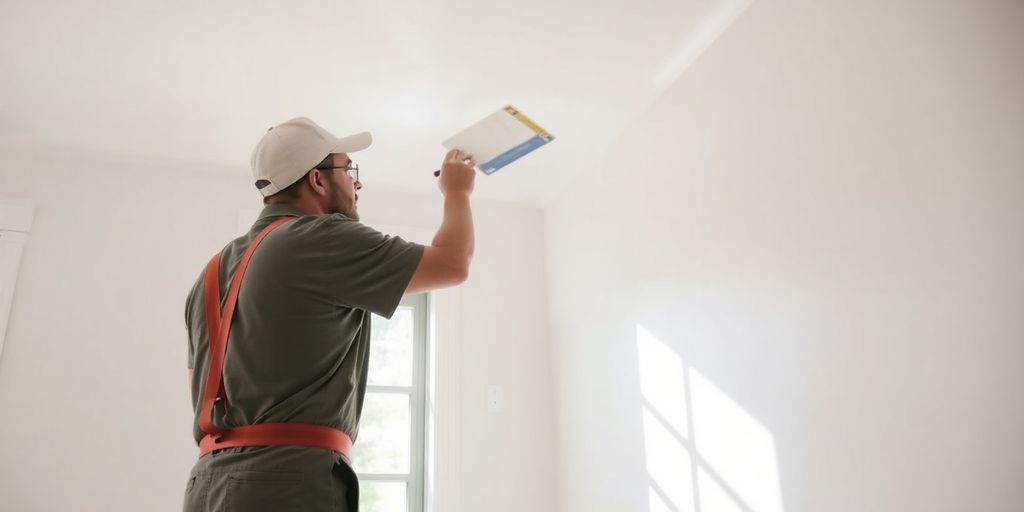
When it comes to painting, professionals really know how to keep things from getting too smelly or unhealthy. They've got a few tricks up their sleeves to manage fumes and make sure the air stays as clean as possible. It’s not just about slapping paint on the walls; it’s about doing it smart.
Strategic Airflow Management
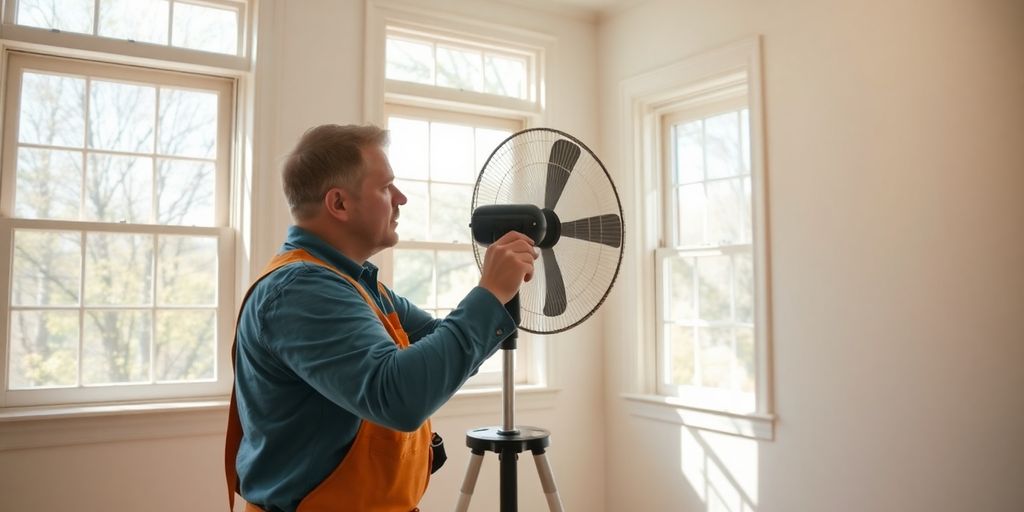
Professionals understand that good airflow is key. They’ll often set up fans to create a steady stream of fresh air coming in and push the old, fume-filled air out. This isn't just about making it smell better; it helps the paint dry faster and more evenly, which is a win-win. They might open windows on opposite sides of the room to get a good cross-breeze going. If the weather isn't cooperating, they’ll use fans strategically to direct air out of the space. This constant air exchange is really important for keeping VOCs (volatile organic compounds) from building up.
Sealing Off Adjacent Areas
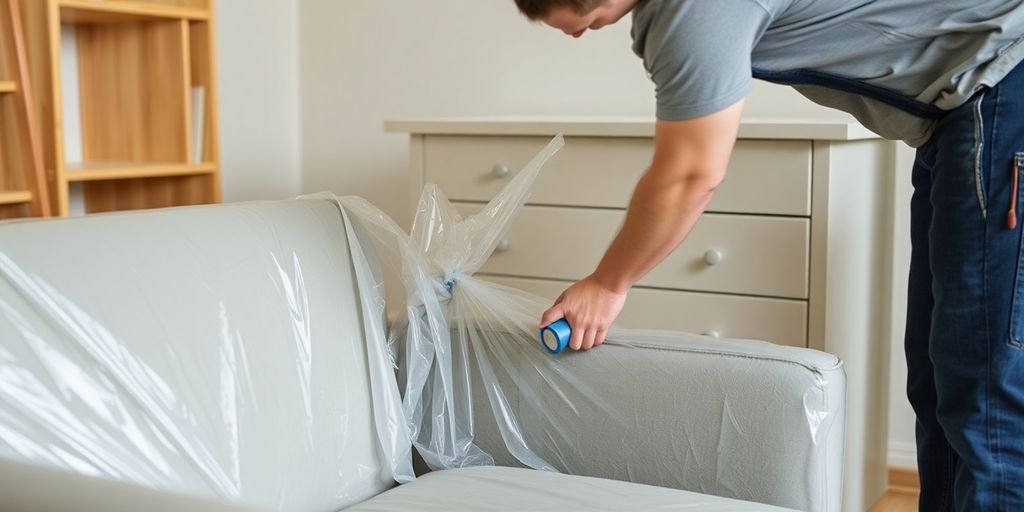
To stop fumes from drifting into other parts of your house, painters will often seal off rooms that aren't being painted. They use plastic sheeting and painter's tape to create a barrier. This containment is super helpful, especially if you have people or pets who need to use other areas of the home. It keeps the painting process contained and prevents those paint smells from becoming a house-wide problem. It’s a simple step, but it makes a big difference in keeping the whole home comfortable.
Utilizing Air Purifiers and Odor Absorbers
Beyond just ventilation, pros might bring in extra help. Sometimes, they’ll use air purifiers, especially those with activated carbon filters, in the painted area. These machines are great at trapping tiny particles and neutralizing odors that even good airflow might miss. They might also place bowls of things like baking soda or vinegar around the room. These common household items are surprisingly good at absorbing lingering smells and chemicals. It’s all about tackling those fumes from multiple angles to get the air back to normal as quickly as possible. For more on keeping your air clean during renovations, check out tips on ventilation.
Choosing the Right Paint for Better Air Quality
The Benefits of Low-VOC and Zero-VOC Paints
When you're thinking about painting, it's easy to get caught up in colors and finishes. But what about the air you'll be breathing? That's where the type of paint really matters. Paints used to be loaded with something called VOCs, or volatile organic compounds. These things can cause headaches, dizziness, and generally make you feel unwell, especially if you have breathing issues. Choosing paints with low or zero VOCs makes a huge difference in keeping your home's air quality good. These paints release way fewer of those nasty chemicals into the air as they dry and even after. It's a smart move for any room, but especially for places where people spend a lot of time, like bedrooms or kids' rooms.
Identifying Effective and Safe Paint Formulas
So, how do you know if a paint is actually good for your air quality? It's not always as simple as just grabbing the first can you see. You'll want to look for a few key things on the label. Certifications like GREENGUARD Gold or Green Seal are good signs that the paint has been tested and meets strict standards for low chemical emissions. Also, steer clear of paints that have added scents; sometimes those nice smells are just masking other chemicals. Generally, water-based paints are a better bet than oil-based ones when it comes to air quality. If you're unsure, asking for advice from a paint store professional or your painting contractor can really help you pick a product that works well and is safer for your home. For example, Eco Spec is a premium interior paint that's a great choice for those looking for eco-friendly options.
Expert Recommendations for Healthier Paint Choices
When it comes to picking the best paints for your home's air, professionals often have the inside scoop. They know which brands consistently perform well and have good environmental profiles. Some popular choices that are often recommended include:
- Benjamin Moore Natura: This one is known for being zero VOC and is also good for people with allergies.
- Sherwin-Williams Harmony: This paint is designed to actually absorb VOCs from the air.
- ECOS Paints: If you're really sensitive to chemicals, this brand is 100% non-toxic.
It's really about making informed choices. You want a paint that looks great, lasts a long time, and doesn't make your home smell like a chemical factory for weeks on end. Thinking about the paint's ingredients from the start is a big part of a healthy painting project.
Ultimately, using these types of paints is a simple step that has a big impact on the health of your home's environment. It's a small change that contributes to a much better living space.
Post-Painting Ventilation Strategies
So, you've picked out the perfect color, the painters are done, and everything looks great. But wait, the job isn't quite finished yet. Even after the last brushstroke, paint continues to cure, and that means it's still releasing fumes. Proper ventilation after painting is just as important as during the process. It's the final step to making sure your home is truly safe and healthy to enjoy.
Continuing Ventilation After the Final Coat
Many people think once the paint is dry to the touch, the fumes are gone. That's not quite right. Paints, even the good ones, keep releasing volatile organic compounds (VOCs) as they cure over the next few days. If you seal up the room too soon, all those lingering smells and chemicals get trapped inside. Professionals know to keep things circulating. This means keeping windows open, even if it's just a little, or running fans for at least 48 to 72 hours after the painting is complete. If the weather is bad, using your HVAC system to keep air moving is a good idea. It helps the paint cure properly and makes the air breathable again.
Allowing Ample Time for Residual Fumes to Dissipate
Don't rush to put furniture back or close up the room. Give the paint plenty of time to fully cure and for any remaining odors to fade away. This might mean waiting a few extra days. Think about it: you've just invested in making your home look and feel better, so taking a little extra time at the end to ensure the air is clean is totally worth it. It's about making sure the space is not just pretty, but also genuinely healthy for everyone living there. You want to avoid breathing in those chemicals, especially if you have kids or pets, or if anyone in the house has allergies or breathing issues. It’s a simple step that makes a big difference in your indoor air quality.
Maintaining Air Quality for a Healthy Home
Keeping the air fresh after painting is part of a larger strategy for a healthy home environment. It's not just about the paint itself, but about the overall air circulation. Even after the initial post-painting ventilation period, continuing to open windows periodically or using air purifiers can help maintain a cleaner atmosphere. This is especially true in rooms that are used a lot, like bedrooms or living areas. Good airflow helps prevent moisture buildup too, which can lead to mold and mildew down the line. So, think of this post-painting ventilation as the final touch that keeps your home feeling fresh and healthy for the long haul.
When to Entrust the Job to Professionals
Some painting jobs are just too much for the average homeowner to tackle safely and effectively. When you start thinking about the scale of the project, the height of the surfaces, or the potential presence of hazardous materials, it's often wise to bring in the pros. They have the training, the equipment, and the experience to handle these situations without putting themselves or your home at risk.
Handling Large-Scale Projects Efficiently
If you're looking to paint your entire house, inside and out, or even just several rooms at once, a professional crew can get it done much faster than you could on your own. They have teams of painters who can work simultaneously, and they know how to manage their time and resources to complete the job efficiently. This means less disruption to your daily life, and you get to enjoy your freshly painted home sooner. Plus, they often have access to better equipment, like sprayers, that can speed up the process significantly for large areas. Hiring a professional painter for your home offers convenience, especially during cooler months when people spend more time indoors. This allows for efficient project completion without disrupting outdoor activities. Professional painters ensure quality results and a smooth process from start to finish.
Addressing Complex Surfaces and High Areas
Painting high ceilings, intricate trim work, or difficult-to-reach areas can be a real challenge, not to mention dangerous. Professionals have the right ladders, scaffolding, and safety gear to access these spots safely. They also have the technique to apply paint evenly on textured surfaces or in tight corners, something that can be tricky for DIYers. Getting a smooth, even finish on these complex areas requires a practiced hand, and that's exactly what you get when you hire experts.
Managing Hazardous Materials Like Lead Paint
If your home was built before 1978, there's a good chance it might have lead-based paint. Dealing with lead paint is serious business; it requires special containment and removal procedures to avoid releasing toxic dust into your home. Only certified professionals are equipped and trained to handle lead paint safely and legally. Trying to paint over or remove it yourself without the proper precautions can be incredibly harmful to your health and the health of your family. It's one of those situations where calling in the experts isn't just recommended, it's absolutely necessary for everyone's well-being.
Environmental Considerations for Safe Painting
Painting your home is a great way to freshen it up, but it's not just about how it looks. We also need to think about the planet and what we're putting into the air and down the drain. Professional painters really focus on this, making sure the job is good for your home and the environment.
Selecting Eco-Friendly Paint Products
When you're picking out paint, you've got options that are much kinder to the environment. Low-VOC and zero-VOC paints are a big deal here. VOCs, or volatile organic compounds, are chemicals that can get into the air and aren't great for breathing, either inside or outside. Choosing paints with fewer or no VOCs means less pollution from your project. It's a simple switch that makes a difference for indoor air quality and the wider environment. Many brands now offer these greener options, so it's easier than ever to find them.
Proper Disposal of Paint-Contaminated Materials
What do you do with leftover paint, dirty rags, or brushes? You can't just toss them in the regular trash or pour them down the sink. Paint and solvents can be harmful if they get into our water systems or soil. Professionals know how to handle these materials correctly. This often means using special containers for waste and taking them to designated hazardous waste disposal sites. Your local municipality usually has information on where you can take these items safely. It’s about preventing contamination and keeping our water clean.
Reducing Waste Through Paint Donation
Got a half-used can of paint? Don't let it go to waste! Many community groups, schools, or theater departments can use leftover paint for their projects. Donating usable paint is a fantastic way to reduce waste and support local initiatives. Before you toss it, check with local charities or community centers to see if they can put your extra paint to good use. It’s a win-win: less waste for you, and valuable materials for someone else.
When painting, it's important to think about the environment. We make sure to use safe practices that are good for the planet. Want to learn more about how we paint responsibly? Visit our website today!
Breathe Easy: The Professional Difference
So, when you're thinking about painting your home, remember it's not just about picking a color. Professional painters really do know how to keep things clean, safe, and the air fresh. They handle the ventilation, choose the right paints, and manage the whole process so you don't have to worry about fumes or accidents. It's about getting a great-looking finish without any of the health headaches. If you want that peace of mind and a job done right, calling in the pros is definitely the way to go for a beautiful, healthy home.
Frequently Asked Questions
How do painters keep paint fumes from spreading to other parts of my house?
Professional painters use special techniques to keep fumes from spreading. They might seal off rooms that aren't being painted with plastic sheets and tape. They also manage airflow by opening windows in certain areas and using fans to guide the fumes outside, away from the rest of your home.
Do professional painters use paints that are better for air quality?
Yes, they do! Professionals often use paints with fewer chemicals, called low-VOC or zero-VOC paints. These paints release fewer fumes, making your home safer and the air cleaner to breathe while the paint dries and afterward.
Why is good airflow important when painting?
Absolutely. Good airflow helps paint dry faster and more evenly. This means it looks better and lasts longer. It also helps prevent moisture from getting trapped, which can cause mold or mildew to grow later on.
Do I need to keep ventilating my home even after the painting is finished?
Even after the paint feels dry, it can still release fumes for a few days. Professionals recommend keeping windows open or using fans for at least 48 hours after painting. This helps clear out any remaining fumes so the air is fresh and healthy.
When is it better to hire a professional painter?
It's best to call professionals for big jobs, like painting a whole house, or if your home has old paint that might contain lead. They have the right tools and know-how to handle these situations safely and efficiently, protecting everyone involved.
How do professional painters handle environmental safety during a project?
They choose paints that are safer for the environment and your family. They also make sure to clean up properly, like sealing paint cans tightly and disposing of old paint and materials safely. Sometimes, they can even help donate leftover paint to reduce waste.


Comments
Post a Comment